


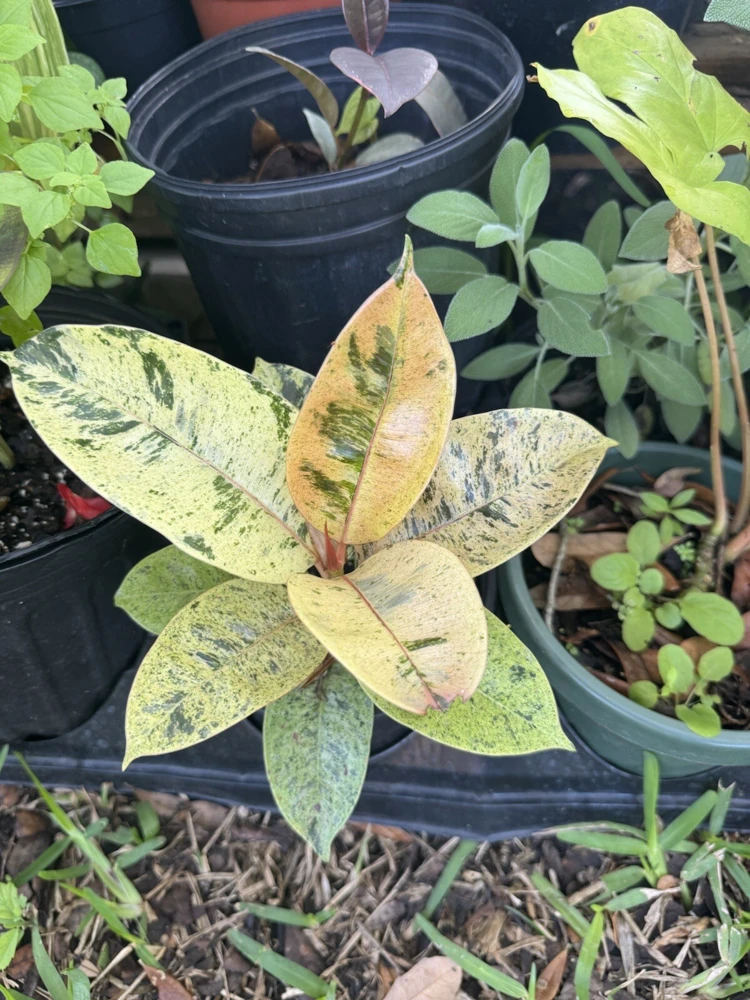
Live Rubber Tree Plant – Ficus Elastica Houseplant for Indoor Decor
Original price was: $77.99.$57.99Current price is: $57.99.
Enhance your home or office with a beautiful rubber tree live plant. This popular Ficus Elastica houseplant features glossy, dark green leaves and is known for its air-purifying qualities and low maintenance. Ideal for beginners and seasoned plant enthusiasts alike, it thrives indoors, adding a touch of natural elegance to any space.
Estimated arrival
Oct 27
Nov 01 - Nov 03
Nov 06 - Nov 10
Shop With Confidence
30-Day Plant Health Guarantee
Arrives damaged? We’ll replace it free — see our return policy.
Responsive Support
Email us anytime, we reply within 1 business day.
Expert Packaging
Temperature-controlled shipping to protect your plants in transit.
Secure Checkout
Pay safely with Visa, Mastercard, PayPal.
Plant Specifications
-
USDA Hardiness Zone
USDA zones 10-12 (outdoors), year-round indoors -
Soil Type
Well-draining, peat-based potting mix -
Sunlight Exposure
Bright, indirect light -
Expected Planting Period
Year-round indoors
Overview
Introduce a touch of lush greenery into your living space with this beautiful rubber tree live plant. Also known by its botanical name, Ficus Elastica, the rubber tree is a highly sought-after houseplant renowned for its large, glossy, dark green leaves and impressive stature. Originating from the tropical regions of South Asia, this elegant plant is a fantastic choice for adding a natural, vibrant element to any indoor environment. Its robust nature and striking appearance make it a focal point in any room, effortlessly enhancing your home or office decor. The ficus elastica care is straightforward, making it an excellent option for both novice and experienced plant parents looking for a resilient and attractive indoor companion.
The indoor rubber plant is not just a decorative item; it’s a living piece of art that contributes to a healthier indoor atmosphere. Its ability to grow into a substantial size with proper care means it can fill empty corners and bring a sense of natural grandeur. The plant’s common name, rubber tree, comes from the milky white latex sap it produces, which was historically used to make rubber. Today, it’s celebrated for its aesthetic appeal and air-purpurifying properties, making it a valuable addition to modern homes.
Key Benefits
The rubber tree live plant offers a multitude of benefits, making it a highly desirable houseplant for any indoor setting. Its striking appearance is just one of many reasons to welcome this plant into your home.
- Air Purification: The Ficus Elastica is well-known for its ability to filter indoor air pollutants, helping to create a fresher and healthier environment. It effectively removes toxins, contributing to improved air quality in your home or office.
- Aesthetic Appeal: With its large, shiny, dark green leaves and upright growth habit, the indoor rubber plant adds a sophisticated and tropical touch to any decor style, from minimalist to bohemian.
- Low Maintenance: This plant is remarkably hardy and forgiving, making it an excellent choice for those new to plant care or with busy schedules. Its resilience means less fuss and more enjoyment.
- Impressive Growth: Given the right conditions, the rubber tree can grow quite tall, becoming a dramatic floor plant that makes a significant visual impact and fills vertical space beautifully.
- Stress Reduction: Studies show that having plants indoors can reduce stress levels, improve mood, and increase productivity. The calming presence of a large leaf houseplant like the rubber tree can contribute to a more serene atmosphere.
- Versatility: While primarily an indoor plant in most climates, it can also thrive outdoors in warm, humid environments, making it adaptable to various living arrangements.
- Easy Propagation: For those interested in expanding their plant collection, the Ficus Elastica is relatively easy to propagate from cuttings, allowing you to share its beauty with friends and family.
Plant Care & Growing Tips
Caring for your rubber tree live plant is relatively simple, and with a few key considerations, you can ensure it thrives and grows into a magnificent specimen. Providing the right environment is crucial for healthy growth and vibrant foliage. Understanding ficus elastica care is key to its longevity and beauty.
Sunlight Requirements: The rubber tree prefers bright, indirect light. Place it near a window where it can receive plenty of light but avoid direct, harsh sunlight, which can scorch its leaves. An east-facing window is often ideal, providing gentle morning sun. If your plant isn’t getting enough light, its growth may slow, and its leaves might lose their vibrant color. Rotate your plant every few weeks to ensure even growth and light exposure. This easy care indoor plant will show you when it’s happy with lush, new foliage.
Watering Schedule and Soil Moisture: Water your rubber tree thoroughly when the top 1-2 inches of soil feel dry to the touch. Allow excess water to drain completely from the bottom of the pot to prevent root rot. During winter months, reduce watering frequency as the plant’s growth slows. Overwatering is a common issue, so always check the soil moisture before watering again. Using a well-draining potting mix is essential for maintaining appropriate moisture levels.
Soil Type and Drainage: A well-draining, peat-based potting mix is best for rubber trees. A mix designed for houseplants or a general-purpose potting soil amended with perlite or coarse sand will ensure good aeration and drainage. Ensure your pot has drainage holes to prevent waterlogging, which is detrimental to the plant’s health. The USDA hardiness zone for outdoor rubber trees is typically 10-12, but as an indoor plant, consistent indoor temperatures are more important.
Temperature and Humidity: Rubber trees thrive in average indoor temperatures between 60-75°F (15-24°C). Avoid sudden temperature fluctuations and cold drafts. While they can tolerate average household humidity, they appreciate higher humidity, especially during dry winter months. You can increase humidity by misting the leaves, placing a humidifier nearby, or using a pebble tray with water. This helps keep the large leaves healthy and prevents crispy edges, which can be an indicator of low humidity or inconsistent watering.
Fertilization: Feed your rubber tree with a balanced liquid fertilizer every 2-4 weeks during the growing season (spring and summer). Reduce or stop fertilization during fall and winter when the plant is dormant. Follow the fertilizer’s instructions for dilution to avoid over-fertilizing, which can damage the roots. Regular feeding supports the vigorous growth of this large leaf houseplant.
Common Problems: Yellowing leaves can indicate overwatering or nutrient deficiency. Drooping leaves might mean underwatering or too little light. Pests like spider mites and mealybugs can occasionally affect rubber trees; inspect your plant regularly and treat any infestations promptly with insecticidal soap or neem oil. Proper ficus elastica care can prevent most of these issues.
Size & Details
The rubber tree live plant is a versatile houseplant that can adapt to various indoor spaces, growing to an impressive size with proper care. While its ultimate height depends on pot size and pruning, it can typically grow several feet tall indoors, often reaching heights of 6 to 10 feet in ideal conditions, making it a true statement piece. Its growth rate is moderate, allowing you to enjoy its development without it becoming unmanageable too quickly. The leaves themselves are quite large, contributing to its bold and dramatic appearance.
This indoor rubber plant typically ships as a potted plant, ready to be placed in your home. It’s often provided in a nursery pot, which you can then transfer to a decorative planter of your choice. The plant’s robust root system will quickly establish itself in its new container. Expect the plant to continue its steady growth, producing new, glossy leaves regularly. The easy care indoor plant nature means it’s suitable for various settings, from living rooms to offices, providing a consistent source of natural beauty. Regular pruning can help maintain a desired shape and encourage bushier growth.
Frequently Asked Questions
- Q: How big does this rubber tree live plant get? A: With proper care, a rubber tree can grow quite large indoors, often reaching heights of 6 to 10 feet. Its size can be managed through pruning and pot size, making it adaptable to different spaces.
- Q: Is this an indoor or outdoor plant? A: While the rubber tree can thrive outdoors in warm, tropical climates (USDA zones 10-12), it is primarily cultivated as an indoor houseplant in most regions due to its need for consistent temperatures and protection from cold.
- Q: How much sunlight does my indoor rubber plant need? A: Rubber trees prefer bright, indirect light. Place them near a window where they can receive plenty of ambient light but are shielded from direct, scorching sunlight, especially during the hottest parts of the day.
- Q: Is this plant easy to care for? A: Yes, the rubber tree is considered an easy care indoor plant. It’s quite forgiving and resilient, making it a great choice for beginners. Consistent watering and adequate light are the main requirements for successful ficus elastica care.
- Q: What condition will it arrive in? A: Your rubber tree will typically arrive as a live, potted plant, carefully packaged to ensure its safety during transit. It will be ready to be placed in your home and begin thriving.
- Q: How often should I water my rubber tree? A: Water your rubber tree when the top 1-2 inches of soil feel dry to the touch. It’s better to slightly underwater than to overwater, as excessive moisture can lead to root rot.
- Q: Is the rubber tree pet-safe? A: No, the rubber tree (Ficus Elastica) is considered toxic to pets if ingested. The milky sap can cause irritation, so it’s best to keep it out of reach of curious animals.
- Q: What kind of soil is best for a large leaf houseplant like this? A: A well-draining, peat-based potting mix is ideal for rubber trees. You can use a standard houseplant mix, or create your own by adding perlite or coarse sand for improved drainage.
- Q: How can I encourage my rubber tree to grow bushier? A: To encourage bushier growth, you can prune the main stem or branches. This stimulates the plant to produce new growth from dormant buds lower down, resulting in a fuller appearance.
- Q: Does the rubber tree purify the air? A: Yes, the rubber tree is known for its air-purifying qualities, effectively removing certain toxins from indoor air, contributing to a healthier living environment.
Be the first to review “Live Rubber Tree Plant – Ficus Elastica Houseplant for Indoor Decor”
People Also Viewed


Flower Seeds
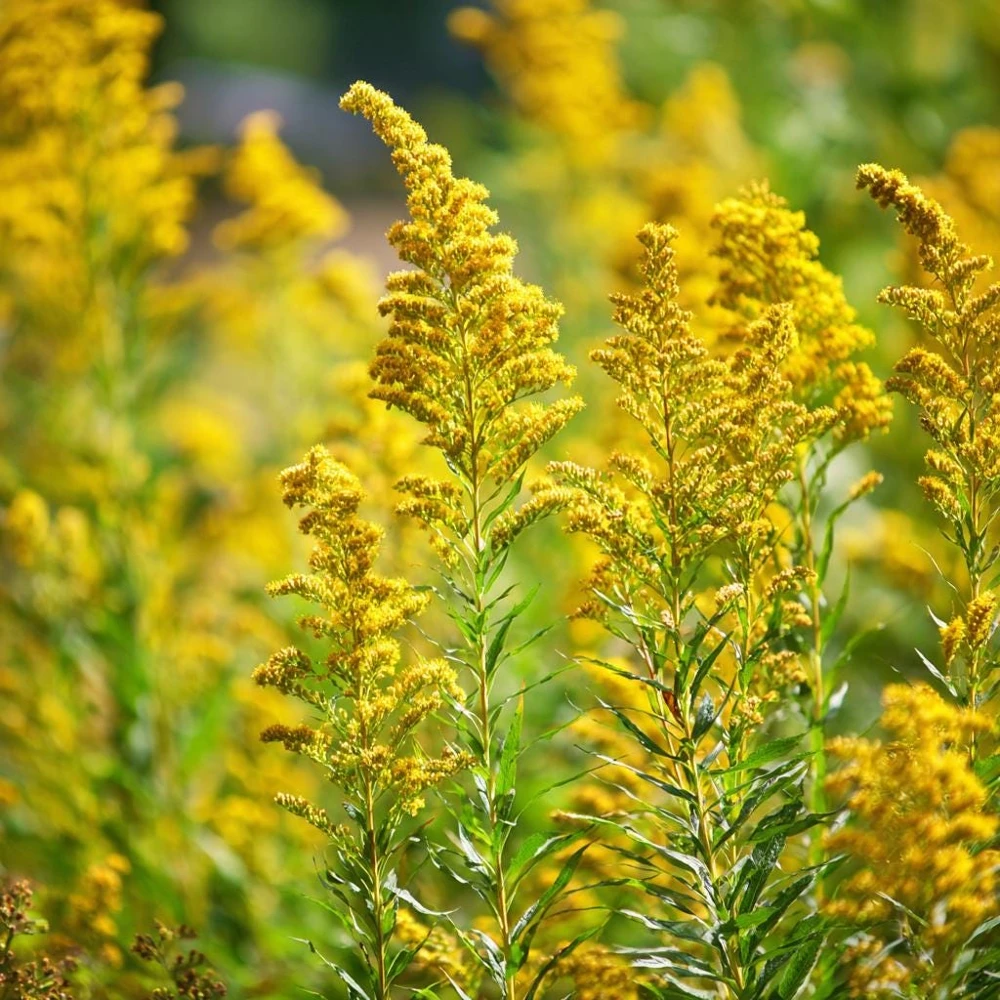
Showy Goldenrod Seeds – 200 Count Perennial Flower for Pollinators, Easy-to-Grow Outdoor

Flower Seeds




Flower Plants
Ajuga Burgundy Glow Bugleweed Live Starter Plant in Pot – Shade Ground Cover Perennial
Reviews
There are no reviews yet.