
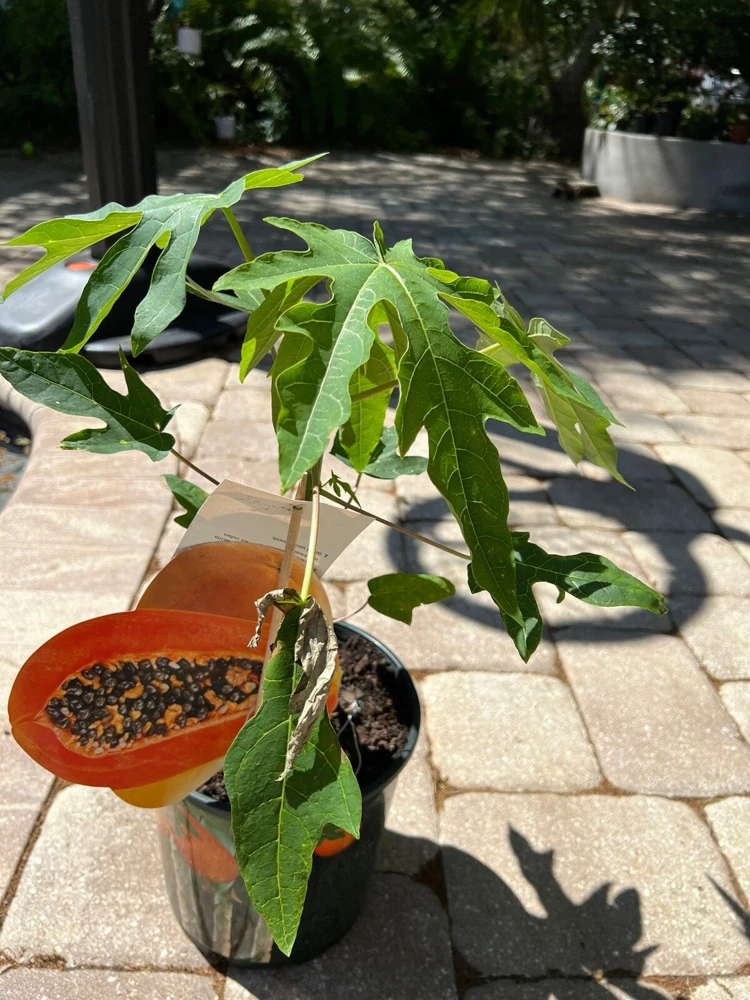
Organic Papaya Plant – Live Fruit Tree for Home Garden
Original price was: $70.99.$50.99Current price is: $50.99.
Bring the tropics to your home with a organic papaya plant. This live fruit tree offers the chance to grow your own delicious and nutritious papayas. Perfect for warm climates or as a potted specimen.
Estimated arrival
Oct 27
Nov 01 - Nov 03
Nov 06 - Nov 10
Shop With Confidence
30-Day Plant Health Guarantee
Arrives damaged? We’ll replace it free — see our return policy.
Responsive Support
Email us anytime, we reply within 1 business day.
Expert Packaging
Temperature-controlled shipping to protect your plants in transit.
Secure Checkout
Pay safely with Visa, Mastercard, PayPal.
Plant Specifications
-
USDA Hardiness Zone
USDA zones 9-11 (or indoors) -
Soil Type
Well-draining, rich, organic soil -
Sunlight Exposure
Full sun (6-8 hours direct light) -
Expected Planting Period
Spring to early summer
Overview
Cultivate your own tropical paradise with this vibrant organic papaya plant. Known for its sweet, succulent fruit and lush foliage, the papaya tree (Carica papaya) is a fast-growing, evergreen tree that can provide a bountiful harvest. This live plant offers an excellent opportunity for home gardeners to enjoy fresh, homegrown organic fruit. Papayas are not only delicious but also packed with vitamins and enzymes, making them a fantastic addition to any diet. Whether you’re an experienced gardener or just starting, growing a live papaya tree can be a rewarding experience, bringing the taste of the tropics right to your backyard or patio.
Our organic papaya plant is sourced from healthy, robust stock, ensuring you receive a strong foundation for your future fruit producer. These plants are ideal for warmer climates where they can thrive outdoors year-round, or they can be successfully grown in containers in cooler regions, allowing you to move them indoors during colder months. Imagine harvesting your own sweet, juicy papayas, free from pesticides and grown with care. This plant is a fantastic choice for anyone looking to grow organic papaya and add an exotic touch to their garden or home.
Key Benefits
Growing your own papaya offers numerous advantages beyond just delicious fruit. This organic papaya plant provides a sustainable source of nutrition and adds aesthetic appeal to your space. Discover the many benefits of cultivating this wonderful tropical fruit tree:
- Fresh, Organic Fruit: Enjoy papayas that are ripe, flavorful, and free from synthetic pesticides or chemicals. Growing your own ensures you know exactly what goes into your food, providing peace of mind and superior taste compared to store-bought options. A live papaya tree makes this possible.
- Nutrient-Rich Harvest: Papayas are celebrated for their high content of Vitamin C, Vitamin A, and digestive enzymes like papain. Regular consumption can support immune health, aid digestion, and provide powerful antioxidants. This makes your organic papaya plant a health-boosting addition.
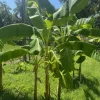
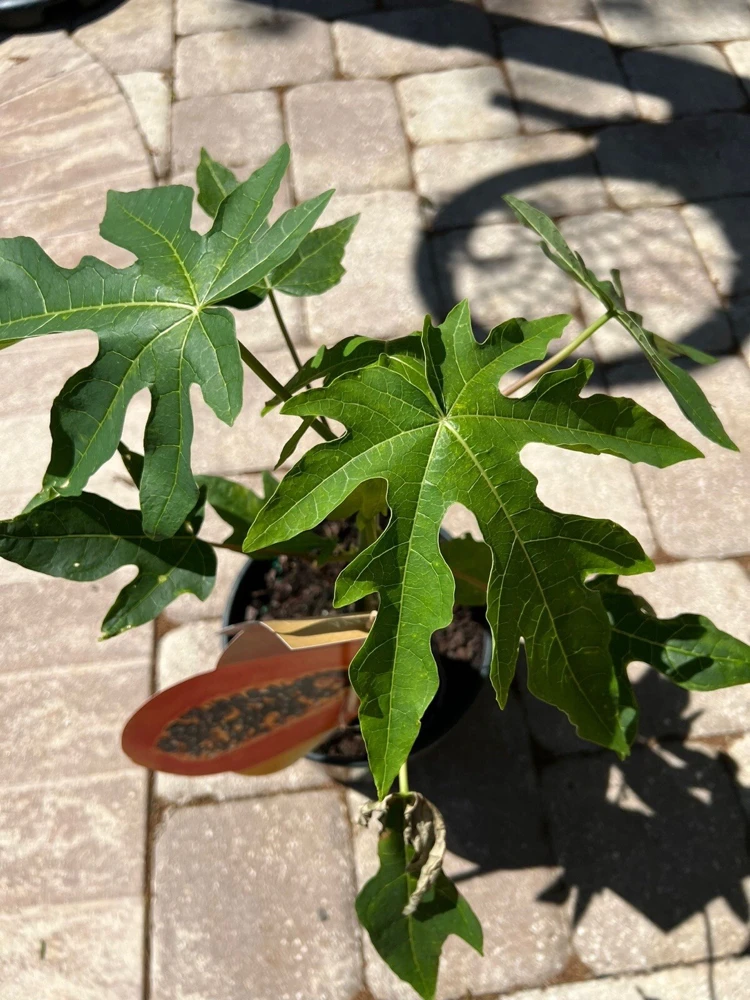
- Tropical Garden Aesthetic: The large, deeply lobed leaves and unique fruit clusters of a papaya tree add an undeniable tropical flair to any garden or patio. It creates a lush, exotic focal point that can transform your outdoor living space into a vibrant oasis.
- Rewarding Growing Experience: From watching the plant grow from a small specimen to bearing its first fruits, the process of cultivating a papaya tree is incredibly satisfying. It offers a connection to nature and the simple joy of nurturing life.
- Versatile Culinary Uses: Beyond eating fresh, papayas can be used in smoothies, salads, salsas, and even savory dishes when unripe. Having a fresh supply from your live papaya tree opens up a world of culinary exploration.
- Air Purification: Like many plants, the papaya plant contributes to a healthier environment by absorbing carbon dioxide and releasing oxygen, improving air quality around your home.
- Sustainable Living: By growing your own fruit, you reduce your carbon footprint associated with transportation and packaging, contributing to a more sustainable lifestyle. Learning to grow organic papaya is a step towards self-sufficiency.
Plant Care & Growing Tips
Caring for your organic papaya plant is relatively straightforward, especially if you provide the right conditions. Papayas thrive in warm, sunny environments and require consistent attention to watering and soil. They are not frost-hardy, so protection from cold temperatures is crucial. Understanding the specific needs of your live papaya tree will ensure a healthy plant and abundant fruit production.
For sunlight, papaya plants demand full sun, meaning at least 6-8 hours of direct sunlight daily. In extremely hot climates, some afternoon shade can be beneficial to prevent leaf scorch. If growing in a container, ensure it’s placed in the sunniest spot available. When it comes to watering, papayas prefer consistently moist, but not waterlogged, soil. Water deeply when the top inch of soil feels dry to the touch. Reduce watering during cooler months. Good drainage is paramount; soggy roots can quickly lead to root rot. Plant your organic papaya plant in well-draining, rich, organic soil. A slightly acidic to neutral pH (6.0-7.0) is ideal. For potted plants, use a high-quality potting mix amended with compost.
Papayas are heavy feeders and benefit from regular fertilization. Use a balanced, organic fertilizer every 2-4 weeks during the growing season (spring through fall). Look for fertilizers with micronutrients like boron and zinc, which are important for fruit development. Maintain warm temperatures, ideally between 70-90°F (21-32°C). They are sensitive to temperatures below 50°F (10°C) and will suffer greatly or die if exposed to frost. For outdoor growers, USDA zones 9-11 are generally suitable. Common problems include fungal diseases from overwatering and pests like spider mites; good air circulation and proper watering can prevent most issues. Pruning is generally not necessary, but you can remove dead or diseased leaves. With proper care, your papaya tree care efforts will be well rewarded.
Size & Details
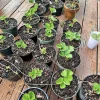
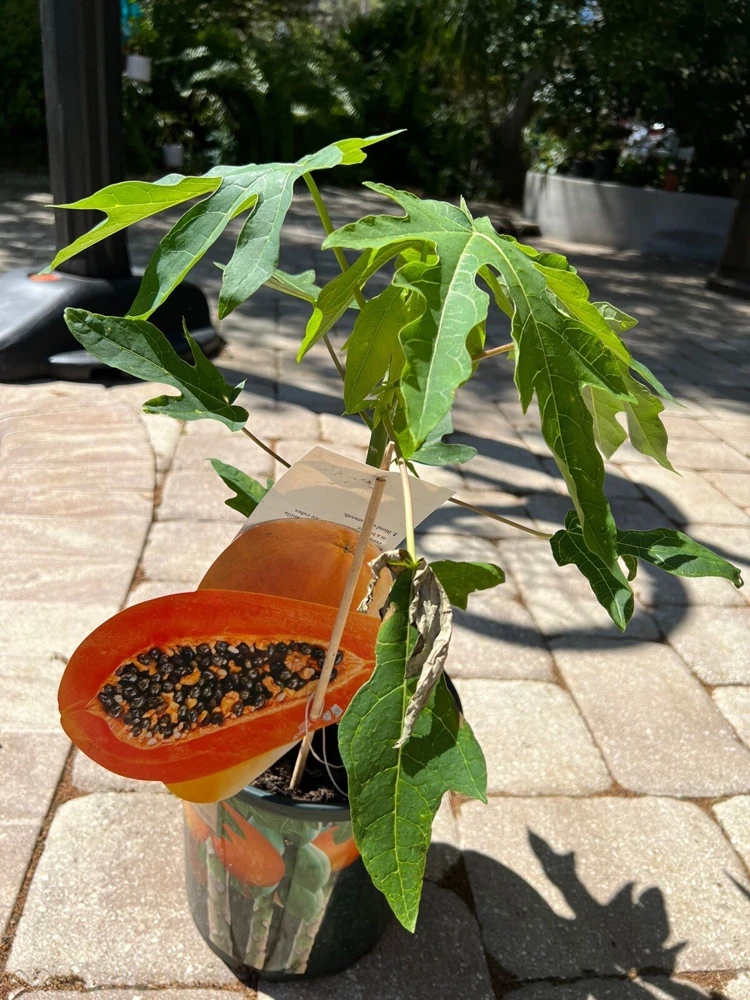
This organic papaya plant typically ships as a young, healthy specimen, ready to establish in your garden or a larger pot. While exact dimensions vary by season and stock, you can expect a robust plant that is well-rooted and actively growing. Papaya trees are known for their rapid growth rate, often producing fruit within a year of planting under optimal conditions. In ideal outdoor environments, they can reach heights of 10-20 feet, though container-grown plants will remain smaller, typically 5-8 feet, making them manageable for patios or indoor spaces. The plant will arrive carefully packaged to ensure its health and vitality during transit.
Expect your live papaya tree to develop a single, unbranched stem initially, with large, palmate leaves forming a canopy at the top. Fruit production will begin once the plant reaches sufficient maturity, usually when it’s a few feet tall. The papayas will form directly on the trunk below the leaf canopy. This plant is a fantastic long-term investment for anyone looking to grow organic papaya and enjoy fresh, tropical fruit for years to come. With proper papaya tree care, it will become a productive and beautiful feature in your home garden.
Frequently Asked Questions
- Q: How big does this plant get? A: In optimal outdoor conditions, a organic papaya plant can reach 10-20 feet tall. When grown in a container, its size is more manageable, typically staying between 5-8 feet, making it suitable for patios or indoor growing.
- Q: What size pot does it come in? A: The plant typically ships in a nursery pot appropriate for its current size, usually a 4-inch or 6-inch container. Upon arrival, it’s recommended to transplant it into a larger pot or directly into the ground.
- Q: Is this an indoor or outdoor plant? A: The organic papaya plant thrives outdoors in USDA zones 9-11 where there is no frost. In cooler climates, it can be grown outdoors during warm months and brought indoors as a potted plant before temperatures drop.
- Q: How much sunlight does it need? A: Papaya plants require full sun, which means at least 6-8 hours of direct sunlight daily for best growth and fruit production. Ensure your live papaya tree receives ample light.
- Q: Is this plant easy to care for? A: Papayas are relatively easy to care for if their basic needs for warmth, sunlight, and consistent moisture are met. They are considered moderately easy for gardeners with some experience in tropical plants. Consistent papaya tree care is key.
- Q: What condition will it arrive in? A: Your organic papaya plant will arrive carefully packed, healthy, and ready for planting. We take great care to ensure the plant withstands the journey and arrives in excellent condition.
- Q: Can I use papaya in cooking? A: Absolutely! Papayas are incredibly versatile. They can be eaten fresh, added to smoothies, fruit salads, and even used in savory dishes when unripe, similar to a vegetable.
- Q: How long until it blooms and fruits? A: Under ideal conditions, a live papaya tree can start flowering and producing fruit within 6-12 months of planting. The exact timeline can vary depending on growing conditions and care.
- Q: When is the best time to plant? A: The best time to plant a papaya is in the spring after all danger of frost has passed, allowing the plant to establish itself during the warm growing season. This is crucial if you want to grow organic papaya successfully.
- Q: Will it survive winter in my zone? A: Papayas are tropical plants and will not survive frost. If you are outside of USDA zones 9-11, you will need to protect your plant from cold temperatures, either by bringing it indoors or providing significant insulation.
Be the first to review “Organic Papaya Plant – Live Fruit Tree for Home Garden”
People Also Viewed

Flowers
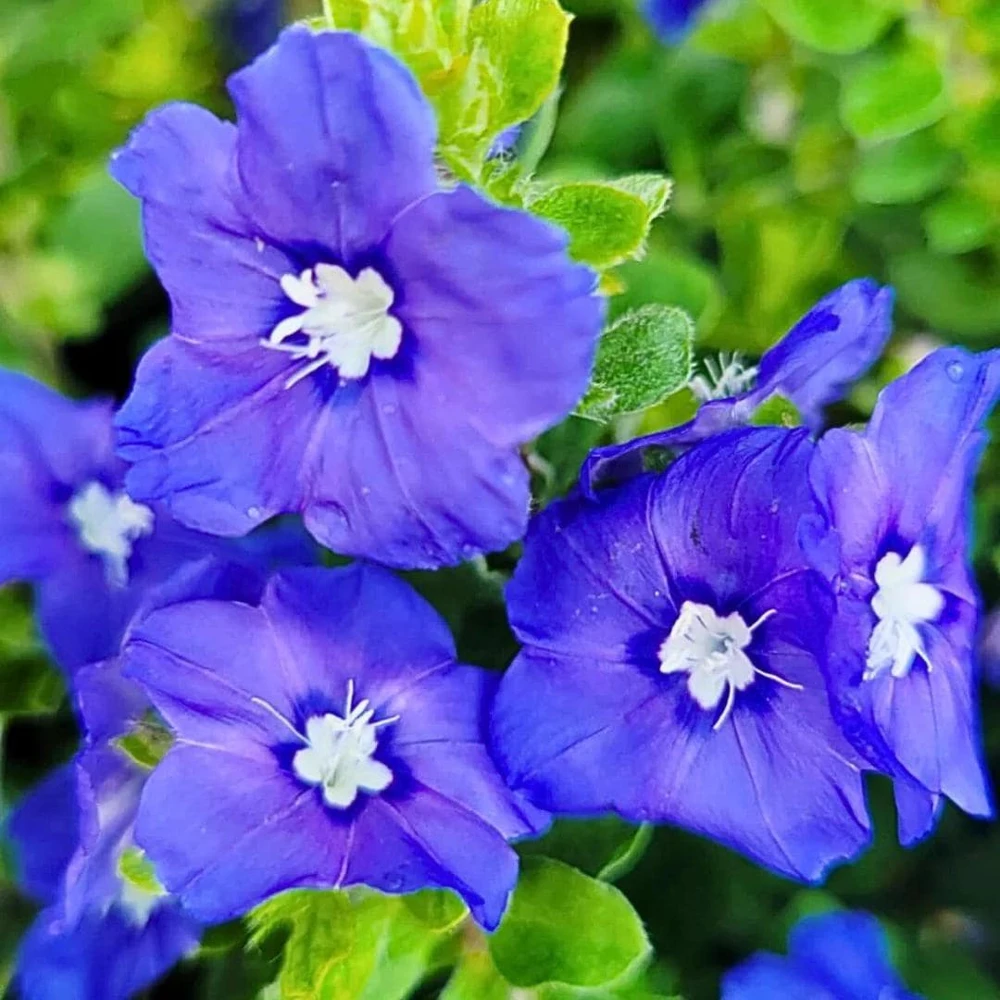
Dwarf Blue Daze ‘Beach Bum’ Evolvulus Live Plants, 5-9″ Tall, 2-Pack, Blue Flowers, Full Sun

Reviews
There are no reviews yet.