
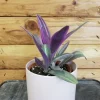

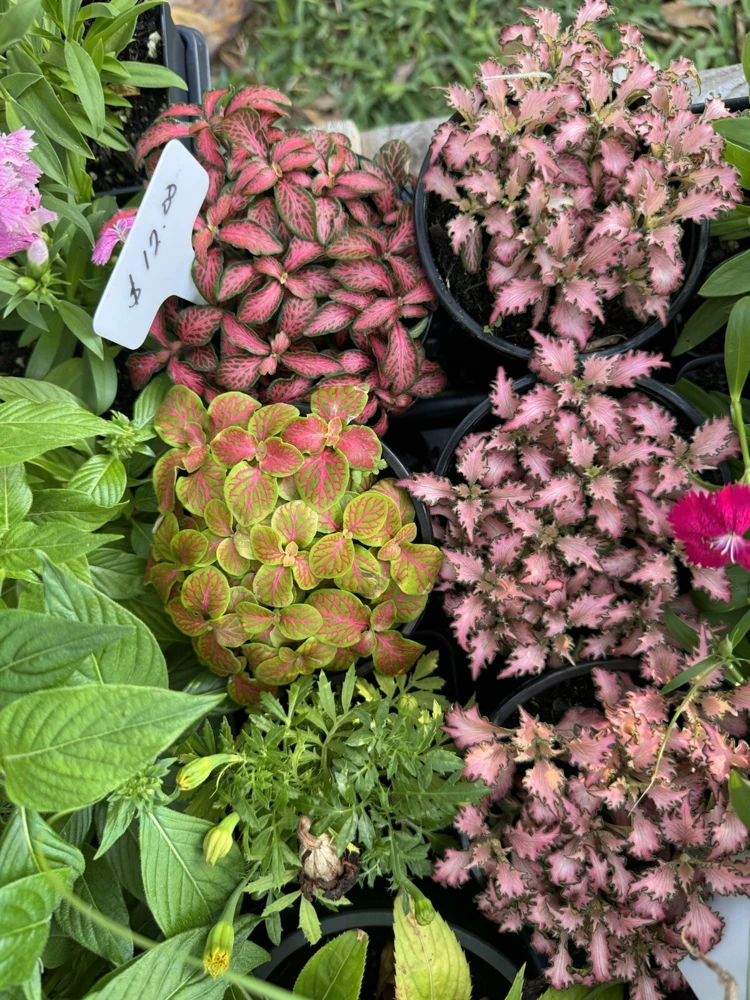
Fittonia Nerve Plant Live Houseplant – Mosaic Plant for Indoor Decor
Original price was: $58.99.$38.99Current price is: $38.99.
Bring vibrant life into your home with a beautiful fittonia nerve plant. This captivating mosaic plant is a perfect fittonia indoor plant, known for its striking, veined foliage and compact size, ideal for desks and shelves.
Estimated arrival
Oct 27
Nov 01 - Nov 03
Nov 06 - Nov 10
Shop With Confidence
30-Day Plant Health Guarantee
Arrives damaged? We’ll replace it free — see our return policy.
Responsive Support
Email us anytime, we reply within 1 business day.
Expert Packaging
Temperature-controlled shipping to protect your plants in transit.
Secure Checkout
Pay safely with Visa, Mastercard, PayPal.
Plant Specifications
-
USDA Hardiness Zone
year-round indoors -
Soil Type
well-draining potting mix -
Sunlight Exposure
bright indirect light -
Expected Planting Period
year-round indoors
Overview
Welcome the captivating fittonia nerve plant into your indoor garden. Also known as the mosaic plant or nerve plant, this unique live houseplant (Fittonia albivenis) is celebrated for its stunning, intricately veined leaves that come in a variety of vibrant colors, typically shades of green with white, pink, or red veins. Native to the tropical rainforests of South America, particularly Peru, Fittonia thrives in warm, humid environments, making it an excellent choice for terrariums or as a charming addition to any room that needs a splash of natural beauty. Its compact growth habit ensures it fits perfectly on windowsills, desks, or in hanging baskets, bringing a touch of the exotic indoors. This plant is not just a decorative piece; it’s a living artwork that can transform your living space into a more serene and visually appealing environment. Understanding nerve plant care is key to enjoying its full beauty and ensuring its longevity within your home.
Key Benefits
The fittonia nerve plant offers several advantages beyond its undeniable aesthetic appeal, making it a wonderful choice for both novice and experienced plant enthusiasts:
- Stunning Visual Appeal: The primary draw of the mosaic plant is its incredibly detailed and colorful foliage. The contrasting veins against the leaf blades create a mesmerizing pattern that instantly brightens any space and adds a unique decorative element.
- Air Purification: Like many houseplants, the fittonia nerve plant contributes to a healthier indoor environment by helping to filter airborne toxins and improve overall air quality, making your home a more pleasant place to live and breathe.
- Compact Size: Its relatively small and trailing growth habit makes the fittonia indoor plant ideal for a variety of settings, including small apartments, office desks, bathrooms, or even as a groundcover in larger planters. It doesn’t require much space to make a big impact.
- Terrarium Favorite: Due to its love for high humidity and compact form, Fittonia is a popular choice for closed terrariums, where it can thrive in a self-sustaining miniature ecosystem, showcasing its beauty in a unique display.
- Boosts Well-being: Studies show that having plants indoors can reduce stress, improve mood, and increase productivity. The vibrant colors and natural presence of a fittonia nerve plant can contribute positively to your mental well-being.
- Educational for Children: Observing the unique leaf patterns and the plant’s response to watering (its dramatic ‘fainting’ when dry) can be a fascinating and educational experience for children, fostering an early appreciation for nature.
Plant Care & Growing Tips
Caring for your fittonia nerve plant is straightforward once you understand its basic needs. These plants are known for being a bit dramatic, often wilting quickly when thirsty, but they bounce back with remarkable speed after a good watering. This characteristic is part of the charm of nerve plant care. The key is consistency in providing the right conditions.
Sunlight Requirements: Fittonia prefers bright, indirect light. Direct sunlight can scorch its delicate leaves, causing them to fade or burn. An east-facing window is often ideal, providing gentle morning sun, or a few feet away from a south or west-facing window. If the light is too low, the vibrant vein colors may become dull, and the plant may become leggy. If you’re looking for best low light houseplants, Fittonia can tolerate lower light, but its colors will be most vivid with ample indirect light.
Watering Schedule and Soil Moisture: This plant loves consistent moisture but hates soggy feet. Water thoroughly when the top inch of soil feels dry to the touch. Ensure the pot has good drainage to prevent root rot. If the plant dramatically wilts, it’s a clear sign it needs water immediately. While it will recover quickly, try to avoid this stress. In warmer months, you might need to water more frequently, reducing frequency in winter. Use room-temperature water to avoid shocking the roots.
Soil Type and Drainage: A well-draining potting mix is essential for the fittonia nerve plant. A standard houseplant potting mix amended with perlite or peat moss works well. The soil should hold some moisture but allow excess water to drain freely. Good drainage is crucial to prevent fungal issues and root rot, which Fittonia is susceptible to if left in standing water.
Temperature Range and Humidity: Fittonia thrives in warm temperatures, ideally between 65-80°F (18-27°C). Avoid sudden temperature fluctuations and cold drafts, which can cause leaf drop. High humidity is paramount for this tropical plant. Aim for humidity levels above 60%. You can achieve this by misting daily, using a pebble tray with water, placing it near a humidifier, or growing it in a bathroom or terrarium. Without adequate humidity, the leaf tips may brown and crisp.
Fertilization Schedule: Fertilize sparingly during the active growing season (spring and summer) with a balanced liquid houseplant fertilizer diluted to half strength, once every 2-4 weeks. Reduce or stop fertilizing during fall and winter when the plant’s growth slows down. Over-fertilization can lead to salt buildup in the soil and damage the roots.
Common Problems and Solutions: Yellowing leaves can indicate overwatering or nutrient deficiency. Brown, crispy leaf edges usually signal low humidity or underwatering. Leggy growth suggests insufficient light. Pest issues like spider mites or mealybugs can occur, especially in dry conditions; treat with neem oil or insecticidal soap. Prompt attention to these signs will keep your fittonia nerve plant healthy and vibrant.
Size & Details
The fittonia nerve plant is known for its relatively compact and spreading growth habit, making it an excellent choice for various indoor settings. Typically, this live plant grows to a height of about 4-6 inches (10-15 cm) and can spread up to 12 inches (30 cm) or more, especially when given space to trail. It is often shipped as a young, actively growing plant in a nursery pot, ready to be placed in your preferred decorative container or terrarium. While it doesn’t have a specific bloom time or showy flowers, its foliage provides year-round interest. The growth rate is moderate, allowing you to enjoy its development without it quickly outgrowing its space. This fittonia indoor plant is perfect for adding a pop of color and texture to small spaces.
Frequently Asked Questions
- Q: How big does this plant get? A: The fittonia nerve plant typically grows to about 4-6 inches tall and can spread up to 12 inches wide, making it a compact and manageable houseplant ideal for various indoor settings.
- Q: Is this an indoor or outdoor plant? A: Fittonia is predominantly an indoor plant in most climates. It thrives in warm, humid conditions and is not tolerant of cold temperatures or frost, making it unsuitable for outdoor growth in many regions.
- Q: How much sunlight does it need? A: This mosaic plant prefers bright, indirect light. Direct sunlight can scorch its leaves, while too little light can cause the vibrant vein colors to fade. An east-facing window or a spot a few feet from a south/west window is often ideal.
- Q: Is this plant easy to care for? A: While the fittonia nerve plant is known for its dramatic wilting when thirsty, it’s relatively easy to care for once you understand its needs, especially regarding consistent moisture and high humidity. It’s a great choice for beginners willing to pay attention to its signals.
- Q: What condition will it arrive in? A: Your fittonia nerve plant will arrive as a healthy, live plant, typically in a nursery pot, carefully packaged to ensure its safety during transit and ready for you to place in its new home.
- Q: Is it pet-safe? A: Yes, Fittonia albivenis is generally considered non-toxic to cats and dogs according to the ASPCA, making it a safe choice for homes with pets.
- Q: How often should I water my nerve plant? A: Water your fittonia nerve plant when the top inch of soil feels dry to the touch. It prefers consistently moist soil but not soggy conditions. It will dramatically wilt when thirsty, quickly recovering after watering.
- Q: Why are the leaves on my nerve plant turning brown? A: Brown and crispy leaf edges on your nerve plant are typically a sign of low humidity or underwatering. Increase humidity around the plant by misting, using a pebble tray, or placing it near a humidifier.
- Q: Can I put my fittonia in a terrarium? A: Absolutely! The fittonia indoor plant is a very popular choice for terrariums due to its love for high humidity and its compact size, where it can create a beautiful, self-contained display.
- Q: What makes it a “nerve plant”? A: It gets the name “nerve plant” from the striking, highly contrasting veins on its leaves, which resemble a network of nerves or capillaries, giving it a unique and intricate appearance.
Be the first to review “Fittonia Nerve Plant Live Houseplant – Mosaic Plant for Indoor Decor”
People Also Viewed

Flower Plants
Purple Lantana Live Plant – Perennial Fragrant Flower for Outdoor Garden 4-6 Inch Tall
Reviews
There are no reviews yet.