
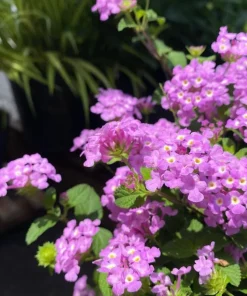
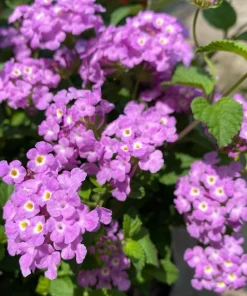
Purple Lantana Live Plant – Perennial Fragrant Flower for Outdoor Garden 4-6 Inch Tall
Original price was: $39.95.$14.95Current price is: $14.95.
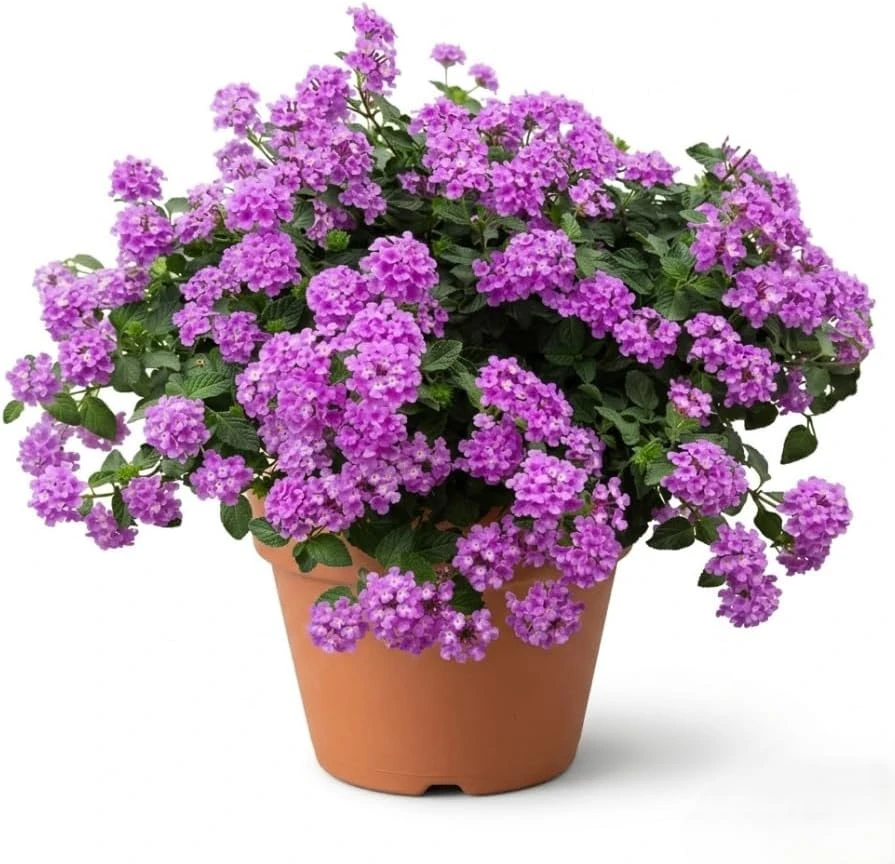
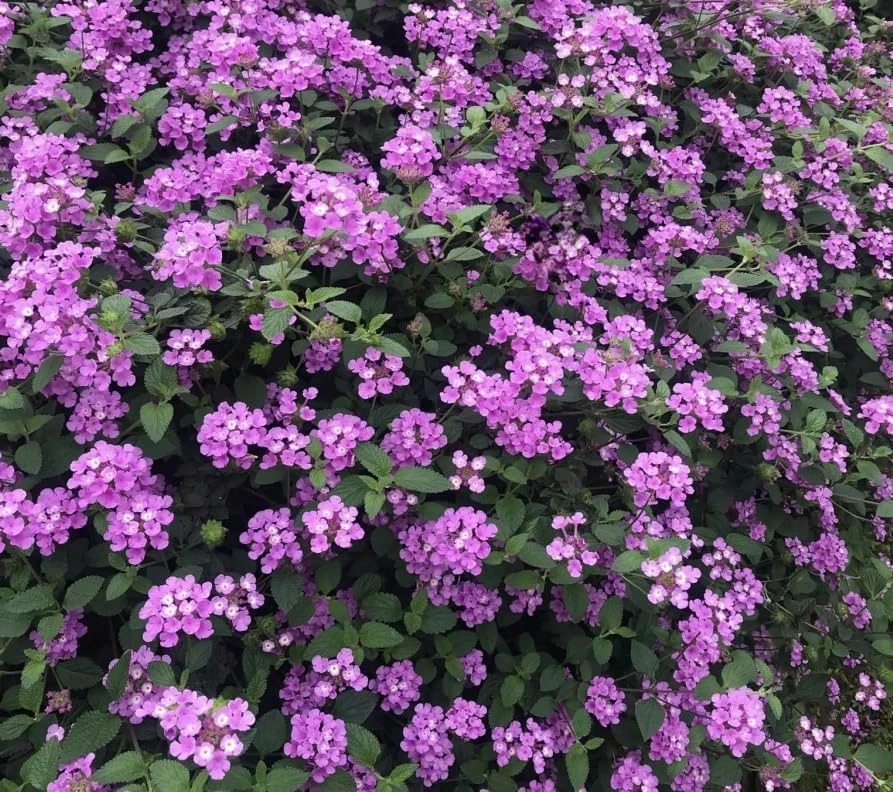
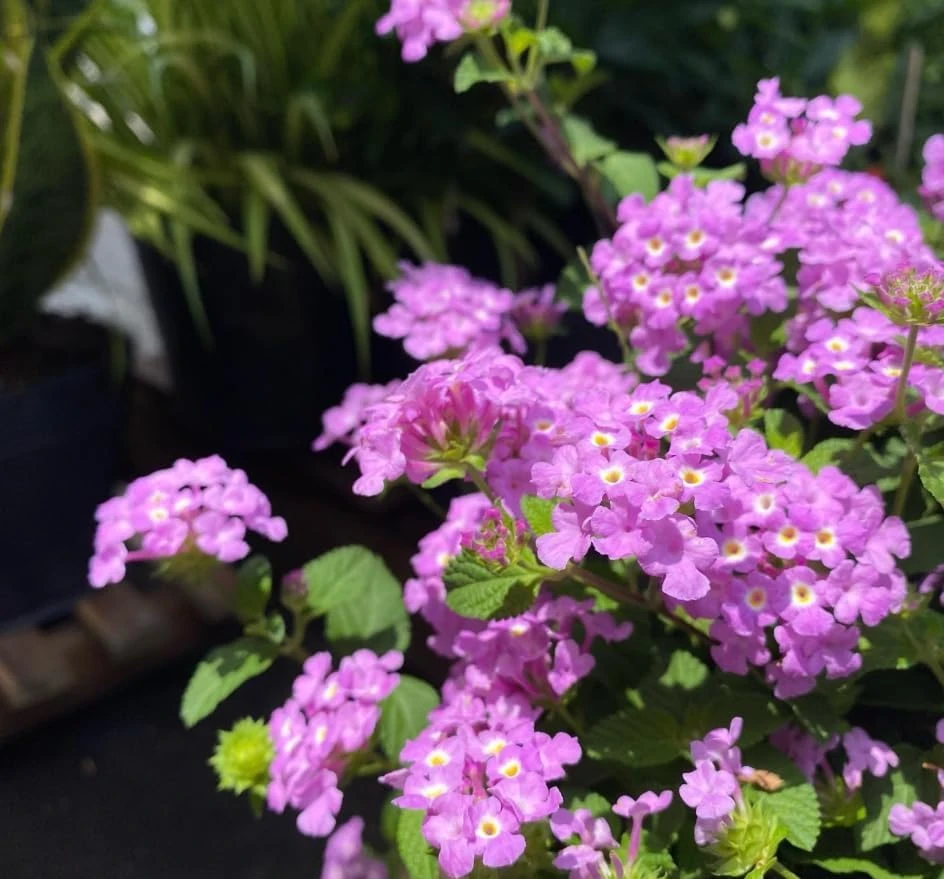
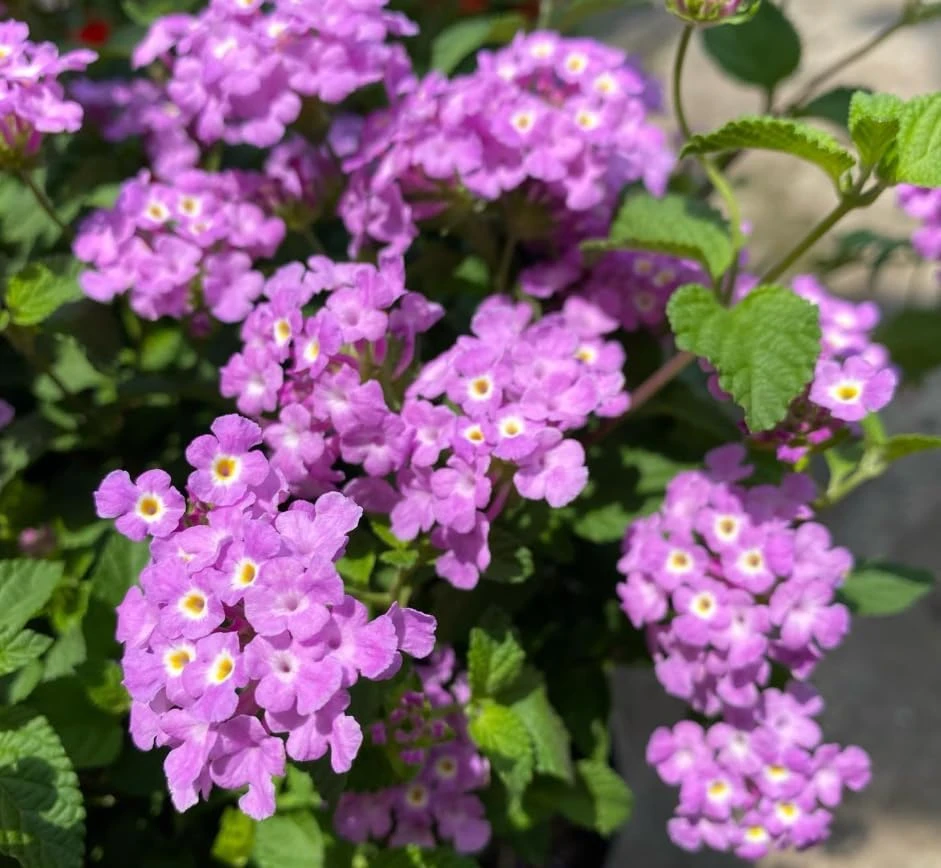
Add a splash of vibrant color and delightful fragrance to your outdoor space with a purple lantana live plant. This beautiful perennial produces a continuous display of flowers from spring to fall, attracting pollinators. Perfect for garden beds or containers, growing to be 4 to 6 inches tall.
Estimated arrival
Oct 14
Oct 19 - Oct 21
Oct 24 - Oct 28
Shop With Confidence
30-Day Plant Health Guarantee
Arrives damaged? We’ll replace it free — see our return policy.
Responsive Support
Email us anytime, we reply within 1 business day.
Expert Packaging
Temperature-controlled shipping to protect your plants in transit.
Secure Checkout
Pay safely with Visa, Mastercard, PayPal.
Plant Specifications
-
USDA Hardiness Zone
USDA Zones 8 to 11 -
Soil Type
Well-draining soil -
Sunlight Exposure
Full sun -
Expected Planting Period
Spring to fall (blooming season)
Overview
Transform your garden into a pollinator’s paradise with the stunning purple lantana live plant. Known for its prolific blooming and delightful fragrance, this perennial shrub is a favorite among gardeners seeking vibrant, low-maintenance color. Our purple lantana live plant arrives ready for planting, typically measuring 4 to 6 inches tall, ensuring a healthy start in your outdoor space. Lantana camara, as it’s scientifically known, is celebrated for its clusters of small, colorful flowers that change hues as they mature, creating a dynamic visual display throughout the growing season. This resilient plant is an excellent choice for adding continuous interest to borders, containers, or as ground cover, thriving in sunny conditions and bringing a touch of the tropics to your landscape. Its strong, sweet scent also helps deter deer, while welcoming butterflies and hummingbirds.
Experience the joy of a thriving garden with a plant that not only looks beautiful but also contributes to local biodiversity. The purple lantana live plant is a versatile and robust choice, perfect for both novice and experienced gardeners. Its ability to withstand various conditions makes it a reliable addition to almost any outdoor setting, providing season-long beauty with minimal fuss. Prepare to enjoy a spectacular show of color and fragrance that will elevate your garden’s appeal.
Key Benefits
The purple lantana live plant offers a multitude of benefits that make it an exceptional addition to any garden. Its vibrant blooms and hardy nature ensure a rewarding gardening experience. Discover why this fragrant perennial is a must-have for your outdoor sanctuary:
- Continuous Blooming: Enjoy an extended season of color with flowers appearing from spring through fall, providing consistent visual appeal. The vibrant purple hues will keep your garden lively for months.
- Attracts Pollinators: The nectar-rich flowers are a magnet for butterflies, bees, and hummingbirds, making your garden a haven for beneficial wildlife. This helps support local ecosystems and enhances garden health.
- Drought Tolerant: Once established, the lantana perennial flower is remarkably tolerant of dry conditions, making it an ideal choice for water-wise gardening. This resilience means less frequent watering and easier maintenance.
- Low Maintenance: This hardy plant requires minimal care, thriving with just a few basic needs met. It’s perfect for busy gardeners or those new to planting, offering maximum impact with minimal effort.
- Deer Resistant: The strong fragrance of lantana tends to deter deer, protecting your garden from unwanted browsing. This natural deterrent ensures your beautiful blooms remain intact and flourishing.
- Versatile Use: Suitable for a variety of applications, including garden beds, borders, containers, hanging baskets, and ground cover. Its adaptability allows for creative landscaping designs.
- Fragrant Foliage and Flowers: Beyond its visual appeal, the fragrant lantana plant emits a pleasant scent that adds another sensory dimension to your outdoor living space. The aromatic leaves also contribute to its charm.
Plant Care & Growing Tips
Caring for your purple lantana live plant is straightforward, ensuring a beautiful display year after year. These resilient perennials thrive with the right conditions, rewarding you with abundant blooms. For optimal growth, lantana requires full sun, meaning at least six hours of direct sunlight per day. Plant your lantana in a location where it will receive ample light, as this encourages vigorous flowering. In hotter climates, some afternoon shade can be beneficial to prevent scorching, but generally, more sun equals more blooms. This makes it an excellent choice for open garden beds or south-facing containers. Proper light exposure is crucial for the health and vibrancy of your purple lantana live plant.
When it comes to watering, outdoor lantana care involves allowing the soil to dry out slightly between waterings. Lantana prefers well-draining soil and does not tolerate soggy conditions, which can lead to root rot. Water thoroughly when the top 1–2 inches of soil are dry, and then allow it to dry out again before the next watering. Established plants are quite drought-tolerant, making them a good option for xeriscaping or areas with limited water. The ideal temperature range for purple lantana is between 65°F and 95°F. It is hardy in USDA Zones 8 to 11, where it can be grown as a perennial. In colder zones, it is typically grown as an annual or brought indoors during winter. Fertilize sparingly; a balanced, slow-release fertilizer in spring is usually sufficient to support its blooming cycle. Pruning in early spring can help maintain shape and encourage bushier growth, contributing to a more spectacular display of flowers. Regularly deadhead spent blooms to promote continuous flowering and a tidier appearance. This simple routine will ensure your growing lantana remains healthy and vibrant.
Size & Details
This offering includes one healthy purple lantana live plant, which typically measures 4 to 6 inches tall upon arrival. Each plant is carefully nurtured to ensure a strong root system, ready to thrive in your garden. Lantana is known for its moderate to fast growth rate, quickly filling out garden spaces or containers. When mature, these plants can reach a height of 1 to 3 feet and spread 3 to 6 feet wide, forming a beautiful mounding or spreading habit depending on the variety and growing conditions. They are shipped in a nursery pot, ensuring the roots are protected and hydrated during transit, providing the best possible start for your new garden addition.
Expect your lantana to begin blooming from spring and continue through fall, providing a long season of vibrant color and fragrance. The plants are well-rooted and established, ready for transplanting into their permanent outdoor location. With proper care, they will quickly adapt and begin to flourish, adding significant aesthetic value to your landscape. The exact dimensions can vary slightly based on individual plant growth and environmental factors, but all plants are selected for their health and vigor.
Frequently Asked Questions
- Q: How big does this purple lantana live plant get? A: This purple lantana live plant typically arrives 4 to 6 inches tall. When mature, it can grow to be 1 to 3 feet tall and spread 3 to 6 feet wide, creating a beautiful, bushy display.
- Q: Is this an indoor or outdoor plant? A: This is primarily an outdoor plant, thriving in full sun. In USDA Zones 8 to 11, it is a perennial. In colder regions, it can be grown as an annual or brought indoors during winter months if protected from frost.
- Q: How much sunlight does the fragrant lantana plant need? A: The fragrant lantana plant requires at least six hours of direct sunlight per day to produce the most abundant blooms. Full sun exposure is key to its vibrant flowering.
- Q: Is this plant easy to care for? A: Yes, lantana is known for being a low-maintenance plant. Once established, it is quite drought-tolerant and requires minimal care, making it excellent for beginners or busy gardeners.
- Q: What condition will the lantana perennial flower arrive in? A: Your lantana perennial flower will arrive as a healthy, live plant, typically 4 to 6 inches tall, in a nursery pot with its root system intact and protected, ready for planting.
- Q: When is the best time to plant purple lantana? A: The best time to plant purple lantana is in spring after the last danger of frost has passed, allowing it ample time to establish before the heat of summer.
- Q: Will this purple lantana live plant survive winter in my zone? A: This purple lantana live plant is hardy in USDA Zones 8 to 11, where it will typically survive winter as a perennial. In colder zones, it will behave as an annual unless protected from freezing temperatures.
- Q: What’s the minimum temperature this plant can tolerate? A: Lantana prefers temperatures above 65°F. It can tolerate brief dips to around 20-25°F in protected areas, but prolonged freezing temperatures will damage or kill the plant.
- Q: Does this plant attract butterflies? A: Yes, the vibrant flowers of the purple lantana are highly attractive to butterflies, bees, and hummingbirds, making it an excellent choice for pollinator gardens.
- Q: What kind of soil does this plant prefer? A: This plant prefers well-draining soil. It is not particular about soil type but good drainage is essential to prevent root rot.
Be the first to review “Purple Lantana Live Plant – Perennial Fragrant Flower for Outdoor Garden 4-6 Inch Tall”
People Also Viewed
Reviews
There are no reviews yet.