
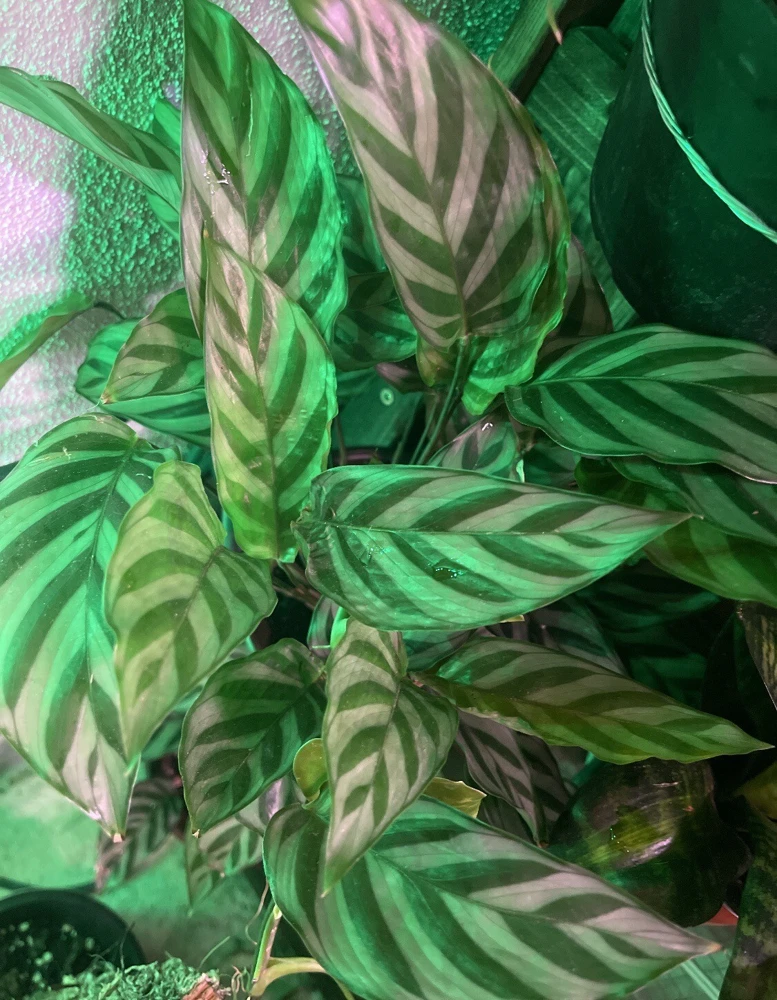
Peacock Plant Live Plant – Vibrant Indoor Houseplant Foliage
Original price was: $66.99.$46.99Current price is: $46.99.
Enhance your indoor space with a beautiful peacock plant live plant. This stunning houseplant features vibrant, feather-like foliage, perfect for adding a touch of exotic elegance. Known for its striking patterns, the peacock plant indoor thrives with proper care, making it a rewarding addition to any home.
Estimated arrival
Oct 27
Nov 01 - Nov 03
Nov 06 - Nov 10
Shop With Confidence
30-Day Plant Health Guarantee
Arrives damaged? We’ll replace it free — see our return policy.
Responsive Support
Email us anytime, we reply within 1 business day.
Expert Packaging
Temperature-controlled shipping to protect your plants in transit.
Secure Checkout
Pay safely with Visa, Mastercard, PayPal.
Plant Specifications
-
USDA Hardiness Zone
USDA zones 10-11 (outdoors); year-round indoors -
Soil Type
Well-draining, peat-based potting mix -
Sunlight Exposure
Bright indirect light -
Expected Planting Period
Year-round indoors
Overview
Introduce a touch of tropical elegance to your home with the captivating peacock plant live plant. Also known by its scientific name, Calathea makoyana, this exquisite houseplant is celebrated for its truly unique and vibrant foliage. The leaves display stunning patterns that resemble a peacock’s feathers, featuring shades of green with dark green blotches and reddish-purple undersides. Each leaf unfurls with a delicate beauty, adding dynamic color and texture to any indoor setting. As a member of the prayer plant family (Marantaceae), the peacock plant live plant exhibits nyctinasty, where its leaves fold upwards at night, much like hands in prayer, and then unfurl again with the morning light. This natural movement adds an interactive and living element to your decor, making it a fascinating and rewarding plant to observe and care for.
Originating from the tropical rainforests of Brazil, the peacock plant live plant thrives in conditions that mimic its natural habitat: high humidity, consistent warmth, and indirect light. It’s an ideal choice for plant enthusiasts looking to elevate their indoor garden with a species that offers both visual appeal and unique behavior. This plant is not just a decorative item; it’s a living piece of art that brings a sense of calm and natural beauty into your personal space. Its distinctive appearance makes it a popular choice for tabletops, shelves, or as a focal point in a plant collection, ensuring it will be a conversation starter.
Key Benefits
The peacock plant live plant offers numerous benefits beyond its undeniable beauty, making it a superb choice for any indoor plant collection. Here are some of the key advantages of bringing this magnificent plant into your home:
-
Exotic Visual Appeal: The primary draw of the peacock plant live plant is its breathtaking foliage. The intricate, feather-like patterns and contrasting colors provide a constant source of visual interest, instantly enhancing the aesthetic of any room. It’s a living piece of art that captivates observers.
-
Natural Air Purifier: Like many houseplants, the peacock plant indoor helps to improve indoor air quality by absorbing common airborne toxins and releasing oxygen. This contributes to a healthier and more refreshing living environment, beneficial for overall well-being.
-
Unique Leaf Movement: The fascinating nyctinasty of the Calathea makoyana, where leaves fold up at night and open during the day, adds an interactive and dynamic element to your plant collection. This ‘prayer-like’ movement is a joy to behold and a testament to the plant’s vitality.
-
Pet-Friendly Option: For households with pets, the peacock plant live plant is generally considered non-toxic to cats and dogs. This provides peace of mind, allowing you to enjoy its beauty without worrying about your furry friends.
-
Humidity Indicator: While it loves humidity, the peacock plant can often show signs of low humidity through crispy leaf edges, making it a good indicator of when your indoor air might be too dry. This can prompt you to increase humidity for both your plant and your own comfort.
-
Enhances Interior Decor: Its striking appearance makes the peacock plant a perfect accent for various interior design styles, from modern minimalist to bohemian. Its natural beauty effortlessly complements existing decor and adds a vibrant pop of color.
Plant Care & Growing Tips
Caring for a peacock plant live plant, or Calathea makoyana, requires attention to detail, but the rewards of its stunning foliage are well worth the effort. These tropical plants thrive when their environment closely mimics their natural rainforest habitat. The first crucial element is light. Peacock plants prefer bright, indirect light. Direct sunlight can scorch their delicate leaves and fade their vibrant patterns, so place them near a window with filtered light or in a room with good ambient light, away from harsh rays. An east or north-facing window is often ideal. Rotate the plant periodically to ensure even growth and light exposure on all sides.
Watering is another critical aspect of peacock plant care. Keep the soil consistently moist but never waterlogged. Allow the top inch of soil to dry out slightly before watering again. Overwatering can lead to root rot, while underwatering can cause leaves to curl and turn crispy. Use distilled water, rainwater, or filtered tap water, as peacock plants are sensitive to the chemicals and minerals often found in tap water, which can cause leaf tip burn. Humidity is paramount for this plant; aim for 60% or higher. You can achieve this by using a humidifier, placing the pot on a pebble tray with water, or grouping it with other humidity-loving plants. Misting the leaves frequently can also help, especially in dry environments.
The ideal temperature range for a peacock plant indoor is between 65-80°F (18-27°C). Avoid sudden temperature fluctuations or cold drafts, which can stress the plant. For soil, a well-draining, peat-based potting mix is recommended, ensuring good aeration and moisture retention. Fertilize every 2-4 weeks during the growing season (spring and summer) with a balanced liquid fertilizer diluted to half strength. Reduce or stop fertilizing during fall and winter. Common problems include crispy leaf edges (low humidity), yellowing leaves (overwatering or nutrient deficiency), and brown spots (direct sun or poor water quality). By providing consistent warmth, high humidity, indirect light, and careful watering, your calathea makoyana will flourish.
Size & Details
The peacock plant live plant typically grows to a moderate size, making it suitable for a variety of indoor settings. When mature, it can reach heights of 1 to 2 feet (30 to 60 cm) and spread equally wide, forming a dense clump of foliage. The leaves themselves are quite large, often growing up to 10-12 inches (25-30 cm) long, showcasing their intricate patterns beautifully. This plant is usually shipped as a young, actively growing specimen in a nursery pot, ready to be placed in your preferred decorative container. Its growth rate is moderate, allowing you to enjoy its development over time.
The plant thrives in consistently warm temperatures and high humidity, making it an excellent choice for bathrooms, kitchens, or living areas with humidifiers. While it doesn’t produce showy flowers, its vibrant foliage provides year-round ornamental interest. Expect to repot your peacock plant live plant every 1-2 years as it outgrows its container, moving it to a pot that is one size larger to accommodate its root system. This plant is cultivated in the United States, ensuring it is acclimated to similar growing conditions for ease of transition into your home.
Frequently Asked Questions
-
Q: How big does a peacock plant get? A: A peacock plant live plant typically grows to about 1 to 2 feet (30-60 cm) in both height and spread when mature, making it a compact yet impactful indoor plant suitable for most spaces.
-
Q: Is this an indoor or outdoor plant? A: The peacock plant indoor is primarily cultivated as an indoor houseplant in most climates due to its sensitivity to cold and preference for high humidity. It can be grown outdoors in very warm, humid, and shaded tropical environments (USDA zones 10-11).
-
Q: How much sunlight does a peacock plant need? A: Peacock plant care requires bright, indirect light. Avoid direct sunlight, which can scorch its delicate leaves and cause the vibrant patterns to fade. A north or east-facing window is often ideal.
-
Q: Is this plant easy to care for? A: While not the most difficult, the peacock plant live plant requires consistent attention to humidity, watering, and light to thrive. It’s considered moderately challenging but rewarding for those who can meet its specific needs.
-
Q: What condition will it arrive in? A: Your buy peacock plant will arrive as a healthy, live plant, carefully packaged to minimize stress during transit. It will be in a nursery pot, ready for you to place in your chosen decorative planter.
-
Q: Is the peacock plant pet-safe? A: Yes, the calathea makoyana is generally considered non-toxic to cats and dogs, making it a safe choice for homes with pets. However, it’s always best to prevent pets from chewing on plants.
-
Q: How often should I water my peacock plant? A: Water your peacock plant live plant when the top inch of soil feels dry to the touch. It prefers consistently moist, but not soggy, soil. Using filtered or distilled water is highly recommended to prevent leaf tip burn.
-
Q: Why are my peacock plant leaves curling? A: Curling leaves on a peacock plant indoor often indicate that the plant is not getting enough humidity or is underwatered. Increase humidity levels and check soil moisture to address this issue.
-
Q: When is the best time to repot a peacock plant? A: Repot your peacock plant live plant in the spring or early summer when it becomes root-bound, typically every 1-2 years. Choose a pot that is only one size larger than the current one.
-
Q: What soil type is best for a peacock plant? A: A well-draining, peat-based potting mix is ideal for peacock plant care. This type of soil retains moisture while preventing waterlogging, which is crucial for healthy root development.
Be the first to review “Peacock Plant Live Plant – Vibrant Indoor Houseplant Foliage”
People Also Viewed
Houseplants
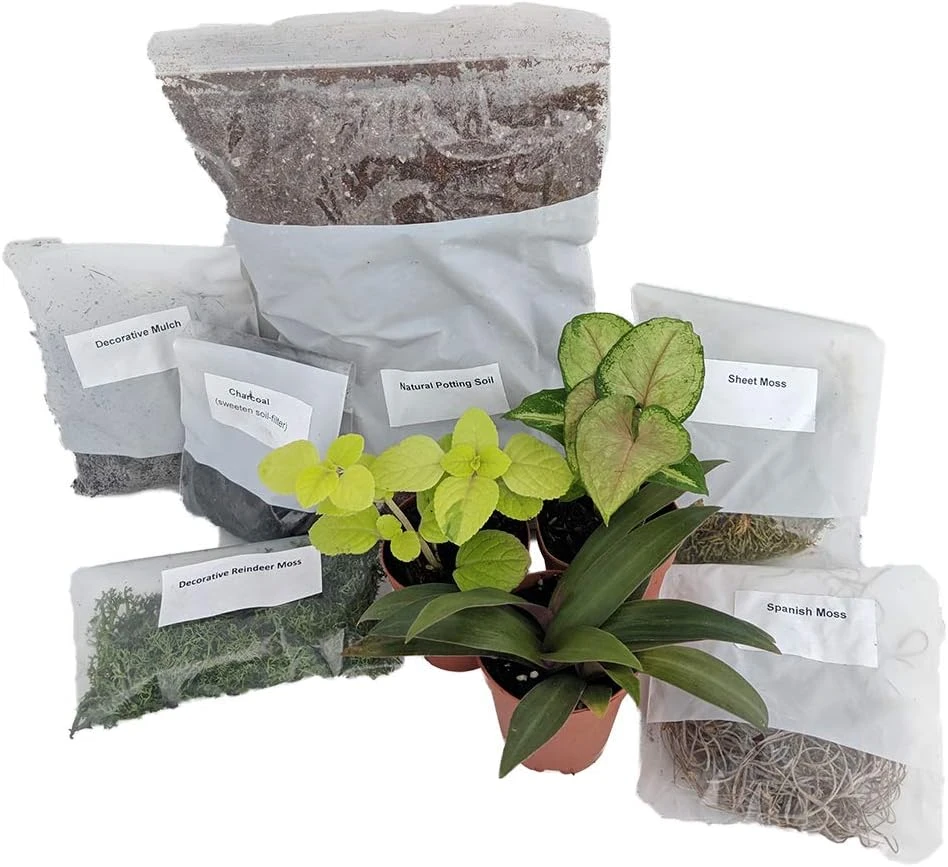
Terrarium Fairy Garden Kit – Create Your Own Living Terrarium with 3 Live Miniature Plants

Reviews
There are no reviews yet.