
Alocasia Tiny Dancer Live Plant – Unique Indoor Houseplant
Original price was: $64.99.$44.99Current price is: $44.99.
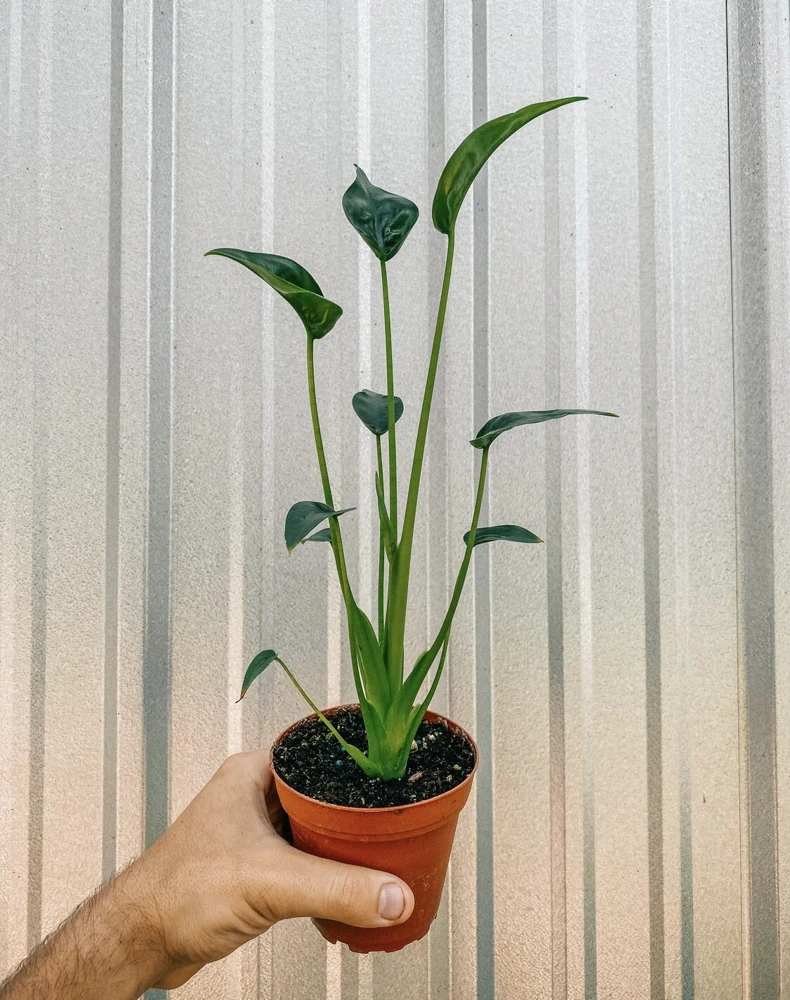
Bring a touch of the exotic to your home with the Alocasia Tiny Dancer live plant. This captivating indoor houseplant features striking, elongated leaves on graceful stems, creating an architectural display. It’s a perfect choice for adding unique foliage to any indoor space.
Estimated arrival
Oct 27
Nov 01 - Nov 03
Nov 06 - Nov 10
Shop With Confidence
30-Day Plant Health Guarantee
Arrives damaged? We’ll replace it free — see our return policy.
Responsive Support
Email us anytime, we reply within 1 business day.
Expert Packaging
Temperature-controlled shipping to protect your plants in transit.
Secure Checkout
Pay safely with Visa, Mastercard, PayPal.
Plant Specifications
-
USDA Hardiness Zone
USDA zones 9-11 (primarily indoor) -
Soil Type
Well-draining, aerated potting mix -
Sunlight Exposure
Bright indirect light -
Expected Planting Period
Year-round indoors
Overview
Introduce a captivating element to your indoor plant collection with the Alocasia Tiny Dancer live plant. This remarkable Alocasia variety is celebrated for its distinctive, elongated leaves that gracefully perch atop slender, arching stems, giving it an elegant, dancer-like appearance. Originating from tropical and subtropical regions of Asia, the Alocasia Tiny Dancer is a rhizomatous perennial that thrives as an indoor houseplant in suitable conditions. Its unique architectural form makes it a focal point in any room, providing a lush, tropical ambiance. This particular variety is known for its compact size, making it an ideal choice for smaller spaces or as part of a larger plant display. The Alocasia Tiny Dancer live plant is a true conversation starter, offering unparalleled visual interest with its vibrant green foliage and intricate structure.
The botanical name, Alocasia ‘Tiny Dancer’, perfectly captures its delicate yet dynamic aesthetic. Unlike some of its larger relatives, the ‘Tiny Dancer’ remains relatively modest in stature, allowing it to fit comfortably on shelves, desks, or windowsills. It’s an excellent choice for both seasoned plant enthusiasts and those looking to expand their indoor jungle with something truly special. Its resilience and striking beauty contribute to its growing popularity as a sought-after indoor Alocasia plant, promising to elevate the aesthetic of your home or office with its unique charm.
Key Benefits
The Alocasia Tiny Dancer live plant offers a multitude of benefits beyond its stunning appearance, making it a rewarding addition to any indoor environment. Its distinctive characteristics contribute significantly to its appeal:
- Exceptional Ornamental Value: The Alocasia Tiny Dancer boasts uniquely shaped, arrow-like leaves that are held upright on slender, arching stems, creating a visually dynamic and elegant silhouette. This makes it an instant focal point and a stunning decorative accent in any interior.
- Compact Growth Habit: Unlike some larger Alocasia species, the ‘Tiny Dancer’ maintains a moderate size, typically reaching about 1-2 feet in height. This compact nature makes it ideal for smaller living spaces, apartments, or as a desk plant where space is at a premium.
- Air Purification Qualities: Like many houseplants, the Alocasia Tiny Dancer live plant contributes to improved indoor air quality by absorbing certain airborne toxins and releasing oxygen. This creates a healthier and more refreshing living environment.
- Adds Tropical Ambiance: With its vibrant green foliage and exotic structure, the Alocasia Tiny Dancer brings a touch of the tropics indoors, transforming any room into a more serene and natural sanctuary. It evokes feelings of relaxation and tranquility.
- Unique Foliage Houseplant: Its specific cultivar, ‘Tiny Dancer’, is prized for its distinctive leaf shape and stem structure, differentiating it from more common houseplants. This provides an opportunity to own a truly unique and artistic botanical specimen.
- Engaging Visual Interest: The way its leaves are held aloft and subtly sway, combined with its rich green color, provides continuous visual interest and a sense of movement, making it a captivating plant to observe.
Plant Care & Growing Tips
Caring for your Alocasia Tiny Dancer live plant involves understanding its specific needs to ensure it thrives and maintains its beautiful, unique foliage. This tropical houseplant prefers a warm, humid environment, mimicking its natural habitat. Provide bright, indirect light; direct sunlight can scorch its delicate leaves, while too little light can lead to leggy growth and dull coloration. An east-facing window is often ideal, or a few feet away from a south or west-facing window with sheer curtains. Consistent humidity is crucial for this indoor Alocasia plant. You can increase humidity by misting daily, placing the pot on a pebble tray with water, or using a humidifier, especially in drier climates or during winter months when indoor heating can reduce air moisture.
Watering should be consistent but careful. Allow the top 1-2 inches of soil to dry out before watering again. Overwatering can lead to root rot, a common issue for Alocasia. Ensure your pot has good drainage holes. Use a well-draining potting mix that retains some moisture but doesn’t become waterlogged. A mix formulated for aroids or tropical plants, often containing peat, perlite, and bark, works well. Fertilize every 2-4 weeks during the growing season (spring and summer) with a balanced liquid fertilizer diluted to half strength. Reduce or stop fertilization during fall and winter. The ideal temperature range for an Alocasia Tiny Dancer care is between 65-80°F (18-27°C). Avoid sudden temperature drops or cold drafts, as these can stress the plant. This plant is generally suited for USDA zones 9-11 if grown outdoors, but it is primarily cultivated as an indoor plant in most regions. Watch out for common pests like spider mites, which can be deterred by maintaining good humidity and regularly inspecting the leaves.
Size & Details
The Alocasia Tiny Dancer live plant typically reaches a mature height of approximately 1 to 2 feet (30-60 cm) and spreads similarly, making it a wonderfully compact and manageable houseplant. It is characterized by its slender, stiff stems that hold the elongated, arrow-shaped leaves upright, creating an elegant, almost sculptural silhouette. Each plant is shipped as a live, established specimen, often in a nursery pot, ready to be acclimated to its new indoor environment. While specific pot sizes may vary, they are generally appropriate for the plant’s current growth stage, allowing for healthy development upon arrival. The growth rate is moderate, with new leaves unfurling regularly during the active growing season under optimal conditions. Expect to see its distinctive foliage develop gradually, contributing to its unique appeal as a unique foliage houseplant.
This plant is cultivated for its ornamental leaves rather than flowers, which are inconspicuous. The root system is rhizomatous, allowing for potential propagation as the plant matures. When considering repotting, choose a pot that is only slightly larger than the current one to prevent the soil from remaining too wet. The ‘Tiny Dancer’ is a delightful choice for those seeking a plant with distinctive form and manageable size, perfect for adding a touch of exotic beauty to shelves, desks, or as part of a diverse plant collection. Its structural elegance and vibrant green leaves make it a standout among other tropical plants.
Frequently Asked Questions
- Q: How big does this plant get? A: The Alocasia Tiny Dancer live plant typically grows to about 1 to 2 feet (30-60 cm) in height and spread, making it a compact choice for indoor spaces. Its size makes it suitable for various placements without overwhelming the area.
- Q: Is this an indoor or outdoor plant? A: While it can tolerate outdoor conditions in very warm, humid climates (USDA zones 9-11), the Alocasia Tiny Dancer is primarily cultivated and thrives as an indoor Alocasia plant in most regions, appreciating consistent temperatures and humidity.
- Q: How much sunlight does it need? A: This plant prefers bright, indirect light. Direct sunlight can cause leaf scorch, while too little light can hinder its growth. An east-facing window or a spot with filtered light is often ideal for optimal Alocasia Tiny Dancer care.
- Q: Is this plant easy to care for? A: The Alocasia Tiny Dancer requires consistent attention to its light, watering, and humidity needs. It’s considered moderately easy to care for, suitable for enthusiasts willing to meet its specific tropical requirements.
- Q: What condition will it arrive in? A: Your Alocasia Tiny Dancer will arrive as a healthy, live plant, typically in a nursery pot with appropriate packaging to ensure its safe journey. It will be ready to be unwrapped and acclimated to its new home.
- Q: Is it pet-safe? A: No, Alocasia plants, including the ‘Tiny Dancer’, are considered toxic if ingested by pets or humans due to calcium oxalate crystals. It’s best to keep this unique foliage houseplant out of reach of curious pets and children.
- Q: How often should I water my Alocasia Tiny Dancer? A: Water when the top 1-2 inches of soil feel dry to the touch. It’s crucial to avoid overwatering, which can lead to root rot. Adjust watering frequency based on environmental factors like humidity and temperature.
- Q: What kind of soil does it prefer? A: A well-draining, aerated potting mix is best. A mix designed for aroids or tropical plants, often containing peat, perlite, and bark, provides the ideal balance of moisture retention and drainage for the Alocasia Tiny Dancer live plant.
- Q: How can I increase humidity for my plant? A: You can increase humidity by regularly misting the leaves, placing the pot on a pebble tray filled with water, or using a room humidifier, especially during dry seasons.
- Q: When is the best time to repot? A: Repot your Alocasia Tiny Dancer when it becomes root-bound, typically every 1-2 years during the spring or early summer growing season. Choose a pot that is only slightly larger than the current one.
Be the first to review “Alocasia Tiny Dancer Live Plant – Unique Indoor Houseplant”
People Also Viewed

Reviews
There are no reviews yet.