
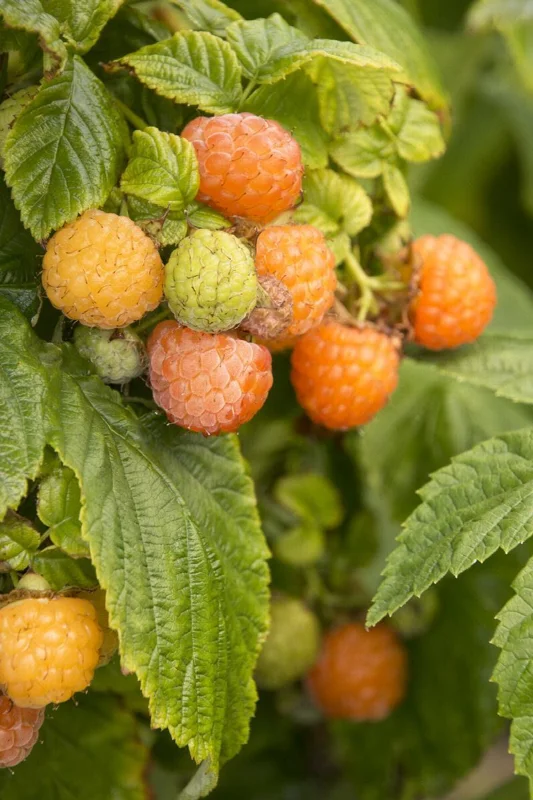
Fall Gold Raspberry Live Plant – 1 ft Tall – Ship in 6 inch Pot – Golden Berries
$49.76
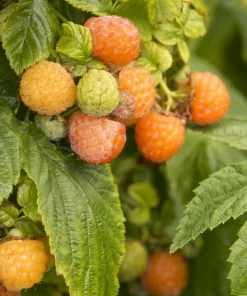
Bring the joy of home-grown fruit to your garden with this fall gold raspberry live plant. Standing 1 foot tall and shipped in a 6-inch pot, this unique variety offers deliciously sweet golden berries and the rare ability to produce two crops per season.
Estimated arrival
Sep 14
Sep 19 - Sep 21
Sep 24 - Sep 28
Shop With Confidence
30-Day Plant Health Guarantee
Arrives damaged? We’ll replace it free — see our return policy.
Responsive Support
Email us anytime, we reply within 1 business day.
Expert Packaging
Temperature-controlled shipping to protect your plants in transit.
Secure Checkout
Pay safely with Visa, Mastercard, PayPal.
Plant Specifications
-
USDA Hardiness Zone
USDA Zones 4-8 -
Soil Type
Well-draining, loamy soil rich in organic matter -
Sunlight Exposure
Full sun (6-8 hours daily) -
Expected Planting Period
Early spring or early fall
Overview
Cultivate the unique and delicious fall gold raspberry live plant in your own garden. This exceptional variety, known for its vibrant golden berries, stands approximately 1 foot tall and is shipped in a 6-inch pot, ready for planting. The golden raspberry plant is a self-fertile cultivar that combines the sweet flavor of traditional red raspberries with a beautiful, eye-catching yellow hue. Unlike many other raspberry varieties, the Fall Gold offers an exciting double harvest, providing a late summer to fall crop, followed by a second flush of berries the subsequent spring on the same canes. This makes it an incredibly productive and rewarding addition for any home gardener looking to enjoy fresh, sweet berries for an extended season. Its deciduous nature ensures robust growth year after year, brightening your garden with its warm yellow fruit.
Key Benefits
The fall gold raspberry live plant offers a multitude of benefits for both novice and experienced gardeners, making it a highly desirable choice for fruit production. Its unique characteristics contribute to a bountiful harvest and easy maintenance.
- Extended Harvest Season: Enjoy not one, but two crops of delicious raspberries each year. This variety produces fruit in late summer to fall and then again the following spring on the same canes, maximizing your fresh berry supply.
- Deliciously Sweet Golden Berries: The fruit of the fall gold raspberry live plant is renowned for its exquisitely sweet flavor, comparable to the best red varieties, but with a unique golden color that adds visual appeal to your desserts and preserves.
- Self-Fertile & Productive: This raspberry bush is self-fertile, meaning a single plant can produce fruit without the need for a second pollinator. This ease of pollination contributes to its consistent and generous yields.
- Versatile Culinary Uses: The sweet golden berries are perfect for fresh eating, adding to breakfast cereals, making jams and preserves, baking into pies, or freezing for later enjoyment.
- Attractive Garden Addition: Beyond its fruit production, the warm yellow berries create a beautiful contrast against the green foliage, making the plant an attractive ornamental feature in any garden or landscape.
- Disease Resistance: Generally robust and resilient, this variety exhibits good resistance to common raspberry diseases, ensuring a healthier plant and a more reliable harvest.
- Easy to Grow: With proper care, the fall gold raspberry live plant is relatively easy to cultivate, making it suitable for gardeners of all skill levels who wish to grow their own berries.
Plant Care & Growing Tips
Caring for your fall gold raspberry live plant is straightforward and ensures a bountiful harvest of delicious golden berries. These plants thrive with consistent attention to their basic needs. Raspberries prefer a location that receives ample sunlight. For optimal fruit production, plant your golden raspberry plant in a spot that gets at least 6-8 hours of direct sunlight per day. Good air circulation is also important to prevent fungal diseases.
When it comes to watering, consistent moisture is key, especially during fruiting periods. The soil should be kept evenly moist but never waterlogged. Deep watering once or twice a week, depending on weather conditions, is usually sufficient. A well-draining soil is crucial; a loamy soil rich in organic matter is ideal. Amend heavy clay soils with compost and sand to improve drainage, or sandy soils with compost to improve water retention. The ideal pH for raspberries is slightly acidic, between 6.0 and 6.8. Fertilize in early spring with a balanced slow-release fertilizer or an organic berry fertilizer. Avoid high-nitrogen fertilizers, which can promote leafy growth at the expense of fruit.
Pruning is essential for maintaining plant health and maximizing yield. Since Fall Gold raspberries produce two crops, they are considered primocane-fruiting (everbearing). For a fall crop and a smaller spring crop, allow primocanes (first-year canes) to fruit in the fall. After they fruit, prune only the tips that produced berries. The following spring, these same canes (now floricanes) will produce a second crop on lower sections. After this second crop, those floricanes should be cut back to the ground. For a single, larger fall crop, you can simply cut all canes back to the ground in late winter or early spring before new growth begins. This method simplifies pruning and often results in a more concentrated fall harvest. Understanding fall gold raspberry care, including proper pruning, will greatly enhance your success.
Size & Details
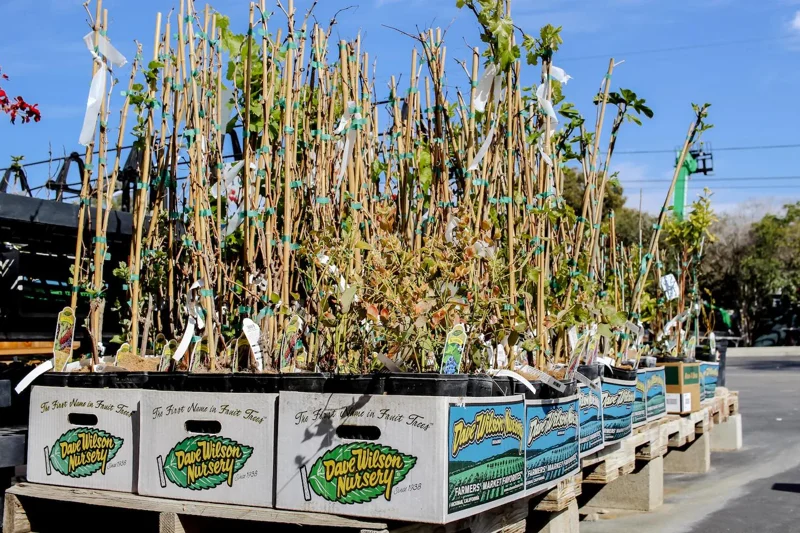
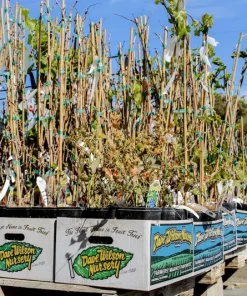
This fall gold raspberry live plant is shipped as a robust specimen, approximately 1 foot tall, and comes planted in a 6-inch nursery pot. This size provides a well-established root system, allowing for a smooth transition to your garden or larger container. The plant is deciduous and will lose its leaves in colder months, re-sprouting vigorously in spring. Expect canes to reach mature heights of 4-6 feet with a similar spread, depending on growing conditions and pruning practices. With proper care, these plants can start producing fruit in their first year, with significant yields in subsequent years. The plant’s vigorous growth habit makes it an excellent choice for trellising or support systems.
Frequently Asked Questions
- Q: How big does this fall gold raspberry live plant get? A: A: This plant typically grows to a height of 4-6 feet with a similar spread, depending on pruning and growing conditions. It is shipped at approximately 1 foot tall.
- Q: What size pot does it come in? A: The fall gold raspberry live plant is shipped in a 6-inch nursery pot, providing a healthy root ball for transplanting.
- Q: Is this an indoor or outdoor plant? A: This is an outdoor plant that thrives in full sun. While it can be started indoors in certain conditions, it is best suited for outdoor garden or large container cultivation for fruit production.
- Q: How much sunlight does it need? A: For optimal fruit production, your golden raspberry plant requires at least 6-8 hours of direct sunlight per day.
- Q: Is this plant easy to care for? A: Yes, Fall Gold raspberries are considered relatively easy to care for, especially with proper pruning and consistent watering, making them suitable for gardeners of all experience levels.
- Q: What condition will it arrive in? A: Your plant will arrive healthy and well-packaged in its 6-inch pot, ready for planting. The plant may or may not have fruit or buds at the time of shipping, depending on the season.
- Q: Is it shipped in soil? A: Yes, the fall gold raspberry live plant is shipped securely in its nursery pot with soil, ensuring its roots remain protected and hydrated during transit.
- Q: How long until it blooms and fruits? A: These plants can often produce a light crop in their first year, with more substantial harvests in subsequent years. They typically fruit in late summer to fall, and then again the following spring.
- Q: When is the best time to plant? A: The best time to plant your raspberry is in early spring after the last frost, or in early fall before the ground freezes, allowing roots to establish.
- Q: Will it survive winter in my zone? A: Fall Gold raspberries are generally hardy in USDA Zones 4-8. In colder zones, you may need to provide winter protection, while in warmer zones, ensure adequate water during hot periods.
Be the first to review “Fall Gold Raspberry Live Plant – 1 ft Tall – Ship in 6 inch Pot – Golden Berries”
People Also Viewed
Reviews
There are no reviews yet.