
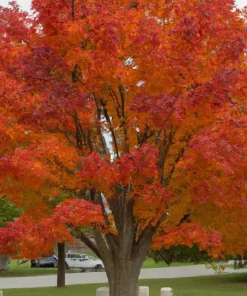
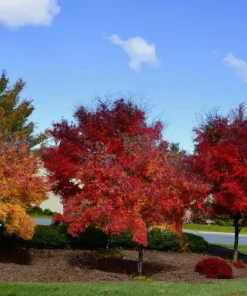
30+ Sugar Maple Tree Seeds (Acer saccharum) – Vibrant Fall Color & Syrup Source
Original price was: $39.99.$14.99Current price is: $14.99.
Cultivate beautiful and beneficial sugar maple tree seeds (Acer saccharum) for your landscape. These seeds will grow into majestic trees renowned for their brilliant fall colors and as a sustainable source for authentic maple syrup. Perfect for outdoor planting and adding significant value to your property.
Estimated arrival
Oct 15
Oct 20 - Oct 22
Oct 25 - Oct 29
Shop With Confidence
30-Day Plant Health Guarantee
Arrives damaged? We’ll replace it free — see our return policy.
Responsive Support
Email us anytime, we reply within 1 business day.
Expert Packaging
Temperature-controlled shipping to protect your plants in transit.
Secure Checkout
Pay safely with Visa, Mastercard, PayPal.
Plant Specifications
-
USDA Hardiness Zone
USDA zones 3-8 -
Soil Type
Well-draining, fertile loam -
Sunlight Exposure
Full sun to partial shade -
Expected Planting Period
Early spring after stratification
Overview
Embark on a rewarding gardening journey by planting these premium sugar maple tree seeds (Acer saccharum). Known for their stunning seasonal transformation, Sugar Maples are a quintessential symbol of the North American landscape, offering spectacular autumn displays of red, orange, and gold. Beyond their aesthetic appeal, these trees are also the primary source for delicious, natural maple syrup, making them a valuable addition to any property. Each packet contains 30+ viable seeds, providing ample opportunity to cultivate your own grove of these magnificent trees. Growing a sugar maple tree from seed is a fulfilling project, connecting you directly with nature’s cycles and providing long-term benefits.
The Acer saccharum seeds provided are ideal for gardeners and enthusiasts looking to establish a sustainable and beautiful tree presence. Whether you aim to create a vibrant fall landscape, contribute to local wildlife habitats, or eventually tap your own maple syrup, these seeds offer a promising start. With proper care and patience, you can watch these small seeds develop into towering trees, providing shade, beauty, and a unique natural resource for decades to come.
Key Benefits
Growing sugar maple tree seeds offers a multitude of benefits, enhancing your property and providing enjoyable experiences:
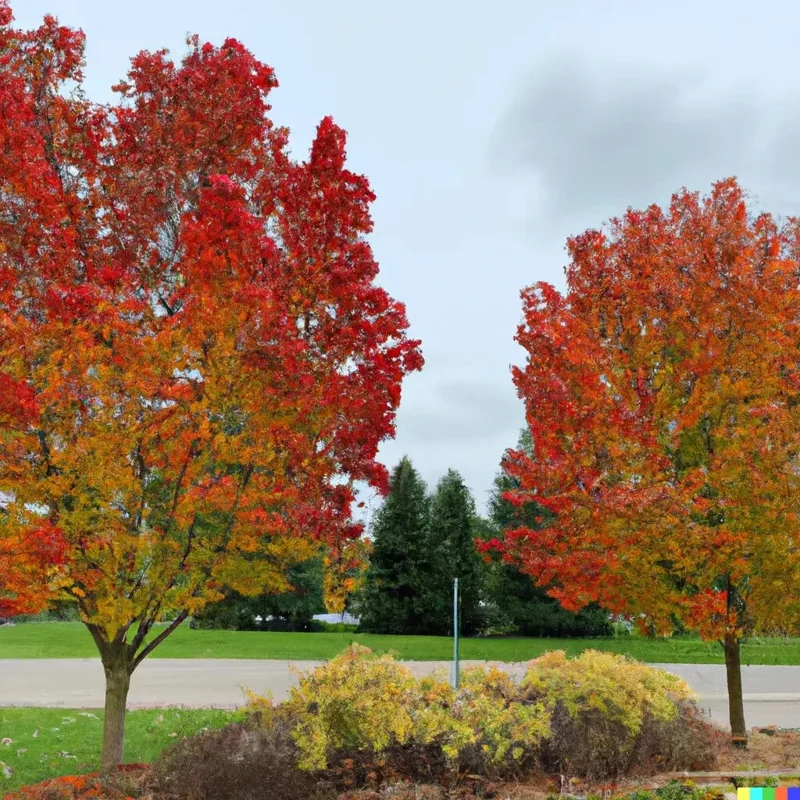
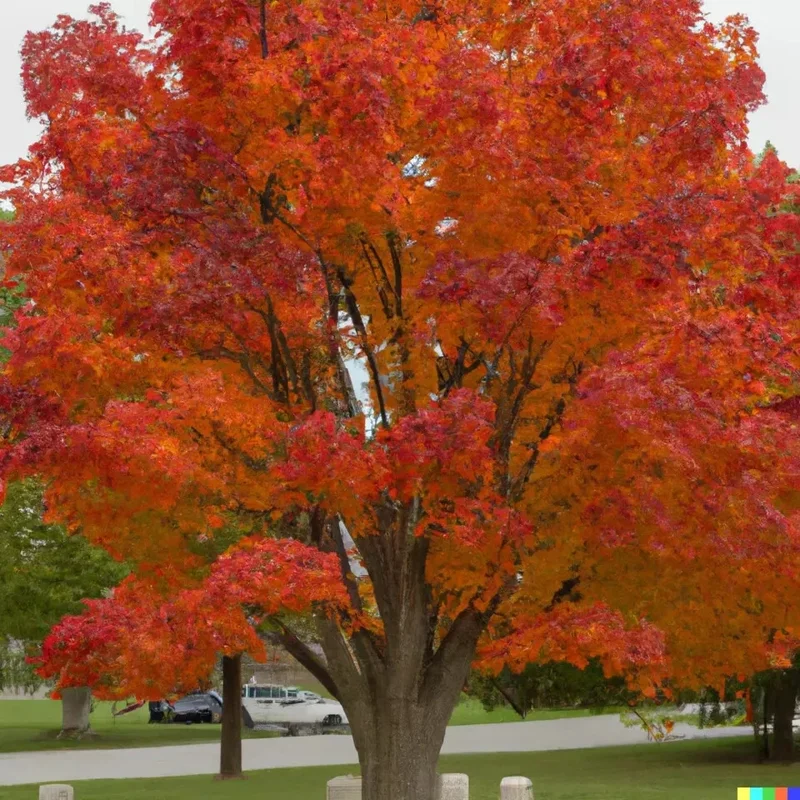
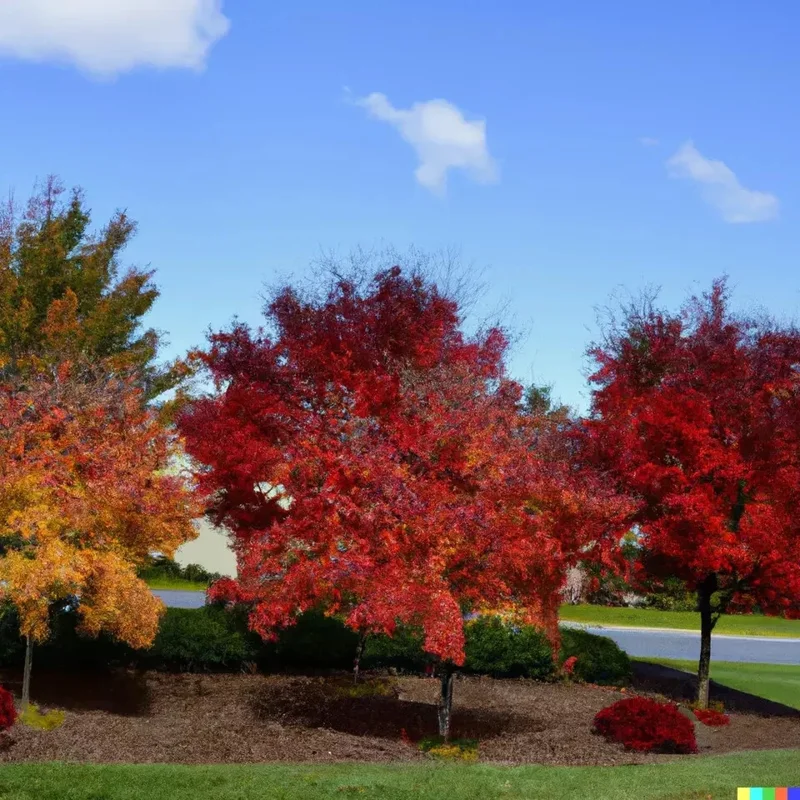
- Spectacular Fall Foliage: The most iconic feature of the Sugar Maple is its breathtaking autumn display. Leaves transform into brilliant shades of crimson, orange, and gold, providing unparalleled seasonal beauty that will be the envy of your neighborhood.
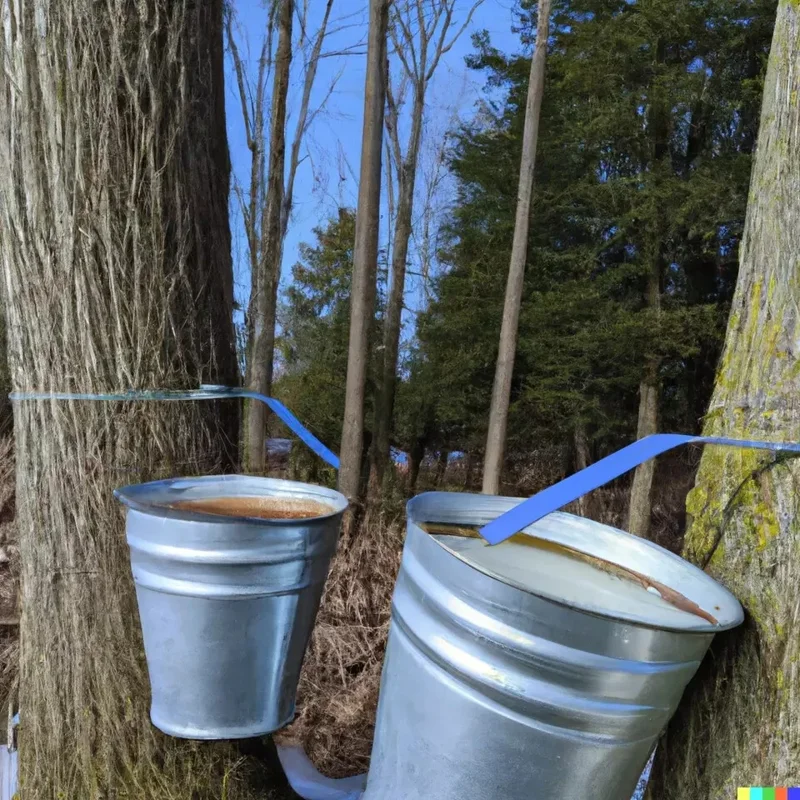
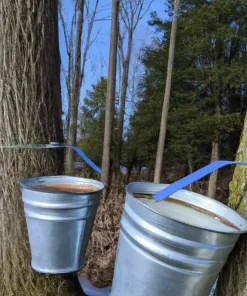
- Sustainable Maple Syrup Source: These trees are the traditional source of maple sap, which can be boiled down to create pure, delicious maple syrup. Cultivating a maple syrup tree allows for a sustainable, natural food source right in your backyard.
- Shade and Landscape Value: As they mature, Sugar Maples grow into large, stately trees, providing excellent shade during warm months. Their majestic presence significantly enhances landscape aesthetics and can increase property value.
- Wildlife Habitat: Sugar Maples provide food and shelter for various wildlife, including birds and small mammals, contributing to local biodiversity and ecological balance.
- Long Lifespan: Sugar Maples are known for their longevity, often living for hundreds of years. Planting these sugar maple tree seeds is an investment that will benefit generations.
- Cold Resistant: These trees are naturally hardy and well-adapted to colder climates, thriving in a wide range of USDA zones and enduring harsh winter conditions.
- Edible Product: Beyond syrup, the sap can also be consumed directly as a refreshing beverage, and the inner bark can be eaten, though syrup production is the most common edible use.
Plant Care & Growing Tips
Successfully growing sugar maple tree seeds requires understanding their specific needs. Sugar Maples thrive in a variety of conditions but prefer well-drained, fertile soil. For optimal growth, these seeds typically require stratification, a process that mimics natural winter conditions to break dormancy. This can be achieved by placing the seeds in a moist medium (like sand or peat moss) in a refrigerator for 90-120 days before planting. Once stratified, sow the seeds about 1/2 inch deep in a prepared seedbed or individual pots.
Sunlight requirements for young Sugar Maples include full sun to partial shade, meaning at least 6 hours of direct sunlight per day. While mature trees prefer full sun, some afternoon shade can be beneficial for seedlings in very hot climates. Watering should be consistent, especially during dry periods. Keep the soil moist but not waterlogged. Once established, Sugar Maples are relatively drought-tolerant but will benefit from deep watering during prolonged dry spells. The ideal soil type is well-draining loam with a slightly acidic to neutral pH (6.0-7.0). Avoid heavy clay soils or excessively sandy soils. Fertilization is generally not necessary for established trees in good soil, but young seedlings can benefit from a balanced, slow-release fertilizer. These trees are cold resistant, thriving in USDA zones 3-8, making them suitable for many regions. Be mindful of common pests like aphids and diseases such as tar spot, treating them promptly if observed to ensure healthy growth of your fall color tree.
Size & Details
This package contains 30+ sugar maple tree seeds, providing a generous quantity for successful germination and growth. Sugar Maples are deciduous trees that can reach impressive sizes, typically growing 80-120 feet tall with a spread of 40-60 feet at maturity. Their growth rate is moderate, averaging 1-2 feet per year under ideal conditions. The seeds are shipped in a protective packet to ensure viability upon arrival. Expect germination to occur in the spring following stratification, with seedlings emerging a few weeks after planting. The tree will develop its characteristic strong central leader and dense canopy over time. These acer saccharum seeds offer the potential for a majestic, long-lasting addition to your landscape, providing beauty and resources for generations.
Frequently Asked Questions
- Q: How big does a Sugar Maple tree get? A: A mature Sugar Maple typically reaches a height of 80-120 feet with a spread of 40-60 feet. They are large, stately trees that require ample space to grow to their full potential.
- Q: How much sunlight does a Sugar Maple need? A: Sugar Maples prefer full sun, which means at least 6 hours of direct sunlight per day. While seedlings can tolerate some partial shade, mature trees thrive and produce the best fall colors in full sun.
- Q: Is this tree easy to care for? A: Once established, Sugar Maples are relatively low-maintenance. The initial stratification and careful watering of seedlings are the most crucial steps. They are a good choice for gardeners looking for a long-term, rewarding project.
- Q: What condition will the sugar maple tree seeds arrive in? A: The seeds will arrive in a well-packaged, protected state, ensuring their viability for planting. They will be ready for stratification or immediate planting if already stratified.
- Q: Can I really make maple syrup from these trees? A: Yes, Sugar Maples (Acer saccharum) are the primary source for producing maple syrup. Once the tree reaches a diameter of at least 10-12 inches (typically around 30-40 years old), it can be tapped for sap.
- Q: When is the best time to plant acer saccharum seeds? A: After stratification, the best time to plant the seeds is in early spring, once the danger of hard frost has passed. This allows the seedlings to establish themselves during the growing season.
- Q: Will a fall color tree like the Sugar Maple survive winter in my zone? A: Sugar Maples are highly cold resistant and are hardy in USDA Zones 3-8. This means they can tolerate very cold winter temperatures common in many parts of the United States.
- Q: What kind of soil is best for growing sugar maple tree seeds? A: Sugar Maples prefer well-draining, fertile soil. Loamy soil with a slightly acidic to neutral pH (6.0-7.0) is ideal for healthy growth and development.
- Q: How long does it take for a Sugar Maple to show significant fall color? A: While young trees may show some color, the most vibrant and extensive fall foliage typically develops as the tree matures, usually after several years of growth.
- Q: Are these seeds suitable for creating a maple syrup tree farm? A: Yes, these seeds are perfect for starting a maple syrup farm or adding to an existing sugarbush. Growing from seed allows for a cost-effective way to establish many trees over time.
Be the first to review “30+ Sugar Maple Tree Seeds (Acer saccharum) – Vibrant Fall Color & Syrup Source”
People Also Viewed

Flower Seeds
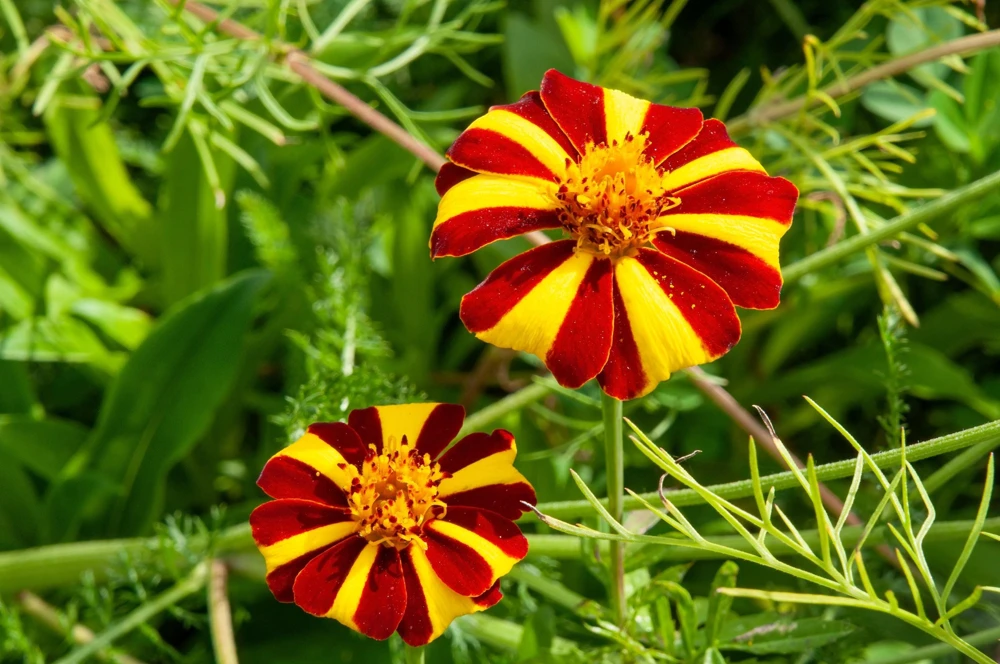
Court Jester Marigold Seeds – French Tagetes Patula Nana – Red Yellow Striped Flowers – 100 Seeds
Flower Seeds
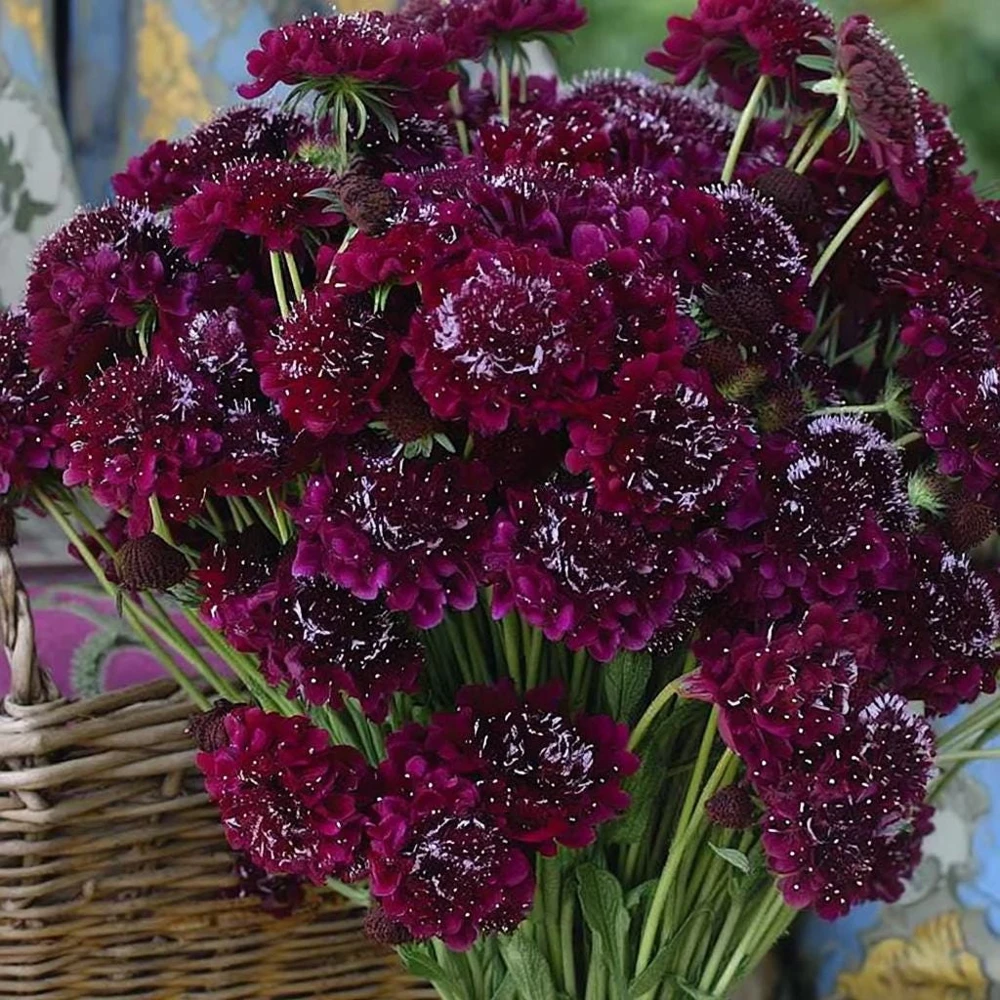
Scabiosa Merlot Red Seeds – 50 Count – Deep Red Pincushion Blooms – Attracts Pollinators
Shrubs
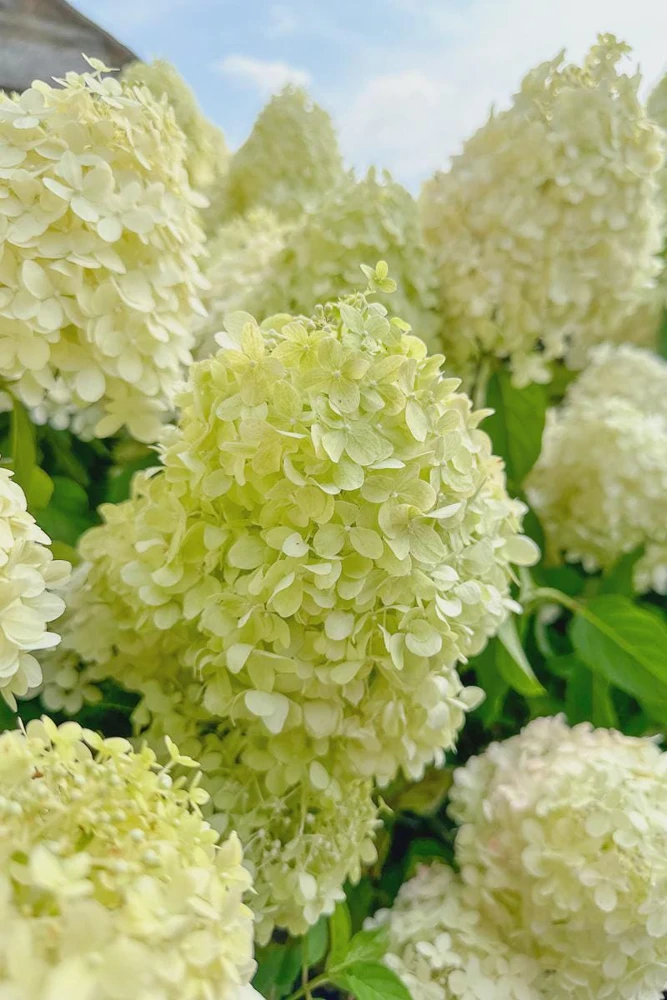
Silver Dollar Hydrangea Live Plant – 4 inch Pot – Creamy White to Pink Blooms – Outdoor Shrub
Reviews
There are no reviews yet.