
Post Oak Live Tree Plant – Quercus stellata – 18+ Inches Tall – Outdoor Shade Tree
Original price was: $75.39.$55.39Current price is: $55.39.
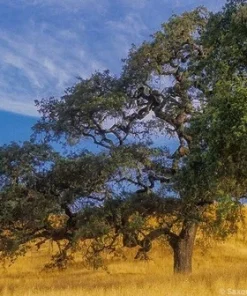
Bring home a robust post oak live plant (Quercus stellata) for your landscape. This resilient, native North American oak tree is known for its distinctive foliage and strong branches, growing over 18 inches tall. Ideal for creating natural habitats and providing ample shade, it’s a perfect addition to any outdoor garden.
Estimated arrival
Oct 15
Oct 20 - Oct 22
Oct 25 - Oct 29
Shop With Confidence
30-Day Plant Health Guarantee
Arrives damaged? We’ll replace it free — see our return policy.
Responsive Support
Email us anytime, we reply within 1 business day.
Expert Packaging
Temperature-controlled shipping to protect your plants in transit.
Secure Checkout
Pay safely with Visa, Mastercard, PayPal.
Plant Specifications
-
USDA Hardiness Zone
USDA Zones 5-9 -
Soil Type
Well-draining soil, adaptable to various types -
Sunlight Exposure
Full sun -
Expected Planting Period
Late fall or early spring
Overview
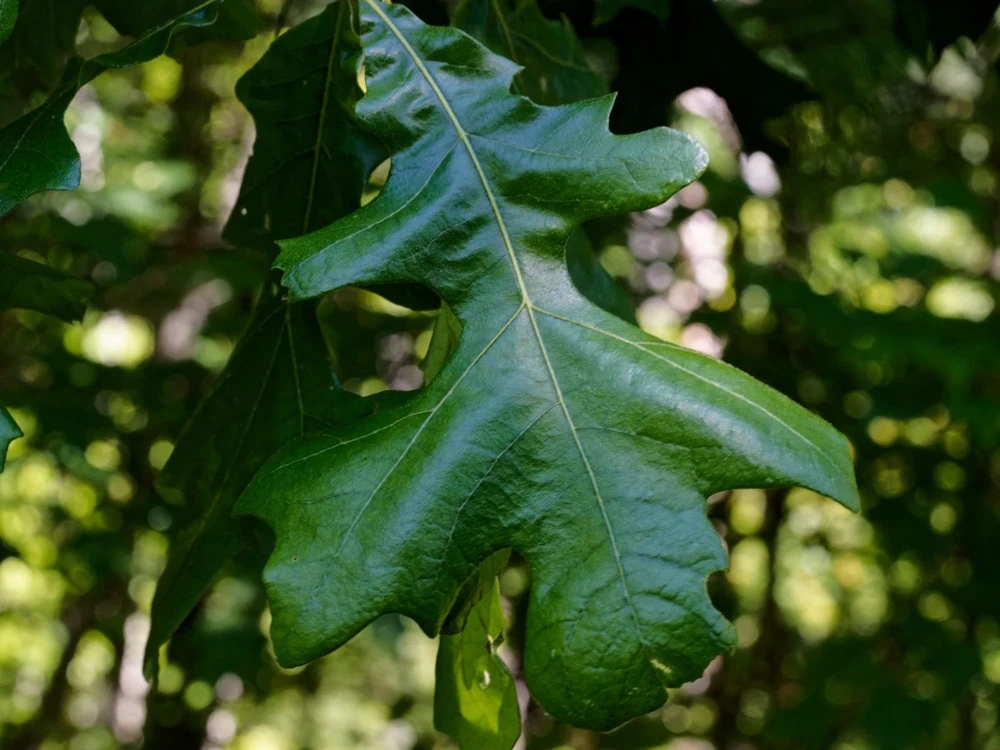
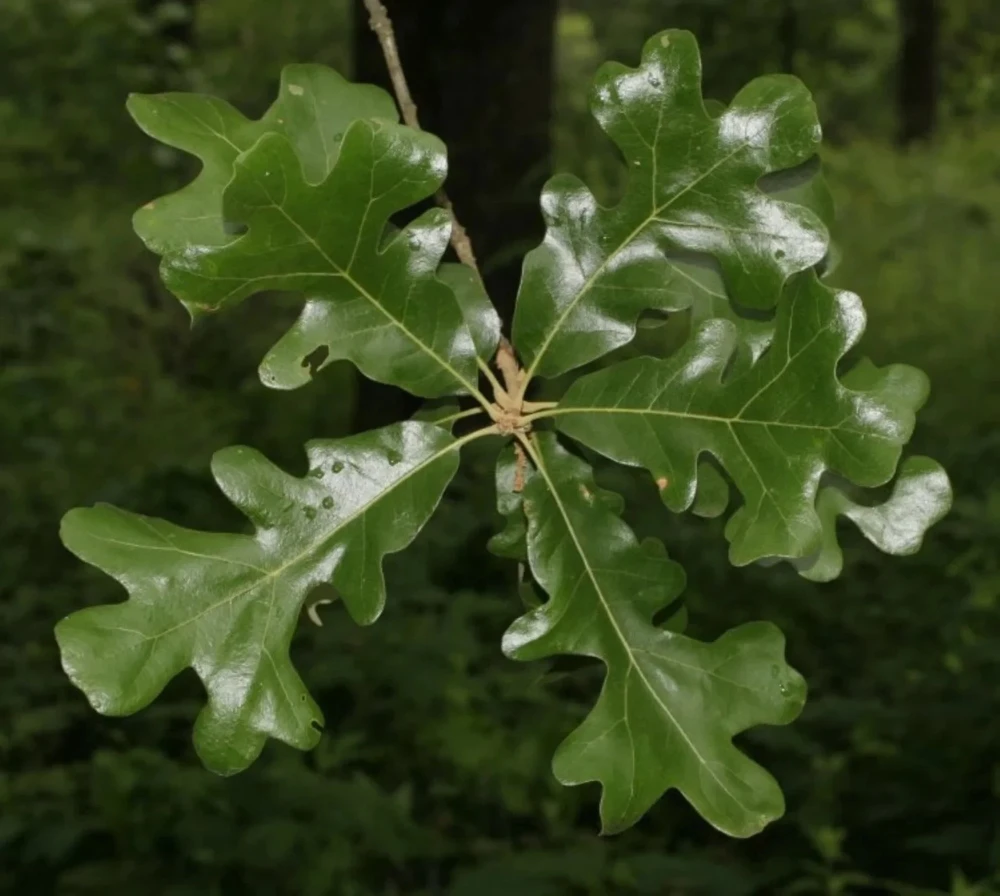
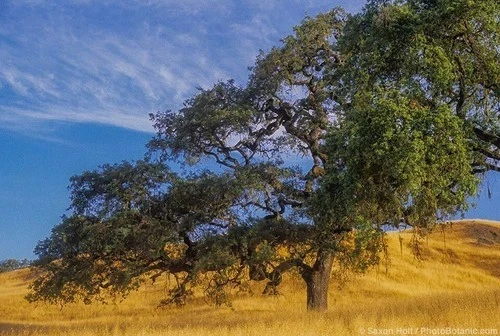
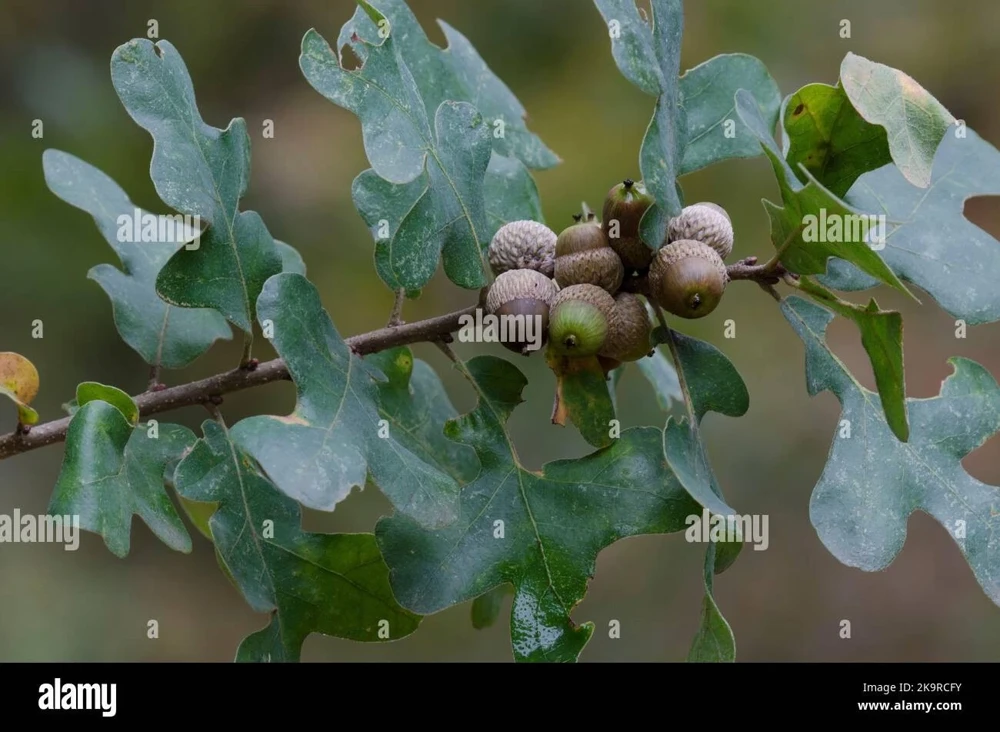
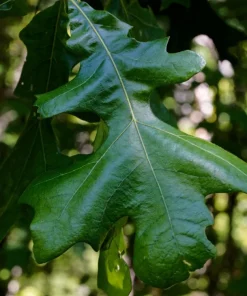
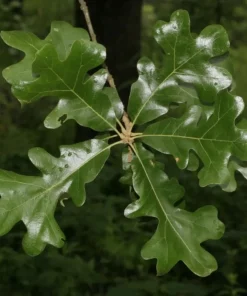
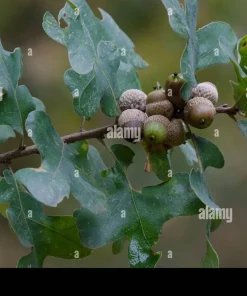
Cultivate a piece of American heritage with a post oak live plant (Quercus stellata). This iconic native tree is celebrated for its rugged beauty, adaptability, and significant ecological value. Growing to over 18 inches tall, this seedling offers a fantastic opportunity to establish a long-lived, majestic tree in your garden or property. The Post Oak, also known as Iron Oak due to its dense wood, is a medium-sized deciduous oak that thrives in a variety of conditions, making it a favorite for landscaping and reforestation efforts. Its distinctively lobed leaves, often described as cruciform (cross-shaped), provide rich green foliage during spring and summer, transitioning to attractive shades of brown, gold, and green in the fall. If you’re looking for a hardy, long-term investment in your landscape, a quercus stellata tree is an excellent choice, providing beauty, shade, and wildlife support for generations.
The Post Oak is particularly valued for its resilience to drought and its ability to grow in poor, dry soils where many other trees struggle. This makes it an ideal native oak tree for sustainable landscaping projects. Its acorns provide a vital food source for various wildlife, including deer, squirrels, and birds, contributing to local biodiversity. By planting a post oak live plant, you’re not just adding a tree to your yard; you’re fostering a thriving ecosystem and creating a legacy of natural beauty.
Key Benefits
The post oak live plant offers a multitude of advantages for any landscape, blending aesthetic appeal with ecological benefits and remarkable resilience. Its presence can transform a simple yard into a vibrant natural space.
- Exceptional Drought Tolerance: Once established, the Post Oak is incredibly tolerant of dry conditions, making it a low-maintenance choice for regions with infrequent rainfall. This resilience ensures your quercus stellata tree remains healthy even during extended dry spells, reducing the need for constant irrigation.
- Ecological Value: As a native oak tree, it provides crucial habitat and food for a wide array of wildlife. Its acorns are a significant food source, supporting local ecosystems and biodiversity.
- Long-Lived Shade: Post Oaks are known for their longevity and strong, spreading canopy, which will eventually provide dense, cooling shade for your home and garden, reducing energy costs and creating comfortable outdoor living spaces. This makes it an excellent shade tree for garden and yards alike.
- Attractive Foliage: The unique, deeply lobed leaves offer a distinct texture and color to the landscape, creating visual interest throughout the growing season and providing subtle autumn hues.
- Hardy & Adaptable: This species is highly adaptable to various soil types and can withstand challenging environmental conditions, including poor soil quality and urban environments, making it a robust choice for many planting locations. Its hardiness contributes to it being a truly drought tolerant tree.
- Low Maintenance: After establishment, Post Oaks require minimal care, making them an ideal choice for gardeners seeking a beautiful yet undemanding addition to their landscape.
- Strong Wood: The dense, strong wood of the Post Oak provides excellent structural integrity, making it resistant to storm damage and a reliable long-term landscape feature.
Plant Care & Growing Tips
Caring for your post oak live plant is relatively straightforward, especially once it’s established. Understanding its specific needs will ensure vigorous growth and a healthy, long-lived tree. For optimal growth, select a site that receives full sun, meaning at least 6 hours of direct sunlight per day. While it can tolerate some partial shade, full sun promotes the strongest growth and best form for your quercus stellata tree.
When it comes to watering, the Post Oak prefers well-draining soil and is highly tolerant of dry conditions once mature. During the first year after planting, regular watering is crucial to help establish a strong root system. Water deeply once or twice a week, allowing the top few inches of soil to dry out between waterings. After the first year, supplemental watering is generally only needed during prolonged periods of drought. Regarding soil, this native oak tree is remarkably adaptable and can thrive in a range of soil types, from sandy to clay, as long as drainage is adequate. It prefers slightly acidic to neutral pH soils. Avoid planting in consistently wet or poorly draining areas, as this can lead to root rot. If your soil is heavy clay, consider amending it with organic matter to improve drainage.
The Post Oak is a resilient species, comfortable in USDA Hardiness Zones 5-9. It can withstand a wide range of temperatures, from cold winters to hot summers. Fertilization is typically not necessary for established trees, especially if they are growing in reasonably fertile soil. For young trees, a balanced, slow-release fertilizer can be applied in spring to encourage growth, but avoid over-fertilizing, which can burn the roots. Pruning should focus on removing dead, damaged, or crossing branches to maintain a strong structure and healthy canopy. Early training to develop a central leader can be beneficial. With proper care, your drought tolerant tree will flourish, becoming a magnificent feature of your landscape.
Size & Details
This post oak live plant is currently over 18 inches tall, providing a significant head start for establishing a majestic tree in your landscape. It is typically shipped as a bare-root seedling, ensuring minimal stress during transit and allowing for easy planting upon arrival. While exact mature size can vary based on growing conditions, Post Oaks generally reach heights of 40-70 feet with a similar spread, forming a broad, rounded canopy. The growth rate is moderate, allowing you to enjoy its development over the years. Expect the tree to begin producing acorns once it reaches maturity, typically around 20-30 years of age, providing a valuable food source for local wildlife. This specimen offers a robust foundation for a future shade tree for garden.
Frequently Asked Questions
- Q: How big will my Post Oak tree get? A: A mature post oak live plant typically reaches heights of 40-70 feet with a similar spread, forming a broad, rounded canopy. Its ultimate size depends on growing conditions and location.
- Q: Is this an indoor or outdoor plant? A: The Post Oak (Quercus stellata) is an outdoor tree. It requires ample space and sunlight to grow into its full, majestic form and is not suitable for indoor cultivation.
- Q: How much sunlight does a Post Oak need? A: A quercus stellata tree thrives in full sun, requiring at least 6 hours of direct sunlight per day for optimal growth and health. It can tolerate some partial shade but will grow best in brighter conditions.
- Q: What condition will the plant arrive in? A: This post oak live plant is typically shipped as a bare-root seedling, carefully packaged to ensure its health and viability upon arrival. It will be ready for immediate planting.
- Q: Is this tree considered a drought tolerant tree? A: Yes, the Post Oak is renowned for its excellent drought tolerance once established. It is well-suited for areas with dry spells and can thrive with minimal supplemental watering in such conditions.
- Q: When is the best time to plant a Post Oak? A: The best time to plant a Post Oak is generally in late fall after dormancy or in early spring before new growth begins, allowing the roots to establish before extreme weather.
- Q: What USDA Hardiness Zones is the Post Oak suitable for? A: The Post Oak is a hardy native oak tree suitable for USDA Hardiness Zones 5 through 9, capable of withstanding a wide range of temperatures.
- Q: Is the Post Oak a good shade tree for garden use? A: Absolutely! With its strong, spreading branches and dense foliage, the Post Oak develops into an excellent shade tree for garden and landscape settings, providing significant cooling and comfort.
Be the first to review “Post Oak Live Tree Plant – Quercus stellata – 18+ Inches Tall – Outdoor Shade Tree”
People Also Viewed
Flower Plants
Madagascar Hibiscus Moscheutos Mallow Starter Live Plant – Rose Mallow – Indoor & Outdoor


Flower Seeds
Reviews
There are no reviews yet.