
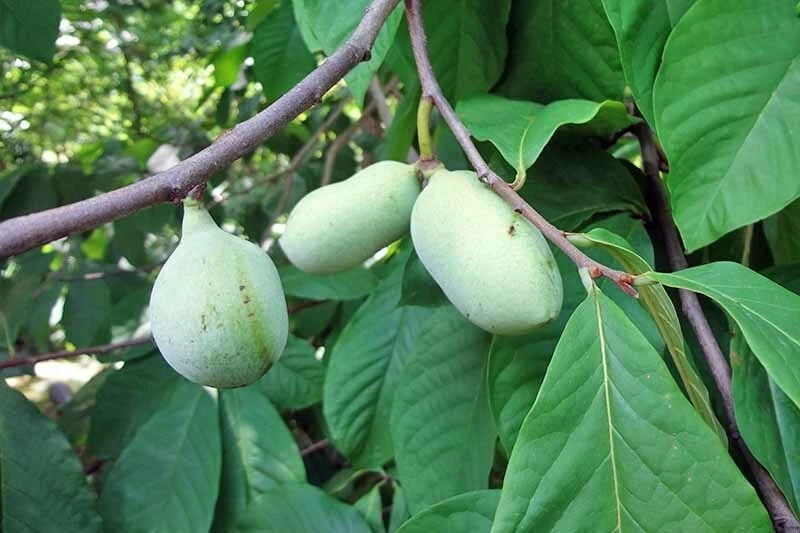
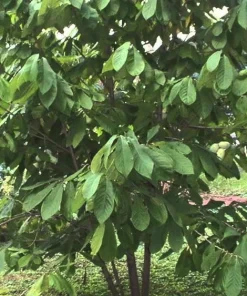
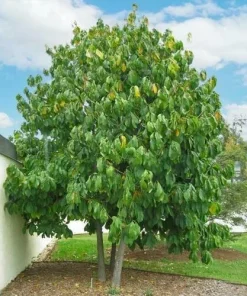
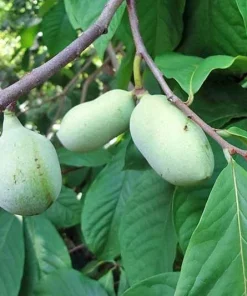
Paw Paw Live Plant (Asimina triloba) – 8-12 Inch Fruit Tree for Outdoor Planting
Original price was: $41.79.$21.79Current price is: $21.79.
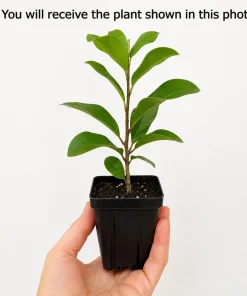
Cultivate your own native American fruit with this paw paw live plant. This asimina triloba tree, measuring 8 to 12 inches, is ideal for outdoor planting and will eventually bear delicious, creamy fruit. Perfect for adding a unique edible landscape feature.
Estimated arrival
Oct 15
Oct 20 - Oct 22
Oct 25 - Oct 29
Shop With Confidence
30-Day Plant Health Guarantee
Arrives damaged? We’ll replace it free — see our return policy.
Responsive Support
Email us anytime, we reply within 1 business day.
Expert Packaging
Temperature-controlled shipping to protect your plants in transit.
Secure Checkout
Pay safely with Visa, Mastercard, PayPal.
Plant Specifications
-
USDA Hardiness Zone
USDA Zones 5-9 -
Soil Type
Deep, fertile, well-draining soil -
Sunlight Exposure
Partial shade (young plant), Full sun (mature tree) -
Expected Planting Period
Early spring or fall
Overview
Bring a taste of native America to your garden with this exceptional paw paw live plant. Scientifically known as Asimina triloba, the paw paw tree is a fascinating and increasingly popular addition to edible landscapes across the United States. This listing offers a healthy, young asimina triloba tree, typically measuring between 8 to 12 inches in height, ready to establish itself in your outdoor space. Known for its distinct tropical-like flavor, often compared to a banana-mango custard, the paw paw is the largest edible fruit native to North America. Unlike many common fruit trees, the paw paw boasts a unique charm and hardiness, thriving in a range of climates. Planting a paw paw fruit tree not only provides you with delicious, homegrown produce but also contributes to local biodiversity, attracting beneficial pollinators. Get ready to embark on a rewarding gardening journey with this unique and resilient fruit-bearing tree.
Key Benefits
Choosing to grow a paw paw live plant offers a multitude of benefits, from its delectable fruit to its ecological contributions. This remarkable tree provides a unique edible experience and enhances your garden’s appeal.
- Delicious, Unique Fruit: Enjoy the custard-like, sweet flavor of paw paw fruit, a rare treat not typically found in grocery stores. The fruit is rich in vitamins and minerals, offering a healthy and exotic snack straight from your garden.
- Native & Hardy: As North America’s largest native fruit, the asimina triloba tree is well-adapted to various climates, especially in USDA zones where many tropical fruits cannot survive. It’s a low-maintenance choice once established.
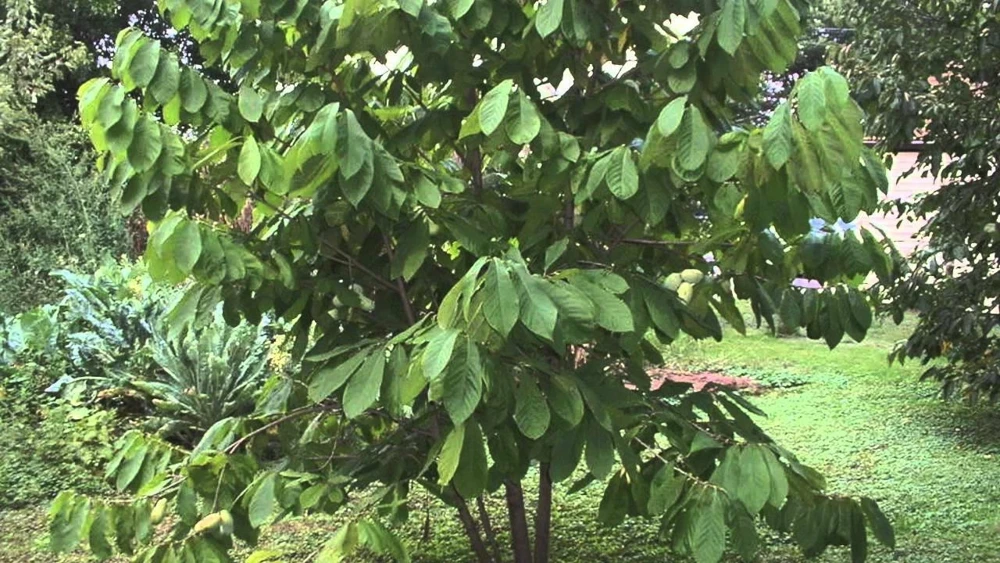
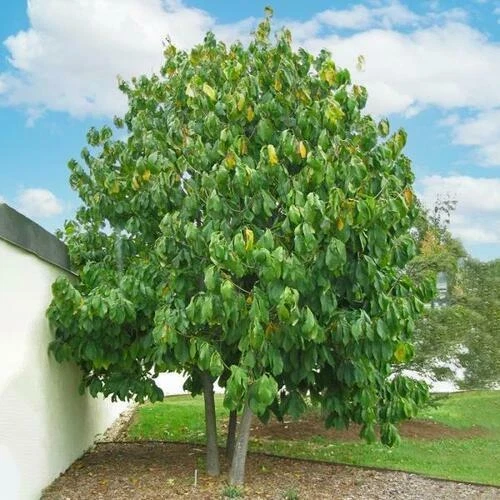
- Attractive Landscape Addition: With its large, dark green leaves and unique purplish-brown flowers, the paw paw tree adds an interesting ornamental element to your garden, providing shade and visual interest.
- Pollinator Friendly: The tree’s unique flowers attract specific native pollinators, contributing to the health and biodiversity of your local ecosystem.
- Pest Resistant: Paw paws generally suffer from fewer pest and disease issues compared to more common fruit trees, making growing paw paw a less demanding endeavor for gardeners.
- Shade Tolerant Young Plant: While mature trees prefer full sun for best fruit production, young paw paw trees benefit from some shade, making them versatile for initial planting locations.
- Sustainable Choice: By cultivating native plants like the paw paw live plant, you support local wildlife and promote sustainable gardening practices.
Plant Care & Growing Tips
Caring for your paw paw live plant is a rewarding experience, leading to bountiful harvests of delicious fruit. While relatively low-maintenance once established, understanding its specific needs will ensure optimal growth and fruit production. Young asimina triloba tree saplings, like the 8-12 inch plant offered, benefit from partial shade for their first year or two, protecting them from intense direct sunlight. As they mature, they will thrive in full sun, which is crucial for maximizing fruit yield. Consider planting them in an area that receives morning sun and afternoon shade initially, gradually exposing them to more light.
Growing paw paw trees prefer deep, fertile, well-drained soil with a slightly acidic to neutral pH (6.0-7.0). Amend heavy clay soils with organic matter to improve drainage and aeration. Consistent moisture is vital during the establishment phase; water regularly, especially during dry periods, but avoid waterlogging. Once mature, paw paws become quite drought-tolerant. Fertilize sparingly in the spring with a balanced, slow-release fertilizer, or use compost around the base of the tree. Paw paw trees are generally hardy in USDA Zones 5-9. Pruning is usually minimal, focusing on removing dead, damaged, or crossing branches to maintain good air circulation and shape. Watch out for common pests like the paw paw peduncle borer or the zebra swallowtail butterfly larvae, though serious infestations are rare. Proper care will ensure your paw paw fruit tree flourishes.
Size & Details
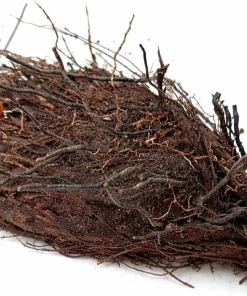
This offering is for a healthy paw paw live plant, typically ranging from 8 to 12 inches in height. These young trees are generally shipped as bare-root seedlings, meaning they are carefully dug from the ground with their roots protected, ready for immediate planting upon arrival. While exact growth rates vary based on climate and care, a well-cared-for asimina triloba tree can establish quickly and begin fruiting within 3-5 years. The mature size of a paw paw tree can reach 15-20 feet tall and 10-15 feet wide, forming a beautiful small understory tree, especially when growing paw paw in an suitable environment. For optimal fruit production, it is often recommended to plant at least two different varieties for cross-pollination, although some varieties are self-fertile to a degree. This particular plant is a single specimen, perfect for starting your paw paw collection.
Frequently Asked Questions
- Q: How big does this plant get? A: This paw paw live plant is currently 8-12 inches tall. When mature, a asimina triloba tree typically reaches a height of 15-20 feet and a width of 10-15 feet, making it a medium-sized fruit tree suitable for many home gardens.
- Q: What size pot does it come in? A: This plant is typically shipped as a bare-root seedling, meaning it does not come in a pot. The roots are carefully packaged to ensure freshness during transit, and it is ready for direct planting into your garden or a larger pot upon arrival.
- Q: Is this an indoor or outdoor plant? A: The paw paw fruit tree is an outdoor plant. While young saplings can benefit from some initial protection, they are deciduous fruit trees that require outdoor conditions, including seasonal changes, to thrive and produce fruit.
- Q: How much sunlight does it need? A: Young paw paw live plant saplings prefer partial shade for their first 1-2 years. Mature trees, however, require full sun (at least 6-8 hours of direct sunlight) for the best fruit production. Gradual acclimatization to full sun is recommended as the plant grows.
- Q: Is this plant easy to care for? A: Yes, paw paw trees are considered relatively easy to care for once established. They are quite hardy and resistant to many common pests and diseases, making growing paw paw a good choice for gardeners seeking a low-maintenance fruit tree.
- Q: What condition will it arrive in? A: Your asimina triloba tree will arrive as a carefully packaged bare-root plant, ensuring its health and vitality during shipping. The roots will be protected to prevent drying out, and the plant will be dormant or semi-dormant, ready for planting.
- Q: Can I use paw paw fruit in cooking? A: Absolutely! Paw paw fruit is highly versatile. It can be eaten fresh, used in smoothies, baked into pies, custards, and bread, or even made into ice cream. Its unique flavor profile is a culinary delight.
- Q: How long until it blooms and fruits? A: A paw paw live plant typically begins blooming and producing fruit within 3-5 years after planting, depending on growing conditions and care. Patience is key, but the wait is well worth it for the delicious harvest.
- Q: Will it survive winter in my zone? A: Paw paw trees are cold-hardy and thrive in USDA Hardiness Zones 5-9. They are deciduous, meaning they will lose their leaves in winter and go dormant, which is a natural part of their life cycle.
- Q: What’s the best time for planting? A: The best time for planting a bare-root paw paw live plant is in early spring, after the last frost, or in the fall, allowing the roots to establish before extreme temperatures. This helps ensure successful establishment and growth.
Be the first to review “Paw Paw Live Plant (Asimina triloba) – 8-12 Inch Fruit Tree for Outdoor Planting”
People Also Viewed

Herb Seeds
Stevia Rebaudiana Seeds – Natural Sweetener Herb Seeds (0.5g) – Organic Non-GMO Perennial
Reviews
There are no reviews yet.