


Stevia Rebaudiana Seeds – Natural Sweetener Herb Seeds (0.5g) – Organic Non-GMO Perennial
Original price was: $42.99.$17.99Current price is: $17.99.
Cultivate your own source of natural sweetness with stevia rebaudiana seeds. This packet contains over 400 organic stevia seeds (0.5g) to grow a natural sweetener plant. Perfect for both indoor and outdoor gardening, these non-GMO perennial herb seeds are easy to grow and offer a sustainable alternative to artificial sweeteners.
Estimated arrival
Oct 15
Oct 20 - Oct 22
Oct 25 - Oct 29
Shop With Confidence
30-Day Plant Health Guarantee
Arrives damaged? We’ll replace it free — see our return policy.
Responsive Support
Email us anytime, we reply within 1 business day.
Expert Packaging
Temperature-controlled shipping to protect your plants in transit.
Secure Checkout
Pay safely with Visa, Mastercard, PayPal.
Plant Specifications
-
USDA Hardiness Zone
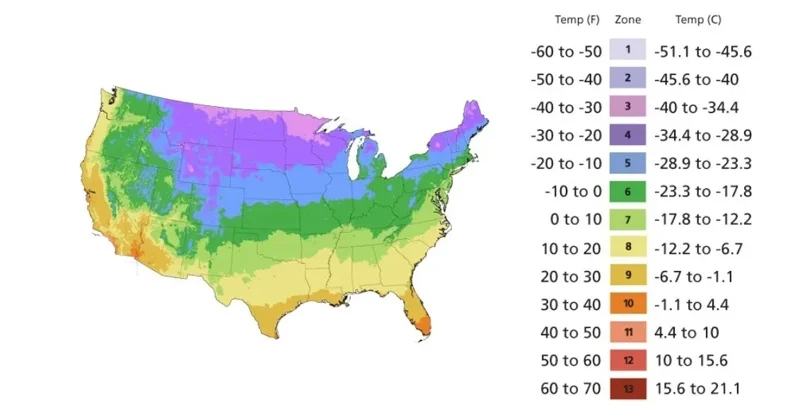
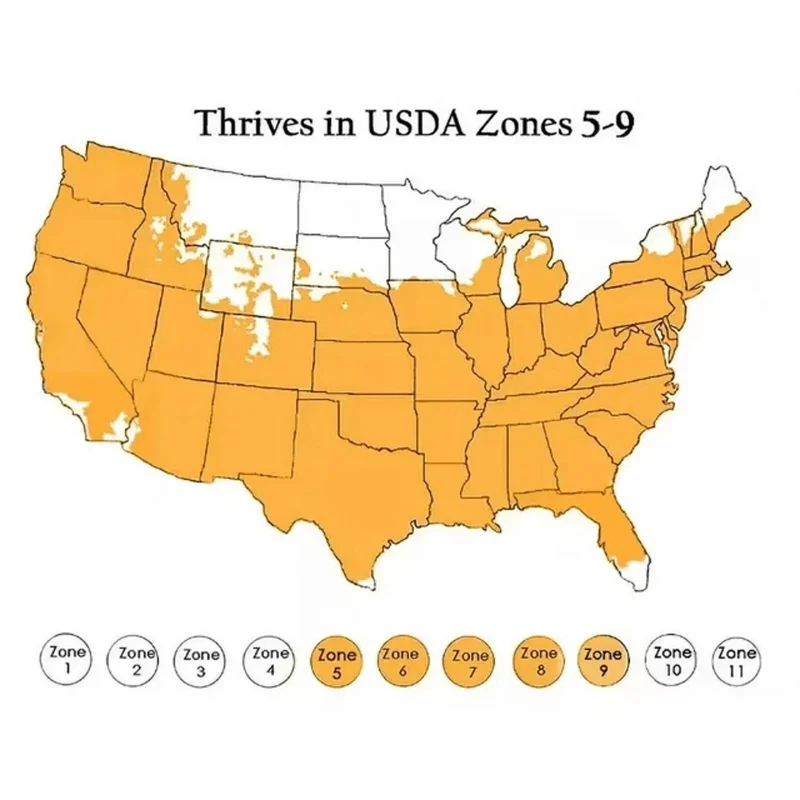
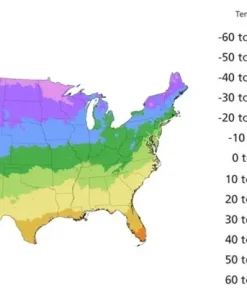
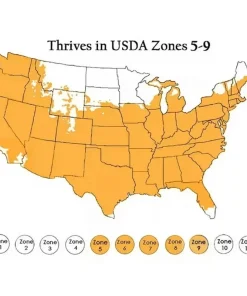
USDA zones 8-11 (perennial), otherwise annual -
Soil Type
Well-draining, fertile, slightly acidic to neutral soil -
Sunlight Exposure
Full sun (6-8 hours daily) -
Expected Planting Period
Spring to early summer
Overview
Embark on a rewarding gardening journey with these premium stevia rebaudiana seeds, allowing you to cultivate your very own source of natural sweetness. Stevia rebaudiana, commonly known as sweet leaf or sugar leaf, is a remarkable perennial herb renowned for its intensely sweet leaves, which can be up to 300 times sweeter than sugar. This offering provides a generous quantity of organic stevia seeds, approximately 400+ seeds (0.5g), ensuring you have ample opportunity to establish a thriving patch of this beneficial plant. Growing your own stevia provides a sustainable and healthy alternative to artificial sweeteners, allowing you to enjoy a guilt-free sweet flavor directly from your garden. These non-GMO seeds are a perfect choice for health-conscious gardeners and culinary enthusiasts looking to enhance their dishes and beverages naturally.
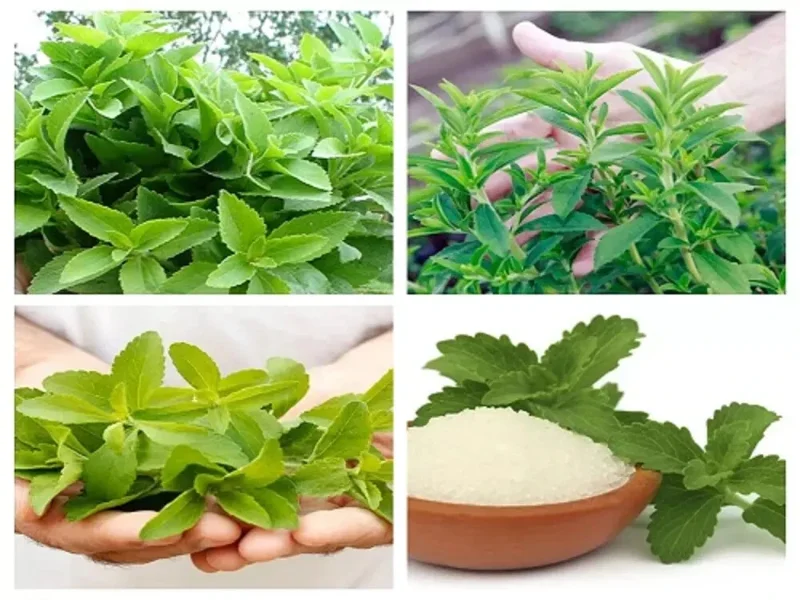
Whether you’re a seasoned gardener or just starting, learning to grow stevia from seed is a fulfilling project. Stevia plants are relatively low-maintenance once established and can be grown in various climates, either as an annual in colder regions or a perennial in warmer zones. The leaves can be harvested and used fresh, dried, or processed into a liquid extract, providing a versatile natural sweetener for all your needs. Imagine sweetening your morning coffee, tea, or homemade desserts with leaves harvested from your own backyard!
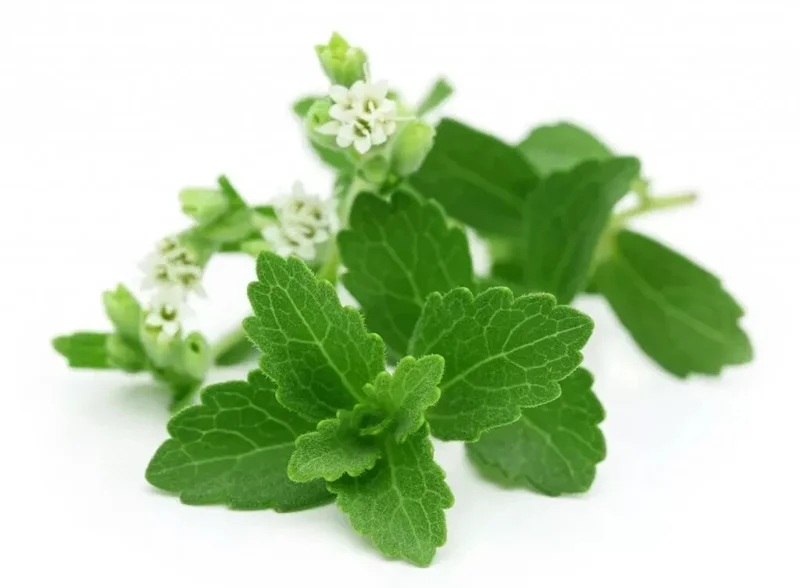
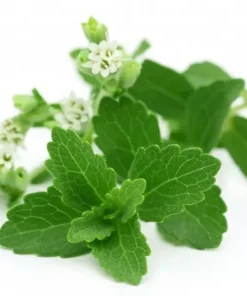
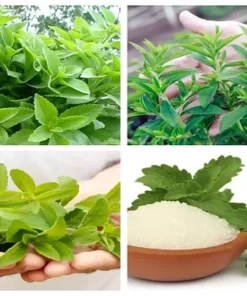
This packet of stevia rebaudiana seeds is ideal for anyone eager to embrace a healthier lifestyle and explore the benefits of homegrown herbs. The plant itself is attractive, featuring delicate green leaves and small white flowers, making it a pleasant addition to herb gardens, kitchen windowsills, or even ornamental borders. With these high-quality seeds, you’re not just planting a herb; you’re cultivating a healthier, sweeter future.
Key Benefits
Growing your own stevia rebaudiana seeds offers a multitude of advantages, from culinary applications to health benefits and gardening satisfaction. These organic stevia seeds provide a simple path to a sustainable and natural sweetener source.
- Natural Sweetener Source: Harvest fresh stevia leaves directly from your garden to naturally sweeten beverages, desserts, and meals without added calories or artificial ingredients. This makes it an excellent choice for those managing sugar intake or seeking healthier alternatives.
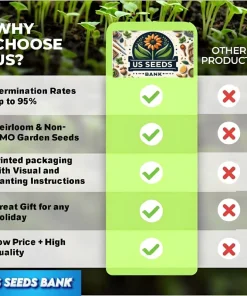
- Organic & Non-GMO: Rest assured that your plants will be free from genetically modified organisms and grown from organically sourced seeds, supporting a healthier ecosystem and personal consumption.
- Perennial Herb: In suitable climates (USDA zones 8-11), stevia grows as a perennial, returning year after year. In colder regions, it can be grown as an annual, providing a continuous harvest throughout the growing season.
- Versatile Culinary Use: The leaves can be used fresh, dried, or steeped to create a liquid extract. They are perfect for teas, smoothies, baked goods, and any recipe requiring a sweet touch.
- Easy to Grow: Stevia is known for its relatively easy cultivation, making it suitable for gardeners of all experience levels. With proper care, you can successfully grow stevia from seed and enjoy abundant harvests.
- Health-Conscious Choice: Stevia is a zero-calorie, zero-carb sweetener that does not raise blood sugar levels, making it ideal for diabetics and those following ketogenic or low-carb diets.
- Indoor & Outdoor Adaptability: These perennial herb seeds thrive both indoors in pots (especially in colder climates) and outdoors in garden beds, offering flexibility for various growing environments.
Plant Care & Growing Tips
Successfully cultivating your stevia rebaudiana seeds requires attention to a few key environmental factors. To grow stevia from seed, start indoors 8-10 weeks before the last frost date. Use a high-quality seed starting mix and keep the soil consistently moist but not waterlogged. Stevia seeds need light to germinate, so press them lightly onto the soil surface without covering them. Maintain a warm temperature, ideally between 70-75°F (21-24°C), using a heat mat if necessary. Germination can be slow and sometimes erratic, taking anywhere from 7 to 21 days.
Once seedlings have developed a few sets of true leaves, they can be transplanted into larger pots or directly into the garden after all danger of frost has passed. Stevia thrives in full sun, requiring at least 6-8 hours of direct sunlight per day. If growing indoors, place your natural sweetener plant in a south-facing window or under grow lights. The ideal soil for stevia is well-draining, fertile, and slightly acidic to neutral (pH 6.0-7.0). Amend heavy clay soils with compost or sand to improve drainage. While stevia prefers consistently moist soil, it’s crucial to avoid overwatering, which can lead to root rot. Allow the top inch of soil to dry out slightly between waterings.
For optimal growth and leaf production, fertilize your stevia plants every 2-4 weeks during the growing season with a balanced liquid fertilizer, or incorporate a slow-release organic fertilizer into the soil at planting time. Pinch back the growing tips regularly to encourage bushier growth and prevent the plant from flowering prematurely, which can reduce leaf sweetness. In USDA zones 8-11, stevia can be grown as a perennial. In colder zones, it’s best treated as an annual or brought indoors before the first frost. Common problems include aphids or whiteflies, which can be managed with insecticidal soap. Ensure good air circulation to prevent fungal issues. By following these guidelines, your organic stevia seeds will develop into robust, sweet-leaf producing plants.
Size & Details
This packet contains approximately 400+ stevia rebaudiana seeds, weighing 0.5 grams, providing a generous amount for successful germination and cultivation. Once mature, a natural sweetener plant typically reaches a height of 1-3 feet (30-90 cm) and spreads about 1-2 feet (30-60 cm) wide, depending on growing conditions and pruning. The seeds are shipped in a protective packet, ensuring their viability upon arrival. Stevia is a moderate to fast grower, with leaves ready for harvesting within 60-90 days of planting. For continuous harvesting, it’s recommended to take only a third of the plant’s foliage at a time, allowing it to regenerate. These perennial herb seeds are perfect for creating a sustainable source of natural sweetness in your home garden or containers.
Frequently Asked Questions
- Q: How big does this stevia plant get? A: A mature stevia plant grown from these stevia rebaudiana seeds typically reaches 1 to 3 feet in height and 1 to 2 feet in width. Its size can vary based on growing conditions, climate, and how often it’s pruned.
- Q: Is this an indoor or outdoor plant? A: Stevia can be grown both indoors and outdoors. It thrives outdoors in full sun during warm months. In colder climates, it is often grown as an annual or brought indoors to overwinter, making it a versatile natural sweetener plant for various environments.
- Q: How much sunlight does stevia need? A: Stevia requires at least 6-8 hours of direct sunlight per day to produce the sweetest leaves. If growing indoors, ensure it receives bright, direct light or supplement with a grow light.
- Q: Is this plant easy to care for? A: Yes, stevia is considered relatively easy to care for, especially for gardeners with some experience. Key factors are consistent watering, plenty of sunlight, and well-draining soil. Learning to grow stevia from seed is a rewarding experience.
- Q: What condition will the seeds arrive in? A: The organic stevia seeds will arrive securely packaged to protect them during transit, ensuring they are in optimal condition for planting and germination.
- Q: Can I use stevia leaves in cooking? A: Absolutely! Stevia leaves are primarily used for their sweetening properties in cooking and beverages. You can use fresh leaves, dried leaves, or make a liquid extract to sweeten teas, smoothies, desserts, and more.
- Q: How long until stevia leaves are ready for harvest? A: You can typically begin harvesting stevia leaves within 60-90 days after planting the stevia rebaudiana seeds. For the best flavor, harvest leaves before the plant flowers.
- Q: What’s the best time to plant stevia seeds? A: For outdoor planting, sow seeds after the last frost in spring. For a head start, begin planting indoors 8-10 weeks before the last expected frost date.
- Q: Will stevia survive winter in my zone? A: Stevia is a perennial in USDA zones 8-11. In zones colder than 8, it is typically grown as an annual or brought indoors to overwinter as a potted plant.
- Q: What kind of soil does stevia prefer? A: Stevia prefers well-draining, fertile soil with a slightly acidic to neutral pH (6.0-7.0). Adding compost can improve soil structure and fertility for these perennial herb seeds.
Be the first to review “Stevia Rebaudiana Seeds – Natural Sweetener Herb Seeds (0.5g) – Organic Non-GMO Perennial”
People Also Viewed
Reviews
There are no reviews yet.