
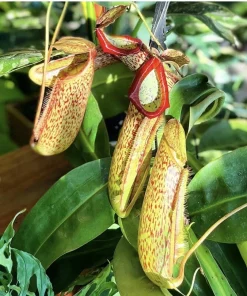
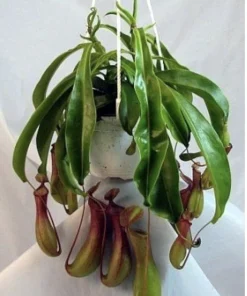
Nepenthes Carnivorous Pitcher Plant Live – Tropical Insect Eating Houseplant
Original price was: $72.99.$59.99Current price is: $59.99.
Bring home a unique and exotic addition to your plant collection with a Nepenthes pitcher plant live specimen. This fascinating tropical carnivorous houseplant naturally attracts and consumes insects, making it a captivating and low-maintenance indoor companion. Ideal for adding a touch of the wild to any home or office environment, this insect eating houseplant thrives with proper care.
Estimated arrival
Oct 27
Nov 01 - Nov 03
Nov 06 - Nov 10
Shop With Confidence
30-Day Plant Health Guarantee
Arrives damaged? We’ll replace it free — see our return policy.
Responsive Support
Email us anytime, we reply within 1 business day.
Expert Packaging
Temperature-controlled shipping to protect your plants in transit.
Secure Checkout
Pay safely with Visa, Mastercard, PayPal.
Plant Specifications
-
USDA Hardiness Zone
USDA zones 10-11 (indoors elsewhere) -
Soil Type
Sphagnum moss, perlite, and orchid bark mix -
Sunlight Exposure
Bright indirect light -
Expected Planting Period
Year-round indoors
Overview
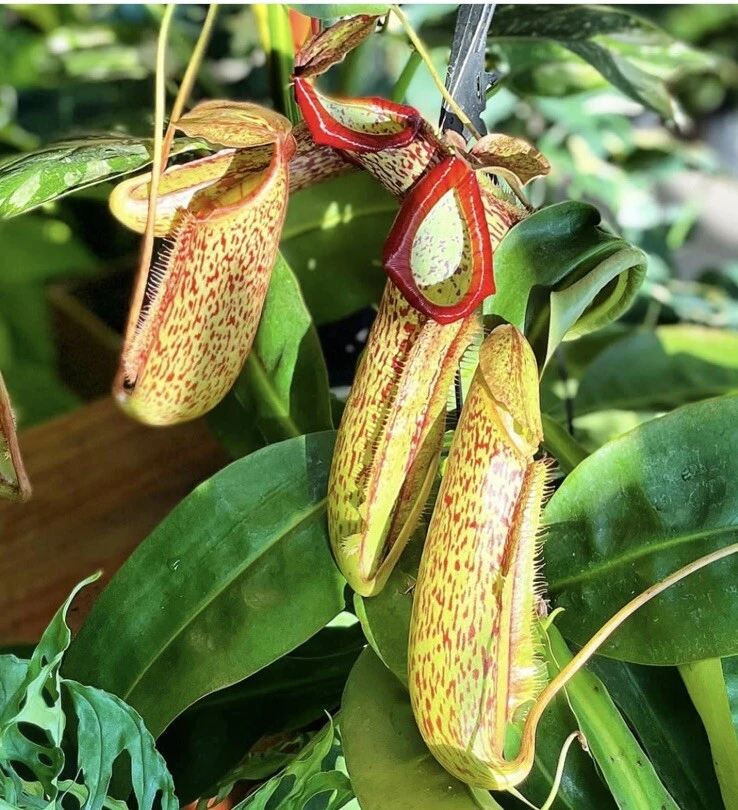
Introduce a truly unique and captivating specimen to your indoor plant collection with our Nepenthes pitcher plant live. This extraordinary genus of tropical carnivorous plants, commonly known as the Pitcher Plant, is renowned for its distinctive, pitcher-shaped leaves that act as natural traps for insects. Each live plant offers a mesmerizing display of nature’s ingenuity, making it a perfect conversation starter and a fascinating addition to any home or office. Originating from tropical regions, these plants are not only visually striking but also serve as a natural form of pest control, adding both beauty and function to your space. Embrace the exotic appeal of a tropical carnivorous plant and watch it thrive.
Our Nepenthes pitcher plant live specimens are carefully cultivated to ensure they arrive healthy and ready to flourish in your environment. These plants are beloved by enthusiasts and beginners alike for their relatively straightforward care requirements, especially when provided with the right conditions. The intricate patterns and varied colors of the pitchers add an artistic element, while their natural insect-eating habits provide an engaging spectacle. If you’re looking for an exotic indoor plant that stands out from the rest, the Nepenthes is an excellent choice.
Key Benefits
Owning a Nepenthes pitcher plant live offers several unique advantages beyond its striking appearance, enriching your indoor environment in multiple ways. This remarkable plant is more than just a decorative item; it’s a living ecosystem:
- Natural Insect Control: The primary benefit of a tropical carnivorous plant is its ability to naturally trap and digest common household pests like flies, ants, and mosquitoes. This provides an eco-friendly and chemical-free method of reducing insect populations in your home, making it a highly effective insect eating houseplant.
- Exotic Aesthetic Appeal: Nepenthes plants feature unique and vibrant pitcher formations that come in various shapes, sizes, and colors, adding an unparalleled exotic touch to any interior decor. They are true living sculptures that command attention and admiration.
- Educational Value: These plants offer a fantastic opportunity to observe nature’s wonders up close. They can be particularly engaging for children and adults interested in botany and the unique adaptations of the plant kingdom.
- Air Purification: Like many houseplants, Nepenthes contribute to a healthier indoor environment by absorbing carbon dioxide and releasing oxygen, enhancing air quality and promoting a fresher atmosphere.
- Low Maintenance (with proper care): Once their specific environmental needs for humidity and light are met, Nepenthes can be surprisingly resilient and require less frequent watering than many other tropical plants, making them a rewarding choice for plant enthusiasts.
- Unique Gift Idea: A Nepenthes pitcher plant live makes an unforgettable and distinctive gift for plant lovers, gardeners, or anyone who appreciates the unusual and beautiful. It’s a gift that keeps on giving, offering both beauty and intrigue.
- Stress Reduction: Tending to plants and observing their growth can be a calming and meditative activity, contributing to overall well-being and stress reduction. The unique nature of the pitcher plant adds an extra layer of fascination to this experience.
Plant Care & Growing Tips
Caring for your Nepenthes pitcher plant live involves understanding its tropical origins and replicating those conditions as closely as possible. These plants thrive in high humidity and bright, indirect light. Place your plant in a location where it receives several hours of bright, filtered sunlight each day, such as near an east-facing window or a few feet from a south or west-facing window. Avoid direct, harsh afternoon sun, which can scorch the delicate pitchers and leaves. Proper light is crucial for the development of healthy, colorful pitchers. For optimal growth, consider supplementing with grow lights during darker months or in areas with insufficient natural light.
Watering is critical for a healthy tropical carnivorous plant. Nepenthes prefer consistently moist, but not waterlogged, soil. Use distilled water, rainwater, or reverse osmosis water, as tap water often contains minerals and chemicals that can harm the plant over time. Water thoroughly when the top inch of soil feels slightly dry, allowing excess water to drain away completely. High humidity is paramount for pitcher formation; aim for 60-80% relative humidity. You can achieve this by placing the pot on a pebble tray filled with water, using a room humidifier, or growing it in a terrarium or greenhouse. Maintaining a consistent moisture level in the substrate and high ambient humidity will ensure your insect eating houseplant thrives and produces abundant pitchers.
The ideal potting mix for Nepenthes is light, airy, and well-draining, typically consisting of sphagnum moss, perlite, and orchid bark. Avoid standard potting soil, which is too dense and nutrient-rich. Nepenthes obtain most of their nutrients from the insects they catch, so fertilization is rarely needed. If pitchers are not forming or the plant appears to be struggling, a very diluted carnivorous plant fertilizer can be applied to the leaves or pitchers, but sparingly. Maintain temperatures between 65-85°F (18-29°C) during the day and no lower than 55°F (13°C) at night. Regularly inspect your plant for pests, though Nepenthes are generally resilient. For more detailed guidance, refer to a comprehensive Nepenthes care guide.
Size & Details
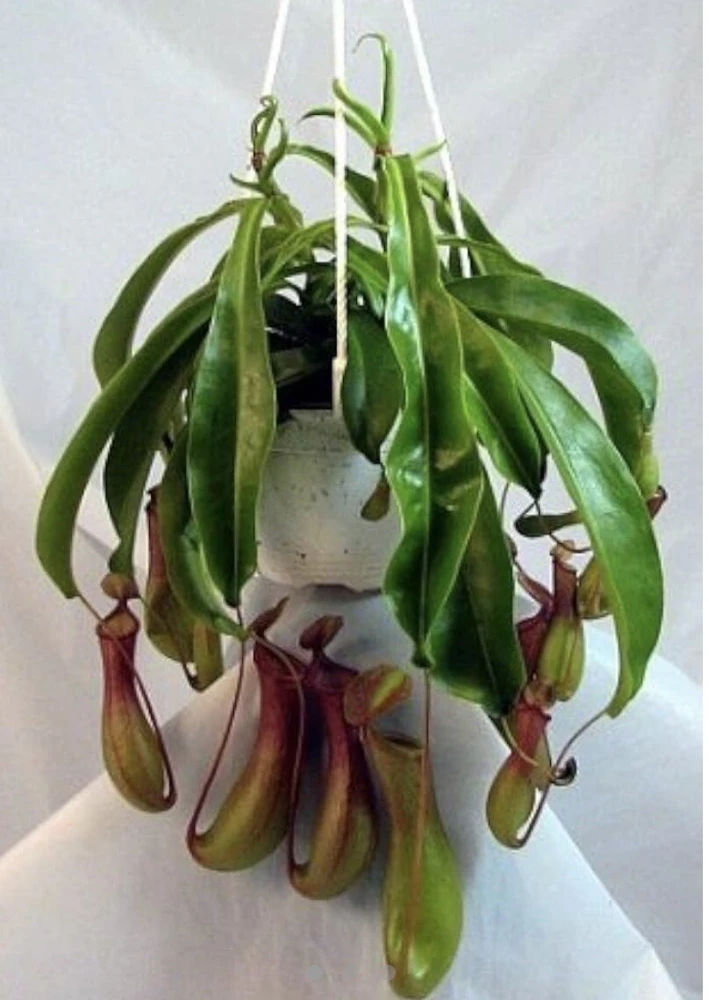
Our Nepenthes pitcher plant live specimen typically arrives as a well-rooted young plant, ready for transplanting into a decorative pot or for integration into a terrarium setup. The plant’s overall size will vary depending on its specific variety and maturity, but it’s generally a compact desk-friendly size upon arrival, with developing pitchers already visible. Nepenthes are known for their moderate growth rate, and with proper care, they can grow into impressive specimens, often reaching widths of 1 to 3 feet, with vines that can extend several feet in length, depending on the species. The pitchers themselves can range from small, inch-long traps to larger, more dramatic structures. This exotic indoor plant is shipped securely, often in a nursery pot, to minimize stress during transit and ensure it arrives in excellent condition, ready to continue its growth in your home.
Frequently Asked Questions
- Q: How big does this plant get? A: A Nepenthes pitcher plant live typically arrives as a young plant. With suitable conditions, many varieties can grow to be 1 to 3 feet wide, with vines that can extend several feet over time, gracefully cascading or climbing.
- Q: What size pot does it come in? A: The Nepenthes plant is usually shipped in a small nursery pot, typically 2-4 inches in diameter, providing a good base for it to establish in your home. We recommend repotting into a slightly larger container upon arrival.
- Q: Is this an indoor or outdoor plant? A: This is primarily an exotic indoor plant or greenhouse specimen in most climates due to its need for high humidity and consistent warm temperatures. It can be grown outdoors in very specific tropical or subtropical regions.
- Q: How much sunlight does it need? A: A tropical carnivorous plant like Nepenthes thrives in bright, indirect light. Avoid direct, harsh afternoon sun, which can burn the leaves and pitchers. Filtered light from an east-facing window or a grow light is ideal.
- Q: Is this plant easy to care for? A: While Nepenthes have specific needs for humidity and water quality, they are considered moderately easy to care for once these conditions are met. Following a good Nepenthes care guide will ensure success.
- Q: What condition will it arrive in? A: Your insect eating houseplant will arrive packaged securely, typically in its nursery pot, to ensure minimal disturbance during shipping. It will be a healthy young plant with developing pitchers.
- Q: Is it shipped in soil? A: Yes, the plant is typically shipped rooted in a specialized, well-draining substrate, often a mix of sphagnum moss and perlite, appropriate for carnivorous plants.
- Q: Can I feed it insects? A: Your Nepenthes pitcher plant live will naturally attract and catch insects. You can occasionally drop a small insect into a pitcher if it’s not catching enough, but it’s not strictly necessary for its survival if given proper light and humidity.
- Q: How long until it develops large pitchers? A: Pitcher development is continuous with good care. Young plants will have smaller pitchers, and as the plant matures and establishes itself in your home, it will produce larger and more numerous pitchers over several months.
- Q: What’s the minimum temperature it can tolerate? A: Nepenthes prefer temperatures between 65-85°F (18-29°C). They can tolerate brief drops to 55°F (13°C) but extended periods below this can cause stress and damage.
Be the first to review “Nepenthes Carnivorous Pitcher Plant Live – Tropical Insect Eating Houseplant”
People Also Viewed
Vegetable Seeds
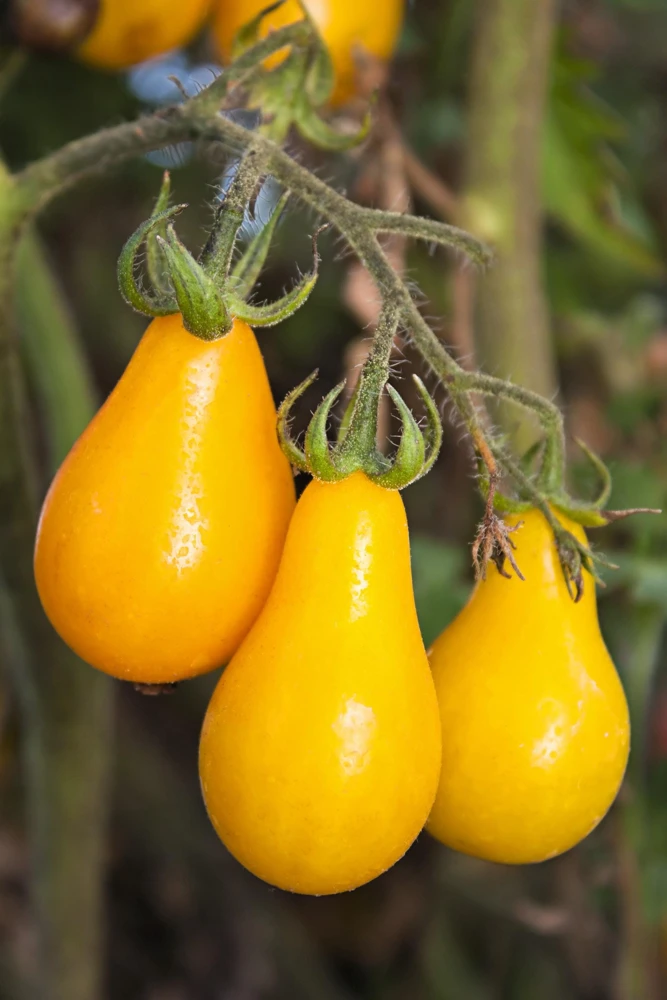
Yellow Pear Tomato Seeds – 300 Count Heirloom Vegetable Seeds, Lycopersicon lycopersicum
Flower Seeds
Houseplants
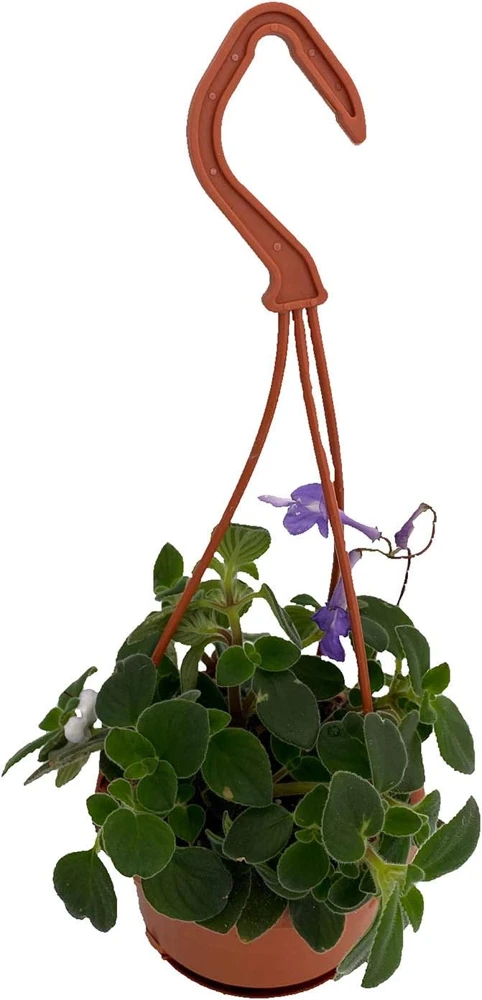
Concord Blue Cape Primrose – Streptocarpella Live Plant – 4″ Mini Hanging Basket – Indoor/Patio
Reviews
There are no reviews yet.