
Elderberry Bareroot Plant – Set of 2 – 1-2 Ft Tall – Fast Growing Fruiting Shrub
Original price was: $52.99.$32.99Current price is: $32.99.
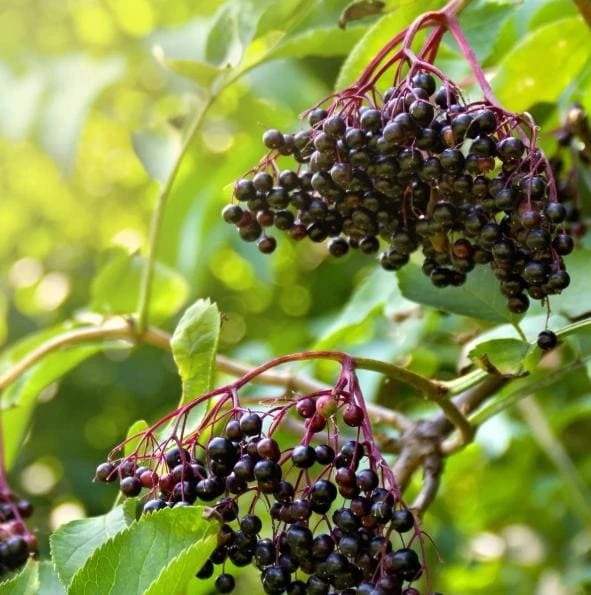
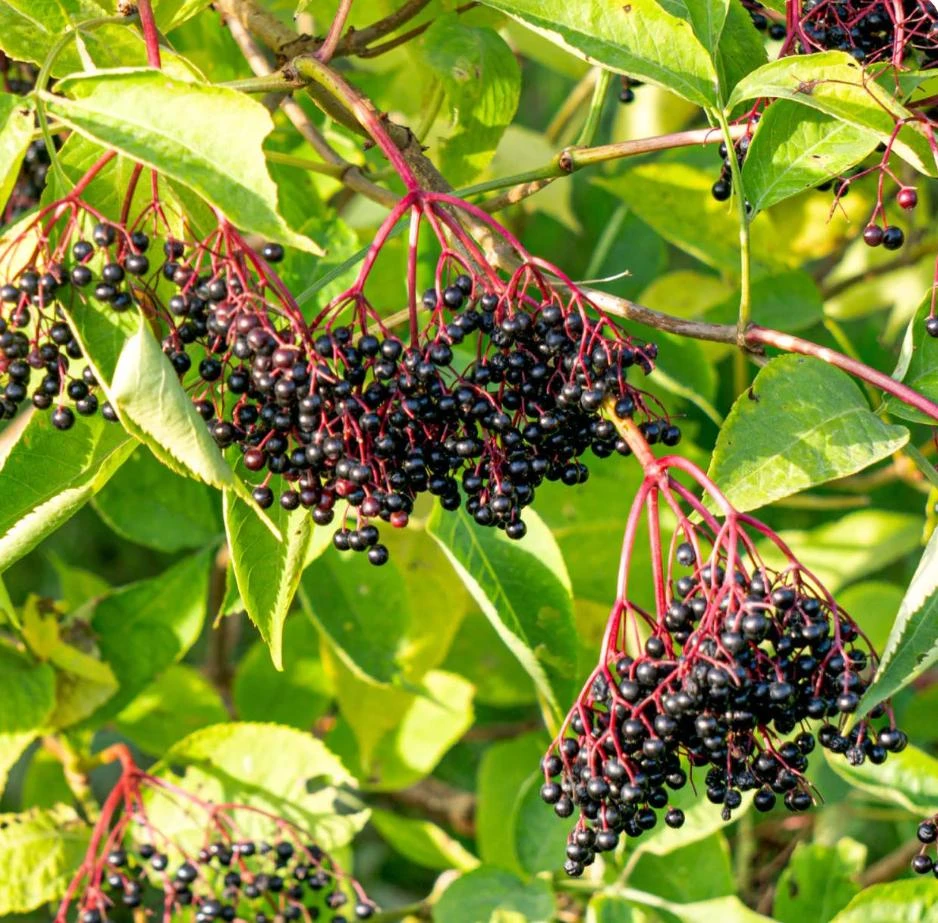
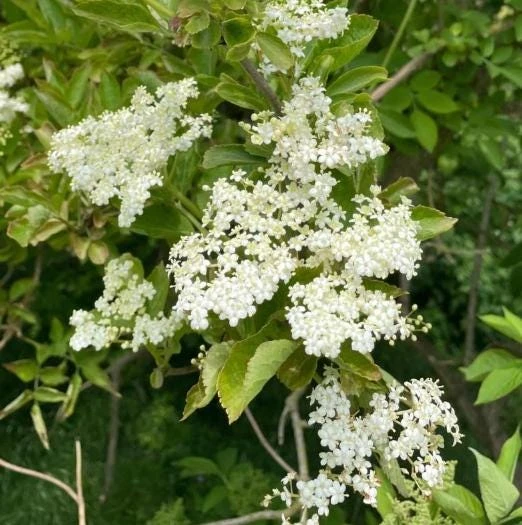
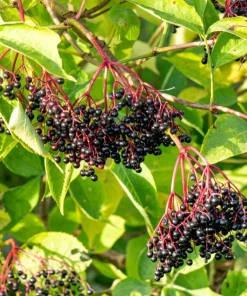
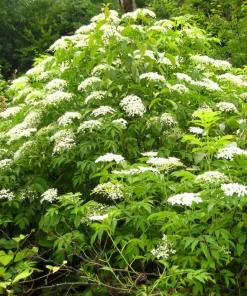
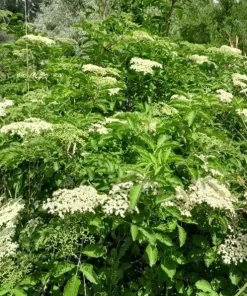
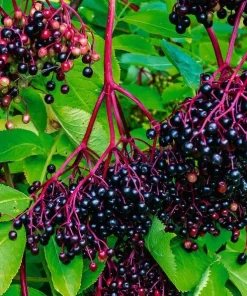
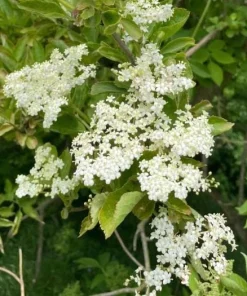
Cultivate your own delicious berries with this elderberry bareroot plant. You will receive two healthy, fast-growing elderberry shrubs, each 1-2 feet tall, ready for planting. Ideal for home gardens and edible landscapes, these hardy fruit bushes produce beautiful white flowers and abundant dark berries.
Estimated arrival
Oct 14
Oct 19 - Oct 21
Oct 24 - Oct 28
Shop With Confidence
30-Day Plant Health Guarantee
Arrives damaged? We’ll replace it free — see our return policy.
Responsive Support
Email us anytime, we reply within 1 business day.
Expert Packaging
Temperature-controlled shipping to protect your plants in transit.
Secure Checkout
Pay safely with Visa, Mastercard, PayPal.
Plant Specifications
-
USDA Hardiness Zone
USDA Zones 3–9 -
Soil Type
Moist, fertile, well-draining soil -
Sunlight Exposure
Full sun to partial shade -
Expected Planting Period
Early spring
Overview
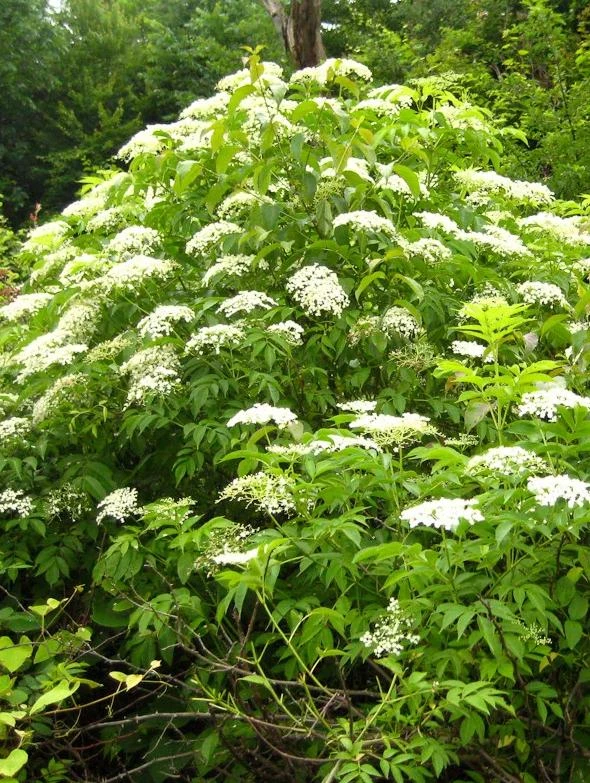
Embark on your journey to homegrown fruit with the elderberry bareroot plant. This offering includes two vibrant elderberry bareroot plant specimens, each standing 1-2 feet tall, ready to thrive in your garden. Elderberry, scientifically known as Sambucus canadensis, is a highly valued, fast-growing deciduous shrub renowned for its bountiful clusters of dark, edible berries and fragrant white flowers. Perfect for creating an attractive and productive landscape, this hardy plant promises both ornamental beauty and a delicious harvest. Whether you’re looking to establish an edible hedgerow or simply add a resilient fruiting shrub to your yard, this elderberry bareroot plant is an excellent choice for a rewarding gardening experience.
Key Benefits
Adding an elderberry shrub to your garden brings a multitude of benefits, from its aesthetic appeal to its practical uses. This versatile plant is a true garden gem, offering beauty and bounty throughout the seasons. The elderberry bareroot plant is celebrated for its ease of care and robust growth.
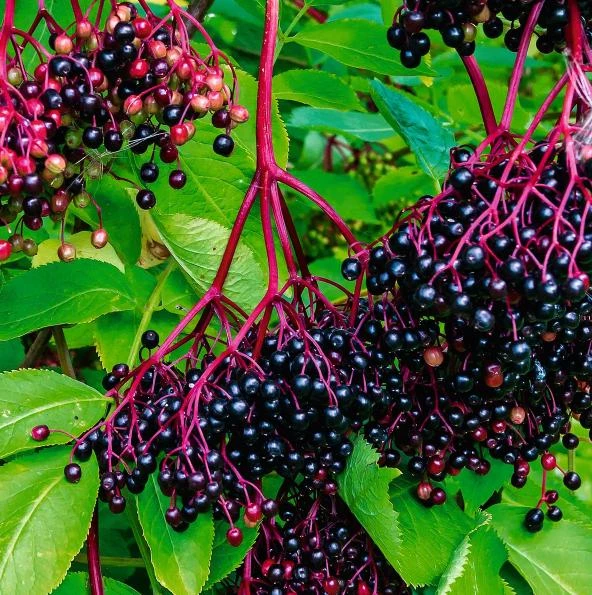
- Abundant Berry Production: Enjoy prolific yields of dark, nutrient-rich elderberries perfect for jams, jellies, pies, and elderberry syrup.
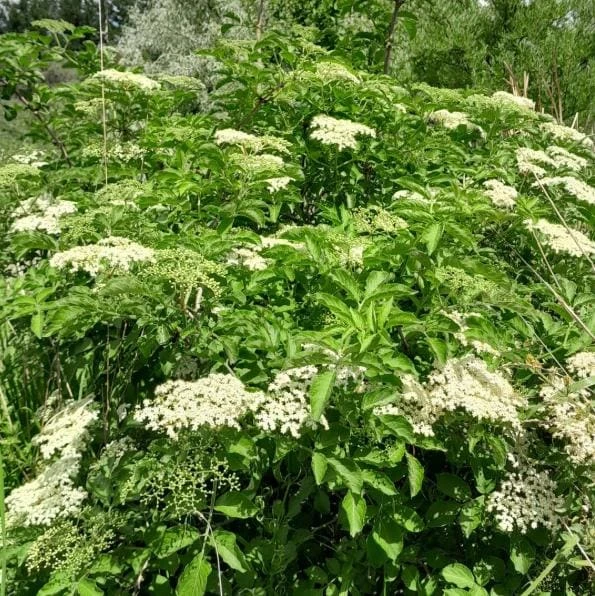
- Beautiful White Flowers: In late spring to early summer, the plant showcases large, fragrant clusters of white flowers that attract pollinators and add charm to your garden.
- Fast-Growing and Hardy: This fast growing berry plant quickly establishes itself and is remarkably resilient, tolerating a wide range of conditions and cold temperatures.
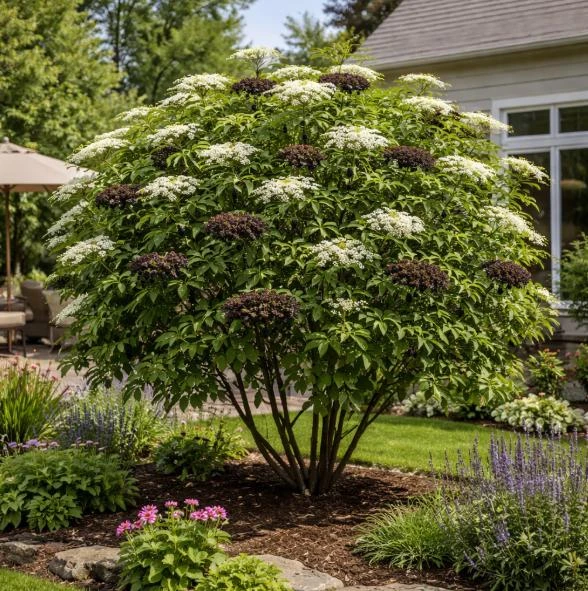
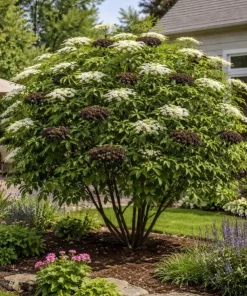
- Ornamental Landscape Value: With its lush foliage, attractive flowers, and berry clusters, the elderberry creates a visually appealing focal point or a natural privacy screen.
- Supports Local Wildlife: The berries provide a valuable food source for birds and other wildlife, enhancing your garden’s ecosystem.
- Low Maintenance: Once established, elderberry requires minimal care, making it an excellent choice for both novice and experienced gardeners.
- Versatile Use: Ideal for creating an edible landscape shrub, hedgerows, naturalizing areas, or as a stand-alone specimen in a mixed border.
Plant Care & Growing Tips
Caring for your elderberry bareroot plant is straightforward, ensuring a healthy and productive shrub for years to come. These plants are known for their adaptability and hardiness. For optimal growth, plant your elderberry in a location that receives full sun to partial shade. Full sun (6+ hours of direct sunlight daily) will generally lead to the best berry production, while partial shade (4-6 hours) is also tolerated, especially in hotter climates.
Elderberries prefer moist, fertile, and well-draining soil. While they can adapt to various soil types, enriching the planting site with compost or other organic matter will significantly benefit their growth. During establishment, it’s crucial to keep the soil consistently moist but never waterlogged. Once mature, elderberries are more tolerant of drier conditions but will still perform best with regular watering, especially during dry spells and fruit development. They are cold hardy, thriving in USDA Zones 3–9, and can withstand winter temperatures well. Fertilize in early spring with a balanced, slow-release fertilizer to promote vigorous growth and berry production. Pruning can be done in late winter or early spring to remove dead or weak canes and encourage new growth, ensuring a healthy hardy fruit bush.
Size & Details
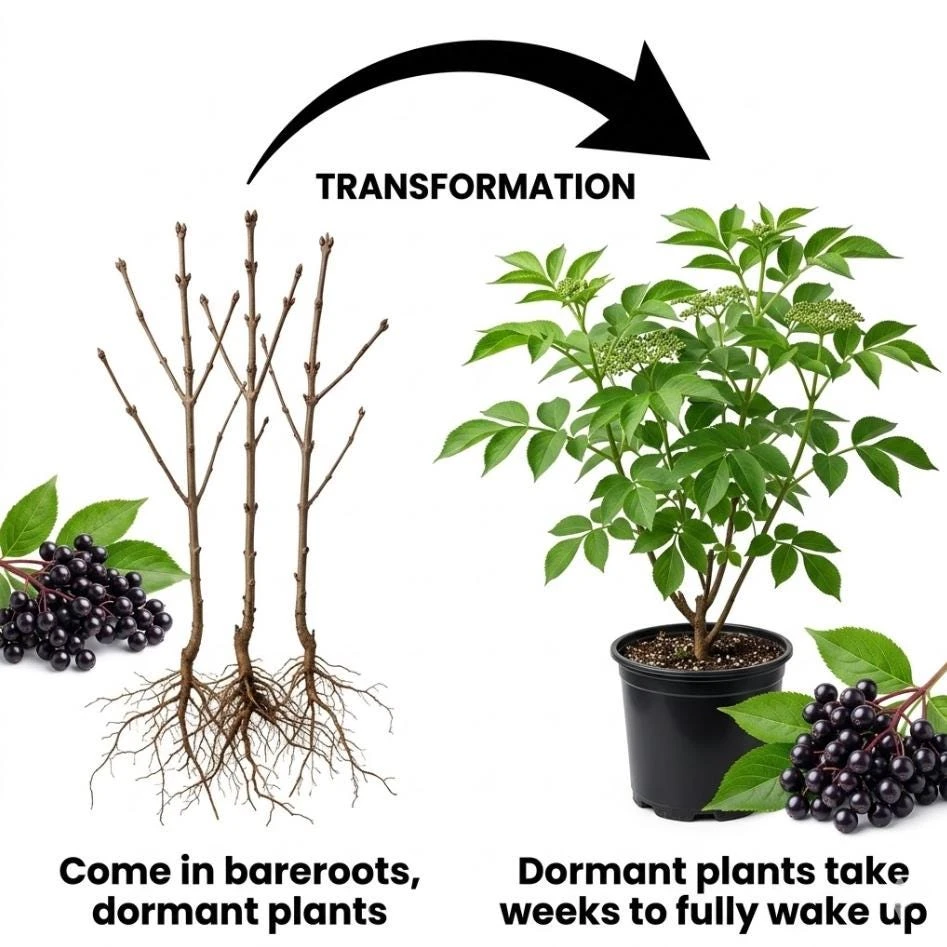
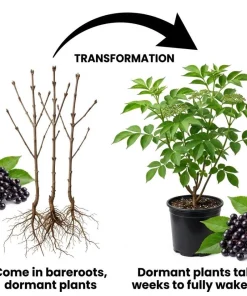
This offering includes a set of two healthy elderberry bareroot plant specimens. Each plant arrives dormant and carefully packaged, measuring approximately 1–2 feet tall. Bareroot plants are shipped without soil around their roots, making them easier to transport and often more economical. Once planted, these fast-growing shrubs will quickly establish themselves. Elderberry plants typically reach a mature height of 6-12 feet and a spread of 6-10 feet, depending on variety and growing conditions. They begin producing berries within 1-2 years of planting, with peak production occurring after 3-5 years. The plants are ready to be planted upon arrival, ideally in early spring for best establishment.
Frequently Asked Questions
- Q: How big does this elderberry bareroot plant get? A: Each elderberry bareroot plant arrives 1-2 feet tall. Once mature, elderberry shrubs typically grow to a height of 6-12 feet and can spread 6-10 feet wide, forming a substantial bush.
- Q: Is this an indoor or outdoor plant? A: This elderberry is an outdoor plant, highly suitable for garden beds, edible landscapes, and hedgerows. It is a hardy fruiting shrub that thrives in temperate climates.
- Q: How much sunlight does the elderberry bareroot plant need? A: Elderberry plants perform best in full sun, receiving at least 6 hours of direct sunlight daily, which promotes the most prolific berry production. They can also tolerate partial shade.
- Q: Is this plant easy to care for? A: Yes, elderberries are considered low-maintenance and are relatively easy to care for, making them suitable for gardeners of all experience levels. They are a good choice if you want to grow elderberry shrub.
- Q: What condition will it arrive in? A: You will receive two dormant, healthy elderberry bareroot plant specimens, carefully packaged to ensure their safe arrival and readiness for planting. They will not have leaves upon arrival.
- Q: When is the best time to plant elderberry bareroot? A: The best time to plant bareroot elderberry is in early spring, as soon as the soil can be worked and after the last hard frost. This allows the plant to establish its root system before the heat of summer.
- Q: Will it survive winter in my zone? A: Elderberry is a very cold-hardy plant, thriving in USDA Zones 3–9. It is well-adapted to various climates and can withstand significant winter temperatures. This makes it an excellent hardy fruit bush.
- Q: Can I use the berries from this plant? A: Yes, the berries produced by this elderberry are edible and commonly used to make jams, jellies, pies, wines, and syrups. They are a popular choice for an edible landscape shrub.
- Q: How long until it blooms and produces fruit? A: Your elderberry plant may produce some flowers and berries in its first year, but significant production typically begins in the second year, with peak yields occurring after 3-5 years.
- Q: What kind of soil does elderberry prefer? A: Elderberry thrives in moist, fertile, and well-draining soil. Amending your soil with organic matter such as compost will help provide the ideal growing conditions.
Be the first to review “Elderberry Bareroot Plant – Set of 2 – 1-2 Ft Tall – Fast Growing Fruiting Shrub”
People Also Viewed
Vegetable Seeds
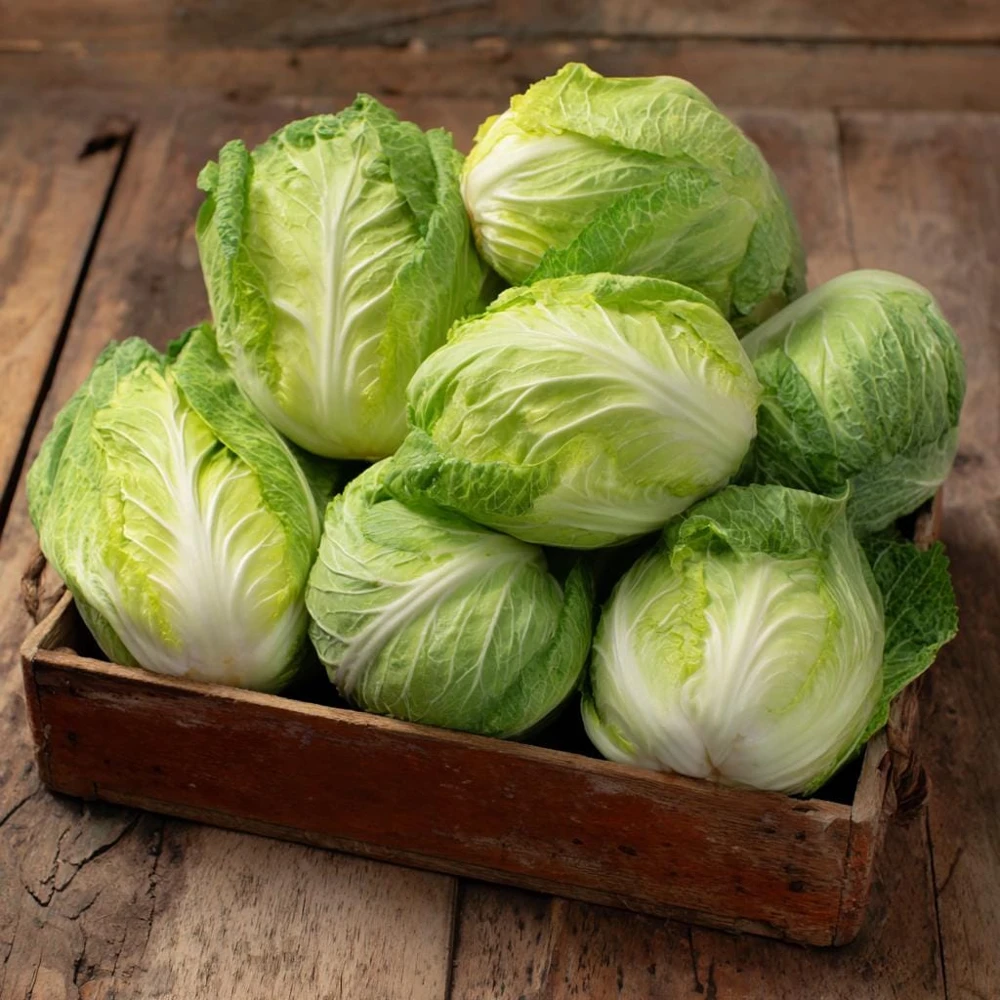
Mini Napa Cabbage Seeds – 50 Seeds – Compact Chinese Cabbage for Containers & Gardens
Reviews
There are no reviews yet.