
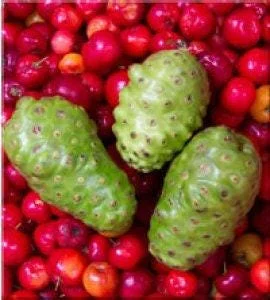
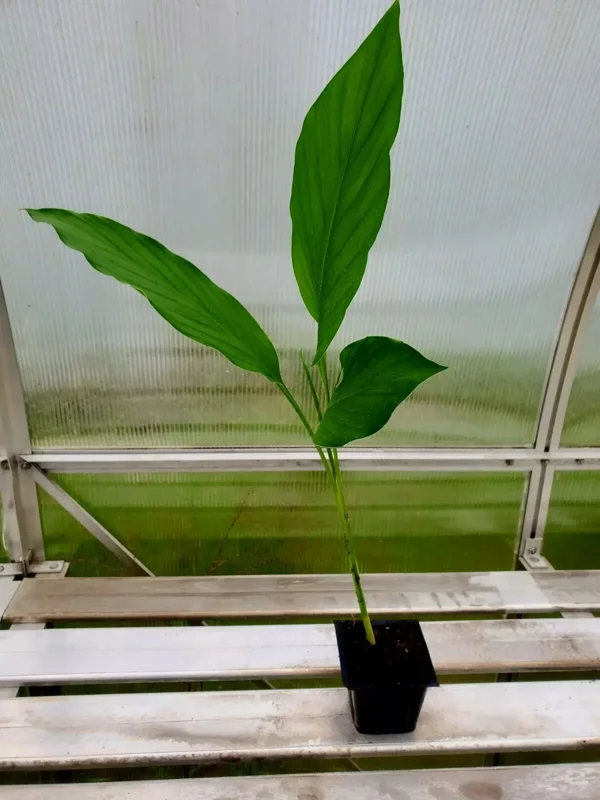
Noni Live Plant – 3 ft Tall Tropical Fruit Tree – Ships in 7 Gallon Pot
$137.76
Bring the tropics to your home with a healthy noni live plant. This 3 ft tall tropical fruit tree is known for its distinctive fruit and potential health benefits. Perfect for warm climates or as a container plant, it ships securely in a 7-gallon pot, ready for planting.
Estimated arrival
Sep 14
Sep 19 - Sep 21
Sep 24 - Sep 28
Shop With Confidence
30-Day Plant Health Guarantee
Arrives damaged? We’ll replace it free — see our return policy.
Responsive Support
Email us anytime, we reply within 1 business day.
Expert Packaging
Temperature-controlled shipping to protect your plants in transit.
Secure Checkout
Pay safely with Visa, Mastercard, PayPal.
Plant Specifications
-
USDA Hardiness Zone
USDA zones 10-11 (outdoors) or container plant -
Soil Type
Well-draining, rich potting mix -
Sunlight Exposure
Full sun to partial shade -
Expected Planting Period
Year-round indoors, spring to early summer outdoors
Overview
Discover the exotic appeal of the noni live plant (Morinda citrifolia), a fascinating tropical fruit tree renowned for its unique fruit and historical uses. Originating from Southeast Asia and Australia, noni has been cultivated for centuries for its nutritional and medicinal properties. This robust 3 ft tall specimen arrives ready to thrive, shipped in a substantial 7-gallon pot, providing a strong foundation for healthy growth. The noni plant is a resilient and adaptable species, making it a rewarding addition for both experienced gardeners and those new to tropical fruit cultivation. Its glossy green leaves and unusual, bumpy fruit add an interesting aesthetic to any garden or patio, while offering the potential for a homegrown supply of this distinctive superfood. Cultivating your own morinda citrifolia plant allows you to enjoy fresh noni fruit and explore its diverse applications.
The noni plant is often referred to as a miracle fruit due to its rich composition of vitamins, minerals, and antioxidants. While the fruit’s pungent aroma is unique, its benefits are widely recognized in traditional medicine. Growing a noni live plant means you can nurture it from a young age, ensuring it adapts well to its new environment. Its vigorous growth and relatively low maintenance requirements make it an excellent choice for those seeking an unusual yet beneficial tropical plant. Whether you’re looking to expand your edible garden or simply add an exotic touch, this noni fruit tree offers both beauty and utility.
Key Benefits
Adding a noni live plant to your collection brings a wealth of advantages beyond just its unique appearance. This tropical gem offers several compelling reasons to cultivate it in your home or garden:
- Exotic Fruit Production: Enjoy the unique experience of growing your own noni fruit, known for its distinctive flavor profile and potential health-promoting compounds. Having a fresh supply of noni allows for experimenting with juices, smoothies, or traditional preparations.
- Nutritional Value: Noni fruit is packed with vitamins, minerals, and antioxidants, contributing to a healthy lifestyle. Many seek out the health benefits of noni for overall well-being and vitality.
- Ornamental Appeal: With its large, glossy green leaves and unusual, textured fruit, the noni plant serves as an attractive ornamental tree, adding a tropical flair to your landscape or indoor space.
- Resilience and Adaptability: The noni live plant is known for its hardiness and ability to thrive in various conditions, making it a relatively easy tropical plant to care for once established.
- Traditional Medicinal Uses: Historically, various parts of the noni plant have been used in traditional medicine for a wide range of ailments, making it a fascinating plant for those interested in ethnobotany.
- Sustainable Gardening: By growing your own noni, you contribute to sustainable practices, reducing reliance on commercially sourced products and ensuring fresh, chemical-free fruit.
Plant Care & Growing Tips
Caring for your noni live plant is straightforward, especially when provided with the right conditions. Noni thrives in warm, tropical to subtropical climates (USDA Zones 10-11 for outdoor planting), but can also be successfully grown as a container plant in cooler regions, brought indoors during colder months. It prefers a location that receives full sun to partial shade, meaning at least 6-8 hours of direct sunlight per day for optimal fruiting. If grown indoors, place it near a bright, south-facing window or supplement with grow lights to ensure adequate light exposure.
When it comes to watering, the noni fruit tree prefers consistently moist but not waterlogged soil. Water deeply when the top inch of soil feels dry to the touch, and allow excess water to drain away completely. Good drainage is crucial to prevent root rot. For soil, a rich, well-draining potting mix is ideal for container-grown plants. For in-ground planting, amend heavy clay soils with organic matter to improve drainage. Fertilize your morinda citrifolia plant every 2-3 months during the growing season (spring and summer) with a balanced, slow-release tropical plant fertilizer. Pruning can be done to maintain shape, control size, and encourage bushier growth, typically after fruiting or in early spring. Watch out for common pests like aphids or scale insects, and treat with organic insecticidal soap if necessary.
Size & Details
This offering features a healthy and vigorous noni live plant, standing approximately 3 feet tall from the base of the pot to the top of the foliage. It is carefully nurtured and shipped in a robust 7-gallon nursery pot, providing ample space for its root system to establish and ensuring a smooth transition to your garden or a larger container. The plant’s mature height can reach up to 10-20 feet in ideal outdoor conditions, though it can be kept smaller through regular pruning when grown in containers. Expect a moderate to fast growth rate, allowing you to enjoy its lush foliage and unique fruit relatively quickly.
The noni plant typically begins fruiting within 2-3 years of planting, offering a continuous supply of its distinctive fruit once mature. This particular specimen is well-rooted and ready to be transplanted, whether you choose to plant it directly into the ground in a suitable climate or maintain it as an impressive container plant on your patio or in a sunroom. The 7-gallon pot size provides a significant head start, allowing the plant to acclimate and continue its growth with minimal stress. This established size is perfect for those who want to grow noni at home without starting from a tiny seedling.
Frequently Asked Questions
- Q: How big does this noni live plant get? A: This noni live plant is approximately 3 feet tall upon shipment. If planted in the ground in ideal conditions, it can grow up to 10-20 feet tall. When grown in a container, its size can be managed with regular pruning.
- Q: What size pot does it come in? A: The noni fruit tree ships securely in a 7-gallon nursery pot, which provides a good head start for its root system and allows for easy transplanting.
- Q: Is this an indoor or outdoor plant? A: Noni plants thrive outdoors in USDA Zones 10-11. In cooler climates, it can be grown as an outdoor container plant during warm months and brought indoors when temperatures drop, making it versatile for those looking to grow noni at home.
- Q: How much sunlight does it need? A: Your morinda citrifolia plant prefers full sun to partial shade, ideally receiving at least 6-8 hours of direct sunlight per day for the best growth and fruit production.
- Q: Is this plant easy to care for? A: Yes, noni plants are relatively low maintenance and resilient once established. They require consistent watering, well-draining soil, and protection from cold temperatures.
- Q: What condition will it arrive in? A: We carefully package each noni live plant to ensure it arrives healthy and in excellent condition, ready for planting. We prioritize secure shipping to minimize stress on the plant.
- Q: Can I use noni fruit in cooking? A: While the fruit has a strong, unique aroma, it is traditionally used in various culinary applications, most commonly in juice form. Many are interested in the health benefits of noni and incorporate it into health drinks.
- Q: How long until it produces fruit? A: Typically, a noni live plant will start producing fruit within 2-3 years of planting, given optimal growing conditions and care.
- Q: When is the best time to plant? A: For outdoor planting in suitable zones, spring or early summer is ideal. If growing in a container, it can be planted any time of year, ensuring it is protected from cold.
- Q: What’s the minimum temperature this noni fruit tree can tolerate? A: The noni plant is sensitive to cold and can be damaged by temperatures below 40°F (4°C). It’s best to protect it from frost and bring it indoors if temperatures are expected to drop.
Be the first to review “Noni Live Plant – 3 ft Tall Tropical Fruit Tree – Ships in 7 Gallon Pot”
People Also Viewed

Reviews
There are no reviews yet.