

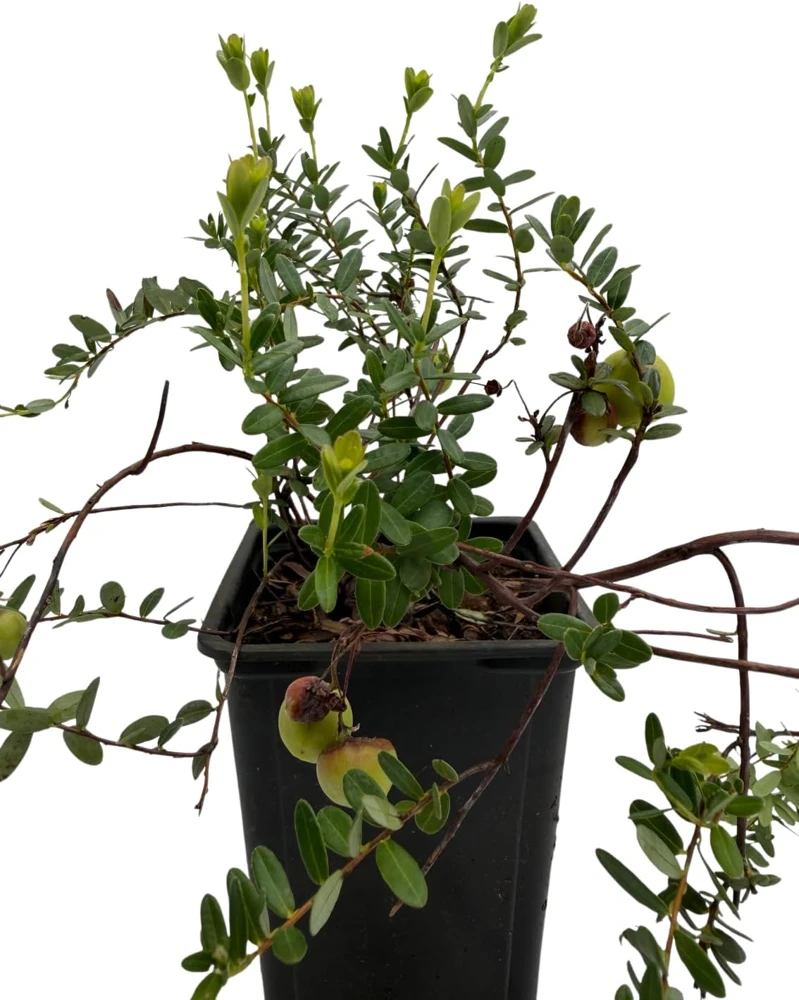
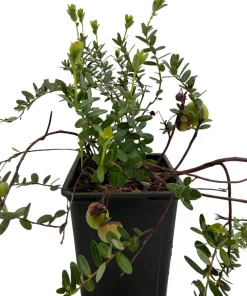
American Cranberry Bush Live Plant – 3.25″ Pot – Groundcover for Zones 4-8
Original price was: $46.99.$36.99Current price is: $36.99.
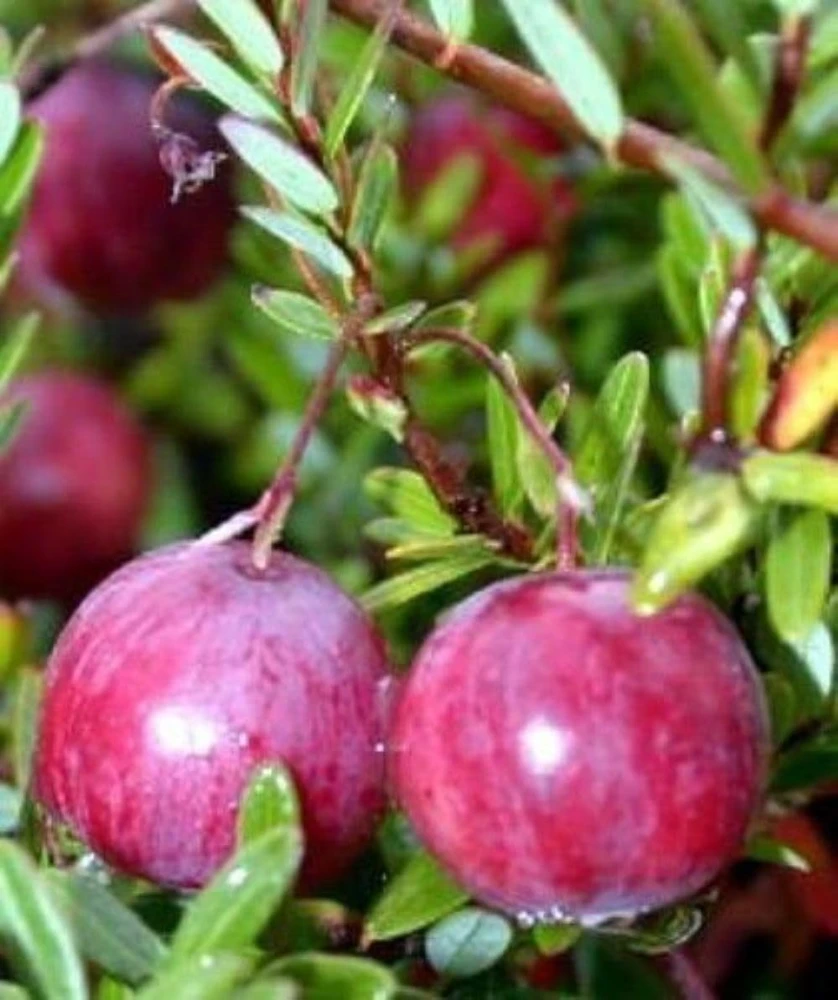
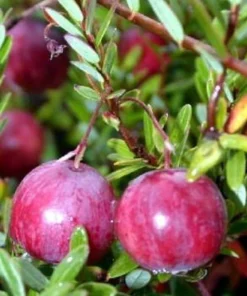
Cultivate your own delicious fruit with the american cranberry bush. This vaccinium macrocarpon plant in a 3.25″ pot is perfect for creating attractive, edible groundcover. Enjoy its unique flavor and high vitamin content, ideal for zones 4-8.
Estimated arrival
Sep 29
Oct 04 - Oct 06
Oct 09 - Oct 13
Shop With Confidence
30-Day Plant Health Guarantee
Arrives damaged? We’ll replace it free — see our return policy.
Responsive Support
Email us anytime, we reply within 1 business day.
Expert Packaging
Temperature-controlled shipping to protect your plants in transit.
Secure Checkout
Pay safely with Visa, Mastercard, PayPal.
Plant Specifications
-
USDA Hardiness Zone
4-8 -
Soil Type
Acidic, well-draining soil -
Sunlight Exposure
Full sun -
Expected Planting Period
Spring to early summer
Overview
Bring the beauty and bounty of nature to your garden with the american cranberry bush, also known by its botanical name, Vaccinium macrocarpon. This versatile live plant is a fantastic choice for gardeners looking for both ornamental appeal and edible fruit. Native to the United States, the American Cranberry has been cherished for centuries for its distinctive tart flavor and impressive nutritional profile, packed with essential vitamins. While often associated with bogs, this resilient plant thrives in a variety of upland soils, making it accessible to a wider range of home gardeners. Our american cranberry bush arrives in a convenient 3.25-inch pot, ready to establish itself and transform your landscape into a productive and attractive space. It’s an excellent choice for those interested in growing cranberries at home.
This low-growing perennial forms a dense, spreading mat of delicate vines and leaves, reaching a mature height of 8-10 inches while extending outwards to cover significant areas. Beyond its groundcover capabilities, the American Cranberry is a delightful addition to any edible landscape, providing a harvest of tart berries that can be used in a multitude of culinary creations. Whether you’re an experienced gardener or just starting, this robust plant offers a rewarding experience and a delicious yield. Discover the joy of cultivating your own superfood with this remarkable vaccinium macrocarpon plant.
Key Benefits
The american cranberry bush offers a multitude of advantages for your garden and your plate, making it a highly desirable addition for various reasons. From its aesthetic appeal to its health benefits, this plant is a true garden gem.
- Delicious Edible Fruit: Harvest your own fresh, tart cranberries, renowned for their unique flavor and high vitamin content. These berries are perfect for sauces, jams, juices, or as a healthy snack.
- Excellent Groundcover: With its low-growing, spreading habit, this plant forms a thick, attractive mat, making it an ideal choice for cranberry groundcover in sunny areas, suppressing weeds and preventing soil erosion.
- Hardy and Resilient: Thrives in USDA Zones 4-8, demonstrating strong adaptability to various climates. It’s a robust plant that can withstand colder temperatures.
- Ornamental Appeal: Beyond its fruit, the delicate leaves and spreading vines provide year-round visual interest, especially when adorned with its bright red berries in autumn.
- Wildlife Attractor: The berries can attract beneficial birds and other wildlife to your garden, enhancing biodiversity.
- Low Maintenance: Once established, the vaccinium macrocarpon plant requires minimal care, making it suitable for busy gardeners.
- Versatile Planting: Can be grown in traditional garden beds, as a border plant, or even in larger containers, offering flexibility in garden design.
Plant Care & Growing Tips
Caring for your american cranberry bush is straightforward, especially when you understand its basic needs. This resilient plant, perfect for growing cranberries, prefers sunny locations and well-draining soil, despite its association with bogs. For optimal growth and fruit production, select a site that receives full sun, meaning at least 6-8 hours of direct sunlight per day. While they can tolerate some partial shade, more sun generally leads to a more abundant harvest. When it comes to soil, cranberries prefer acidic conditions (pH 4.0-5.5). If your soil is not naturally acidic, you can amend it with peat moss or sulfur before planting. Good drainage is crucial; avoid heavy, waterlogged soils, as this can lead to root rot. However, the soil should remain consistently moist, especially during fruit development.
Watering should be regular, particularly during dry spells and when the plant is establishing. Aim to keep the soil evenly moist but not saturated. Fertilize sparingly with a fertilizer formulated for acid-loving plants, such as those used for blueberries or azaleas, typically in early spring. Avoid over-fertilizing, as this can harm the plant. The cranberry plant care routine also includes light pruning to encourage new growth and maintain shape. Remove any dead or damaged vines in late winter or early spring. This plant is hardy in USDA Zones 4-8, meaning it can tolerate a wide range of winter temperatures. In colder zones, a layer of mulch around the base can provide extra protection. Keep an eye out for common pests like cranberry fruit worm or diseases like fruit rot, though these are less common in home garden settings.
Size & Details
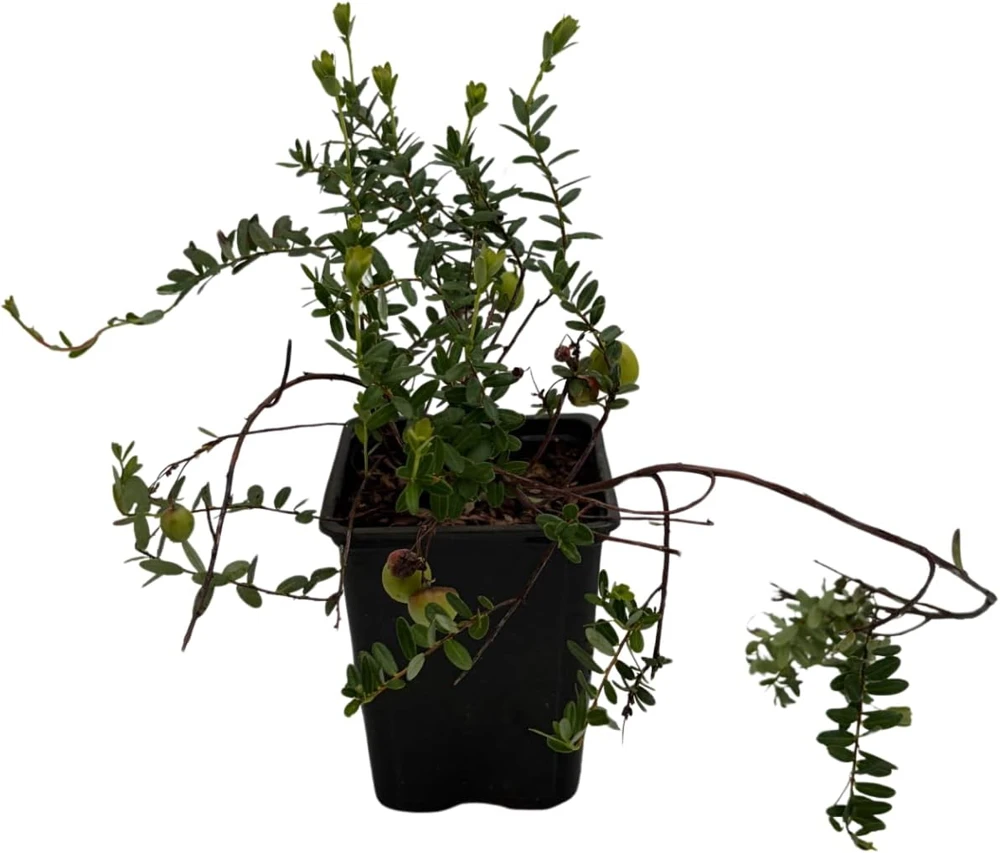
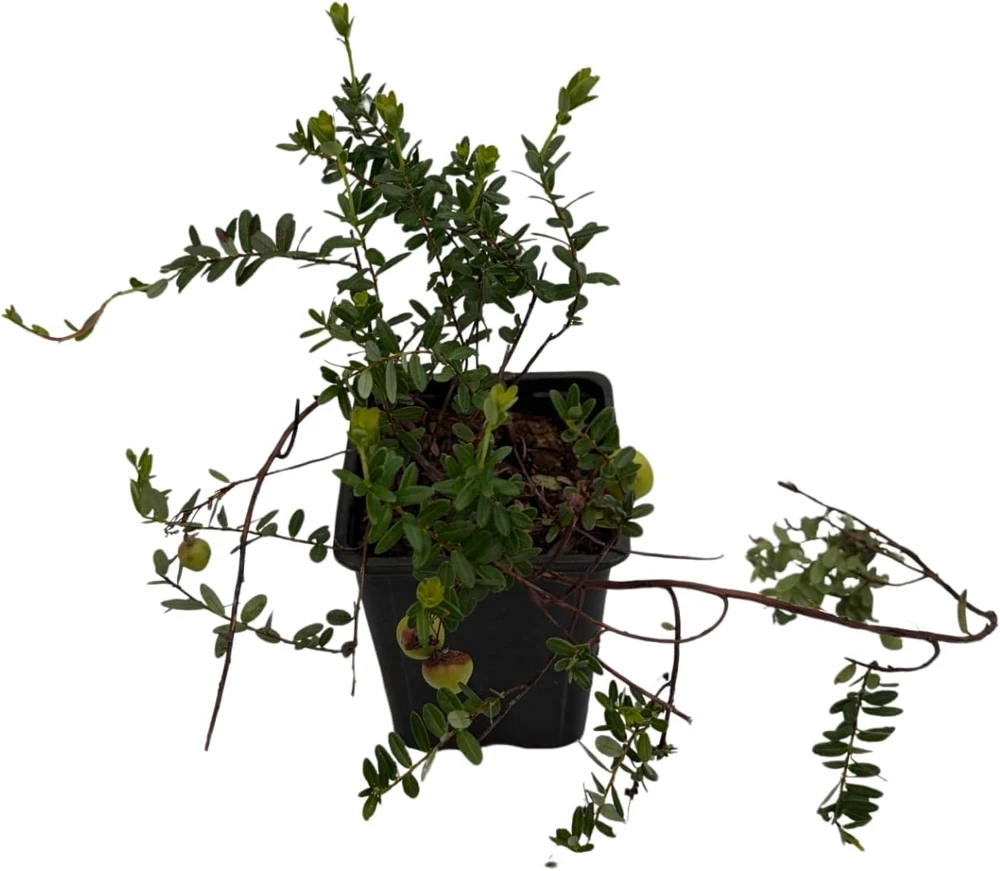
This american cranberry bush arrives as a healthy live plant, carefully nurtured in a 3.25-inch nursery pot, ready for transplanting into your garden or a larger container. At maturity, these plants typically reach a height of 8 to 10 inches, forming a dense, sprawling mat that can spread several feet wide, making them an excellent choice for cranberry groundcover. The growth rate is moderate, and you can expect the plant to begin establishing itself and expanding within the first growing season. While fruit production can start in the second or third year, a significant harvest typically begins once the plant is well-established, usually by the third to fifth year.
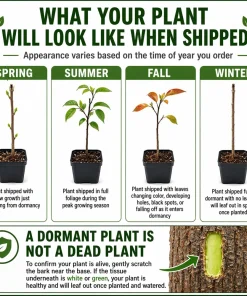
The plant is shipped dormant during winter months to ensure its health and minimize transplant shock. Measurements provided are approximate, as natural variation occurs. The Vaccinium macrocarpon is a long-lived perennial, offering many years of beauty and delicious fruit with proper care. Its compact yet spreading nature makes it suitable for various landscape applications, from filling in sunny borders to creating an edible underplanting for larger shrubs and trees.
Frequently Asked Questions
- Q: How big does this plant get? A: The american cranberry bush typically grows to a height of 8-10 inches and spreads outward to form a thick mat of vines, often several feet wide, making it great for groundcover.
- Q: What size pot does it come in? A: This vaccinium macrocarpon plant is shipped in a 3.25-inch nursery pot, ready for you to transplant into its permanent location.
- Q: Is this an indoor or outdoor plant? A: The American Cranberry Bush is primarily an outdoor plant, thriving in garden settings where it can receive full sun. It is hardy in USDA Zones 4-8.
- Q: How much sunlight does it need? A: This plant loves the sun! For best results and fruit production, ensure it receives at least 6-8 hours of direct sunlight per day.
- Q: Is this plant easy to care for? A: Yes, once established, the american cranberry bush is relatively low-maintenance. It requires consistent moisture and acidic, well-draining soil, but overall cranberry plant care is straightforward.
- Q: What condition will it arrive in? A: Your plant will arrive healthy and well-packaged. During winter, it may be shipped dormant, which is a natural state for the plant and beneficial for transplanting.
- Q: Can I use the cranberries for cooking? A: Absolutely! The cranberries from this bush have a unique, tart flavor and are high in vitamins, perfect for making sauces, jams, pies, or juices. This is a key benefit of growing cranberries.
- Q: How long until it blooms and produces fruit? A: While the plant will establish quickly, significant fruit production usually begins in its third to fifth year, after it has had time to mature and spread.
- Q: When is the best time to plant? A: Spring is generally the best time to plant your american cranberry bush, allowing it ample time to establish roots before the heat of summer or the cold of winter.
- Q: Will it survive winter in my zone? A: Yes, if you are in USDA Zones 4-8, this plant is winter-hardy. In colder zones, providing a layer of mulch can offer extra protection.
Be the first to review “American Cranberry Bush Live Plant – 3.25″ Pot – Groundcover for Zones 4-8”
People Also Viewed

Reviews
There are no reviews yet.