
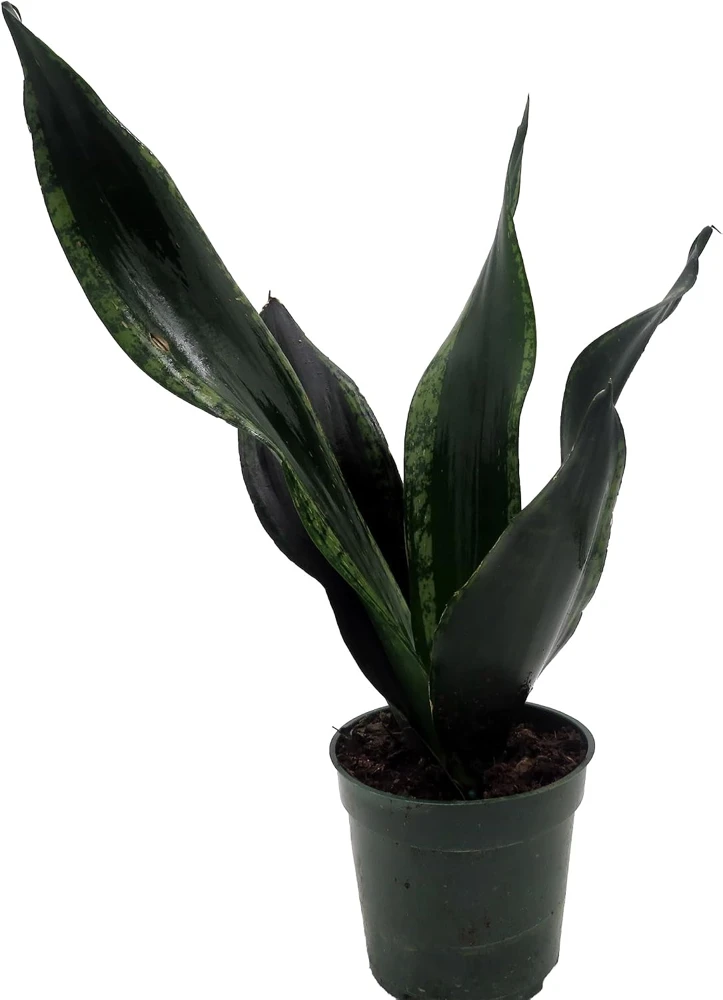
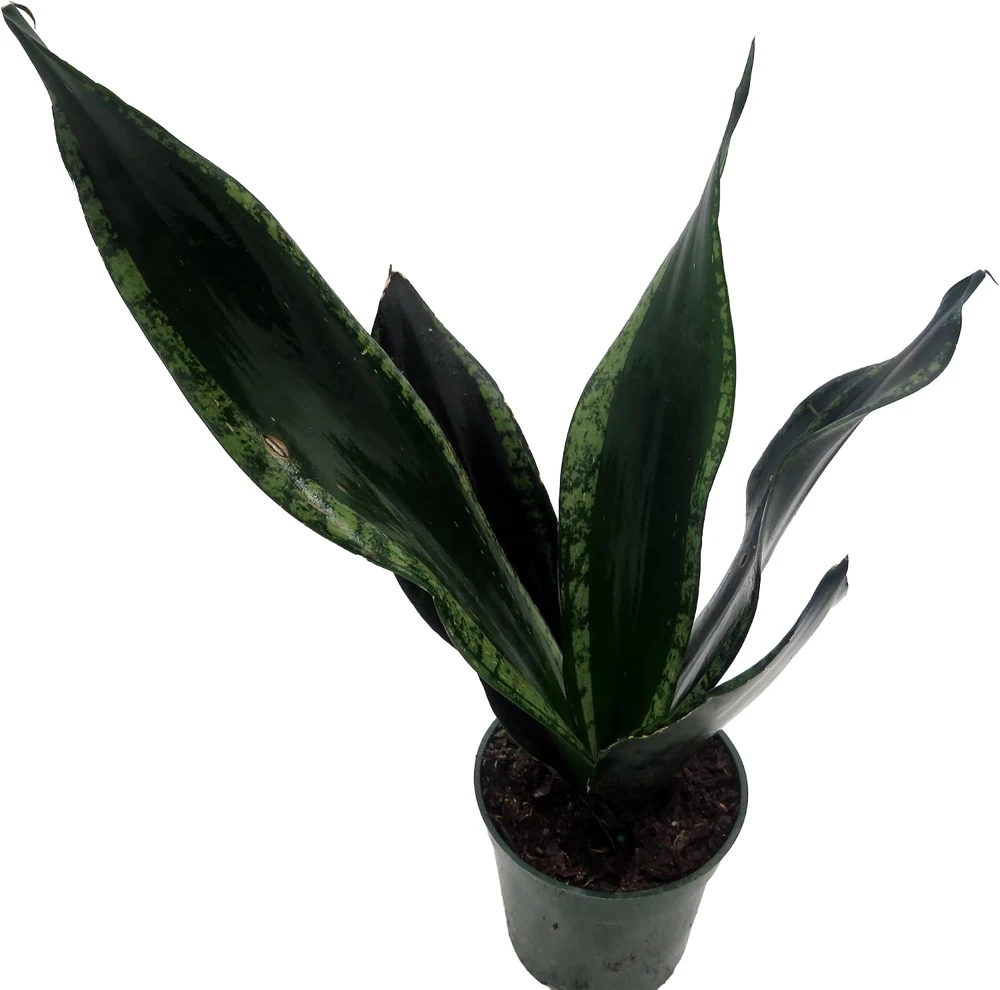
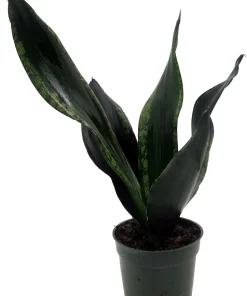
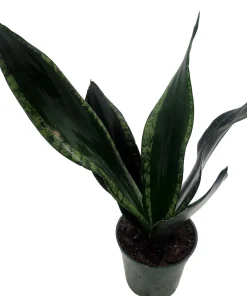
Whitney Snake Plant Live Plant – Sansevieria – Easy Care Indoor Houseplant – 4 inch Pot
Original price was: $46.99.$36.99Current price is: $36.99.
Bring home the resilient Whitney Snake Plant indoor, also known as Sansevieria or mother in law tongue plant. This easy-to-care-for houseplant thrives in various light conditions and is an excellent choice for beginners. Known for its air-purifying qualities, it adds natural beauty to any indoor space.
Estimated arrival
Sep 29
Oct 04 - Oct 06
Oct 09 - Oct 13
Shop With Confidence
30-Day Plant Health Guarantee
Arrives damaged? We’ll replace it free — see our return policy.
Responsive Support
Email us anytime, we reply within 1 business day.
Expert Packaging
Temperature-controlled shipping to protect your plants in transit.
Secure Checkout
Pay safely with Visa, Mastercard, PayPal.
Plant Specifications
-
USDA Hardiness Zone
USDA zones 9-11 (outdoors), typically grown indoors -
Soil Type
Well-draining potting mix (succulent/cactus mix recommended) -
Sunlight Exposure
Bright indirect light to low light -
Expected Planting Period
Year-round indoors
Overview
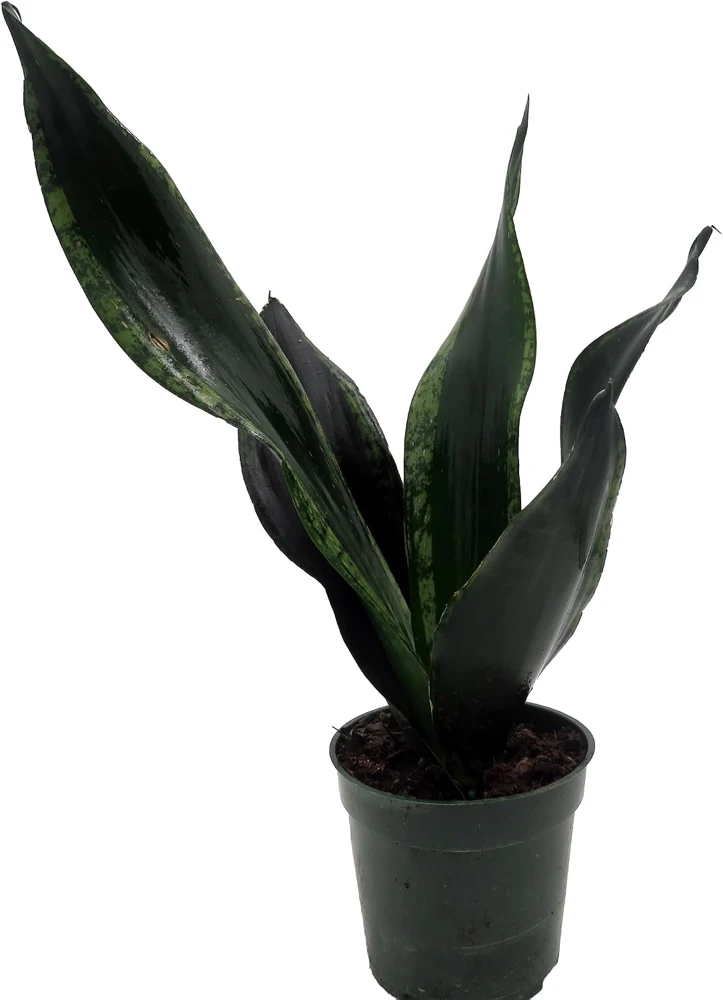
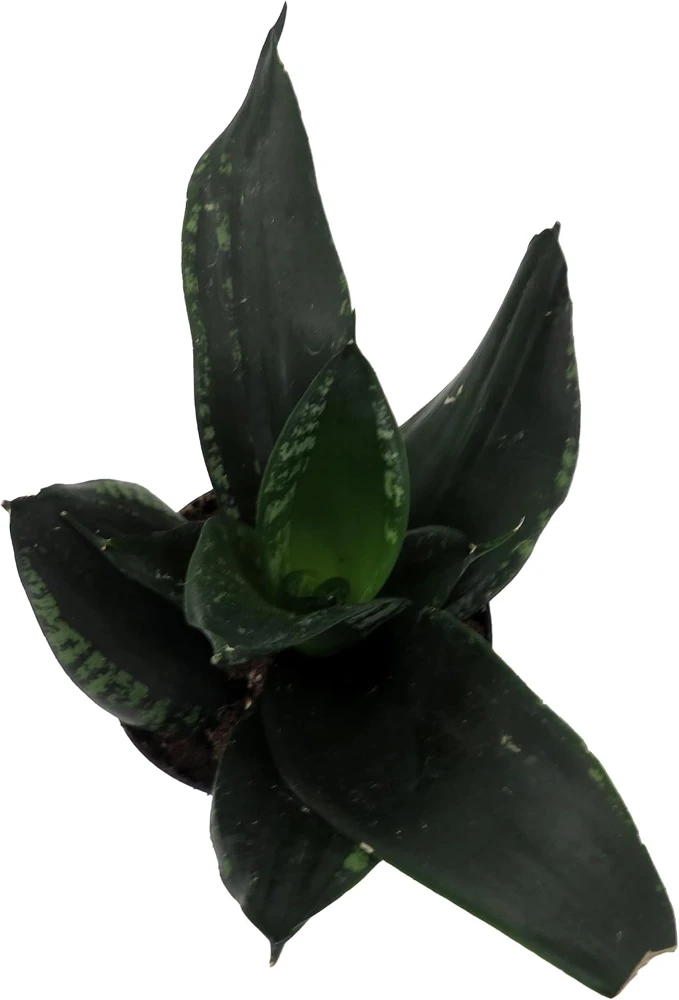
Introducing the Whitney Snake Plant indoor, a remarkably resilient and visually striking addition to any home or office. Commonly known as Sansevieria trifasciata ‘Whitney’, or by its charming nicknames mother in law tongue plant and Snake Plant, this live plant is celebrated for its upright, sword-like leaves with distinctive dark green centers and light green to yellow margins. Originating from West Africa, Sansevierias have a rich history, revered in cultures like ancient China for bestowing virtues of long life, prosperity, and health upon their growers. These plants are not just decorative; they are also highly functional, known for their ability to purify indoor air, a benefit even recognized by NASA’s clean air study. The Whitney variety is particularly compact and elegant, making it an ideal choice for desks, shelves, or as part of a larger plant collection. Its ‘impossible to kill’ reputation makes it a favorite among both seasoned plant enthusiasts and those just starting their green journey.
This particular snake plant indoor comes in a convenient 4 inch pot, ready to enhance your living environment with minimal effort. Its architectural form and striking foliage provide a modern aesthetic, while its robust nature ensures longevity and continuous beauty. Whether you’re looking for a low-maintenance plant to brighten a dim corner or a powerful air purifier, the Whitney Snake Plant is an excellent selection that combines beauty with practicality.
Key Benefits
The Whitney Snake Plant indoor offers a multitude of benefits, making it one of the most popular and sought-after houseplants. Its unique qualities contribute significantly to a healthier and more aesthetically pleasing living space. Choosing this plant means investing in both beauty and well-being.
- Exceptional Air Purification: The snake plant indoor is renowned for its ability to filter indoor air, removing toxins such as formaldehyde, benzene, xylene, and trichloroethylene. Unlike many plants, it performs photosynthesis and converts carbon dioxide into oxygen at night, making it an ideal bedroom plant for improved air quality while you sleep.
- Incredibly Low Maintenance: Often dubbed the ‘impossible to kill’ plant, the Whitney Snake Plant requires minimal attention. It tolerates infrequent watering and a wide range of light conditions, making it perfect for busy individuals, beginners, or those who travel frequently. Its resilience means less worry and more enjoyment.
- Striking Ornamental Appeal: With its stiff, upright leaves and attractive variegated patterns, the mother in law tongue plant adds a touch of modern elegance and architectural interest to any room. Its unique form can act as a focal point or complement existing decor, enhancing the visual appeal of your home or office.
- Drought Tolerant: This plant is highly adapted to dry conditions, storing water in its thick leaves. This makes it extremely forgiving if you forget to water it, ensuring it remains vibrant even with occasional neglect.
- Adaptable to Various Light Conditions: While it thrives in bright, indirect light, the Whitney Snake Plant can also tolerate low light environments, making it versatile for placement in almost any room of your house, from sunny windowsills to dimly lit corners.
- Compact and Space-Saving: The Whitney variety is known for its relatively compact growth habit, making it an excellent choice for smaller spaces, desks, shelves, or as part of a tabletop arrangement. Its vertical growth minimizes its footprint while maximizing its visual impact.
- Promotes Positive Energy: In various cultures, Sansevierias are believed to bring good luck and positive energy. The Chinese folklore, for example, suggests that the plant bestows virtues and protection upon the household, adding a layer of cultural richness to its presence.
Plant Care & Growing Tips
Caring for your Whitney Snake Plant indoor is remarkably straightforward, reinforcing its reputation as one of the easiest houseplants to grow. Its adaptability means it can forgive many common plant care mistakes, making it an excellent choice for beginners and experienced gardeners alike. Understanding its basic needs will ensure your sansevieria plant care routine is minimal yet effective, allowing your plant to thrive for years.
Sunlight Requirements: While the Snake Plant can tolerate low light, it truly flourishes in bright, indirect light. A spot near a window that receives filtered sunlight is ideal. Direct, harsh sunlight can scorch its leaves, while very low light may slow its growth and diminish the vibrancy of its variegation. Aim for a location where it receives several hours of bright, indirect light daily. For optimal growth and color, place it where it can get morning sun or filtered afternoon sun.
Watering Schedule and Soil Moisture: Overwatering is the most common cause of problems for a mother in law tongue plant. Allow the soil to dry out completely between waterings. During the growing season (spring and summer), you might water every 2-4 weeks, depending on your environment. In winter, reduce watering significantly, perhaps once a month or even less. Always check the soil moisture by sticking your finger about two inches deep; if it feels dry, it’s time to water. Ensure the pot has drainage holes to prevent waterlogging.
Soil Type and Drainage Requirements: A well-draining potting mix is crucial for the health of your snake plant indoor. A standard succulent or cactus mix works perfectly. If using a regular potting mix, amend it with perlite or coarse sand to improve drainage. Good drainage prevents root rot, which is fatal for Sansevierias. Repotting is rarely needed as these plants prefer to be slightly root-bound.
Temperature Range and USDA Hardiness Zone: Snake Plants prefer temperatures between 65-80°F (18-27°C). They are not tolerant of cold and should be protected from temperatures below 50°F (10°C). As an indoor plant, it doesn’t have a specific USDA hardiness zone, but if kept outdoors in warmer climates, it would typically fall within USDA zones 9-11. Avoid placing it near drafty windows or air conditioning vents.
Fertilization Schedule and Type: Fertilize sparingly. During the growing season (spring and summer), you can feed your Sansevieria with a balanced liquid houseplant fertilizer diluted to half strength once every 2-3 months. Do not fertilize in fall or winter when the plant’s growth slows down. Excessive fertilization can lead to salt buildup in the soil, which can harm the plant.
Common Problems and Solutions: The Whitney Snake Plant is generally pest-resistant. The most common issues arise from improper watering. Yellowing or mushy leaves usually indicate overwatering and potential root rot. If this occurs, reduce watering and consider repotting in fresh, dry soil after inspecting and trimming any rotten roots. Brown leaf tips can be a sign of underwatering or low humidity, though the plant tolerates dry air well. Overall, proper sansevieria plant care is simple: err on the side of underwatering rather than overwatering.
Size & Details
This offering is for one live Whitney Snake Plant indoor, presented in a 4 inch nursery pot. The plant’s overall height can vary but typically ranges from 8 to 12 inches from the base of the pot to the tip of its tallest leaf at the time of shipment. The Whitney variety is known for its compact and upright growth habit, making it an excellent choice for smaller spaces or as a desk plant. While it can eventually reach up to 2-3 feet tall under ideal conditions, its growth rate is moderate, allowing you to enjoy its current size for an extended period.
The plant ships as a fully rooted, healthy specimen in its original nursery container with soil, ensuring a smooth transition to your home. It’s ready to be placed directly in your desired decorative pot or remain in its nursery pot for a while. The 4 inch pot size provides ample space for initial growth before any repotting might be considered, which typically isn’t needed for 1-2 years. The thick, succulent-like leaves of this air purifying plant are characteristic of the Sansevieria genus, designed to store water and contribute to its remarkable drought tolerance. Expect a robust and vibrant plant upon arrival, perfectly packaged to ensure its safety during transit.
Frequently Asked Questions
- Q: How big does this snake plant indoor get? A: The Whitney Snake Plant is a compact variety. While it can eventually reach up to 2-3 feet tall with maturity, the plant you receive in a 4 inch pot will typically be 8-12 inches tall. Its growth rate is moderate, allowing it to maintain a manageable size for a long time.
- Q: What size pot does it come in? A: This Whitney Snake Plant indoor is shipped in a standard 4 inch diameter nursery pot. This size is ideal for a young plant and allows for easy placement into a decorative planter of your choice.
- Q: Is this an indoor or outdoor plant? A: The Whitney Snake Plant is primarily grown as an indoor houseplant due to its sensitivity to cold temperatures. In USDA zones 9-11, it can be grown outdoors in a protected, shaded area, but it thrives best in an indoor environment.
- Q: How much sunlight does the mother in law tongue plant need? A: This plant prefers bright, indirect light but is highly tolerant of low light conditions. Avoid direct, intense sunlight which can scorch its leaves. It can adapt to almost any light level in your home.
- Q: Is this plant easy to care for? Is it good for beginners? A: Yes, the Whitney Snake Plant is one of the easiest houseplants to care for and is highly recommended for beginners. Its drought tolerance and adaptability to various light conditions make sansevieria plant care very forgiving.
- Q: What condition will it arrive in? Is it shipped in soil? A: Your air purifying plant will arrive as a healthy, live specimen in its original 4 inch nursery pot, complete with soil. It will be carefully packaged to ensure its safe arrival and readiness for display.
- Q: Is this plant pet-safe? A: No, Sansevierias are considered mildly toxic if ingested by pets, causing symptoms like nausea or vomiting. It’s best to keep the plant out of reach of curious pets.
- Q: How often should I water my snake plant indoor? A: Water sparingly. Allow the soil to dry out completely between waterings. This could be every 2-4 weeks during warmer months and even less frequently in winter. Overwatering is the biggest threat to this plant.
- Q: Does this plant help purify the air? A: Yes, the Snake Plant is well-known for its air-purifying qualities. It can remove common indoor toxins like formaldehyde and benzene, contributing to healthier indoor air. It also produces oxygen at night.
- Q: When is the best time to repot my easy care houseplant? A: Snake Plants prefer to be slightly root-bound, so repotting is not frequently needed, perhaps every 2-3 years. The best time to repot is during the spring or early summer when the plant is actively growing.
Be the first to review “Whitney Snake Plant Live Plant – Sansevieria – Easy Care Indoor Houseplant – 4 inch Pot”
People Also Viewed
Flowers
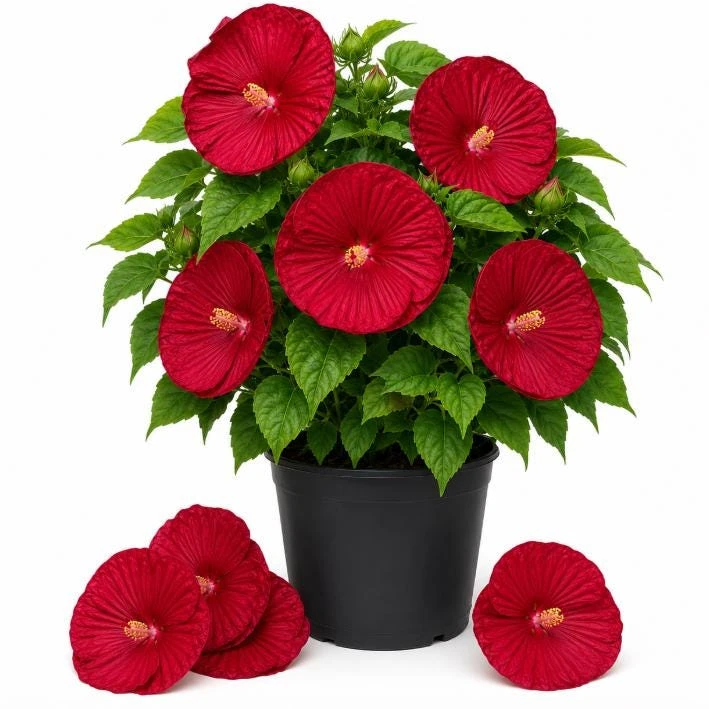
Hibiscus Luna Red Live Plant 4-6 Inches Tall – Vibrant Red Blooms for Outdoor Gardens & Patios





Reviews
There are no reviews yet.