
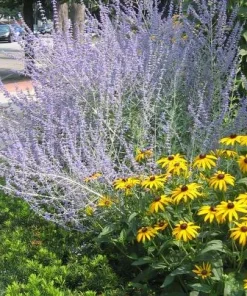
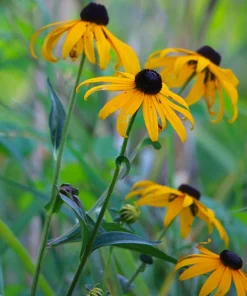
5 Black-Eyed Susan Rudbeckia Wildflower Bare Root Plants – Outdoor Sun Perennial
Original price was: $79.99.$54.99Current price is: $54.99.
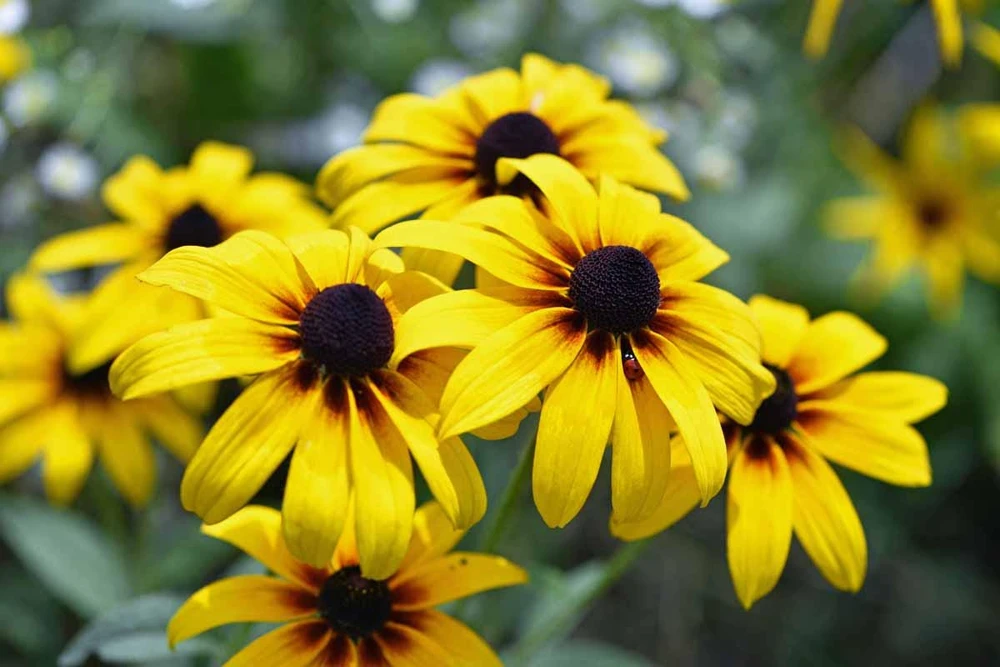
Cultivate vibrant color with a 5-pack of black-eyed susan bare root plants. These rudbeckia wildflower perennials are known for their golden-yellow petals and dark centers, thriving in full sun and adding cheerful beauty to any outdoor landscape.
Estimated arrival
Sep 29
Oct 04 - Oct 06
Oct 09 - Oct 13
Shop With Confidence
30-Day Plant Health Guarantee
Arrives damaged? We’ll replace it free — see our return policy.
Responsive Support
Email us anytime, we reply within 1 business day.
Expert Packaging
Temperature-controlled shipping to protect your plants in transit.
Secure Checkout
Pay safely with Visa, Mastercard, PayPal.
Plant Specifications
-
USDA Hardiness Zone
USDA Zones 3–9 -
Soil Type
Well-draining, average garden soil -
Sunlight Exposure
Full sun -
Expected Planting Period
Spring or Fall
Overview
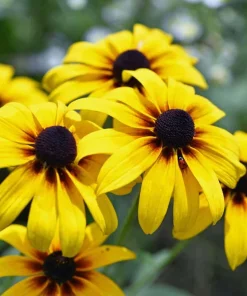
Transform your garden into a vibrant haven with this 5-pack of black-eyed susan bare root plants. Black-eyed Susans, scientifically known as Rudbeckia hirta, are iconic North American wildflowers celebrated for their cheerful disposition and striking appearance. These resilient, sun-loving perennials are a favorite among gardeners for their ease of care and long-lasting blooms. Each bare root offers a robust start for a healthy plant, ensuring a beautiful display of golden-yellow petals surrounding a distinctive dark brown center. Perfect for borders, mass plantings, or naturalized areas, these Rudbeckia wildflowers will add a touch of classic American charm to your outdoor space, attracting pollinators and delighting observers throughout the growing season.
These rudbeckia wildflower plants are shipped as dormant bare roots, an excellent way to establish strong, healthy plants in your garden. Once planted, they quickly establish themselves, growing into mature plants that reliably produce their signature blooms year after year. Their adaptability to various soil conditions and their drought tolerance once established make them an ideal choice for both novice and experienced gardeners seeking low-maintenance beauty.
Key Benefits
Planting these perennial rudbeckia bare roots offers a multitude of advantages for your garden and local ecosystem. Their striking appearance and hardiness make them a valuable addition to any landscape.
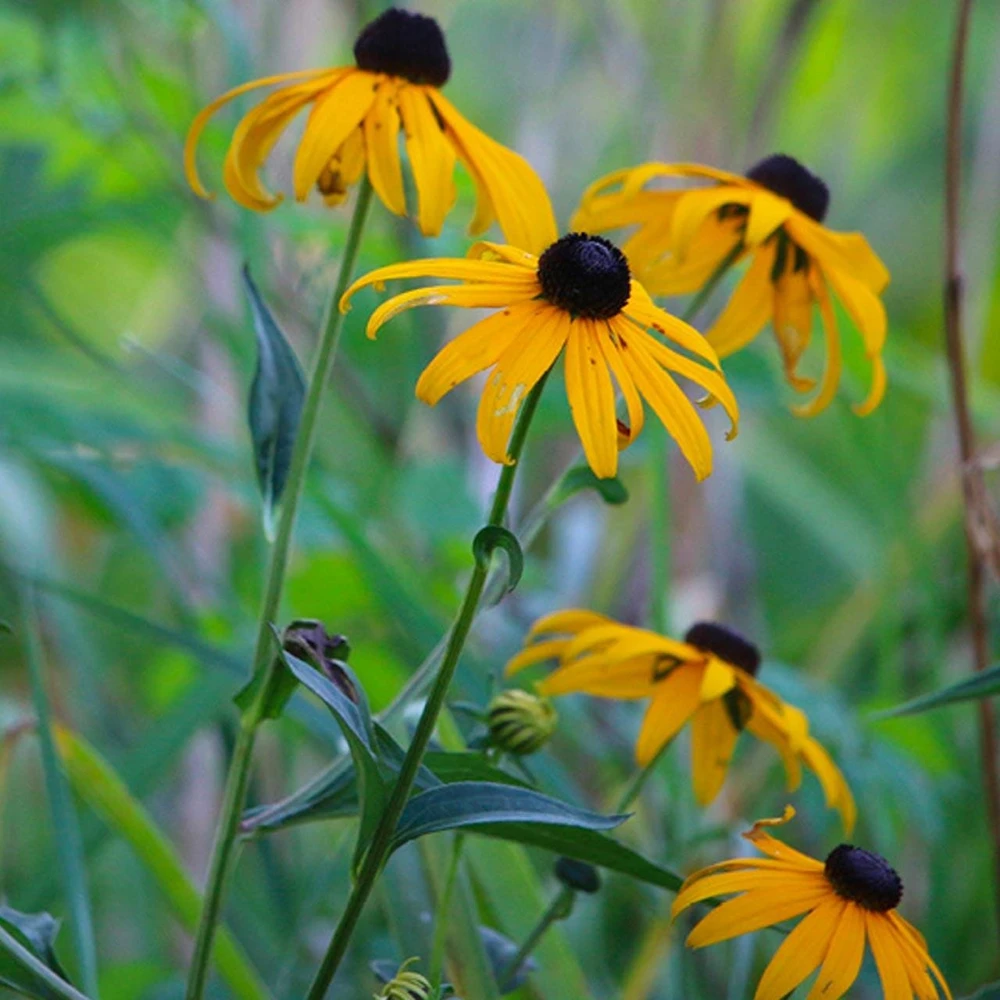
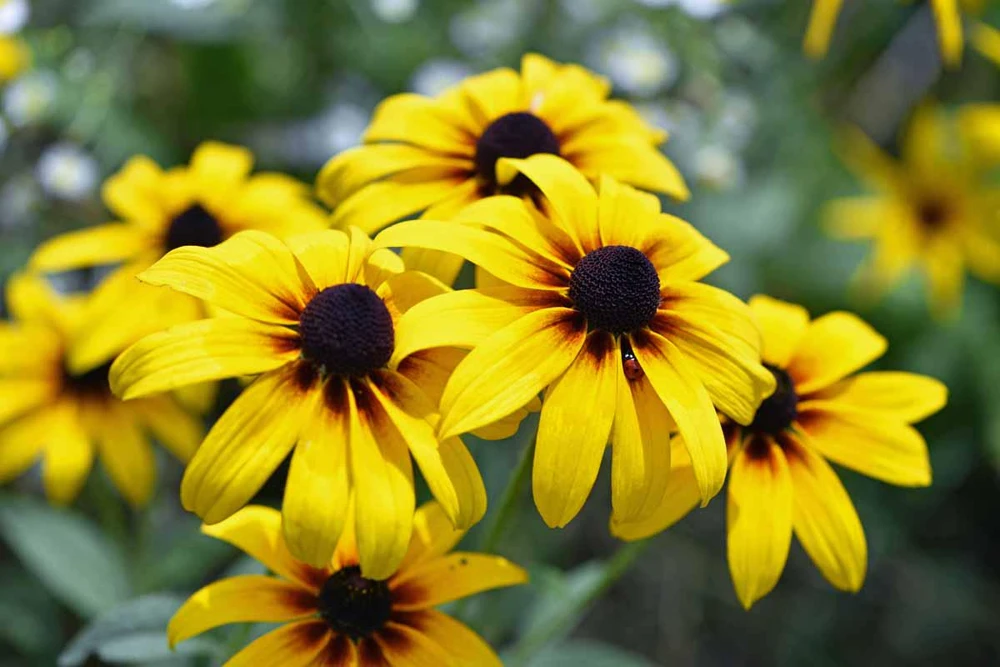
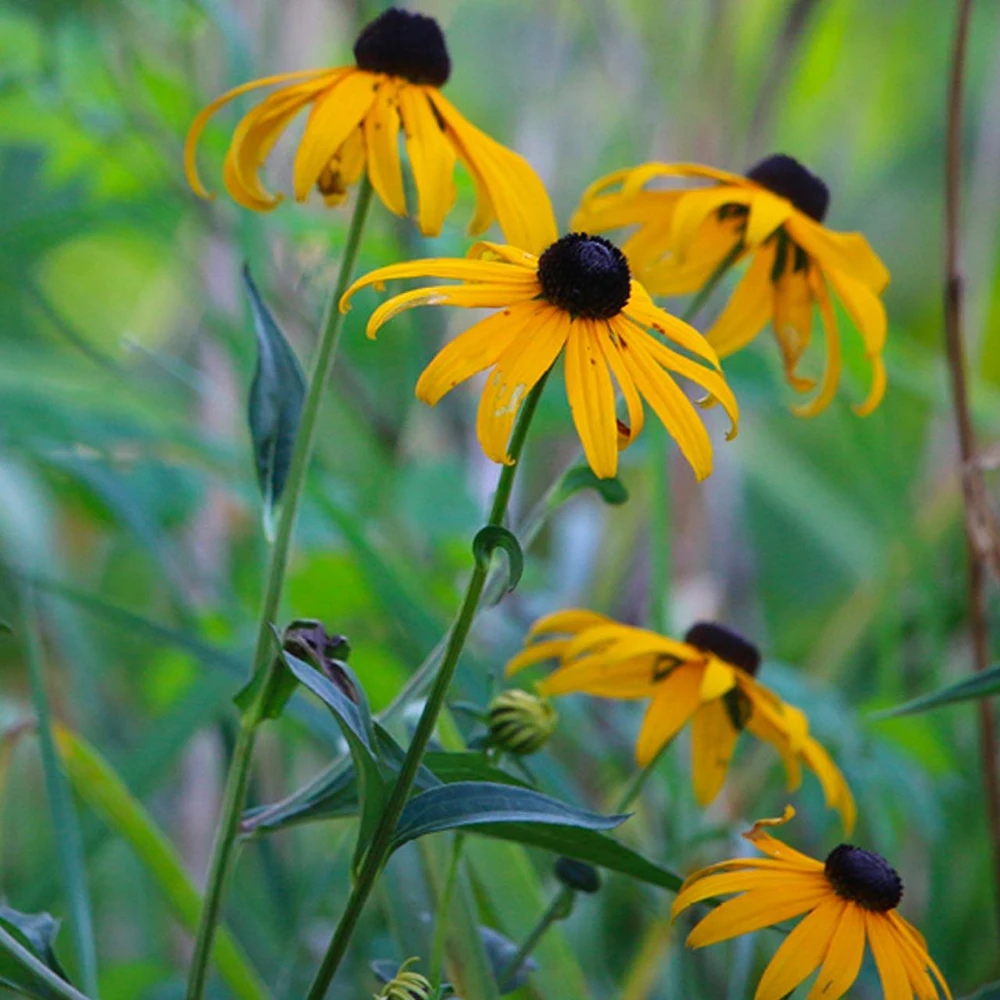
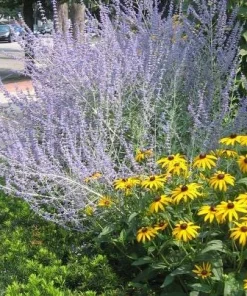
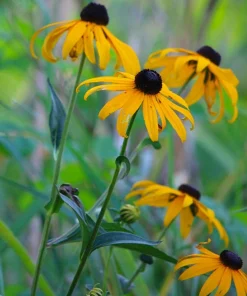
- Stunning Visual Appeal: Enjoy a profusion of bright golden-yellow flowers with contrasting dark brown centers from summer through fall, providing continuous color when many other plants have faded. The classic look of the black-eyed susan bare root is instantly recognizable and adds a cheerful touch to any setting.
- Attracts Pollinators: These wildflowers are a magnet for beneficial insects like bees, butterflies, and other pollinators, contributing to the health and biodiversity of your garden ecosystem.
- Low Maintenance & Drought Tolerant: Once established, Rudbeckia are incredibly resilient, requiring minimal watering and care. They are known for their ability to thrive in less-than-ideal conditions, making them a perfect choice for busy gardeners.
- Deer Resistant: Their coarse, hairy foliage is generally unappealing to deer, offering a natural defense against common garden pests.
- Excellent Cut Flowers: The long-lasting blooms make fantastic additions to fresh floral arrangements, bringing the beauty of your garden indoors.
- Hardy & Resilient: Thriving across a wide range of USDA zones, these plants are known for their hardiness and ability to return year after year, providing reliable beauty.
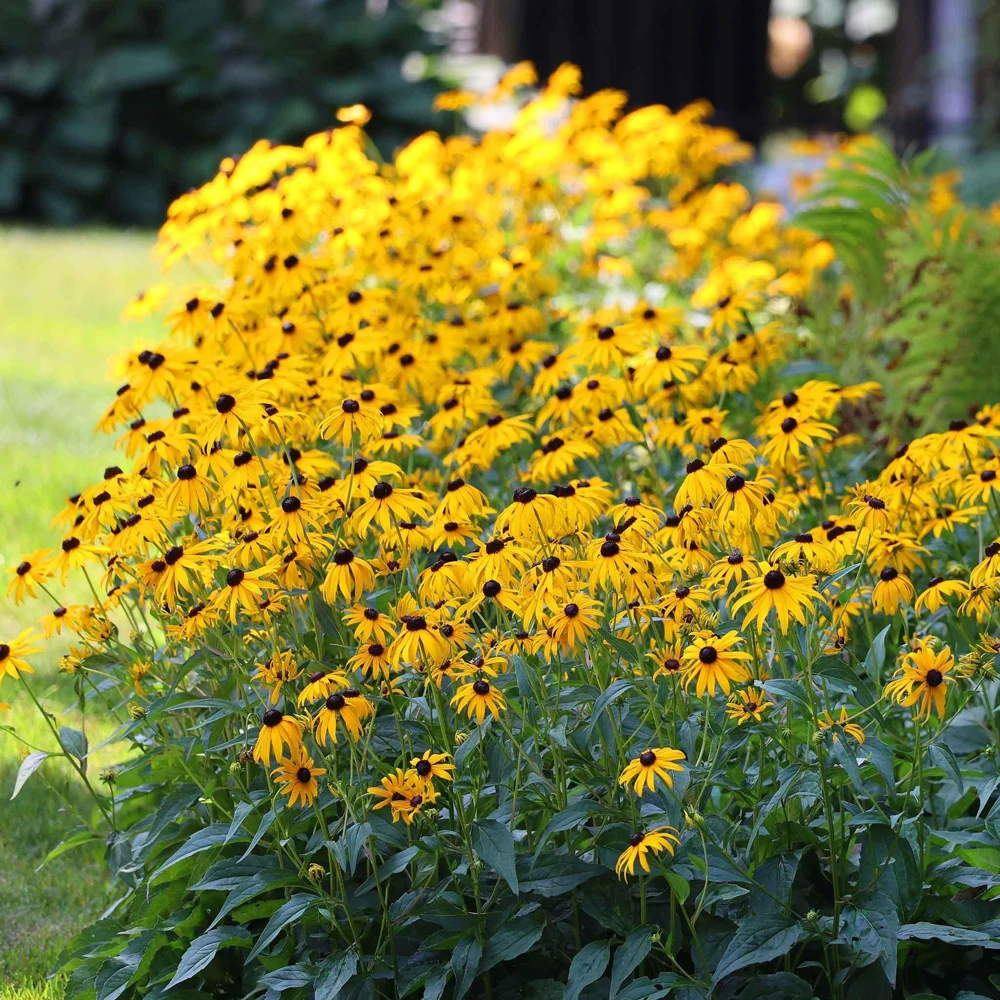
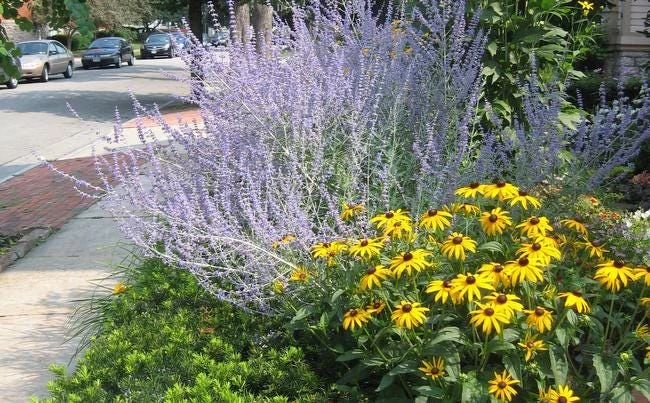
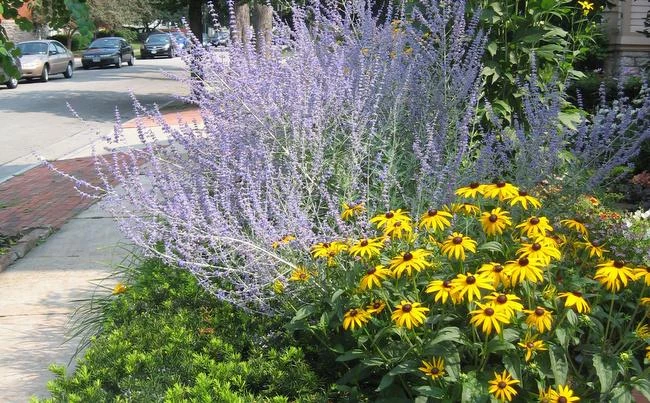
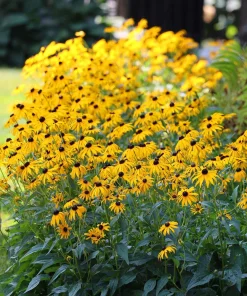
- Versatile Landscape Use: Ideal for naturalizing, cottage gardens, borders, and meadow plantings, their vibrant color and robust growth make them suitable for diverse garden designs. These sun-loving wildflower plants adapt well to many garden styles.
Plant Care & Growing Tips
Caring for your rudbeckia bare root plants is straightforward, ensuring a spectacular display of blooms. These wildflowers are quite adaptable, but providing optimal conditions will lead to the healthiest and most prolific growth. Black-eyed Susans are truly sun-loving wildflower plants, requiring ample sunlight to flourish. They perform best in full sun, meaning at least 6-8 hours of direct sunlight per day. While they can tolerate partial shade, too little sun may result in leggy growth and fewer flowers. Choose a location in your garden that receives abundant light throughout the day.
When it comes to watering, newly planted bare roots will need consistent moisture to help them establish. Once established, Rudbeckia are quite drought tolerant and prefer well-draining soil. Water deeply once or twice a week during dry periods, allowing the top inch or two of soil to dry out between waterings. Avoid overwatering, as this can lead to root rot. The ideal soil for these plants is well-drained, average to rich garden soil. They are not particular about soil pH but will benefit from some organic matter. They are hardy in USDA Zones 3–9, making them suitable for a wide range of climates. Fertilization is generally not necessary in rich soil, but a light application of a balanced, slow-release granular fertilizer in spring can encourage more vigorous growth and blooming, especially if your soil is poor. Deadheading spent blooms will encourage more flowering and prevent excessive self-seeding. Watch out for common pests like aphids, which can usually be managed with a strong spray of water or insecticidal soap.
Size & Details
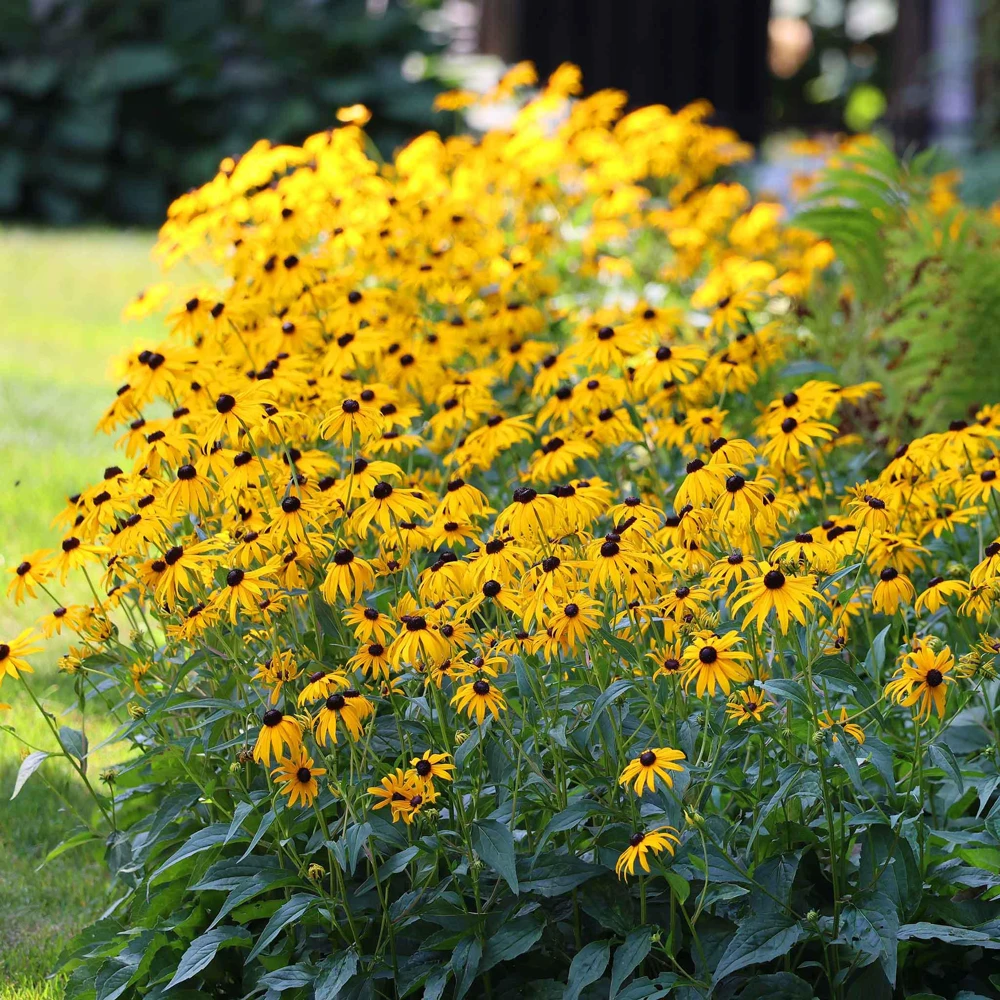
This offering includes 5 individual black-eyed susan bare root plants, ready for planting. Each bare root is a dormant plant, carefully packaged to ensure its health during transit. Once planted, these resilient wildflowers typically grow 1–3 feet tall and spread 1–2 feet wide, forming attractive clumps of foliage and flowers. The growth rate is moderate, with plants generally reaching their mature size and blooming profusely in their first full growing season. Expect to see their signature golden-yellow blooms from mid-summer through fall, providing continuous color for several months. They are shipped dormant, ensuring they are ready to burst into life once planted in their new garden home. The specific dimensions of each bare root can vary slightly, but they are all viable and ready for planting to become beautiful perennial rudbeckia plants.
Frequently Asked Questions
- Q: How big do these Black-Eyed Susan plants get? A: Once established, these black-eyed susan bare root plants typically grow to a height of 1–3 feet and spread about 1–2 feet wide, forming a nice bushy clump. Their size can vary slightly based on growing conditions and climate.
- Q: Are these an indoor or outdoor plant? A: Black-Eyed Susans (Rudbeckia) are outdoor perennial wildflowers. They require full sun and are not suitable for indoor cultivation, thriving in garden beds, borders, and naturalized areas.
- Q: How much sunlight does a Rudbeckia need? A: These are truly sun-loving wildflower plants. For optimal growth and abundant blooms, they need at least 6-8 hours of direct sunlight per day. They can tolerate some partial shade, but full sun is preferred.
- Q: Is this plant easy to care for? A: Yes, Black-Eyed Susans are known for being very easy to care for and are an excellent choice for beginner gardeners. Once established, they are drought-tolerant and require minimal maintenance.
- Q: What condition will the bare roots arrive in? A: Your rudbeckia bare root plants will arrive in a dormant state, carefully packaged to ensure their health. They will appear to be just roots, which is normal for bare root plants, ready to be planted and begin growing.
- Q: When is the best time to plant Black-Eyed Susan bare roots? A: The best time to plant bare roots is typically in the spring after the last frost, or in the fall before the ground freezes. This allows them to establish their root systems before extreme temperatures.
- Q: Will these plants survive winter in my zone? A: Yes, these perennial rudbeckia plants are hardy in USDA Zones 3–9, meaning they are well-equipped to survive winter in a wide range of climates and will return year after year.
- Q: What type of soil do Black-Eyed Susans prefer? A: They prefer well-draining soil, but are quite adaptable to average garden soils. Adding organic matter can improve soil structure and fertility, promoting healthier growth.
- Q: Do I need to deadhead the flowers? A: Deadheading spent blooms is not strictly necessary for the plant’s survival, but it can encourage more continuous flowering throughout the season and prevent excessive self-seeding, helping to maintain a tidier garden appearance.
- Q: Are these plants good for attracting wildlife? A: Absolutely! Black-Eyed Susans are excellent for attracting various pollinators, including bees and butterflies, to your garden, contributing to local biodiversity.
Be the first to review “5 Black-Eyed Susan Rudbeckia Wildflower Bare Root Plants – Outdoor Sun Perennial”
People Also Viewed

Reviews
There are no reviews yet.