
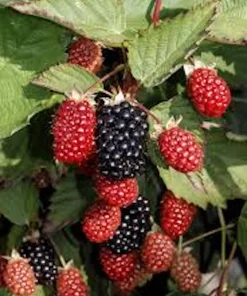
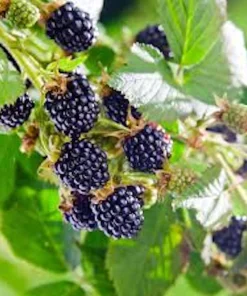
5 Thornless Blackberry Live Plants – High-Yield Fruit Bush for Outdoor Garden
Original price was: $113.99.$88.99Current price is: $88.99.
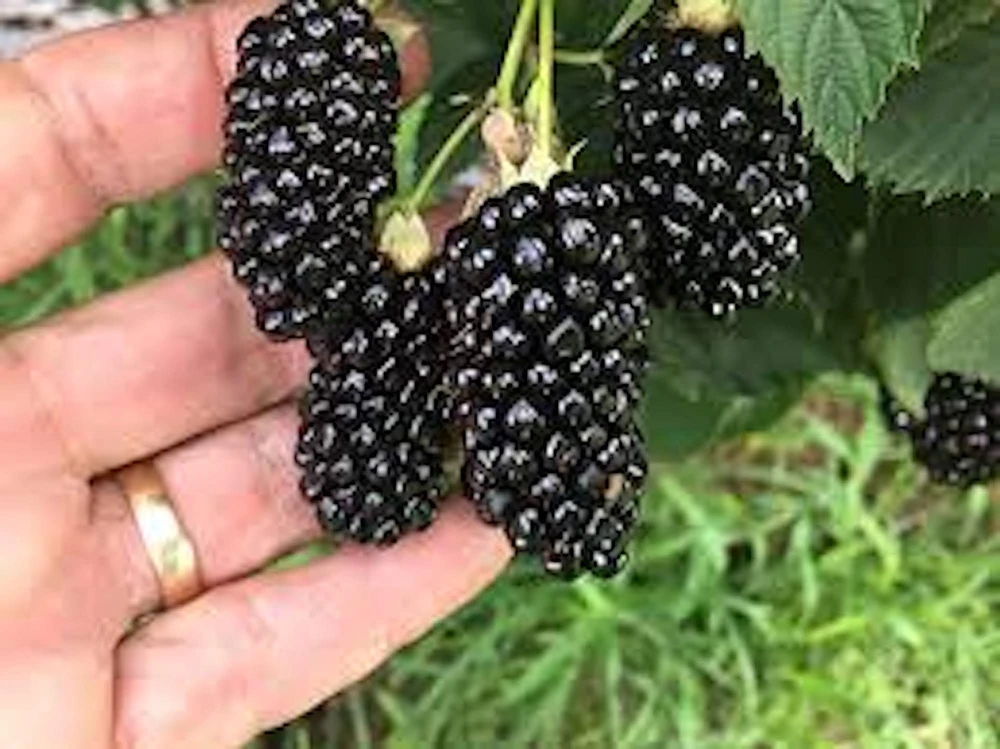
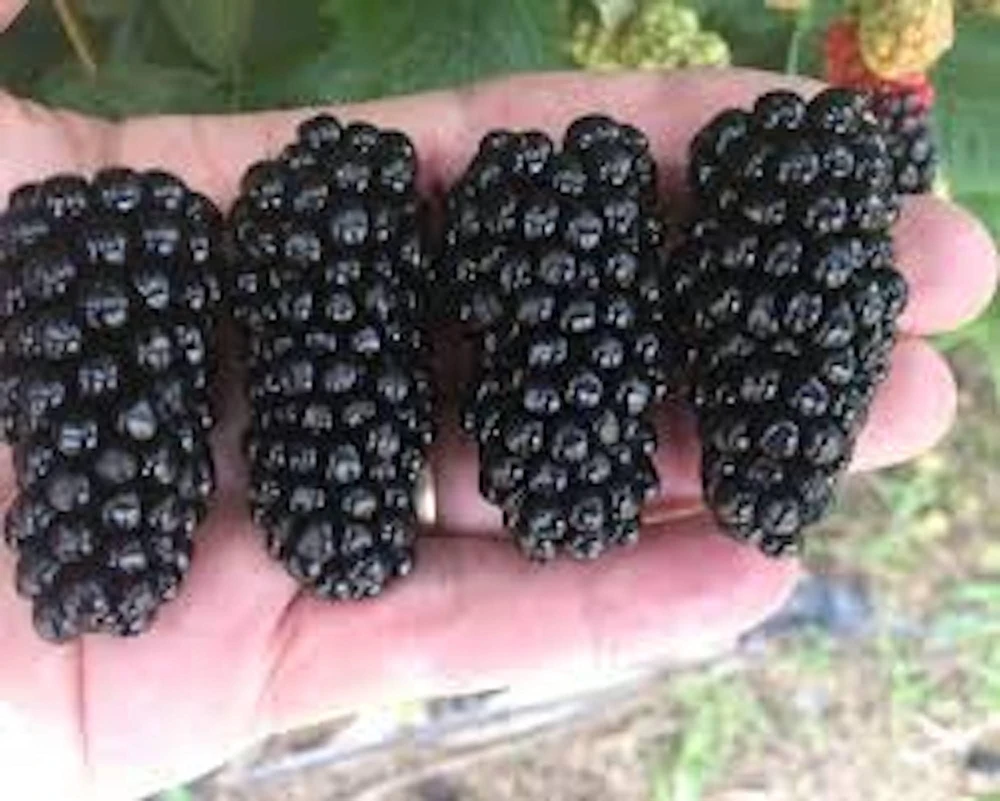
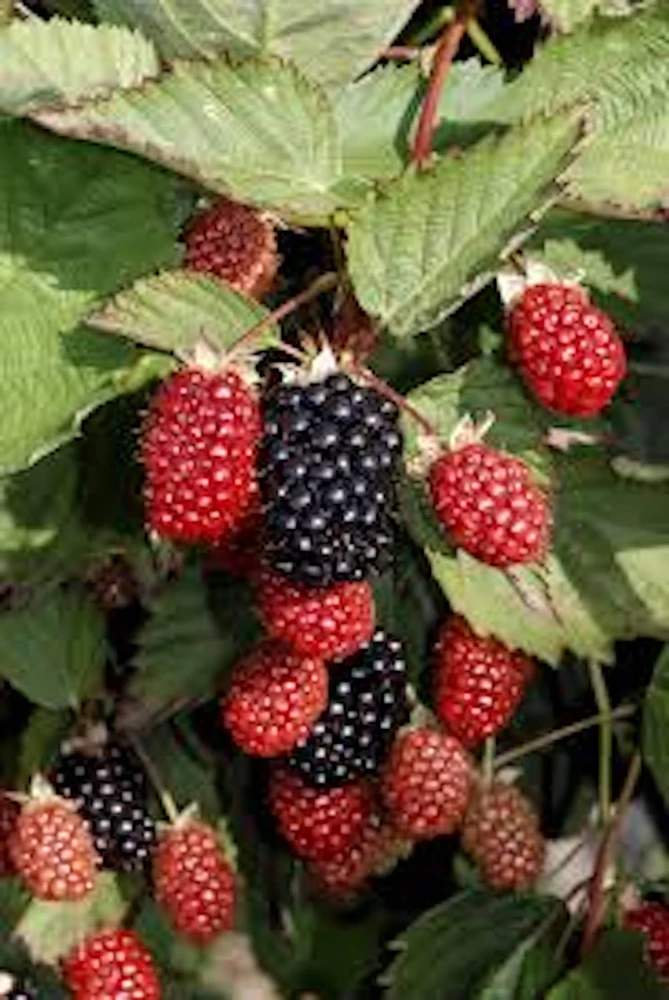
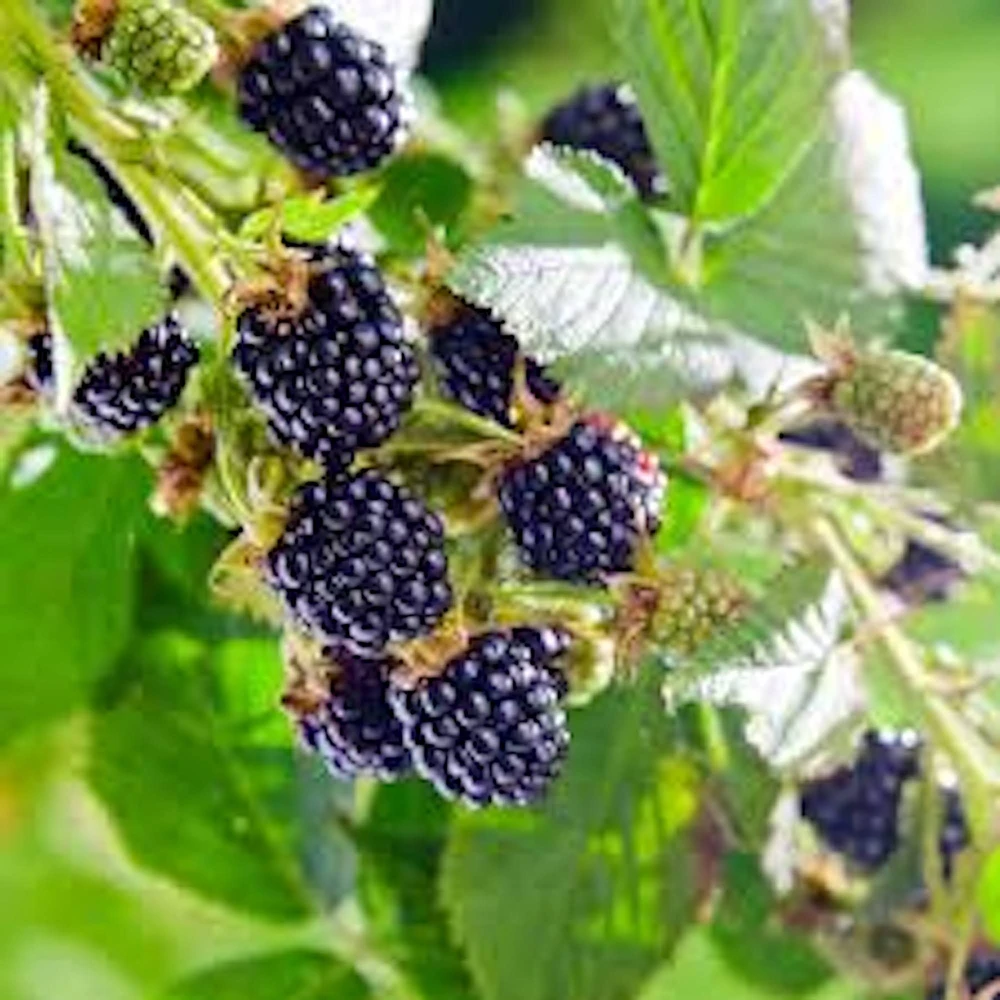
Cultivate your own delicious fruit with our 5 thornless blackberry live plant pack. These high-yield bushes are perfect for outdoor gardens, providing sweet fruit without the thorns. Enjoy fresh blackberries from these robust rubus fruit plant specimens.
Estimated arrival
Sep 29
Oct 04 - Oct 06
Oct 09 - Oct 13
Shop With Confidence
30-Day Plant Health Guarantee
Arrives damaged? We’ll replace it free — see our return policy.
Responsive Support
Email us anytime, we reply within 1 business day.
Expert Packaging
Temperature-controlled shipping to protect your plants in transit.
Secure Checkout
Pay safely with Visa, Mastercard, PayPal.
Plant Specifications
-
USDA Hardiness Zone
5-9 -
Soil Type
Well-draining, fertile loam -
Sunlight Exposure
Full sun -
Expected Planting Period
Early spring or fall
Overview
Embark on a fruitful gardening journey with our thornless blackberry live plant pack, offering 5 robust specimens ready to transform your outdoor space. These exceptional plants are renowned for their high-yield production and, most importantly, their lack of thorns, making harvesting a pleasure. Ideal for home gardeners seeking fresh, homegrown fruit, these perennial bushes add a beautiful, lustrous deep color to any garden landscape. Each plant is a vigorous grower, promising abundant harvests of juicy blackberries year after year. The ‘Big Daddy’ variety is celebrated for its ease of care and prolific fruiting, making it a fantastic choice for both novice and experienced growers.
Our thornless blackberry live plant collection is perfect for creating a productive hedgerow or adding edible interest to your garden borders. These plants are shipped as healthy starters, ready to establish quickly in your soil. With their self-fertile nature, you only need one plant to start enjoying bountiful fruit, though planting several will significantly increase your overall yield. Prepare to savor the sweet, succulent taste of fresh blackberries straight from your garden, knowing you’ve nurtured them from the ground up.
Key Benefits
Cultivating these thornless blackberry live plant specimens offers a multitude of advantages for the home gardener:
- High-Yield Production: Each plant is a prolific producer, capable of yielding 10 to 15 pounds of delicious fruit per growing season, ensuring a generous harvest for fresh eating, baking, and preserving.
- Thornless Convenience: Enjoy hassle-free harvesting with these thornless varieties. This feature makes picking berries much more comfortable and safer, especially for children.
- Beautiful Garden Addition: Beyond their fruit, these blackberry bushes provide attractive foliage and a lush, deep green color, enhancing the aesthetic appeal of your garden throughout the growing season.
- Self-Fertile: As a self-fertile specimen, a single thornless blackberry bush can produce fruit on its own, eliminating the need for multiple plants for pollination and making it easier to start your berry patch.
- Winter Hardy: These shrubs are remarkably winter-hardy, thriving in USDA Zones 5-9, making them suitable for a wide range of climates and ensuring their return year after year.
- Perennial Growth: These are perennial plants, meaning they will return each year, providing a long-term investment in your edible garden without the need for annual replanting.
- Excellent for Hedgerows: The stiff, short canes naturally grow from the crown into a hedgerow, making them an ideal choice for creating edible garden dividers or natural fencing.
Plant Care & Growing Tips
Caring for your thornless blackberry live plant is straightforward, ensuring a bountiful harvest with proper attention. These plants thrive in full sun, requiring at least 6-8 hours of direct sunlight daily to produce the sweetest and most abundant fruit. While they tolerate some partial shade, fruit production may decrease. Ensure they are planted in a location that receives ample light throughout the day. When it comes to watering, consistent moisture is key, especially during fruiting periods. Water deeply 1-2 times per week, or more frequently during hot, dry spells, ensuring the soil remains moist but not waterlogged. Good drainage is crucial to prevent root rot.
The ideal soil for your rubus fruit plant is well-draining, fertile loam with a slightly acidic pH (between 5.5 and 6.5). Amend heavy clay soils with organic matter like compost to improve drainage and aeration. For fertilization, a balanced slow-release fertilizer can be applied in early spring before new growth begins, and again after the first flush of fruit. Pruning is essential for maintaining plant health and maximizing yield. Blackberries produce fruit on canes that grew the previous year (floricanes). After fruiting, these canes should be cut back to the ground. New canes (primocanes) will emerge and produce fruit the following year. These perennial fruit plant bushes are winter-hardy in zones 5-9, but in colder regions, consider providing a layer of mulch around the base for extra winter protection. Watch out for common pests like aphids or spider mites, which can usually be managed with organic insecticidal soaps. Ensure good air circulation to prevent fungal diseases.
Size & Details
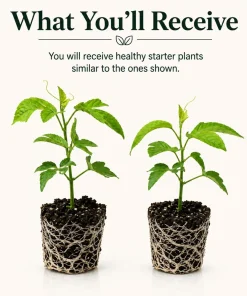
This offering includes 5 thornless blackberry live plant starter plants. Each plant is carefully selected for health and vigor, ensuring a strong start in your garden. These plants are shipped with their roots wrapped to maintain moisture during transit, ready for immediate planting upon arrival. While exact initial size may vary, they are typically robust starter plants designed for successful establishment. These bushes are known for their stiff, short canes that naturally grow from the crown of the roots, forming an attractive hedgerow over time. Expect these plants to establish quickly and begin producing fruit biennially, with significant yields possible from the second year onwards. The ‘Big Daddy’ variety is known for its vigorous growth and ability to produce substantial amounts of fruit, making it a highly rewarding addition to any garden focused on growing blackberries.
Frequently Asked Questions
- Q: How big do these thornless blackberry plants get? A: These thornless blackberry bush plants typically grow with stiff, short canes that can form a hedgerow. The exact height can vary based on growing conditions and pruning, but they generally reach a manageable size, making them suitable for various garden spaces.
- Q: Are these plants truly thornless? A: Yes, these are specifically a thornless variety of blackberry, ensuring a more pleasant and safer harvesting experience without the worry of painful pricks.
- Q: How much fruit can I expect from each plant? A: Each established thornless blackberry live plant can produce a significant yield, typically between 10 to 15 pounds of fruit per growing season, offering a generous supply for your culinary needs.
- Q: What is the best time to plant these blackberries? A: The best time to plant these live blackberry plants is in early spring after the last frost, or in the fall before the ground freezes, allowing them ample time to establish their root system.
- Q: Do I need more than one plant for fruit production? A: No, these blackberry plants are self-fertile, meaning a single plant can produce fruit. However, planting multiple plants can increase your overall yield and provide a more abundant harvest.
- Q: What USDA Hardiness Zones are suitable for these plants? A: These rubus fruit plant bushes are winter-hardy and thrive in USDA Hardiness Zones 5 through 9, making them adaptable to a wide range of climates across the US.
- Q: How long until these plants start producing fruit? A: Blackberry plants typically begin producing fruit on canes that grew the previous year. You can expect your first harvest usually in the second year after planting, with increasing yields in subsequent years.
- Q: What kind of soil do these blackberry plants prefer? A: They prefer well-draining, fertile soil with a slightly acidic pH. Amending the soil with organic matter like compost will greatly benefit their growth and fruit production.
- Q: Are these plants suitable for container growing? A: While primarily suited for in-ground planting due to their growth habit, they can be grown in very large containers (e.g., 20-gallon or larger) with proper care and pruning, especially when young.
- Q: How often should I prune my thornless blackberry bush? A: Pruning is essential. Fruiting occurs on second-year canes (floricanes). After these canes have fruited, they should be cut back to the ground. New canes (primocanes) will grow and produce fruit the following year.
Be the first to review “5 Thornless Blackberry Live Plants – High-Yield Fruit Bush for Outdoor Garden”
People Also Viewed
Reviews
There are no reviews yet.