
Eastern Redbud Tree Live Plant, 6-16 Inch Tall, Quart Pot, Outdoor Shrub
Original price was: $43.98.$21.99Current price is: $21.99.
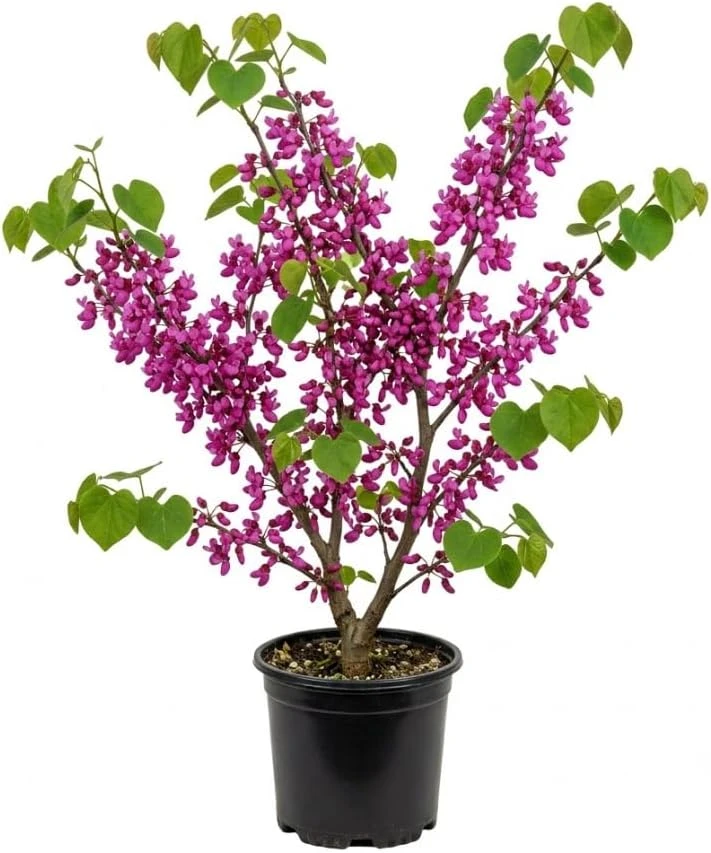
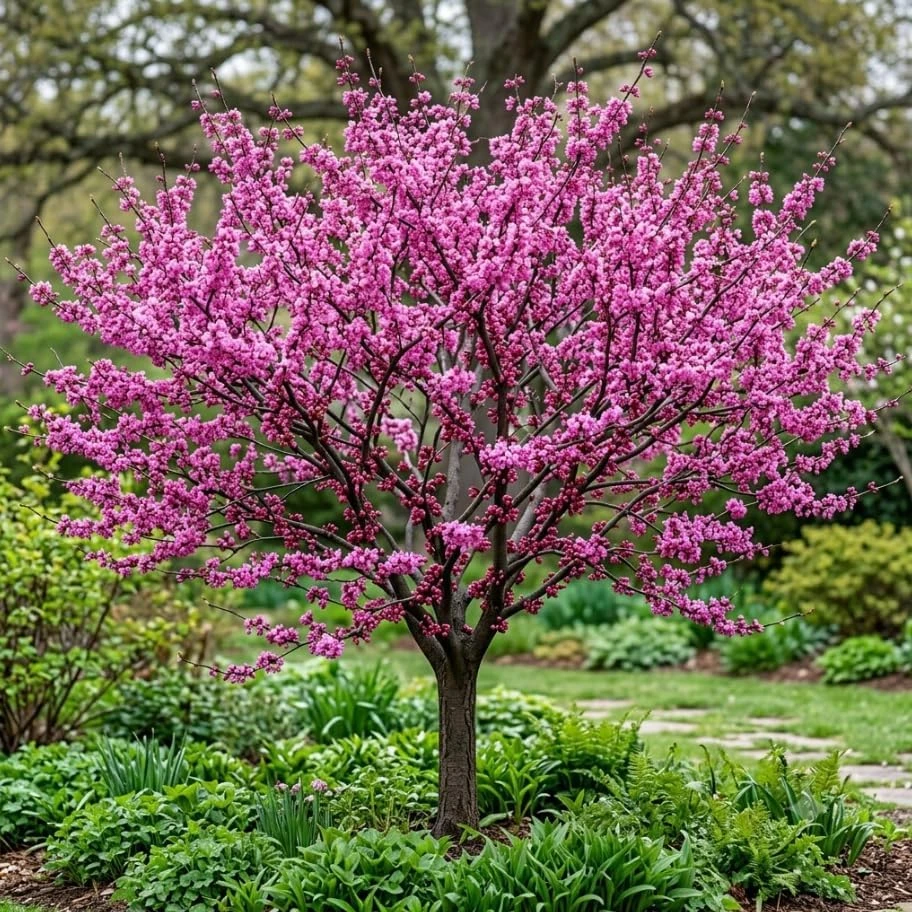
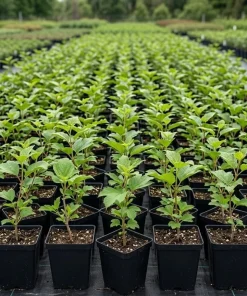
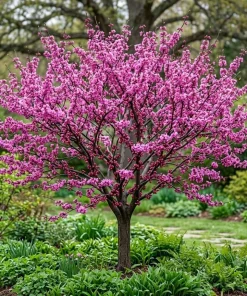
Bring stunning spring color to your garden with an Eastern Redbud Tree live plant. This 6-16 inch seedling in a quart pot develops into a beautiful ornamental tree or shrub, known for its vibrant reddish-pink blossoms. Ideal for focal points or woodland gardens, offering flexible landscaping options.
Estimated arrival
Oct 14
Oct 19 - Oct 21
Oct 24 - Oct 28
Shop With Confidence
30-Day Plant Health Guarantee
Arrives damaged? We’ll replace it free — see our return policy.
Responsive Support
Email us anytime, we reply within 1 business day.
Expert Packaging
Temperature-controlled shipping to protect your plants in transit.
Secure Checkout
Pay safely with Visa, Mastercard, PayPal.
Plant Specifications
-
USDA Hardiness Zone
USDA Zones 4-9 -
Soil Type
Well-draining, fertile loam, adaptable to various soil types -
Sunlight Exposure
Full sun to partial shade -
Expected Planting Period
Spring or Fall
Overview
Introduce a touch of native beauty to your landscape with this Eastern Redbud Tree live plant. Revered for its breathtaking spring display, the Redbud (scientific name: Cercis canadensis) is a deciduous tree or large shrub that heralds the arrival of warmer weather with a profusion of delicate, reddish-pink flowers. This live plant seedling arrives ready for planting, offering an excellent opportunity to establish a long-lasting ornamental feature in your garden. The Eastern Redbud Tree live plant is a versatile choice, capable of thriving in various settings, from a prominent focal point to a naturalized woodland edge. Its heart-shaped leaves follow the blooms, providing attractive green foliage throughout the growing season, often turning a soft yellow in autumn.
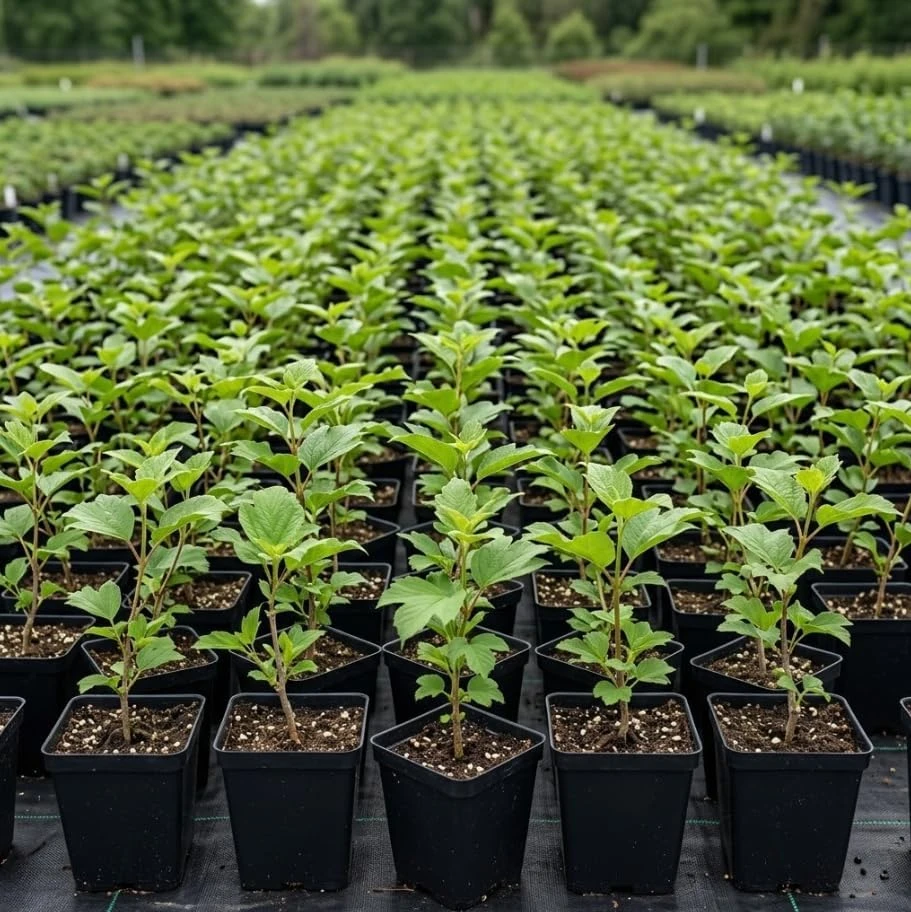
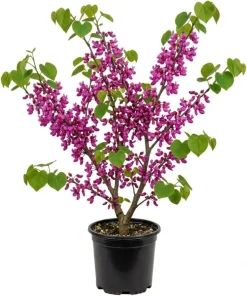
This offering is for one healthy Eastern Redbud Tree live plant, typically ranging from 6 to 16 inches in height, supplied in a quart-sized nursery pot. It’s an ideal size for planting and establishing in your chosen location, ready to grow into a magnificent specimen. The Eastern Redbud Tree live plant is a popular choice among gardeners and landscapers for its relatively low maintenance and high visual impact, making it a valuable addition to any outdoor space looking for early season color and year-round interest.
Key Benefits
Adding an Eastern Redbud Tree live plant to your garden provides numerous advantages, enhancing both the aesthetic and ecological value of your outdoor environment. Its unique characteristics make it a standout choice for a variety of landscape designs.
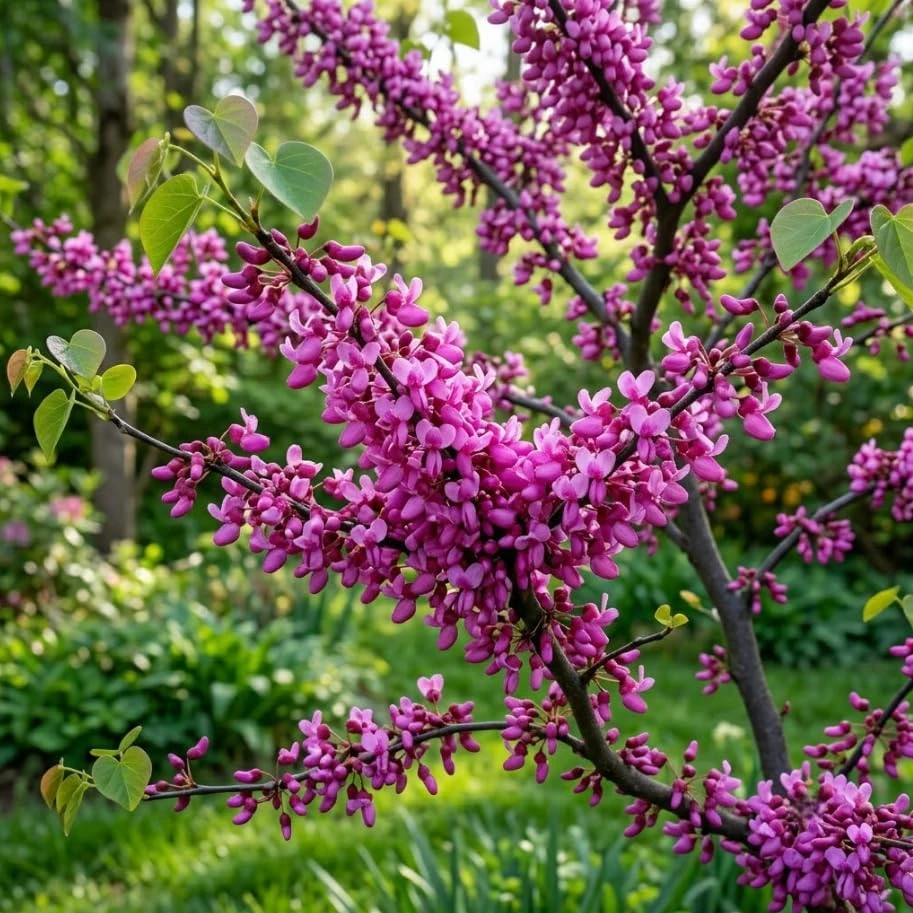
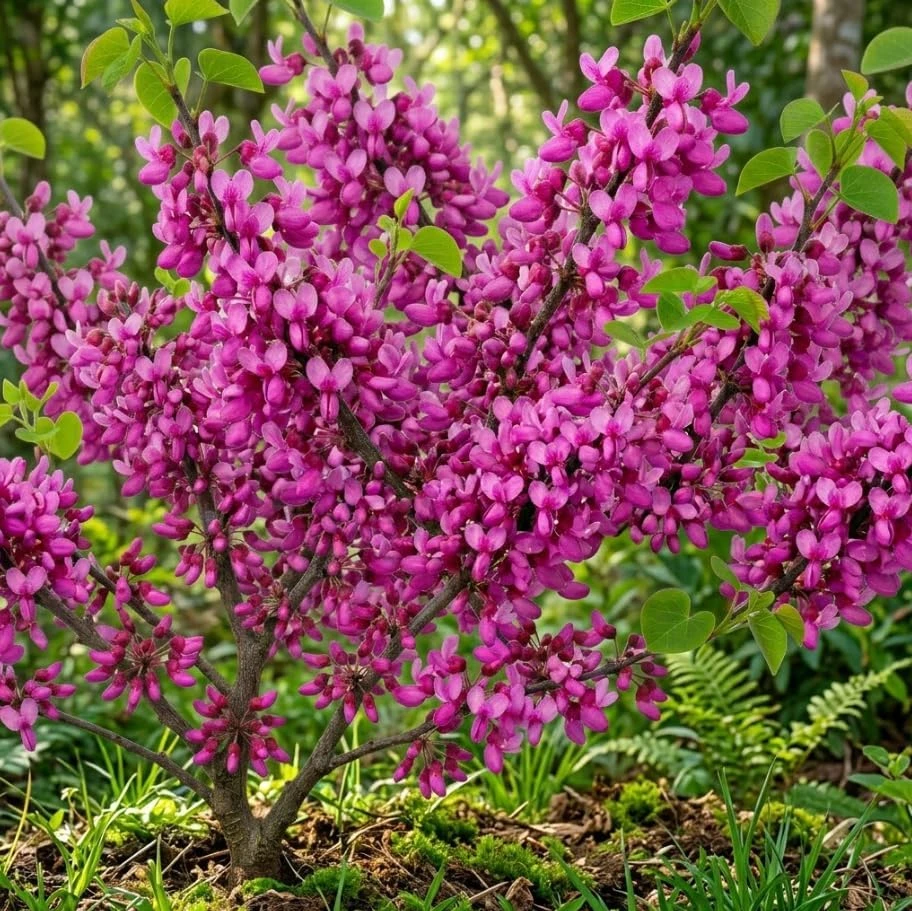
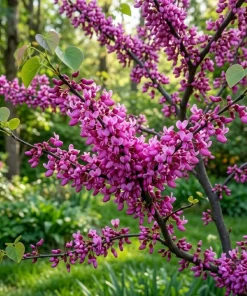
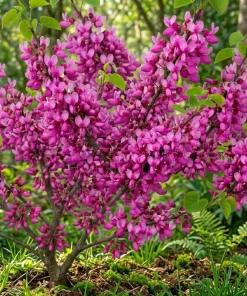
- Spectacular Spring Blooms: The most celebrated feature of the Eastern Redbud Tree live plant is its early spring show of vibrant reddish-pink to magenta flowers that emerge directly on its branches and trunk before the leaves appear, creating a stunning visual spectacle. These blossoms are a vital early nectar source for pollinators.
- Flexible Growth Habit: This versatile tree can be cultivated as a multi-stemmed shrub or pruned to form a single-trunk tree, allowing for adaptability in various garden designs and space constraints.
- Attractive Foliage: Following the beautiful blooms, the tree produces distinctive heart-shaped leaves that provide lush green cover throughout the summer, often transitioning to attractive yellow hues in the fall.
- Low Maintenance & Adaptable: The Eastern Redbud Tree live plant is known for its resilience and ability to thrive in a range of soil types and light conditions, including partial shade, making Redbud tree care relatively straightforward for most gardeners.
- Native & Wildlife Friendly: As a native species, it supports local ecosystems by providing food and shelter for birds and insects, contributing to biodiversity in your outdoor space.
- Year-Round Interest: From its striking spring flowers to its unique branch structure in winter, and attractive foliage in summer and fall, the Eastern Redbud Tree live plant offers visual appeal throughout the seasons.
- Naturalizing Potential: Ideal for woodland gardens, borders, or as a specimen plant, its natural form integrates beautifully into various landscape styles.
Plant Care & Growing Tips
Proper Redbud tree care will ensure your Eastern Redbud Tree live plant flourishes and provides years of beauty. This hardy tree is relatively easy to care for, but understanding its specific needs will help it thrive. The Cercis canadensis seedling prefers a location with full sun to partial shade. Full sun (at least 6 hours of direct sunlight daily) will encourage the most abundant flowering, while partial shade (2-4 hours of direct sun, especially in the afternoon) is beneficial in hotter climates to protect the foliage from scorching. Good air circulation is also important to prevent fungal diseases.
When it comes to watering, the Eastern Redbud Tree live plant prefers consistently moist, but not waterlogged, soil, especially during its establishment period. Water deeply once or twice a week, depending on rainfall and soil type. Once established, it becomes more drought tolerant but will benefit from supplemental watering during prolonged dry spells. The best soil for a Redbud is well-draining, fertile loam, but it can adapt to a variety of soil conditions, including clay and sandy soils, as long as drainage is adequate. Amend heavy clay soils with organic matter to improve drainage and aeration. This ornamental flowering tree is hardy in USDA Zones 4-9.
Fertilization is generally not heavily required for a healthy Eastern Redbud Tree live plant. If your soil is poor or growth is slow, you can apply a balanced, slow-release granular fertilizer in early spring before new growth begins. Avoid fertilizing in late summer or fall, as this can stimulate new growth that may be damaged by winter frosts. Pruning should be done in late winter or early spring while the tree is dormant. Remove any dead, diseased, or crossing branches to maintain a strong structure and good air circulation. You can also prune to shape the tree or train it as a single-trunk specimen. Watch out for common pests like leafhoppers and borers, and diseases such as canker, which can be managed with proper cultural practices and, if necessary, appropriate treatments.
Size & Details
This offering includes one vibrant Eastern Redbud Tree live plant, a seedling of the species Cercis canadensis. Each plant is carefully grown and shipped in a quart-sized nursery pot, ensuring its roots are protected and ready for successful transplanting. The height of the seedling will typically range from 6 to 16 inches tall, providing a manageable size for planting while still being robust enough to establish quickly in your garden.
The Eastern Redbud Tree live plant is a relatively fast-growing deciduous tree, capable of reaching a mature height of 20-30 feet with a similar spread. Its growth rate can be influenced by local climate, soil conditions, and care. Expect this spring blooming shrub to begin producing its iconic reddish-pink flowers within a few years of planting, with the display becoming more spectacular as the tree matures. It is shipped as a young, actively growing plant, ready to be integrated into your landscape as a beautiful and resilient ornamental feature.
Frequently Asked Questions
- Q: How big does this Eastern Redbud Tree live plant get? A: This particular seedling arrives 6-16 inches tall in a quart pot. When mature, an Eastern Redbud Tree typically reaches a height of 20-30 feet with a similar spread, though growth can vary based on conditions.
- Q: What size pot does it come in? A: The Cercis canadensis seedling is shipped in a standard quart-sized nursery pot, providing ample space for its root system during transit and until planting.
- Q: Is this an indoor or outdoor plant? A: The Eastern Redbud Tree live plant is an outdoor tree, well-suited for temperate climates. It is not designed to be grown as an indoor houseplant.
- Q: How much sunlight does it need? A: This ornamental flowering tree thrives in full sun to partial shade. Full sun promotes the best flowering, while partial shade is beneficial in warmer climates to prevent leaf scorch.
- Q: Is this plant easy to care for? A: Yes, Redbud tree care is generally considered easy to moderate. It’s a hardy and adaptable tree, making it a good choice for both experienced and novice gardeners.
- Q: What condition will it arrive in? A: Your Eastern Redbud Tree live plant will arrive as a healthy, actively growing seedling, carefully packaged in its quart pot to ensure its protection during shipping.
- Q: When is the best time to plant an Eastern Redbud Tree? A: The best time to plant your spring blooming shrub is in the spring or fall, allowing the roots to establish before extreme summer heat or winter cold.
- Q: Will it survive winter in my zone? A: The Eastern Redbud is cold hardy in USDA Zones 4-9, making it suitable for a wide range of climates across the United States.
- Q: What’s the minimum temperature this tree can tolerate? A: As a deciduous tree hardy to USDA Zone 4, the Eastern Redbud Tree live plant can tolerate winter temperatures as low as -30°F to -20°F when fully established.
- Q: Can the flowers of the Redbud tree be eaten? A: Yes, the flowers of the Cercis canadensis seedling are edible and have a slightly tart, pleasant flavor. They can be used in salads or as a garnish.
Be the first to review “Eastern Redbud Tree Live Plant, 6-16 Inch Tall, Quart Pot, Outdoor Shrub”
People Also Viewed
Vegetable Seeds
Flower Seeds
Reviews
There are no reviews yet.