

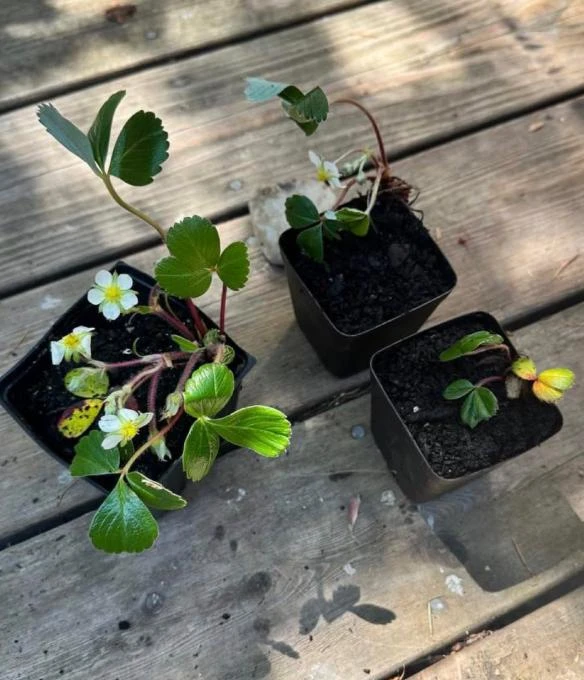
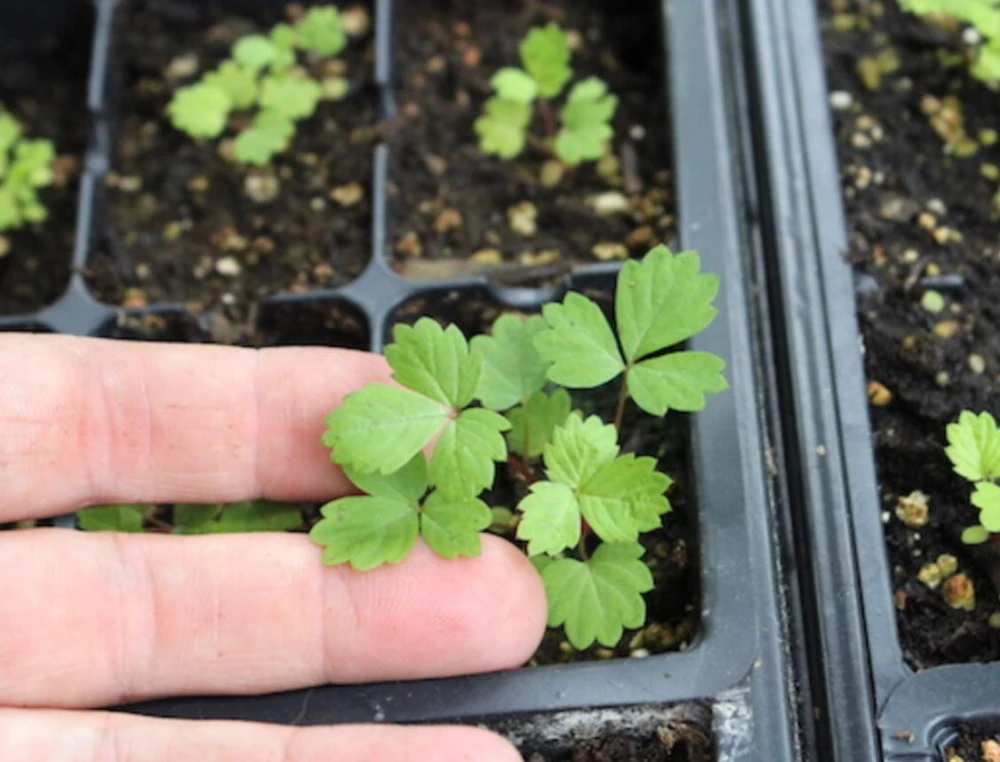
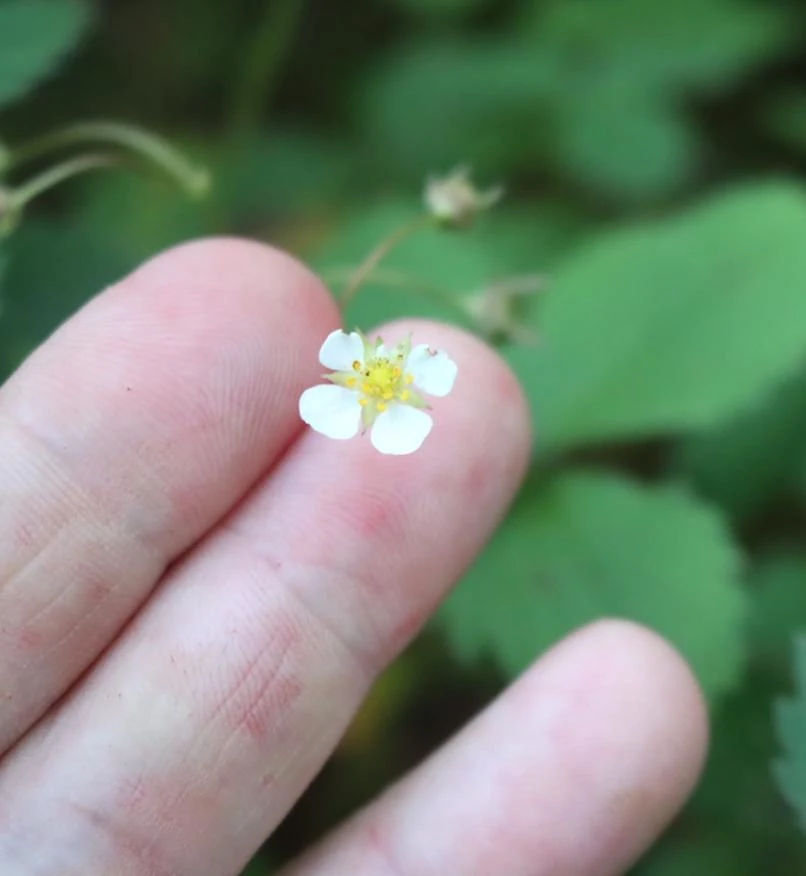
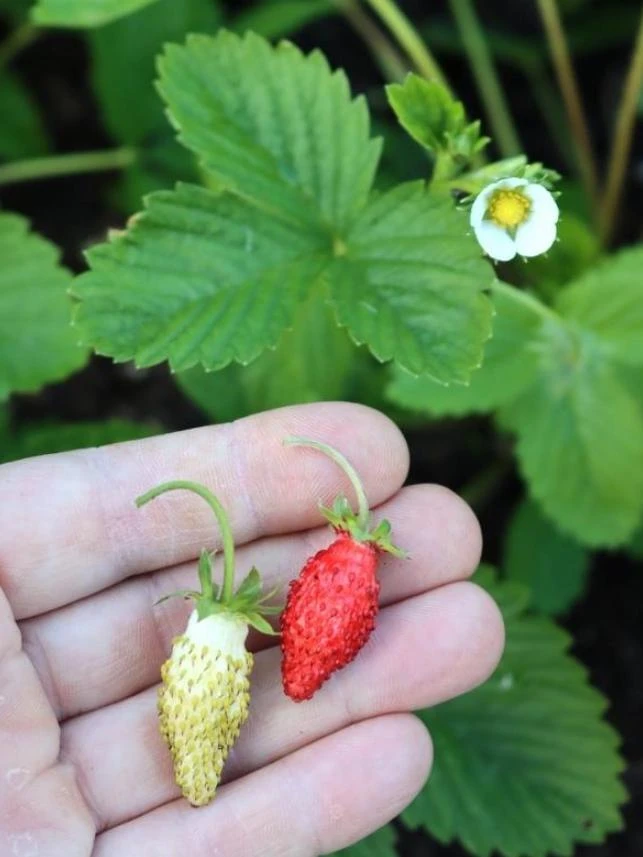
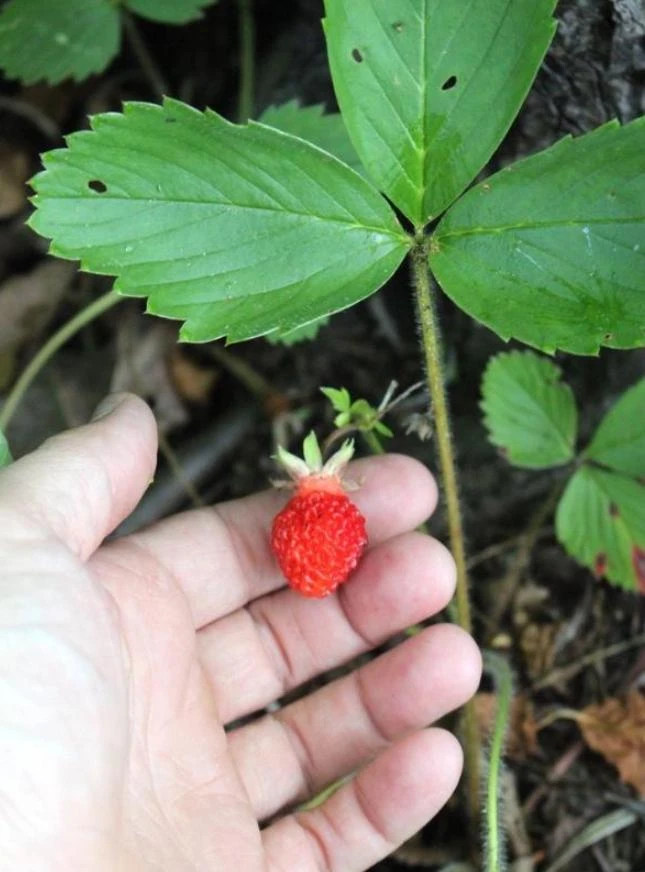
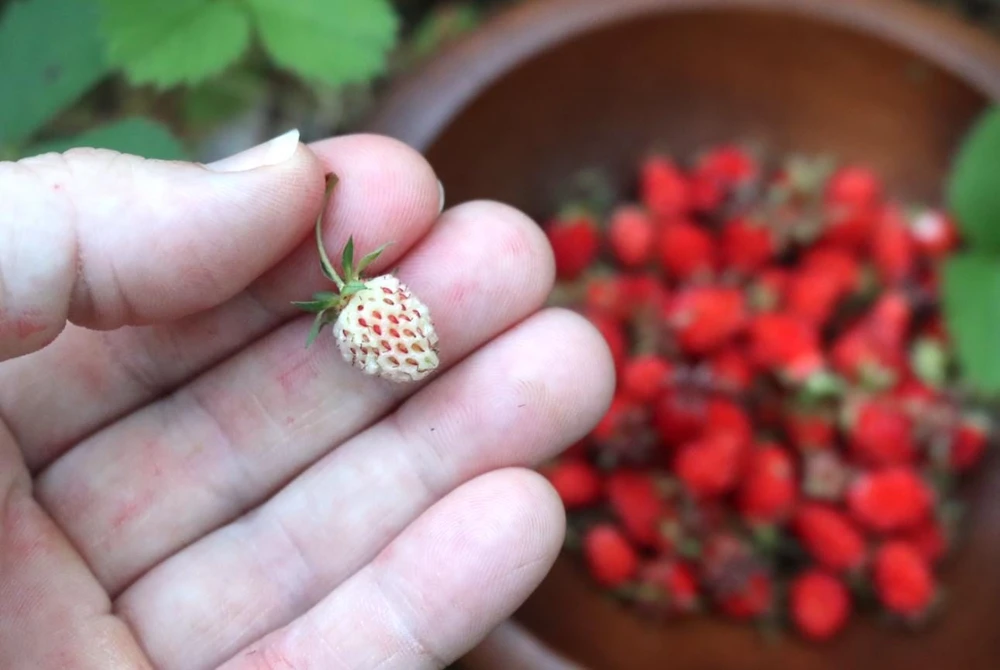
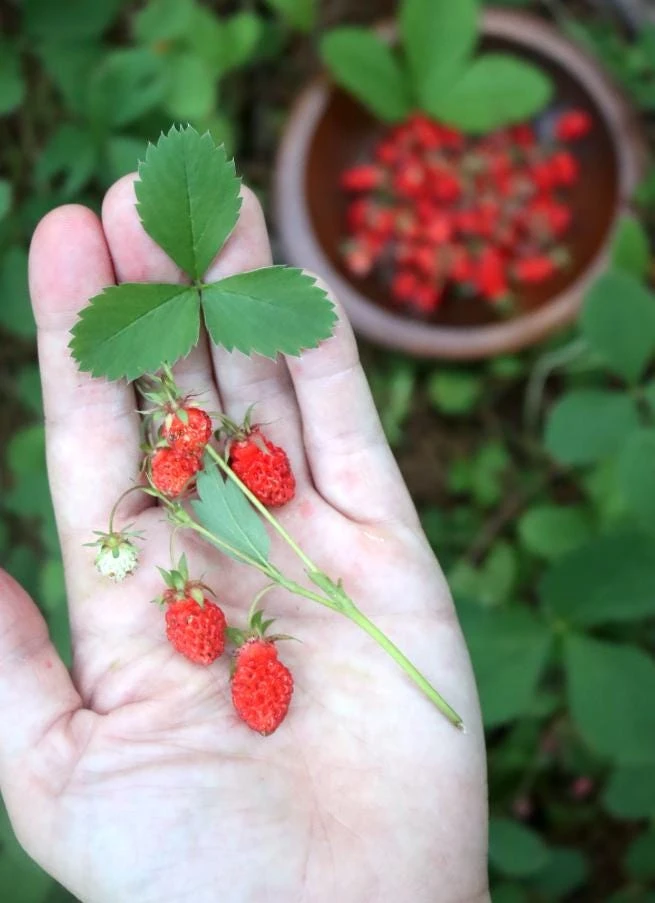
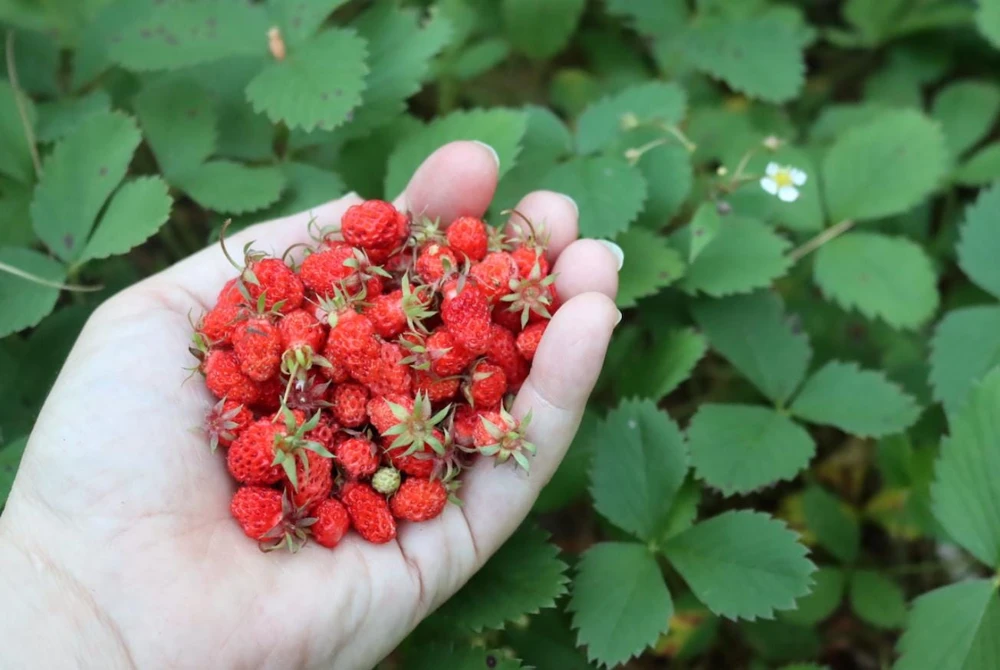
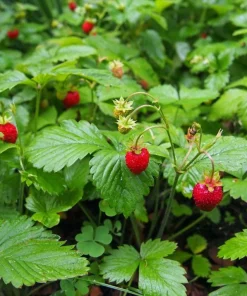
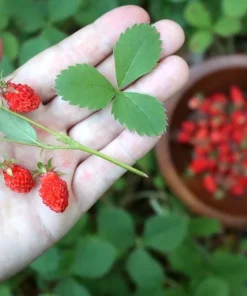
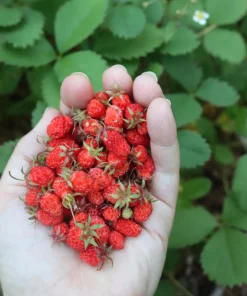
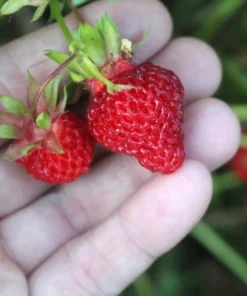
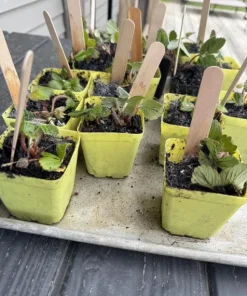
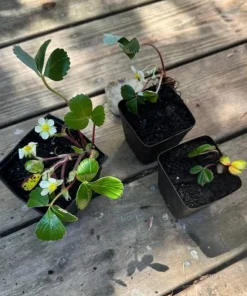
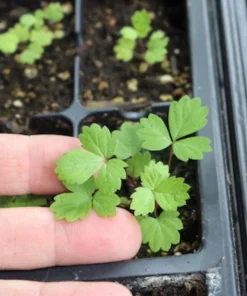
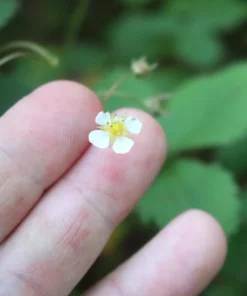
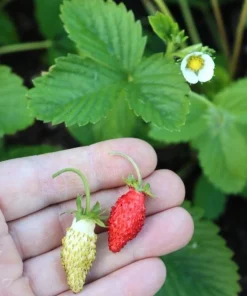
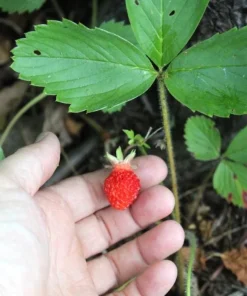
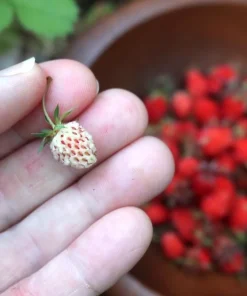
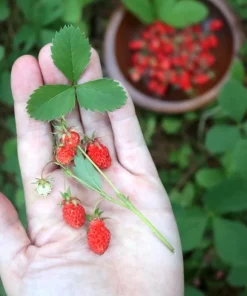
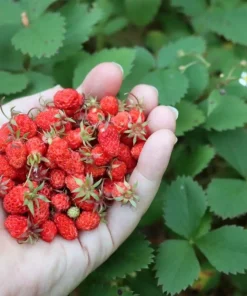
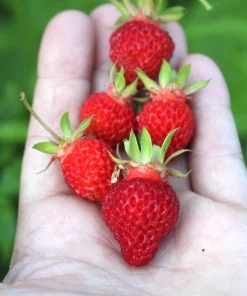
Wild Strawberry Live Plants – Fragaria vesca – Set of 2 – 3″ Pots – Edible Berries
Original price was: $85.99.$65.99Current price is: $65.99.
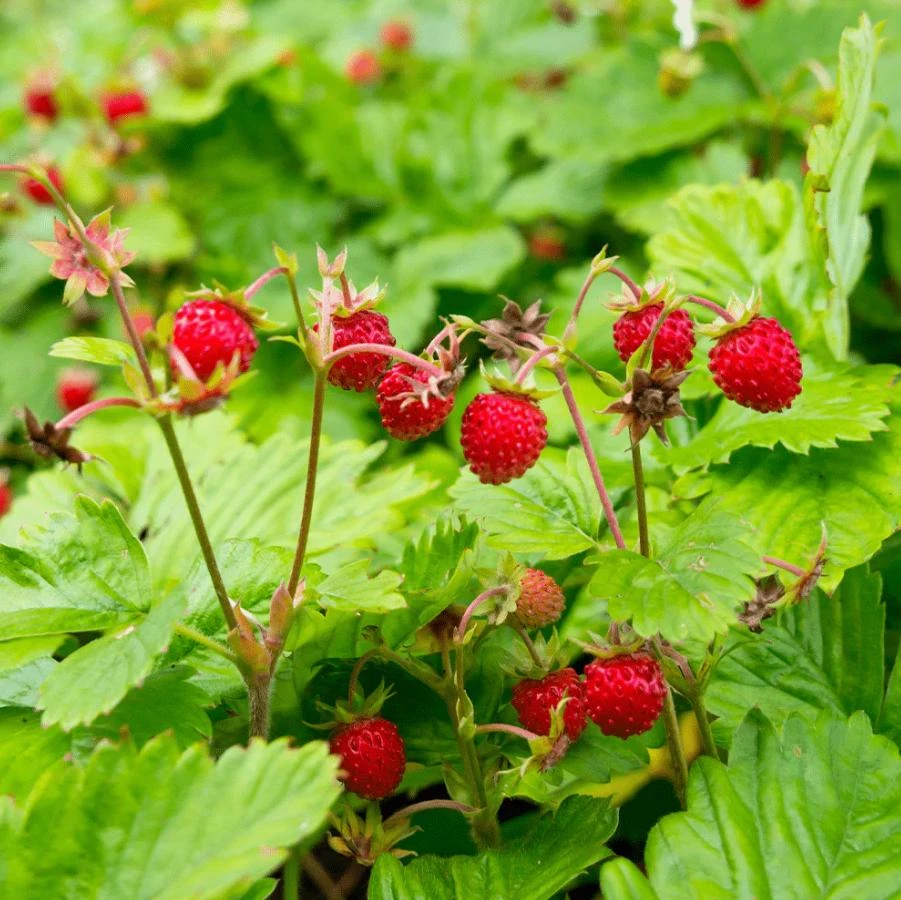
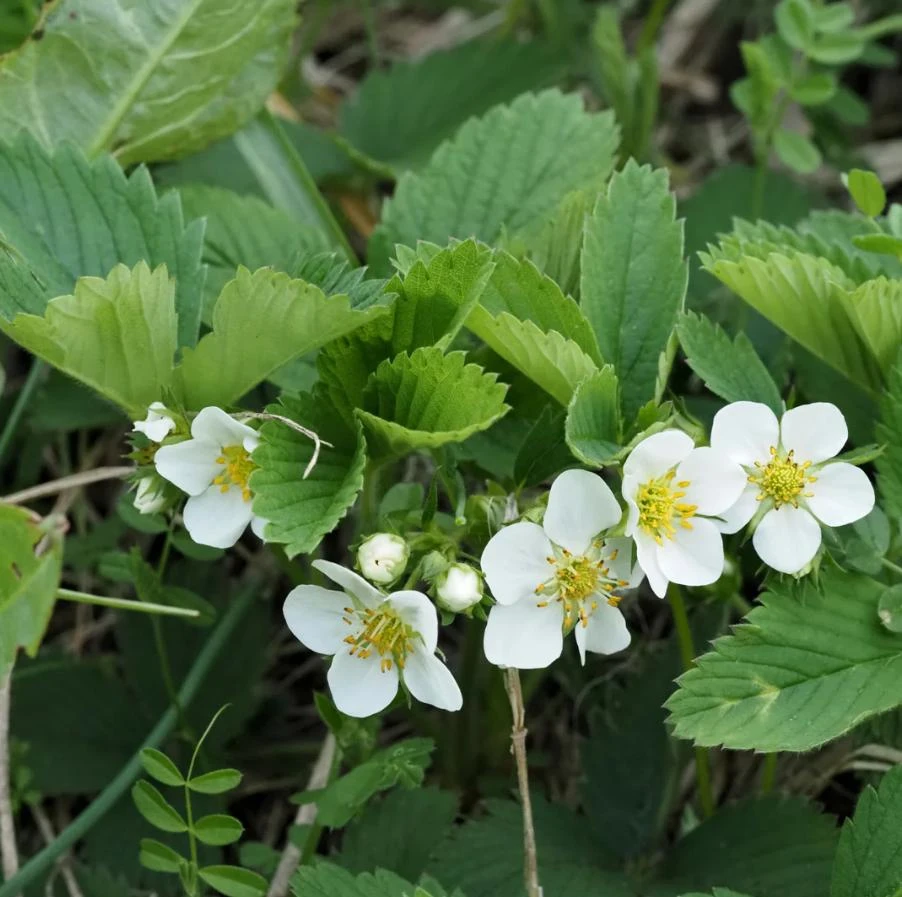
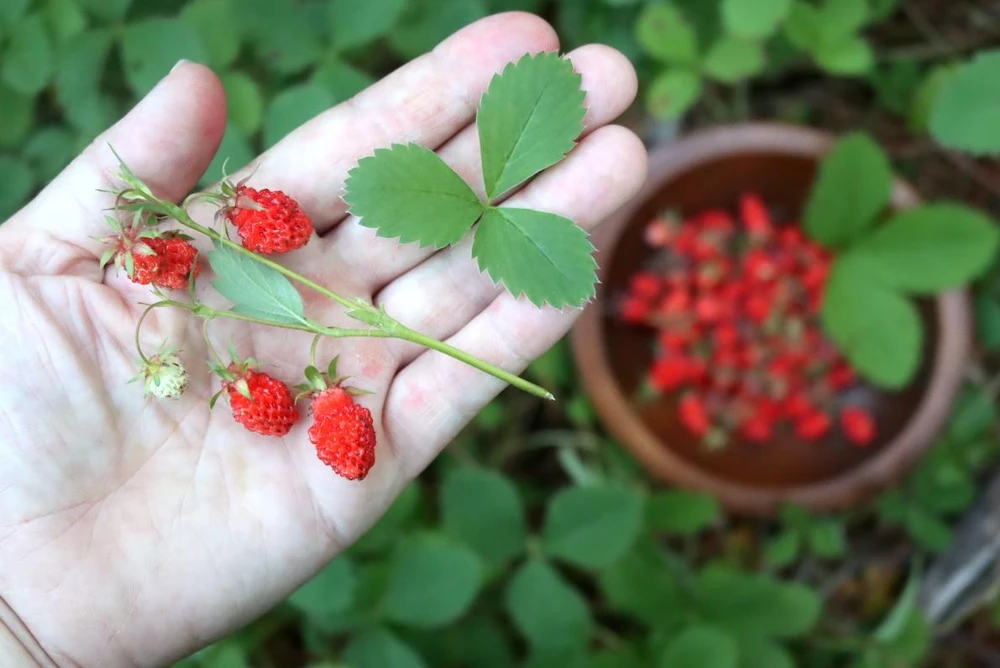
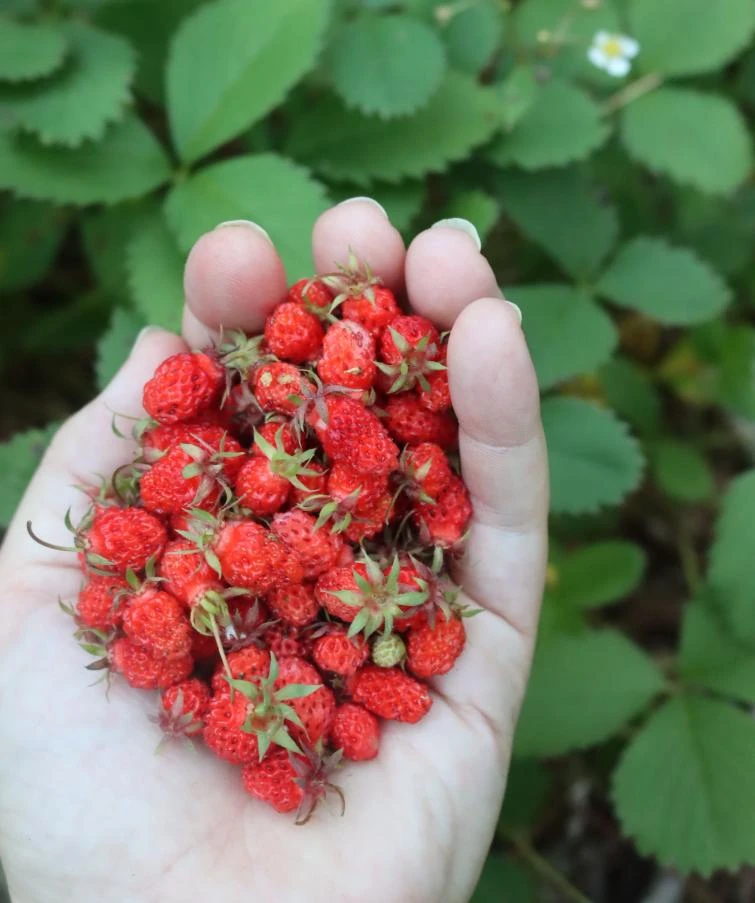
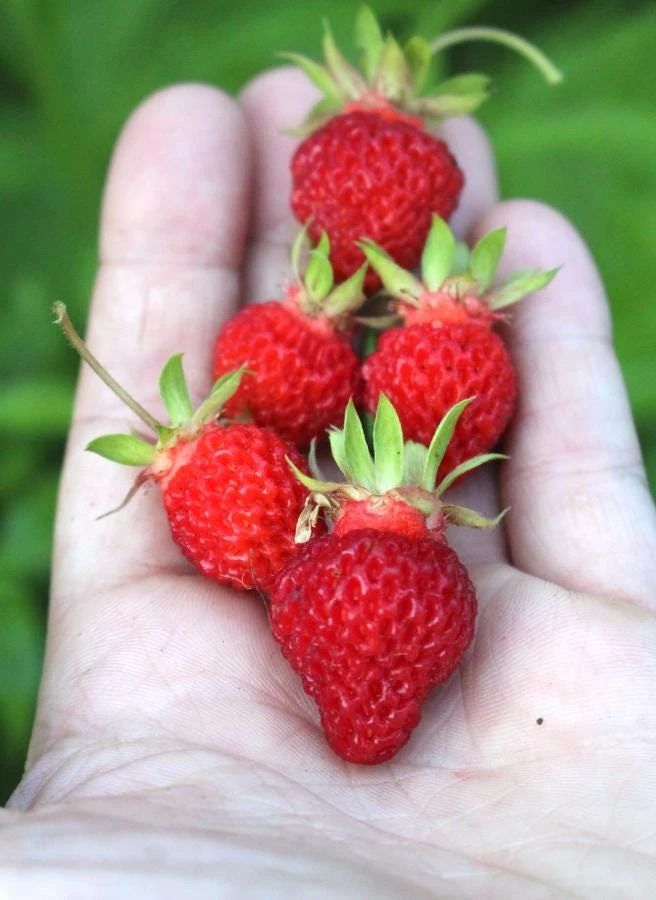
Bring delicious flavor and natural beauty to your garden with this set of two wild strawberry live plant (Fragaria vesca) in 3-inch pots. These low-growing perennials offer sweet, edible berries and charming white flowers, ideal for ground cover or containers.
Estimated arrival
Sep 29
Oct 04 - Oct 06
Oct 09 - Oct 13
Shop With Confidence
30-Day Plant Health Guarantee
Arrives damaged? We’ll replace it free — see our return policy.
Responsive Support
Email us anytime, we reply within 1 business day.
Expert Packaging
Temperature-controlled shipping to protect your plants in transit.
Secure Checkout
Pay safely with Visa, Mastercard, PayPal.
Plant Specifications
-
USDA Hardiness Zone
USDA zones 3-9 -
Soil Type
Well-drained, fertile, humus-rich soil -
Sunlight Exposure
Full sun to partial shade -
Expected Planting Period
Spring to early summer
Overview
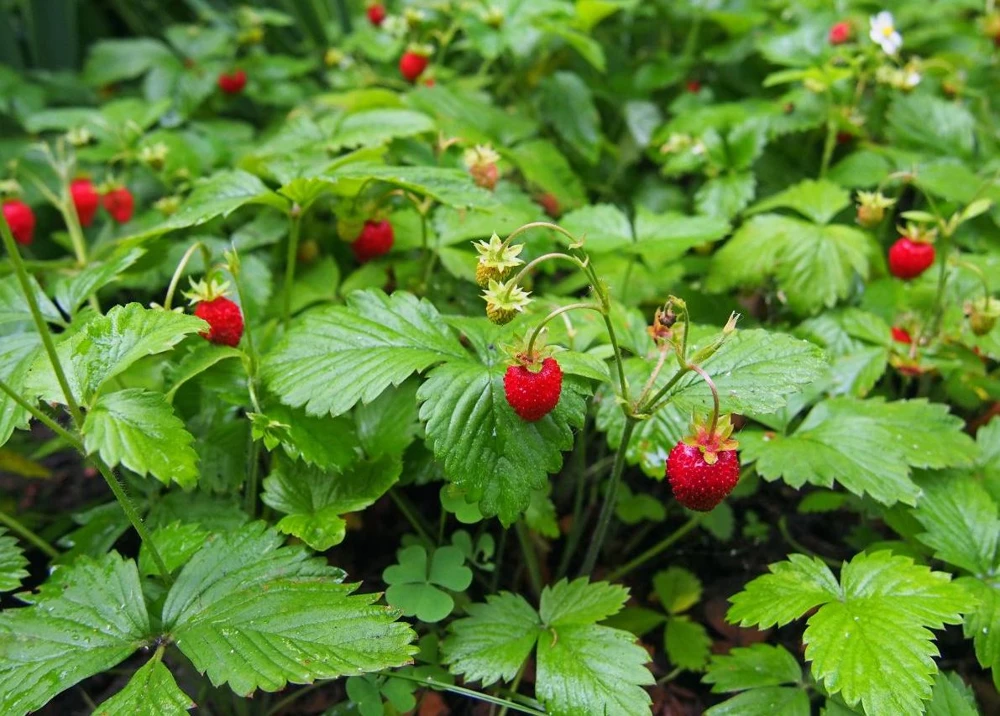
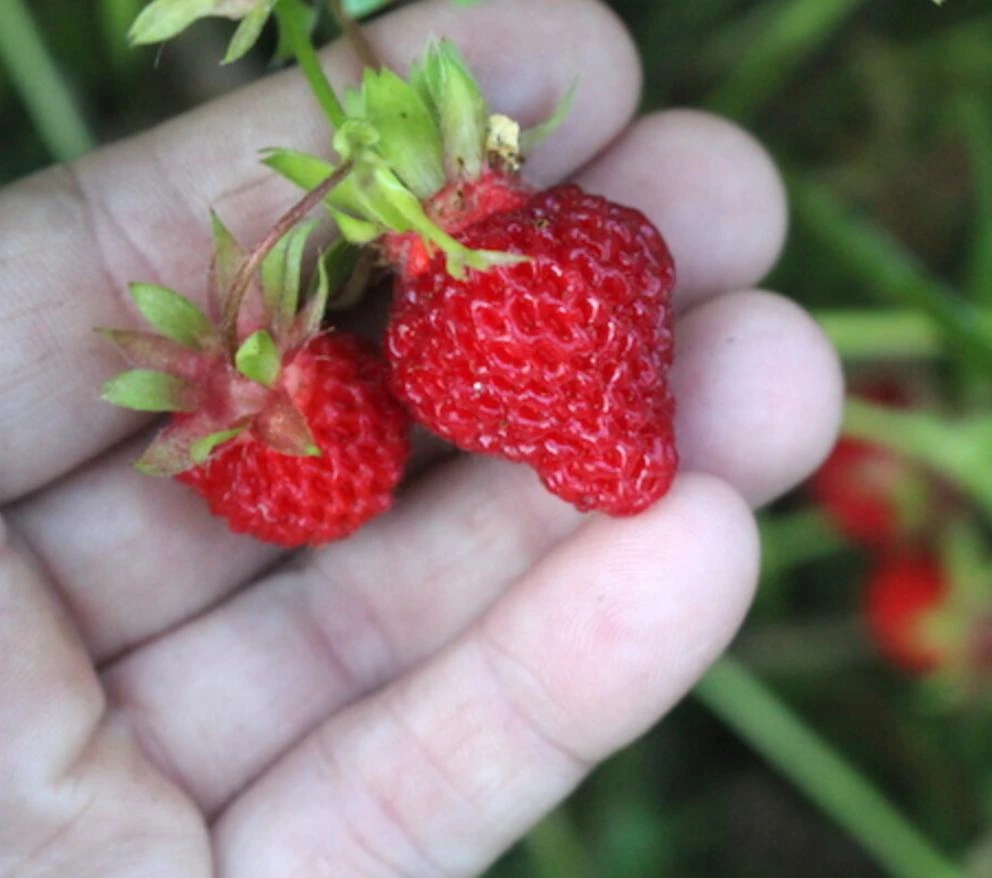
Introduce delightful natural beauty and a bounty of sweet, edible berries to your garden with this set of two wild strawberry live plant (Fragaria vesca). These charming perennial plants are renowned for their small yet intensely flavorful red berries, which ripen from late spring through summer. Each plant arrives ready to thrive in its own 3-inch nursery pot, perfectly sized for immediate planting in your garden beds, containers, or as a natural ground cover. Fragaria vesca plants are not only productive but also highly ornamental, featuring delicate white flowers that emerge in spring and early summer, adding a touch of rustic elegance to any landscape. Often called Alpine Strawberry or Woodland Strawberry, these hardy plants are a fantastic choice for gardeners seeking an easy-to-grow, fruiting ground cover that requires minimal fuss.
The wild strawberry live plant is a versatile addition to any outdoor space, whether you’re creating an edible landscape, filling a hanging basket, or seeking an attractive and beneficial ground cover. Its spreading habit, achieved through runners, allows it to naturalize beautifully, creating a lush carpet of green foliage dotted with berries. These plants are a wonderful way to enjoy homegrown fruit, providing a rewarding experience for gardeners of all skill levels. With their delightful taste and ease of care, these Fragaria vesca plants are sure to become a cherished part of your garden.
Key Benefits
Investing in these wild strawberry live plant offers a multitude of advantages for your garden and culinary endeavors:
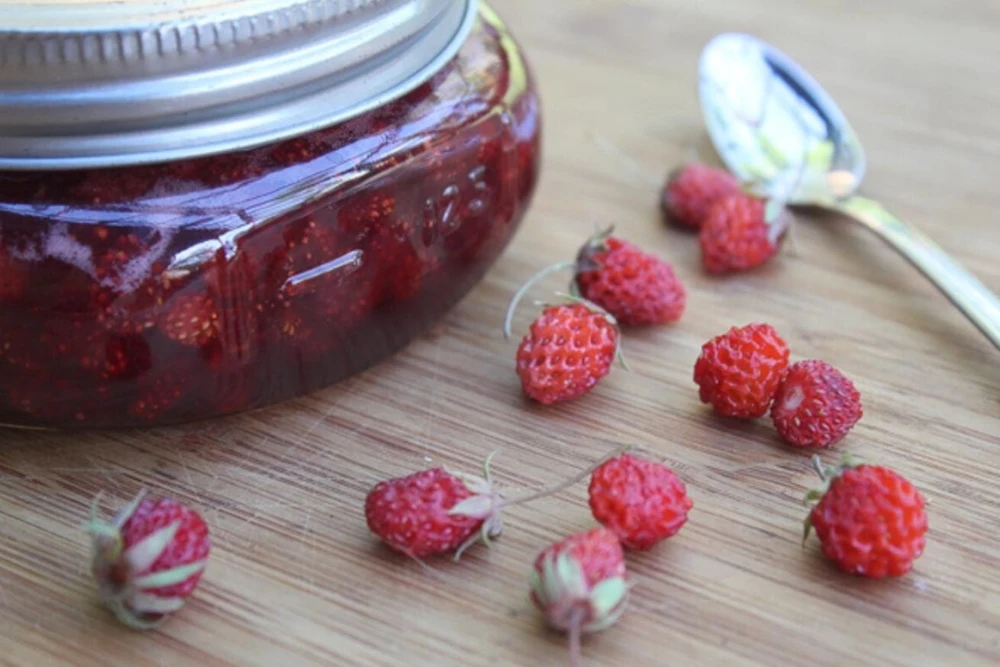
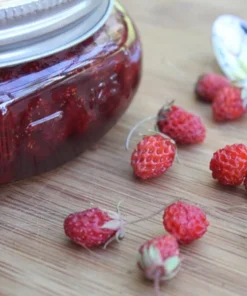
- Delicious Edible Fruit: Enjoy a continuous harvest of small, incredibly sweet, and aromatic red berries from late spring through summer. These berries are perfect for fresh eating, desserts, or making jams and preserves, offering a superior flavor compared to many cultivated varieties.
- Attractive Ground Cover: With its low-growing and spreading habit, the low-growing strawberry is an excellent choice for naturalizing areas, suppressing weeds, and preventing soil erosion. It forms a beautiful green carpet that adds texture and interest to garden beds and borders.
- Charming Ornamental Value: Beyond its fruit, the plant boasts delicate white flowers in spring and early summer, followed by bright red berries, enhancing the aesthetic appeal of your garden or patio.
- Pollinator Friendly: The early spring flowers attract beneficial pollinators like bees and butterflies, contributing to a healthier and more vibrant garden ecosystem.
- Versatile Planting Options: Ideal for a variety of settings, these plants thrive in garden beds, containers, hanging baskets, and as part of an edible landscape design. Their adaptability makes them suitable for nearly any outdoor space.
- Easy to Grow & Low Maintenance: Wild strawberries are notably hardy and require minimal care once established. They are tolerant of various conditions and are a great choice for beginner gardeners or those seeking a fuss-free fruiting plant.
- Perennial Growth: As a perennial, your wild strawberry live plant will return year after year, providing continuous harvests and beauty without the need for replanting each season.
Plant Care & Growing Tips
Caring for your wild strawberry live plant is straightforward, ensuring a bountiful harvest and healthy growth. Upon arrival, plant your Fragaria vesca plants soon after unboxing. Choose a location that receives full sun to partial shade; while they tolerate some shade, more sun generally leads to more abundant fruit production. Ensure the soil is well-drained, fertile, and rich in organic matter. Amend heavy clay soils with compost or peat moss to improve drainage and aeration. Space plants appropriately to allow room for their runners to spread, or trim runners if you wish to contain their growth. These plants are hardy in most climates, making them a robust choice for many regions.
Watering is crucial, especially during dry spells and when the plants are fruiting. Keep the soil consistently moist but avoid waterlogging, which can lead to root rot. A good rule of thumb is to water when the top inch of soil feels dry to the touch. During the growing season (spring through summer), apply a balanced fertilizer every 4–6 weeks to support healthy foliage and fruit development. Pruning primarily involves managing runners; you can allow them to root and create new plants, or trim them to maintain a more compact growth habit. For winter protection in colder zones, a layer of mulch can be beneficial, though wild strawberries are generally quite resilient. Proper care will ensure your edible strawberry plants produce delicious fruit for years to come.
Monitoring for common pests and diseases is also part of good plant care. While wild strawberries are generally robust, occasional issues like slugs or fungal spots can occur. Good air circulation and proper watering practices can help prevent many problems. If you notice any signs of distress, consult local gardening resources for specific treatments. With these simple care instructions, your low-growing strawberry plants will thrive and become a productive part of your garden.
Size & Details
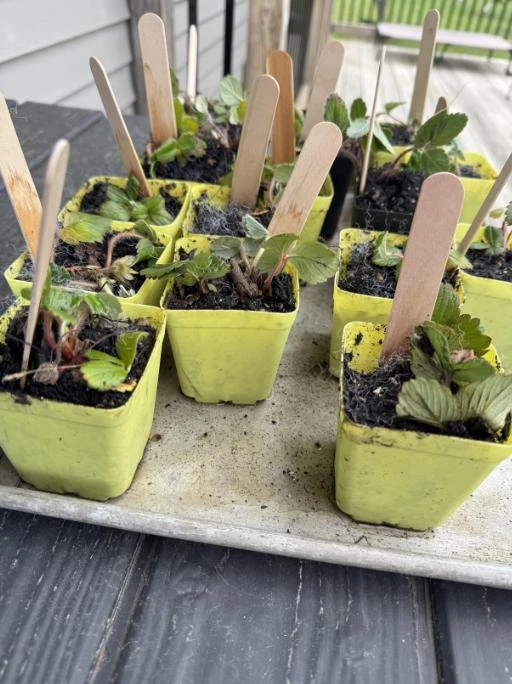
This offering includes a set of two individual wild strawberry live plant, each cultivated in its own 3-inch nursery pot. The plants are shipped live and ready for transplanting, ensuring a strong start in your garden. As low-growing bushes, they typically reach a height of 4-8 inches with a spreading habit, producing runners that can extend their reach. The growth rate is moderate, and you can expect to see flowers in spring and early summer, with berries ripening from late spring through summer in their first full growing season. The fruit production will increase as the plants establish and mature. These Fragaria vesca plants are ideal for creating a dense ground cover or for filling out containers with both decorative foliage and delicious fruit.
Each plant is carefully selected to ensure health and vigor upon arrival. While appearance may vary slightly due to their live nature, they are prepared to adapt well to their new environment. The individual 3-inch pots provide ample root space for initial growth, making them easy to handle and plant. Expect these edible strawberry plants to establish quickly and begin contributing to your garden’s beauty and bounty.
Frequently Asked Questions
- Q: How big does this wild strawberry live plant get? A: These low-growing perennial bushes typically reach a height of 4-8 inches. They have a spreading growth habit, producing runners that can extend across an area, making them excellent for ground cover.
- Q: Is this an indoor or outdoor plant? A: The wild strawberry live plant (Fragaria vesca) is primarily an outdoor plant, thriving in gardens, containers, and as ground cover. While some attempt to grow them indoors, they generally perform best with outdoor conditions including natural light cycles and temperature fluctuations.
- Q: How much sunlight does the low-growing strawberry need? A: These plants prefer full sun to partial shade. For optimal fruit production, aim for at least 6 hours of direct sunlight per day. In hotter climates, some afternoon shade can prevent scorching.
- Q: What condition will the Fragaria vesca plants arrive in? A: Your plants will arrive live and healthy, each in its own 3-inch nursery pot. They are carefully packaged to ensure they withstand shipping and are ready for planting upon arrival.
- Q: Is this plant easy to care for? A: Yes, Fragaria vesca plants are known for being quite easy to care for and are suitable for gardeners of all experience levels. They are hardy and require consistent watering and well-drained soil.
- Q: When is the best time to plant these edible strawberry plants? A: The best time to plant is typically in the spring or early summer, after the last frost. This allows the plants ample time to establish their root systems before winter.
- Q: How long until it produces berries? A: You can often expect your wild strawberry live plant to produce some berries in its first full growing season after planting, typically from late spring through summer. Production will increase in subsequent years as the plant matures.
- Q: Will this strawberry ground cover survive winter in my zone? A: Wild strawberries are quite hardy and generally survive winter in most climates within their hardiness zones. In colder regions, a layer of mulch can provide additional protection.
- Q: Can I grow these in containers? A: Absolutely! These low-growing strawberry plants are excellent for containers, hanging baskets, and raised beds, where their spreading habit can be beautifully showcased.
- Q: What type of soil do these wild strawberries prefer? A: They thrive in well-drained, fertile soil rich in organic matter. A slightly acidic to neutral pH (6.0-7.0) is ideal for these edible strawberry plants.
Be the first to review “Wild Strawberry Live Plants – Fragaria vesca – Set of 2 – 3″ Pots – Edible Berries”
People Also Viewed


Reviews
There are no reviews yet.