
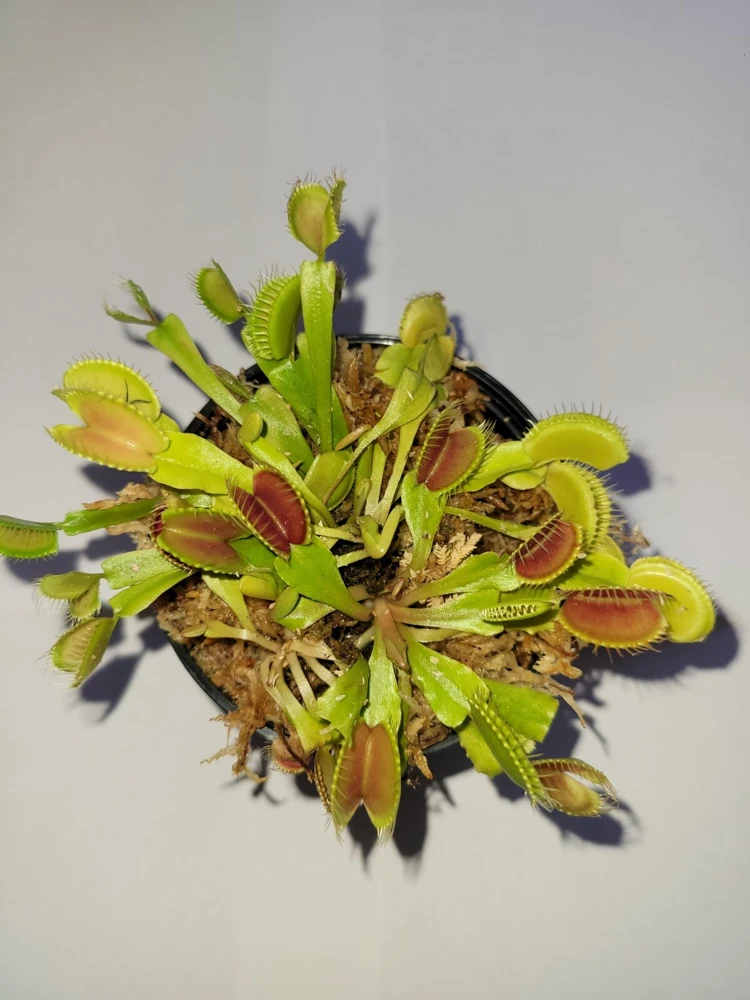
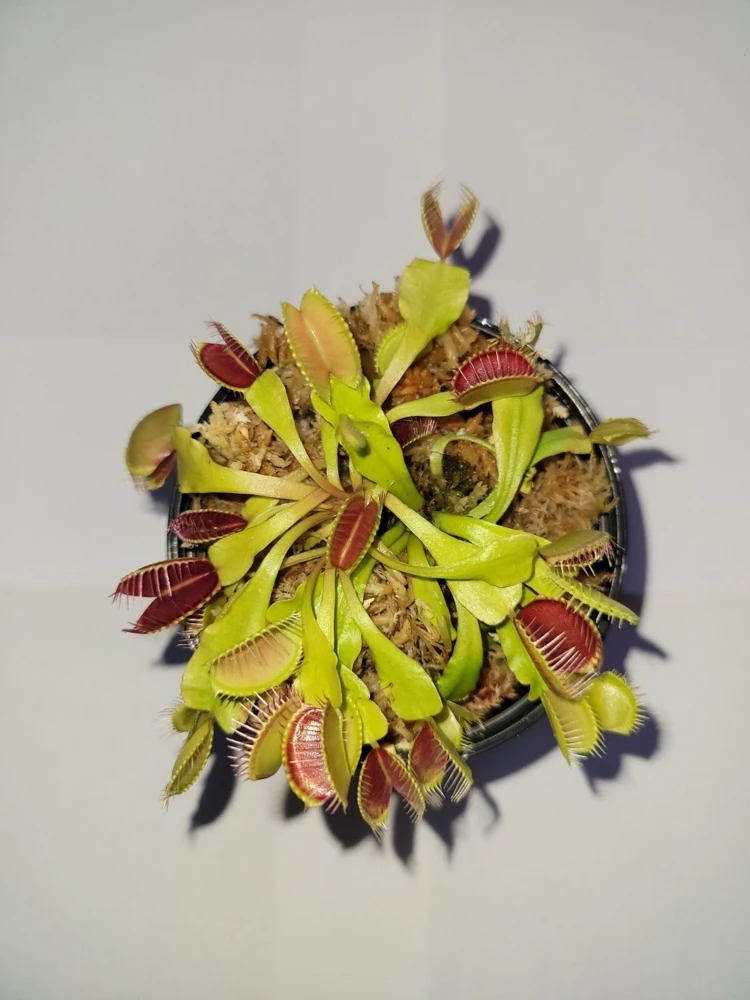
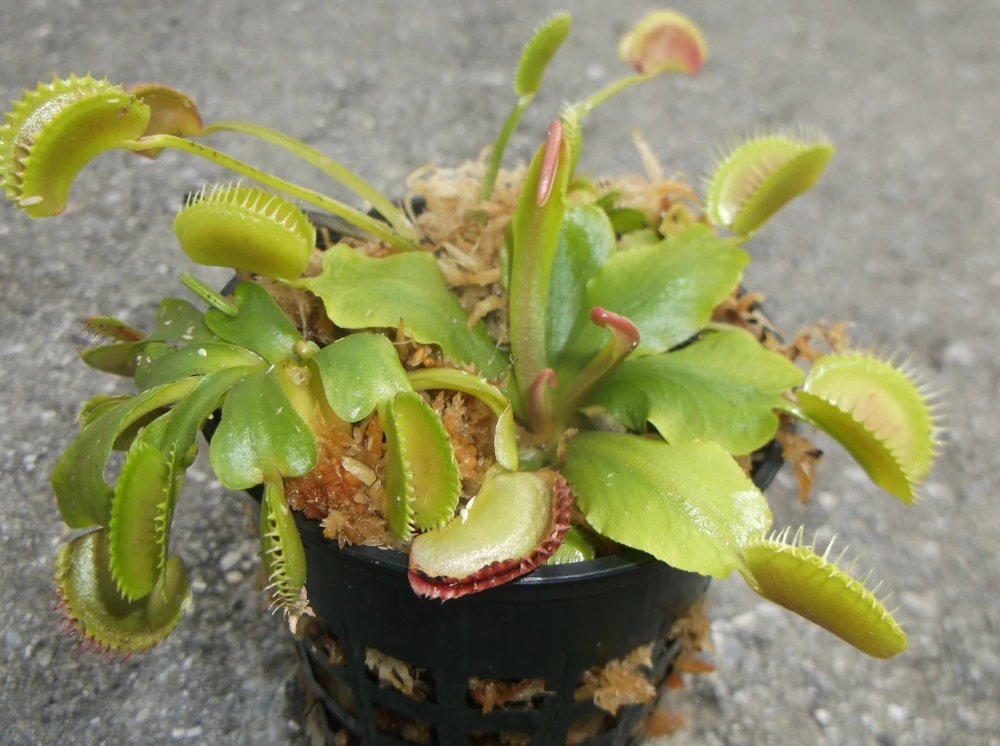
3 Small Venus Flytrap Live Plants – Dionaea Muscipula Carnivorous
Original price was: $42.98.$31.99Current price is: $31.99.
Bring home the exotic appeal of the venus flytrap live plant! This offer includes 3 small, healthy Dionaea Muscipula carnivorous plant specimens, ideal for catching bothersome insects. Perfect for both indoor and outdoor settings, these unique plants add a touch of the wild to any collection.
Estimated arrival
Oct 25
Oct 30 - Nov 01
Nov 04 - Nov 08
Shop With Confidence
30-Day Plant Health Guarantee
Arrives damaged? We’ll replace it free — see our return policy.
Responsive Support
Email us anytime, we reply within 1 business day.
Expert Packaging
Temperature-controlled shipping to protect your plants in transit.
Secure Checkout
Pay safely with Visa, Mastercard, PayPal.
Plant Specifications
-
USDA Hardiness Zone
9 (20 to 30 °F) -
Soil Type
Acidic, nutrient-poor, well-draining (peat moss & perlite/sand mix) -
Sunlight Exposure
Full Sun -
Expected Planting Period
Year-round indoors, Spring to early summer outdoors
Overview
Step into the intriguing world of carnivorous plants with this offer for 3 small Venus Flytraps. The venus flytrap live plant, scientifically known as Dionaea Muscipula, is one of nature’s most captivating wonders, renowned for its distinctive, hinged leaves that snap shut to capture insects. These three healthy specimens are perfect for anyone looking to add a unique, interactive element to their home or garden. Each plant provides natural pest control and an endless source of fascination as you witness its hunting prowess firsthand. Originating from subtropical wetlands, the Venus Flytrap is a resilient and relatively easy-to-care-for carnivorous plant, making it suitable for both novice and experienced plant enthusiasts. Its striking appearance and active trapping mechanism make it a true conversation starter and an exceptional addition to any plant collection.
Key Benefits
Adding a venus flytrap live plant to your environment offers several compelling advantages, blending aesthetic appeal with practical utility. These unique plants are more than just decorative; they actively contribute to a healthier indoor or outdoor space.
- Natural Pest Control: The primary benefit of owning a venus flytrap live plant is its ability to naturally control insect populations. These plants are incredibly efficient at trapping flies, mosquitoes, gnats, and other small insects, reducing the need for chemical sprays.
- Educational Value: Observing the intricate trapping mechanism of the Dionaea Muscipula care is a fantastic educational experience for all ages. It provides a living lesson in botany and ecology, demonstrating adaptation in the natural world.
- Unique Aesthetic Appeal: With their vibrant colors and distinctive leaf structures, Venus Flytraps are visually striking. They serve as a fascinating focal point in terrariums, on windowsills, or in bog gardens, adding an exotic touch.
- Low Maintenance for Carnivorous Plants: While they have specific needs, Venus Flytraps are generally considered one of the easier carnivorous plants to care for, especially when their basic requirements for light and water are met.
- Interactive Experience: Unlike ordinary houseplants, the Venus Flytrap offers an interactive element. Watching its traps close in response to prey or gentle stimulation is a truly engaging experience.
- Conversation Starter: These unusual plants rarely fail to impress. They are excellent conversation starters and can pique the interest of anyone who sees them.
- Adaptable for Indoor & Outdoor: The venus flytrap live plant thrives in both indoor settings with adequate light and humidity, and in outdoor bog gardens in suitable climates, offering versatile placement options.
Plant Care & Growing Tips
Proper Dionaea Muscipula care is crucial for the health and longevity of your venus flytrap live plant. These plants have distinct needs that differ from typical houseplants, primarily concerning water quality, soil, and light. For optimal growth, provide your Venus Flytraps with plenty of direct sunlight, ideally 4-6 hours per day. Outdoors, they can tolerate full sun, while indoors, a south-facing window or grow lights are best. Insufficient light will lead to weak traps and poor coloration.
Watering is perhaps the most critical aspect of caring for a carnivorous plant for sale. Venus Flytraps require distilled water, rainwater, or reverse osmosis water. Tap water, even filtered, often contains minerals that will build up in the soil and eventually kill the plant. Keep the soil consistently moist, but not waterlogged. A common method is to place the pot in a tray of about 1 inch of distilled water, allowing the plant to absorb water from the bottom. The soil mixture should be nutrient-poor and well-draining, typically a mix of peat moss and perlite or sand (50/50 ratio). Never use standard potting soil as it contains fertilizers that are toxic to Venus Flytraps.
The ideal temperature range for Venus Flytraps is between 70-95°F (21-35°C) during the growing season. They also require a dormancy period in winter, usually from November to February, where temperatures should drop to 35-50°F (2-10°C). During dormancy, the plant’s growth will slow significantly, and some traps may die back. Reduce watering during this period but ensure the soil remains slightly damp. Fertilizing is unnecessary and harmful; the plants get their nutrients from insects. If your plant isn’t catching enough insects, you can occasionally feed it small, live insects (no larger than one-third the size of the trap). Avoid triggering traps unnecessarily, as each trap has a limited number of closures before it dies.
Size & Details
This offering includes 3 small Venus Flytraps, each a robust and healthy specimen of Dionaea Muscipula. These plants are typically shipped as young, established plants, ready to settle into their new environment. While exact dimensions can vary slightly due to natural growth, each plant will usually have multiple active traps and a root system that supports healthy development. They are suitable for growing in small pots or as part of a larger bog garden setup. The ultimate size of a mature Venus Flytrap can reach a rosette diameter of 3-5 inches, with individual traps growing up to 1-1.5 inches long under ideal conditions. They are shipped as live plants, carefully packaged to ensure their safe arrival, and are prepared for immediate potting or placement in an existing carnivorous plant display. Expect your plants to continue growing and developing their distinct trapping mechanisms as they acclimate.
Frequently Asked Questions
- Q: How big do these Venus Flytraps get? A: These are 3 small Venus Flytraps. While they arrive at a small size, mature Venus Flytraps can grow to have a rosette diameter of 3-5 inches, with individual traps reaching up to 1.5 inches in length under optimal conditions.
- Q: What size pot should I use for my Venus Flytrap? A: For these small plants, a pot that is at least 4-6 inches deep and wide is recommended to allow for root growth and consistent moisture. Ensure the pot has drainage holes.
- Q: Is this an indoor or outdoor plant? A: The venus flytrap live plant can thrive both indoors and outdoors. Indoors, it needs strong, direct sunlight. Outdoors, it can be grown in bog gardens in appropriate USDA zones.
- Q: How much sunlight does a Venus Flytrap need? A: Venus Flytraps require a lot of light. They need at least 4-6 hours of direct sunlight per day, or very bright artificial grow lights if kept indoors.
- Q: Is this plant easy to care for? A: While they have specific needs, Venus Flytraps are considered one of the easier carnivorous plants to care for, making them suitable for beginners who are willing to learn about their unique requirements.
- Q: What kind of water should I use for my Dionaea Muscipula care? A: You must use distilled water, rainwater, or reverse osmosis water. Tap water contains minerals that are harmful to Venus Flytraps and will eventually kill them.
- Q: What condition will the plants arrive in? A: Your buy venus flytrap order will arrive as live, healthy plants, carefully packaged to minimize stress during transit. They will be ready for immediate planting.
- Q: Do I need to feed my Venus Flytrap? A: If kept outdoors, they will catch their own prey. Indoors, if they are not catching insects, you can feed them small, live insects (like crickets or mealworms) occasionally.
- Q: When is the best time to plant a Venus Flytrap? A: Venus Flytraps can be planted or repotted in spring or early summer, allowing them time to establish before their winter dormancy.
- Q: Will it survive winter in my zone? A: Venus Flytraps require a winter dormancy with temperatures between 35-50°F (2-10°C). They are hardy in USDA Zones 7-10 for outdoor growing, but may need protection in colder areas.
Be the first to review “3 Small Venus Flytrap Live Plants – Dionaea Muscipula Carnivorous”
People Also Viewed
Uncategorized
Flower Seeds
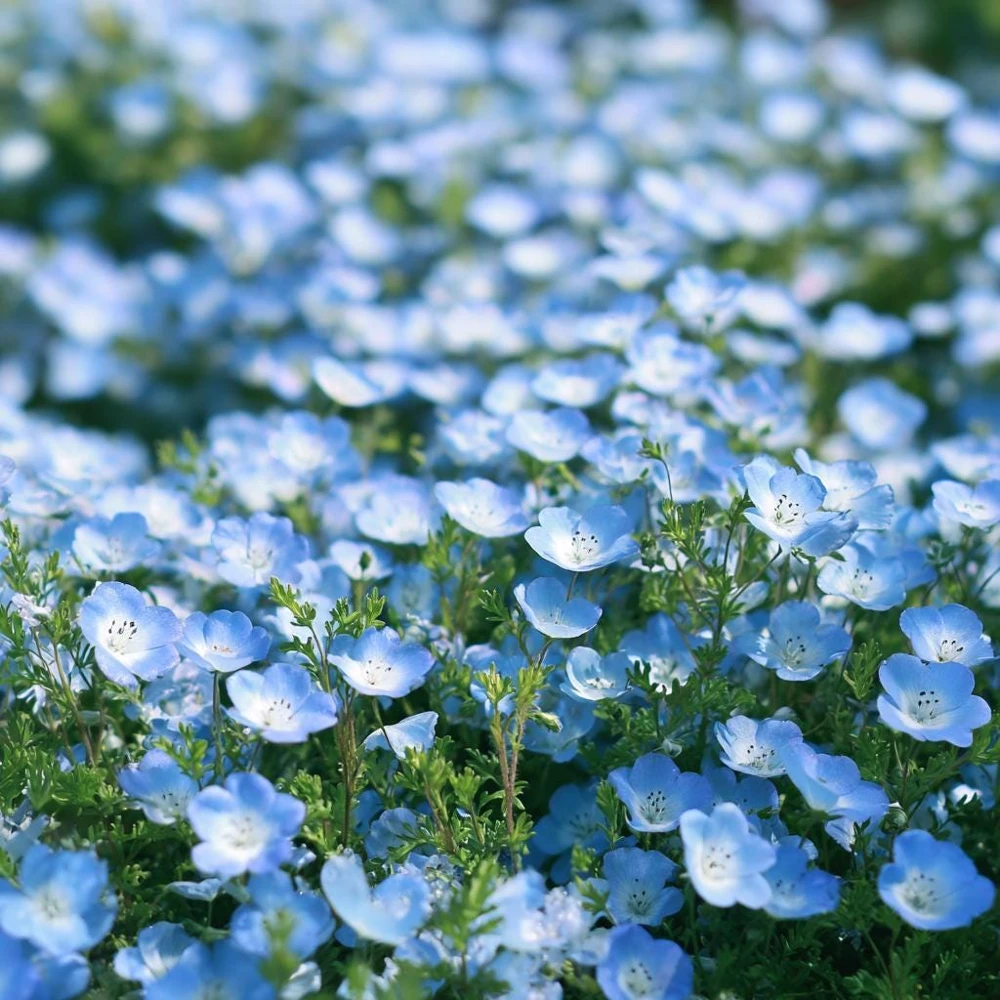
Baby Blue Eyes Flower Seeds – Nemophila Menziesii – 200 Seeds – Delicate Sky-Blue Blooms
Reviews
There are no reviews yet.