
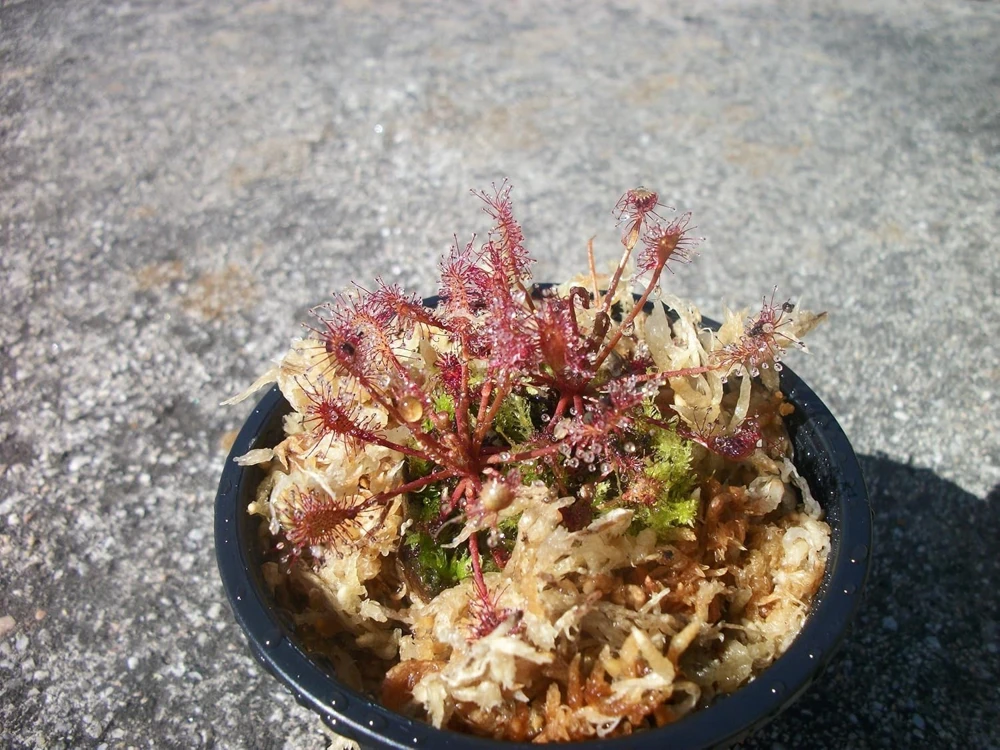
Drosera Intermedia Sundew Live Plant – 2 Pack – Carnivorous – Indoor/Outdoor
Original price was: $37.98.$26.99Current price is: $26.99.
Bring home a pair of captivating Drosera Intermedia Sundew carnivorous plants. These active insect hunters are perfect for both indoor and outdoor settings, adding unique beauty and natural pest control to your space. Easy to care for, they thrive in specific conditions.
Estimated arrival
Oct 25
Oct 30 - Nov 01
Nov 04 - Nov 08
Shop With Confidence
30-Day Plant Health Guarantee
Arrives damaged? We’ll replace it free — see our return policy.
Responsive Support
Email us anytime, we reply within 1 business day.
Expert Packaging
Temperature-controlled shipping to protect your plants in transit.
Secure Checkout
Pay safely with Visa, Mastercard, PayPal.
Plant Specifications
-
USDA Hardiness Zone
10 -
Soil Type
Peat moss and perlite/sand mix -
Sunlight Exposure
Full Sun -
Expected Planting Period
Year-round indoors, Spring to Summer outdoors
Overview
Introduce a touch of the extraordinary to your plant collection with the Drosera Intermedia Sundew, a remarkable carnivorous plant known for its glistening, dew-covered tentacles. This offering includes two live, healthy plants, ready to thrive in their new environment. Also commonly known as the Thread-Leaf Sundew, this species (Drosera intermedia) is a fascinating specimen for both novice and experienced plant enthusiasts. Native to temperate regions, the Drosera Intermedia Sundew is a resilient and captivating addition, perfectly suited for those interested in unique botanical forms and natural insect control. Its sticky leaves are a marvel of natural engineering, efficiently trapping and digesting small insects.
Each Drosera Intermedia Sundew plant comes prepared for successful growth, promising a rewarding experience as you watch these miniature predators in action. These plants are not only visually striking but also serve an ecological purpose, helping to manage small insect populations in a natural, organic way. They are particularly well-suited for terrariums, bog gardens, or as intriguing houseplants, offering endless fascination as they unfurl their dewy leaves.
Key Benefits
The Drosera Intermedia Sundew offers a multitude of benefits beyond its unique appearance, making it a highly desirable plant for various settings.
- Natural Insect Control: These carnivorous plants are highly effective at trapping and digesting small flying insects like gnats, fruit flies, and mosquitoes. They provide an eco-friendly and fascinating way to keep your home or garden naturally pest-free, reducing the need for chemical sprays.
- Educational and Engaging: Watching a sundew plant capture its prey is an incredibly engaging and educational experience, perfect for children and adults alike. It offers a unique insight into the natural world and the adaptations of plants.
- Unique Aesthetic Appeal: With their glistening, dew-covered leaves, Drosera Intermedia Sundew plants add an exotic and otherworldly beauty to any plant collection. They are a true conversation starter and a focal point in terrariums or bog gardens.
- Compact and Versatile: Due to their relatively small size, these sundews are ideal for windowsills, desks, or small terrariums. They can be grown indoors year-round, or outdoors in appropriate climates, offering great versatility.
- Low Maintenance (with specific care): Once their specific environmental needs for light, water, and soil are met, carnivorous plant care for sundews is quite straightforward. They do not require frequent feeding or complex pruning.
- Hardy in Specific Zones: The temperate nature of Drosera intermedia means it can be grown outdoors in USDA Hardiness Zone 10, and even in colder zones if protected during winter, making it more robust than some tropical carnivorous plants.
Plant Care & Growing Tips
Successful carnivorous plant care for the Drosera Intermedia Sundew revolves around replicating its natural bog-like habitat. These plants thrive with specific conditions that mimic their native temperate wetlands. For optimal growth, ensure consistent moisture, high humidity, and appropriate light.
Sunlight requirements: These sundews prefer full sun to partial sun. When grown indoors, provide at least 4-6 hours of direct sunlight from an east-facing or south-facing window. If natural light is insufficient, use a grow light for 12-14 hours daily. Outdoors, place them in a spot that receives ample morning sun and some afternoon shade in hotter climates to prevent scorching. Adequate light is crucial for the leaves to develop their characteristic sticky ‘dew’.
Watering schedule and soil moisture preferences: The most critical aspect of growing sundew plants is providing consistent moisture. Always keep the soil moist, but never waterlogged. Use the tray method: place the pot in a tray filled with 1-2 inches of distilled water, rainwater, or reverse osmosis water. Never use tap water, as the minerals will harm the plant. Allow the tray to dry out occasionally for a day or two before refilling to prevent root rot. Heavy watering is generally preferred to keep the medium consistently damp.
Soil type and drainage requirements: Use a very specific, nutrient-poor, acidic soil mix. A common mix is 50% peat moss (sphagnum peat, not coir) and 50% perlite or horticultural sand. Do not use regular potting soil, compost, or fertilizers, as these will kill the plant. The soil should be well-draining yet retain moisture effectively, which peat and perlite achieve. The ideal soil pH is acidic.
Temperature range and USDA hardiness zone:Drosera Intermedia Sundew is a temperate species. It can tolerate temperatures between 40°F and 90°F. In its native habitat, it experiences a winter dormancy period where temperatures can drop near freezing. It is hardy in USDA Hardiness Zone 10. If grown in colder zones, it will require winter protection or be moved indoors to a cool, bright location for dormancy.
Fertilization schedule and type: Do not fertilize sundews through their roots. They obtain all necessary nutrients from the insects they catch. Fertilizing their soil can quickly lead to their demise. If they are not catching enough insects, you can occasionally feed them with small, live insects or a diluted foliar feed specifically designed for carnivorous plants, applied directly to their leaves.
Common problems and solutions: Lack of ‘dew’ is often a sign of insufficient light or improper water (tap water). Increase light exposure or switch to distilled water. Fungus gnats can be an issue, but the sundew will often catch them. If the plant appears to be struggling, check water quality and ensure proper drainage and soil mix. When considering a Venus flytrap alternative, sundews are often easier to care for once their specific needs are met.
Size & Details
This offering includes two individual Drosera Intermedia Sundew live plants. Each plant is typically shipped as a young, actively growing specimen, ready to establish itself in your chosen environment. While exact dimensions can vary, they generally arrive with a leaf span of 1-3 inches, and will grow to a mature size of approximately 3-6 inches in diameter, depending on growing conditions and pot size. These plants are provided in their natural form, often as small, established plantlets, and will benefit from being transplanted into a suitable carnivorous plant medium upon arrival.
The growth rate of the Drosera Intermedia Sundew is moderate, with new leaves unfurling regularly under ideal conditions. They typically reach their full mature size within one to two growing seasons. These plants propagate readily from root cuttings or seeds, allowing for potential expansion of your collection. They are shipped healthy and carefully packaged to ensure safe arrival, ready to begin their journey in your bog garden or indoor terrarium.
Frequently Asked Questions
- Q: How big does this plant get? A: The Drosera Intermedia Sundew typically grows to a diameter of 3 to 6 inches, though size can vary based on growing conditions. It remains a relatively compact carnivorous plant, perfect for small spaces.
- Q: Is this an indoor or outdoor plant? A: This sundew is versatile and can be grown both indoors and outdoors. It thrives indoors with sufficient light and humidity, or outdoors in suitable climates (USDA Zone 10) or as part of a bog garden in temperate regions.
- Q: How much sunlight does it need? A: The Drosera Intermedia Sundew requires plenty of bright light to produce its sticky ‘dew.’ Aim for 4-6 hours of direct sunlight daily if grown indoors, or full sun to partial sun outdoors.
- Q: Is this plant easy to care for? A: While carnivorous plant care requires specific conditions (distilled water, special soil), once these are met, sundews are considered relatively easy to maintain compared to some other carnivorous plants, making them a good choice for beginners interested in growing sundew plants.
- Q: What condition will it arrive in? A: Your Drosera Intermedia Sundew plants will arrive as healthy, live specimens, carefully packaged to minimize stress during transit. They will be ready for immediate potting into your prepared carnivorous plant medium.
- Q: Can I use tap water for my sundew? A: No, absolutely not. Tap water contains minerals that are harmful to carnivorous plants and will eventually kill them. Always use distilled water, rainwater, or reverse osmosis water for your sundews.
- Q: What’s the minimum temperature this plant can tolerate? A: As a temperate species, Drosera intermedia can tolerate temperatures down to around 40°F (4°C) and even lower during a natural winter dormancy period, especially if protected. It is hardy in USDA Zone 10.
- Q: Why isn’t my sundew producing ‘dew’? A: Lack of ‘dew’ is most commonly caused by insufficient light, improper water (tap water), or low humidity. Ensure it receives enough bright light and is watered only with pure water. Increasing humidity can also help.
- Q: How do I know if the plant is in dormancy? A: During winter, temperate sundews like Drosera intermedia may form a hibernaculum (a compact, resting bud) and cease active growth. This is a natural process and the plant will resume growth in spring.
- Q: Is this a good Venus flytrap alternative for beginners? A: Yes, many find sundews to be a great alternative or companion to Venus flytraps. Their care requirements are similar but often considered less demanding in terms of feeding, as they passively catch insects.
Be the first to review “Drosera Intermedia Sundew Live Plant – 2 Pack – Carnivorous – Indoor/Outdoor”
People Also Viewed
Uncategorized
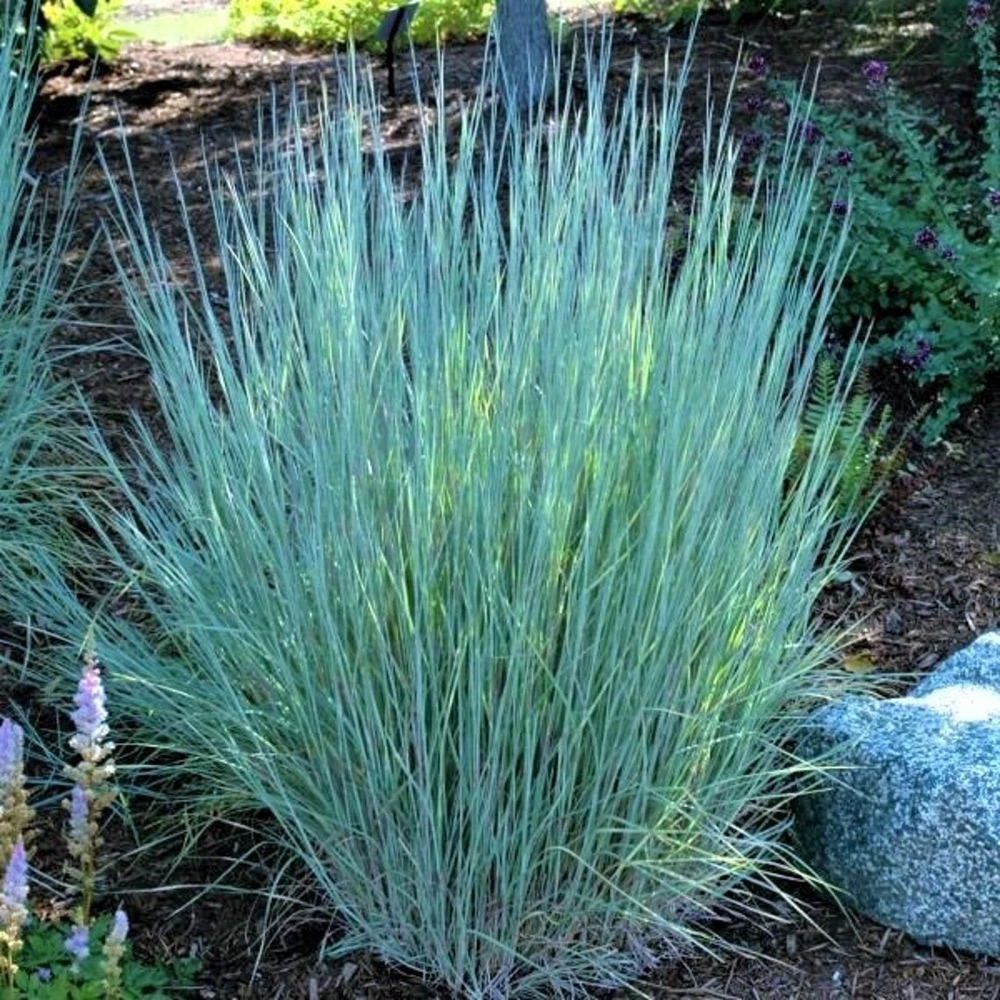
Little Bluestem Prairie Blues Schizachyrium Live Starter Plant Ships in Pot, Native Ornamental Grass
Uncategorized


Reviews
There are no reviews yet.