
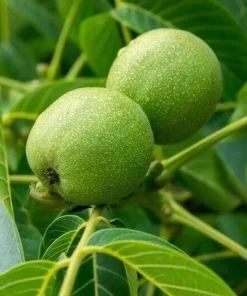
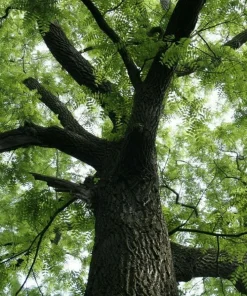
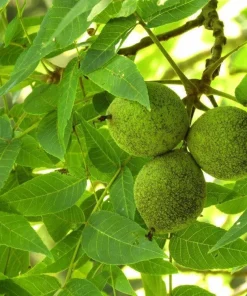
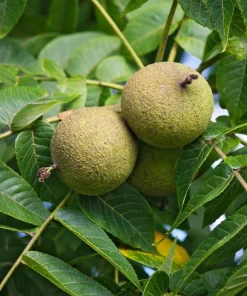
Black Walnut Tree Live Plant – 10-18″ Tall Nut-Bearing Seedling Juglans nigra
Original price was: $49.98.$27.99Current price is: $27.99.
Cultivate a valuable asset with this black walnut tree live plant. This 10-18 inch tall seedling is a fast-growing shade tree that will provide delicious, premium nuts for decades. Perfect for investing in your landscape.
Estimated arrival
Oct 14
Oct 19 - Oct 21
Oct 24 - Oct 28
Shop With Confidence
30-Day Plant Health Guarantee
Arrives damaged? We’ll replace it free — see our return policy.
Responsive Support
Email us anytime, we reply within 1 business day.
Expert Packaging
Temperature-controlled shipping to protect your plants in transit.
Secure Checkout
Pay safely with Visa, Mastercard, PayPal.
Plant Specifications
-
USDA Hardiness Zone
USDA Zones 4-9 -
Soil Type
Well-draining loamy soil -
Sunlight Exposure
Full sun -
Expected Planting Period
Spring or Fall
Overview
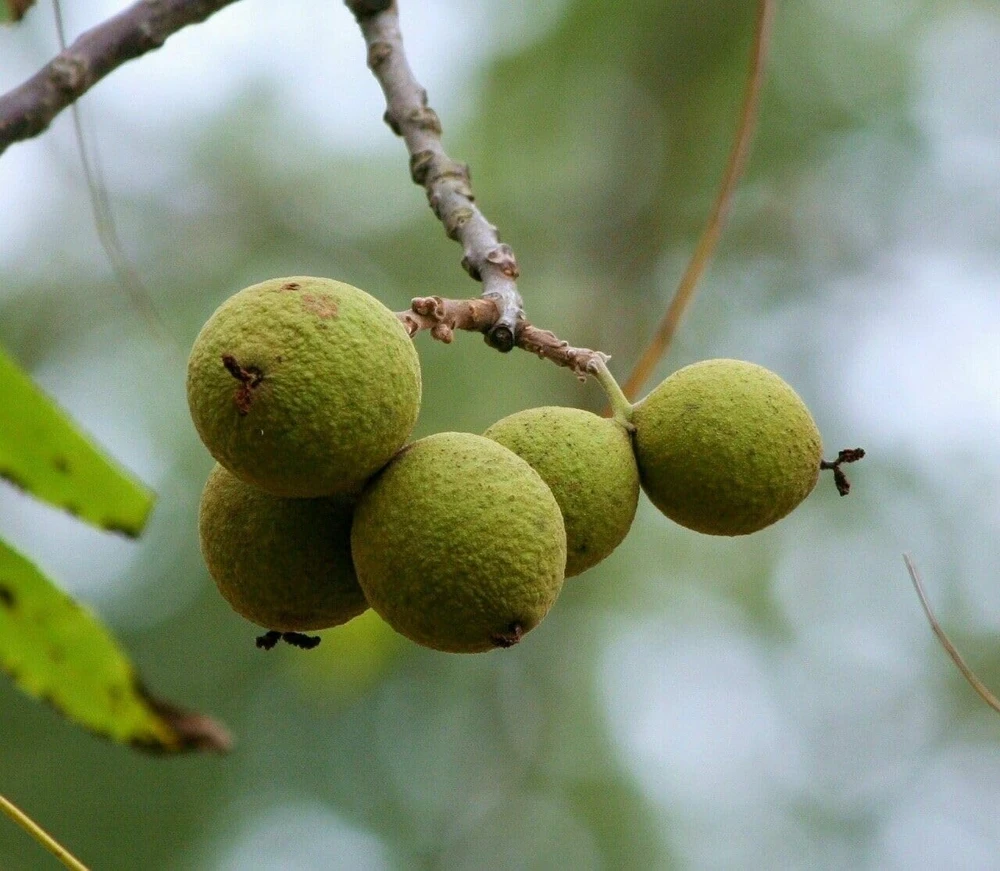
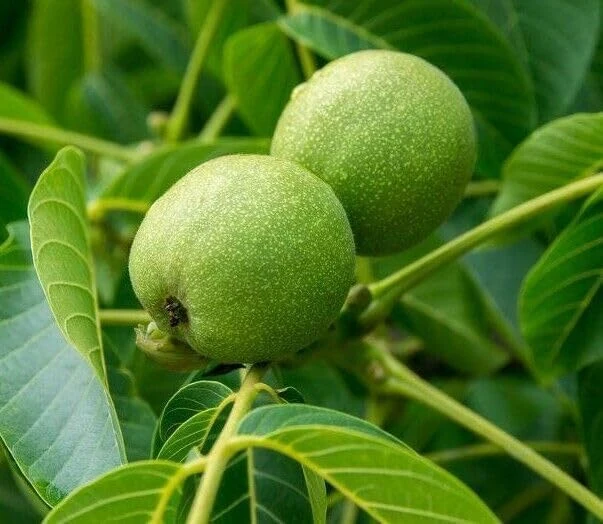
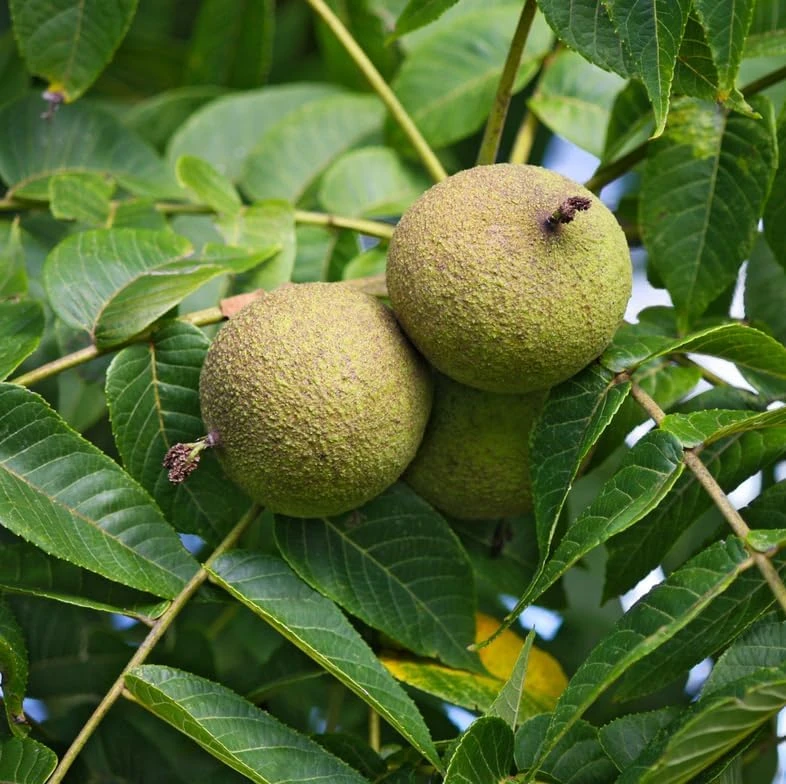
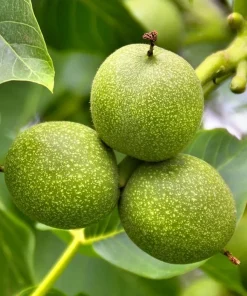
Introduce a truly remarkable and rewarding addition to your landscape with this black walnut tree live plant. This approximately 10-18 inch tall seedling, scientifically known as Juglans nigra, is much more than just a tree; it’s a long-term investment in gourmet nut production and a magnificent shade provider. Celebrated for its unique, intensely flavored nuts that far surpass store-bought varieties, the black walnut tree live plant promises both a delicious harvest and an impressive aesthetic presence. Transform your property into a thriving nut orchard, enjoying the benefits of this native North American giant for generations to come. Each seedling arrives ready to plant, offering an excellent opportunity to establish a valuable and beautiful part of your garden.
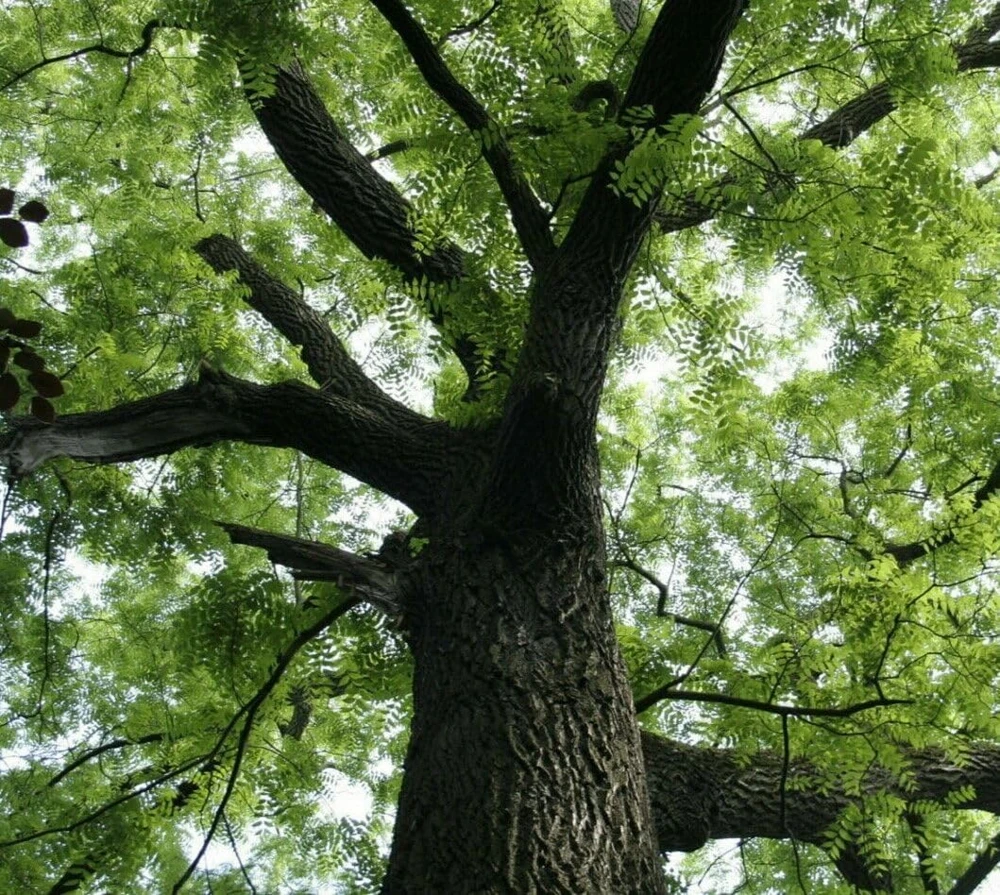
The black walnut tree live plant is renowned for its vigorous growth and ability to mature into a stately specimen. Beyond its culinary value, it contributes significantly to the ecosystem and provides substantial cooling shade during warmer months. This particular offering is a robust seedling, ensuring a strong start and quick establishment in your chosen location. Investing in a Juglans nigra plant means planting a legacy, as these trees are known for their longevity and increasing value over time, both for their nuts and their prized timber.
Key Benefits
Owning a black walnut tree live plant brings a multitude of advantages, from its practical yield to its aesthetic appeal. Here are several compelling reasons to add this magnificent tree to your property:
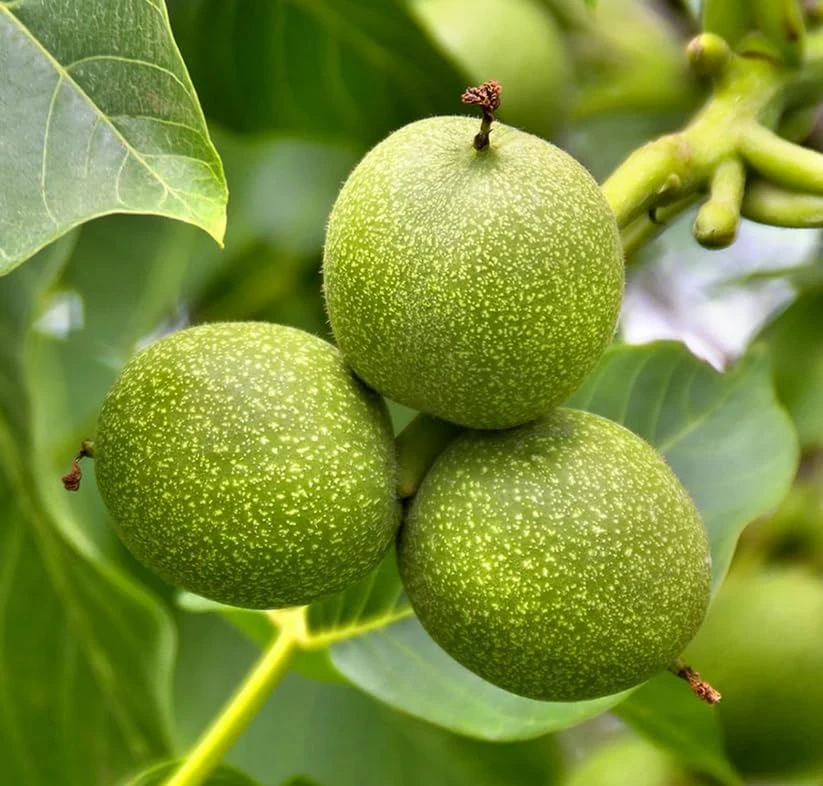
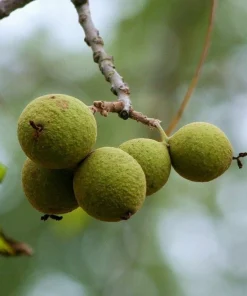
- Premium Gourmet Nut Production: This tree is celebrated for producing rich, intensely flavored black walnuts. These nuts are highly sought after by chefs and consumers alike, commanding premium prices at specialty markets due to their superior taste compared to commercial English walnuts. You’ll enjoy a unique, robust flavor profile unmatched by other varieties.
- Impressive Fast-Growing Shade Tree: The black walnut tree live plant quickly develops into a massive, stately specimen, providing generous cooling shade during hot summer months. Its substantial canopy creates a comfortable microclimate, reducing energy costs and enhancing outdoor living spaces.
- Incredibly Valuable Long-Term Investment: Mature trees can produce hundreds of pounds of valuable nuts annually, offering a consistent and profitable yield. Furthermore, the wood itself is highly prized for furniture and veneer, increasing the tree’s overall long-term financial value. This makes a black walnut seedling a truly sustainable investment.
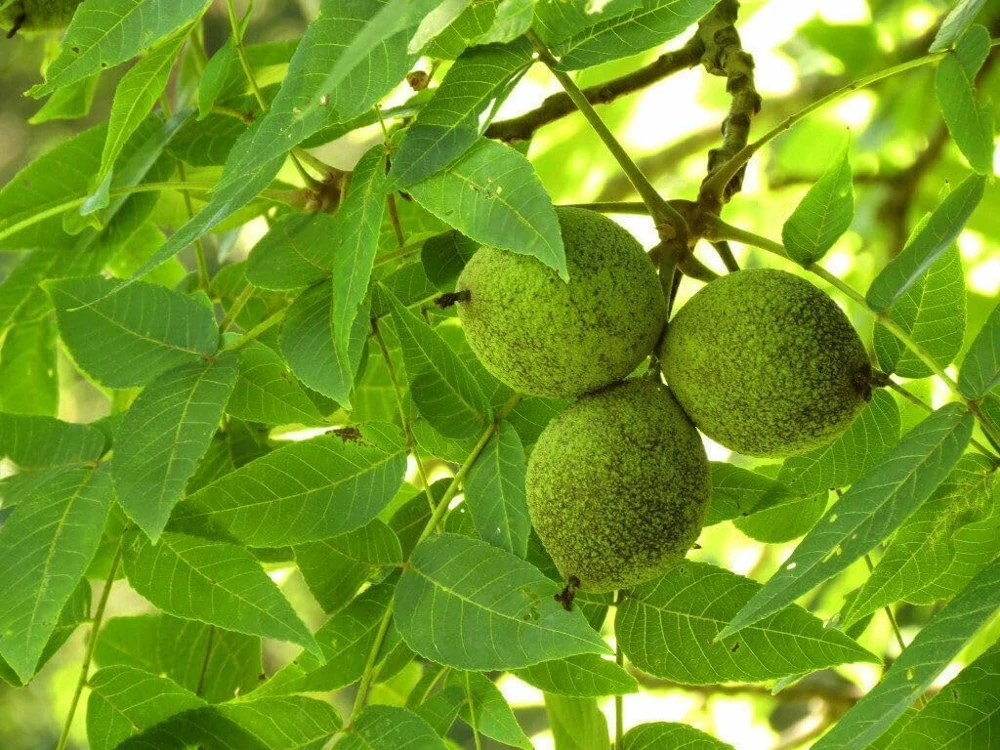
- Stunning Native Heritage Beauty: Bringing authentic American character to your landscape, the Black Walnut boasts gorgeous compound leaves, attractive deeply furrowed bark, and brilliant golden fall color. This display creates year-round visual appeal and adds a touch of natural elegance to any garden.
- Ecological Benefits: As a native species, the Juglans nigra plant supports local wildlife, providing food and habitat. Its deep root system also helps with soil stabilization and reduces erosion.
- Drought Tolerance: Once established, Black Walnut trees exhibit good drought tolerance, making them a resilient choice for various climates and reducing the need for extensive irrigation.
- Low Maintenance: After its initial establishment, this tree is relatively low maintenance, requiring minimal intervention to thrive and produce abundant harvests.
Plant Care & Growing Tips
Caring for your black walnut tree live plant is straightforward, ensuring a healthy and productive tree for years to come. These trees are robust and adaptable, but providing optimal conditions will maximize growth and nut yield. For sunlight, Black Walnuts thrive in full sun, requiring at least 6-8 hours of direct sunlight per day. While they can tolerate partial shade, full sun exposure is crucial for the best nut production and vigorous growth. Therefore, choose a planting site that receives ample direct light throughout the day.
When it comes to watering, consistent moisture is important, especially during the first few years after planting your black walnut seedling. Water deeply and regularly, ensuring the soil remains moist but not waterlogged. Once established, Black Walnuts are quite drought-tolerant, but supplemental watering during prolonged dry spells will benefit them. They prefer a rich, deep, and well-draining soil. While adaptable to various soil types, a loamy soil with a neutral to slightly alkaline pH (6.0-7.0) is ideal. Ensure good drainage to prevent root rot, as waterlogged conditions can be detrimental to the tree’s health. The Juglans nigra plant is quite hardy, typically thriving in USDA Zones 4-9. It can withstand a wide range of temperatures, but protection from extreme cold might be necessary for very young seedlings in the colder parts of its range.
Fertilization is generally not heavily required for established Black Walnut trees, especially if planted in fertile soil. However, young trees can benefit from a balanced, slow-release fertilizer in early spring to encourage strong growth. Avoid over-fertilizing, which can harm the tree. One common issue specific to Black Walnuts is juglone, a natural chemical released by their roots that can inhibit the growth of certain other plants. When selecting companion plants, research those that are tolerant to juglone. Pruning should focus on removing dead, damaged, or crossing branches to maintain a strong structure and improve air circulation within the canopy. Overall, with proper site selection and basic care, your black walnut tree live plant will flourish.
Size & Details
This offering is for one black walnut tree live plant, which arrives as a healthy seedling approximately 10-18 inches tall. It is shipped carefully packaged in a pot, ensuring minimal transplant shock upon arrival. As a fast-growing shade tree, you can expect noticeable growth each year, with the tree quickly developing its characteristic strong central leader and broad canopy. The mature height of a Black Walnut tree can range from 75 to 100 feet, with a spread of 50-75 feet, making it a truly majestic presence in the landscape. Nut production typically begins when the tree is 10-15 years old, with yields increasing significantly as the tree matures. This black walnut seedling provides a strong foundation for a long-lived and productive tree.
The tree will be shipped in a suitable nursery container to protect its root system during transit, ready for immediate planting upon receipt. The eventual planting location should accommodate its large mature size, both above and below ground, considering its extensive root system and canopy spread. This Juglans nigra plant is an investment that yields both aesthetic beauty and delicious harvests for many decades.
Frequently Asked Questions
- Q: How big does this black walnut tree live plant get? A: This particular offering is a 10-18 inch tall seedling. Mature Black Walnut trees can grow to an impressive height of 75-100 feet with a spread of 50-75 feet, becoming a significant shade tree.
- Q: What size pot does it come in? A: The black walnut seedling is shipped in a nursery pot designed to protect its root system during transit and ensure a healthy start. The exact pot size may vary but will be appropriate for a plant of this height.
- Q: Is this an indoor or outdoor plant? A: The black walnut tree live plant is an outdoor tree. It requires ample space and sunlight to grow to its full potential and is not suitable for indoor cultivation long-term.
- Q: How much sunlight does it need? A: Black Walnuts thrive in full sun, requiring at least 6-8 hours of direct sunlight per day to ensure vigorous growth and optimal nut production.
- Q: Is this plant easy to care for? A: Once established, the black walnut tree live plant is relatively low maintenance. It requires consistent watering during its initial growth phase but becomes quite resilient and drought-tolerant with age.
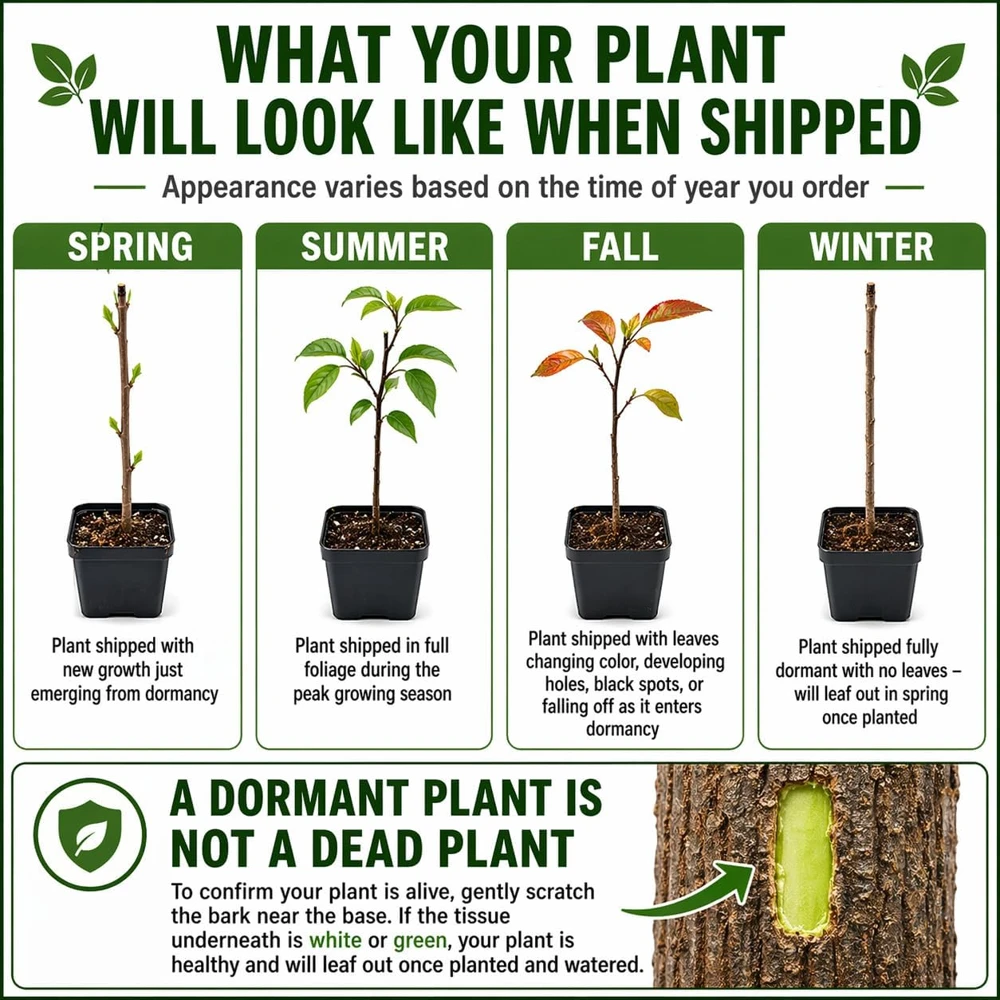
- Q: What condition will it arrive in? A: Your black walnut seedling will arrive carefully packaged in its pot, with its root system protected, ensuring it is healthy and ready for planting.
- Q: When is the best time to plant a black walnut tree? A: The best time to plant a black walnut tree live plant is in the spring or fall, when temperatures are moderate. This allows the tree to establish its root system before extreme heat or cold.
- Q: Will it survive winter in my zone? A: Black Walnut trees are hardy and generally thrive in USDA Zones 4-9. If you are within these zones, your tree should survive winter with proper care and establishment.
- Q: Does the Juglans nigra plant produce nuts quickly? A: While a fast-growing shade tree, nut production typically begins when the tree is around 10-15 years old, with yields increasing significantly as the tree matures further.
- Q: Can I grow other plants near a black walnut tree? A: Black Walnuts produce juglone, a natural chemical that can be toxic to some plants. Research juglone-tolerant plants if you plan to garden near your black walnut tree live plant.
Be the first to review “Black Walnut Tree Live Plant – 10-18″ Tall Nut-Bearing Seedling Juglans nigra”
People Also Viewed
Houseplants
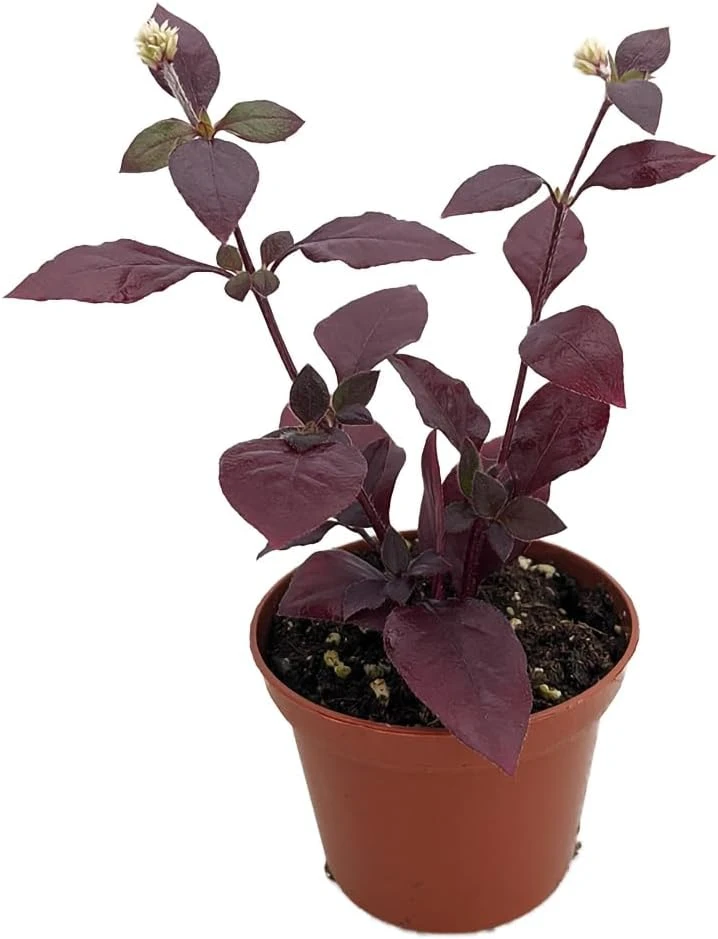
Purple Prince Alternanthera Live Plant – St. Joseph’s Coat – 2.5″ Pot – Indoor/Outdoor Foliage
Reviews
There are no reviews yet.