

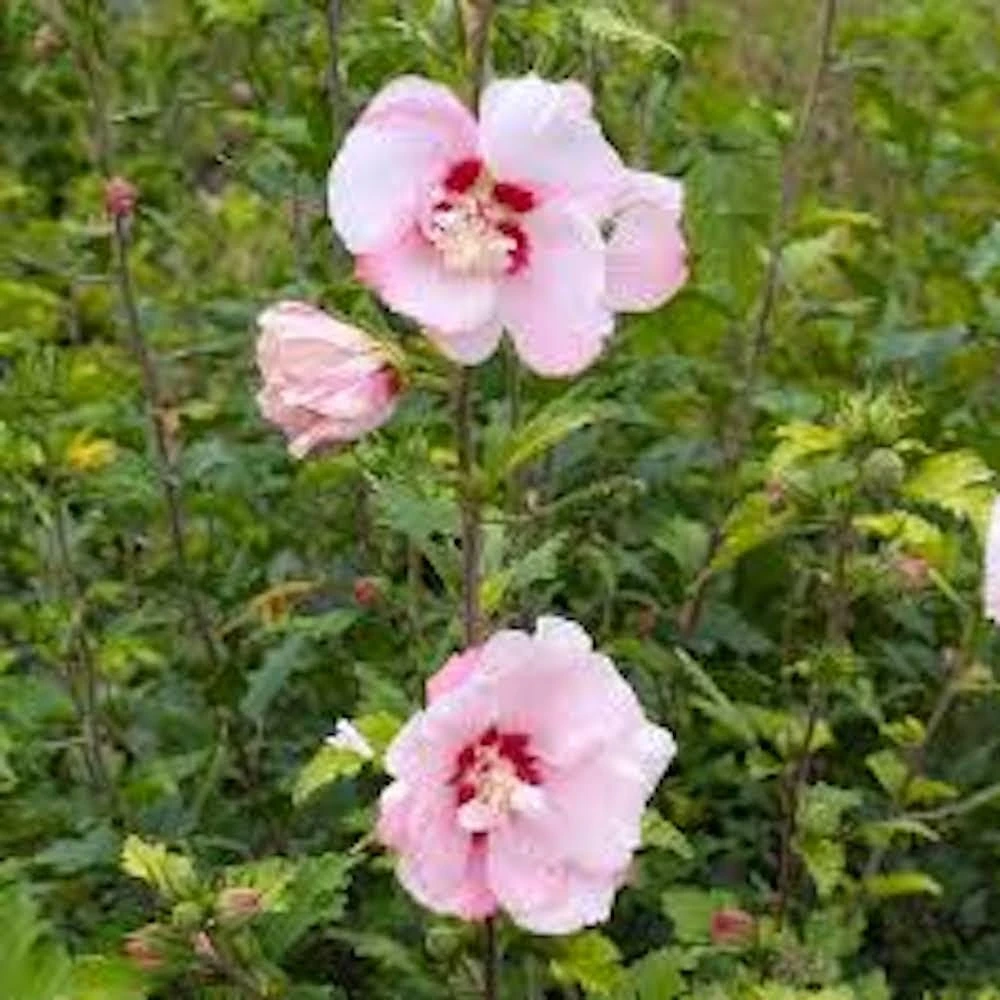
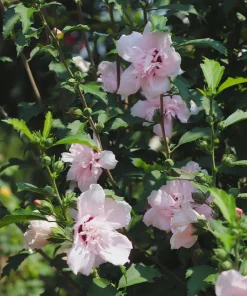
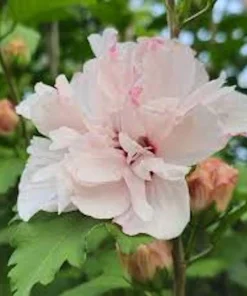
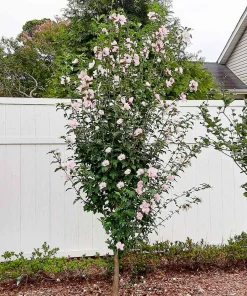
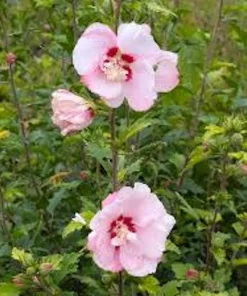
Pink Rose of Sharon Hibiscus syriacus Live Plant – 12-24″ Tall Starter, Quart Pot
Original price was: $74.99.$49.99Current price is: $49.99.
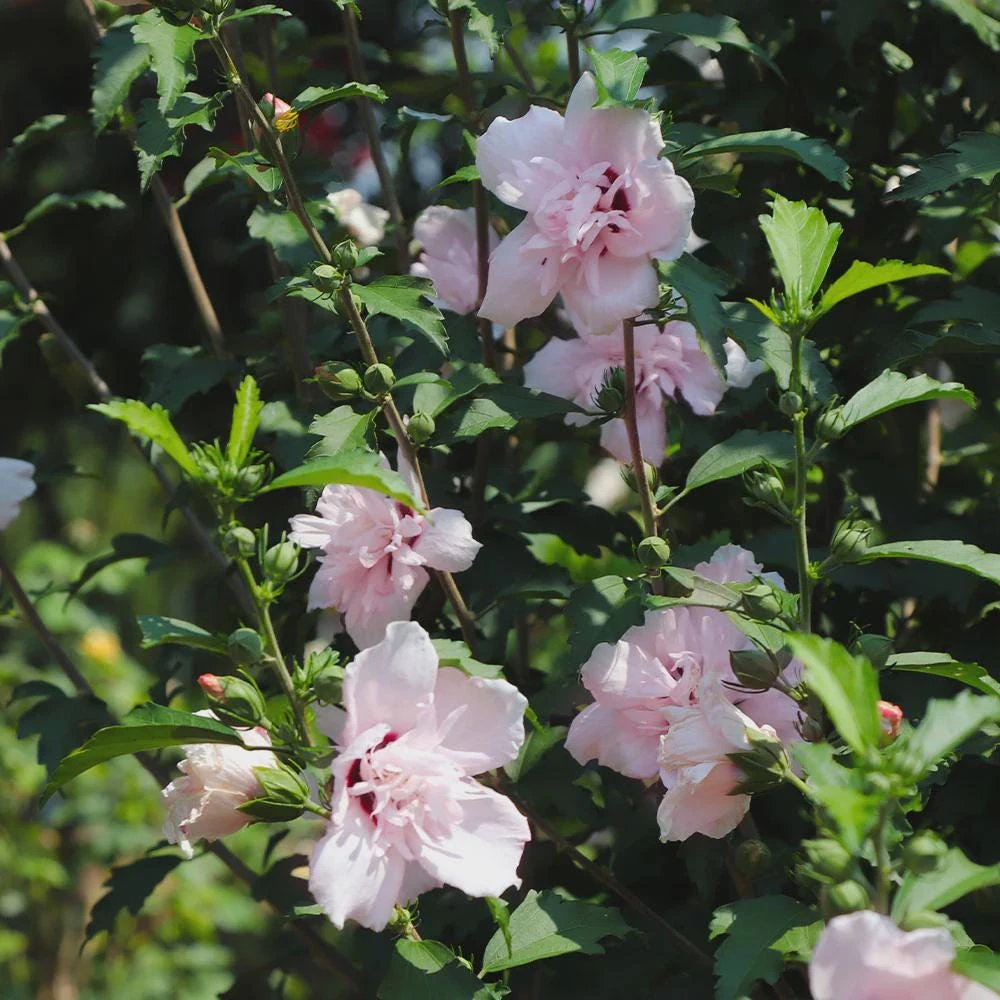
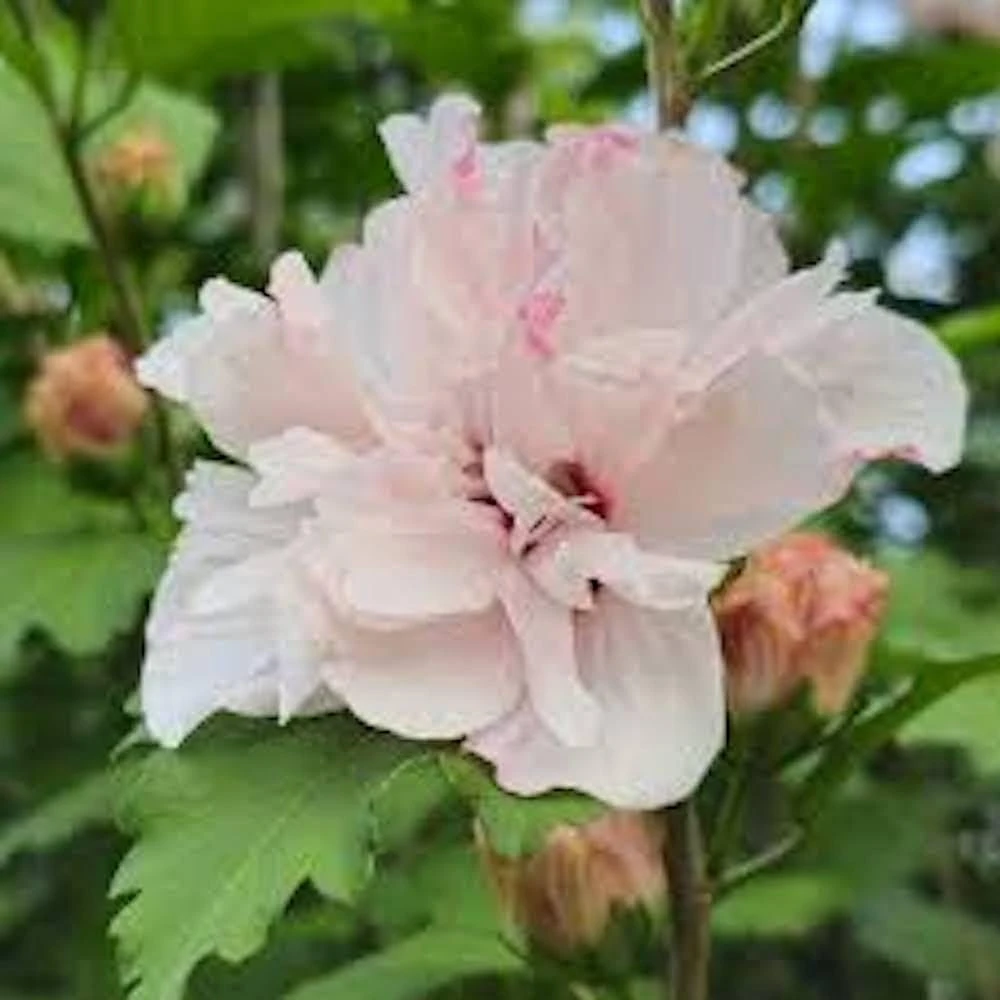
Bring vibrant color to your landscape with this pink Rose of Sharon Hibiscus. This Althea Hibiscus live plant is a hardy deciduous shrub, growing 12-24 inches tall, perfect as a starter plant for your garden. Enjoy abundant pink blooms from summer to fall.
Estimated arrival
Sep 29
Oct 04 - Oct 06
Oct 09 - Oct 13
Shop With Confidence
30-Day Plant Health Guarantee
Arrives damaged? We’ll replace it free — see our return policy.
Responsive Support
Email us anytime, we reply within 1 business day.
Expert Packaging
Temperature-controlled shipping to protect your plants in transit.
Secure Checkout
Pay safely with Visa, Mastercard, PayPal.
Plant Specifications
-
USDA Hardiness Zone
USDA Zones 5-9 -
Soil Type
Moist, well-draining soil -
Sunlight Exposure
Full sun to partial shade -
Expected Planting Period
Spring to early fall
Overview
Introduce a touch of elegance and vibrant color to your garden with the pink Rose of Sharon Hibiscus. This beautiful and resilient shrub, also known as Althea Hibiscus live plant (Hibiscus syriacus), is a beloved deciduous species known for its prolific blooming from summer into fall. Originating from Asia, this hardy plant brings a tropical feel to temperate climates, making it a popular choice for gardeners across the US. Our starter plant, standing 12-24 inches tall in a quart pot, is ready to establish itself in your landscape, promising years of stunning floral displays. The pink Rose of Sharon Hibiscus is celebrated for its large, showy flowers and its adaptability to various growing conditions, making it an excellent addition for both novice and experienced gardeners.
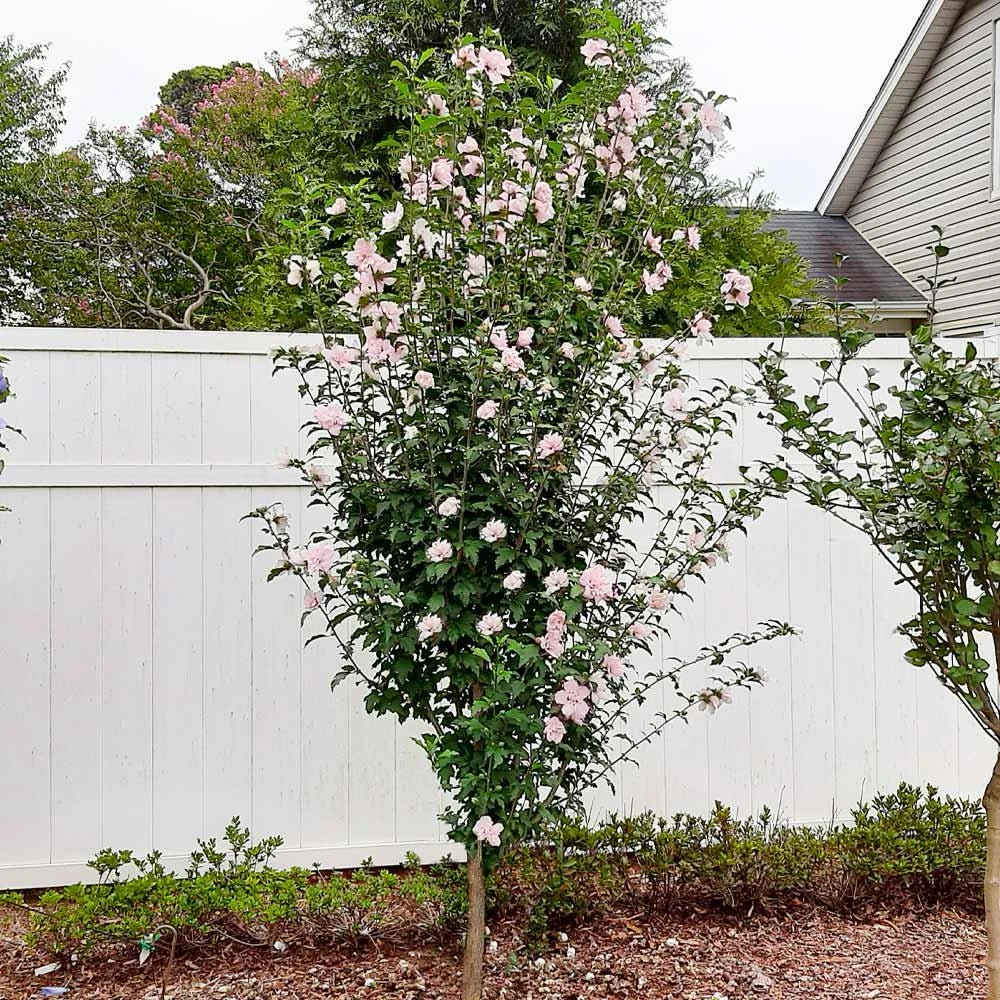
The Hibiscus syriacus, commonly referred to as Rose of Sharon or Althea, is a versatile plant that can be grown as a shrub or trained into a small tree. Its upright growth habit and dense foliage provide excellent structure and privacy. The charming pink blooms create a striking contrast against its green leaves, attracting pollinators like bees and butterflies to your garden. This Althea Hibiscus live plant is a testament to natural beauty and endurance, providing consistent visual interest throughout the warmer months. Whether you’re looking to create a colorful border, a focal point, or a privacy screen, the pink Rose of Sharon Hibiscus is an outstanding choice that combines beauty with remarkable hardiness.
Key Benefits
The pink Rose of Sharon Hibiscus offers numerous advantages that make it a standout choice for your garden. Its ease of care and stunning appearance ensure it will be a cherished part of your outdoor space for years to come. Investing in an Althea Hibiscus live plant brings both aesthetic and ecological benefits to your home:
- Spectacular Summer and Fall Blooms: Enjoy a long season of large, beautiful pink flowers that add a splash of vibrant color to your landscape when many other plants are fading. These showy blooms are a true garden highlight.
- Attracts Pollinators: The abundant flowers are a magnet for bees, butterflies, and hummingbirds, contributing to a healthy and biodiverse garden ecosystem. This makes the pink Rose of Sharon Hibiscus not just beautiful but also beneficial.
- Low Maintenance and Hardy: This deciduous shrub is remarkably robust and adaptable, tolerating a wide range of soil conditions and requiring minimal attention once established. It’s an ideal choice for gardeners seeking beauty without constant upkeep, especially when considering Hibiscus syriacus care.
- Versatile Landscape Use: Can be grown as a standalone specimen shrub, integrated into mixed borders, used as a privacy hedge, or even trained into a small, elegant tree form. Its versatility allows for creative garden design.
- Drought Tolerant: Once established, the Althea Hibiscus live plant exhibits good drought resistance, making it suitable for water-wise gardening practices in many regions. This reduces the need for frequent watering.
- Deer Resistant: Generally, deer tend to avoid Rose of Sharon, making it a good option for areas where deer browsing is a concern. This helps protect your garden investment.
- Yearly Reblooming: As a hardy deciduous shrub, the pink Rose of Sharon Hibiscus reliably returns each spring, growing bigger and producing more flowers each year, ensuring continuous enjoyment.
Plant Care & Growing Tips
Proper Hibiscus syriacus care is straightforward, ensuring your pink Rose of Sharon Hibiscus thrives and produces an abundance of its characteristic beautiful blooms. This hardy deciduous shrub is quite forgiving, making it an excellent choice for gardeners of all experience levels. To ensure vigorous growth and a spectacular display, understanding its environmental preferences is key. Plant your Althea Hibiscus live plant in a location that receives full sun to partial shade; ideally, at least 6 hours of direct sunlight per day will encourage the most prolific flowering. While it tolerates some shade, too little sun may result in fewer blooms and a lankier growth habit. Ensure good air circulation around the plant to help prevent fungal diseases.
When it comes to watering, the pink Rose of Sharon Hibiscus prefers consistently moist, but not waterlogged, soil, especially during its establishment period. Once mature, it becomes more drought-tolerant, but regular watering during prolonged dry spells will promote better flowering. The ideal soil type is a well-draining loam that is rich in organic matter. Avoid heavy clay soils that retain too much moisture, which can lead to root rot. If your soil is heavy, amend it with compost or other organic material to improve drainage and fertility. Fertilize in early spring with a balanced, slow-release granular fertilizer formulated for flowering shrubs, following the product’s instructions for application rates. Pruning is best done in late winter or early spring before new growth begins. You can prune to maintain shape, control size, or remove dead or crossing branches. The Rose of Sharon planting process is simple, and with these tips, your plant will flourish.
This hardy deciduous shrub is adaptable to a wide range of temperatures and is generally cold hardy in USDA Zones 5 through 9. In colder zones, ensure it’s planted in a sheltered location and consider adding a layer of mulch around the base for winter protection. Pests and diseases are generally not a major issue for Rose of Sharon. Occasionally, aphids or Japanese beetles may appear, but they can typically be managed with insecticidal soap or by hand-picking. Proper siting and good cultural practices, such as ensuring adequate spacing and air circulation, are the best defenses against problems. With consistent attention to these care guidelines, your pink Rose of Sharon Hibiscus will become a resilient and captivating feature in your garden for many seasons.
Size & Details
This offering is for one pink Rose of Sharon Hibiscus starter plant, delivered healthy and ready for planting. Each Althea Hibiscus live plant measures approximately 12-24 inches tall from the base of the root ball to the top of the foliage, providing a substantial young plant for immediate impact in your garden. It is shipped in a quart-sized pot, ensuring the root system is well-established and protected during transit. This size is ideal for planting directly into your garden beds, containers, or for growing on in a larger pot before permanent placement. The plant is a hardy deciduous shrub, meaning it will drop its leaves in the fall and regrow them in the spring, ready for another season of beautiful pink blooms.
Upon arrival, your pink Rose of Sharon Hibiscus may have been recently pruned to encourage branching and a bushier growth habit, or to fit within shipping requirements. This is normal and beneficial for the plant’s long-term health and shape. Expected growth rate is moderate, typically adding 1-2 feet per year once established. Mature plants can reach a height of 8-12 feet and a similar spread, forming a robust and attractive specimen. With proper Rose of Sharon planting and care, you can expect this plant to begin flowering in its first or second year, providing a delightful display of pink blossoms throughout the summer and fall. The starter plant size allows for easier transplanting and establishment in your chosen garden spot.
Frequently Asked Questions
- Q: How big does this pink Rose of Sharon Hibiscus get? A: This starter plant is 12-24 inches tall. When mature, a pink Rose of Sharon Hibiscus can grow to be 8-12 feet tall and wide, forming a substantial shrub or small tree.
- Q: What size pot does it come in? A: Your Althea Hibiscus live plant will arrive in a quart-sized nursery pot, providing a healthy root system ready for transplanting into your garden or a larger container.
- Q: Is this an indoor or outdoor plant? A: The pink Rose of Sharon Hibiscus is primarily an outdoor plant, thriving in garden settings. It is a hardy deciduous shrub suitable for USDA Zones 5-9.
- Q: How much sunlight does it need? A: For optimal growth and flowering, the Althea Hibiscus live plant prefers full sun (at least 6 hours of direct sunlight daily) but can tolerate partial shade.
- Q: Is this plant easy to care for? A: Yes, the pink Rose of Sharon Hibiscus is considered a low-maintenance plant once established, making Hibiscus syriacus care relatively easy for gardeners of all levels.
- Q: What condition will it arrive in? A: Your plant will arrive as a healthy, actively growing starter plant, carefully packaged to ensure its safety during transit. It may be shipped bare root as a starter plant.
- Q: When is the best time for Rose of Sharon planting? A: Spring or early fall are generally the best times to plant your pink Rose of Sharon Hibiscus, allowing it to establish its root system before extreme temperatures.
- Q: How long until it blooms? A: Many starter plants will produce their first blooms in the first or second year after planting, especially with good care and proper Rose of Sharon planting.
- Q: Will it survive winter in my zone? A: The pink Rose of Sharon Hibiscus is a hardy deciduous shrub that is typically cold-hardy in USDA Zones 5-9. In colder zones, some winter protection may be beneficial.
- Q: What kind of soil does it prefer? A: This plant thrives in moist, well-drained soil. Amending heavy soils with organic matter will improve drainage and overall plant health for your Althea Hibiscus live plant.
Be the first to review “Pink Rose of Sharon Hibiscus syriacus Live Plant – 12-24″ Tall Starter, Quart Pot”
People Also Viewed
Vegetable Seeds
500 Danish Ballhead Cabbage Vegetable Seeds – Brassica Oleracea Capitata – Outdoor Garden

Reviews
There are no reviews yet.