
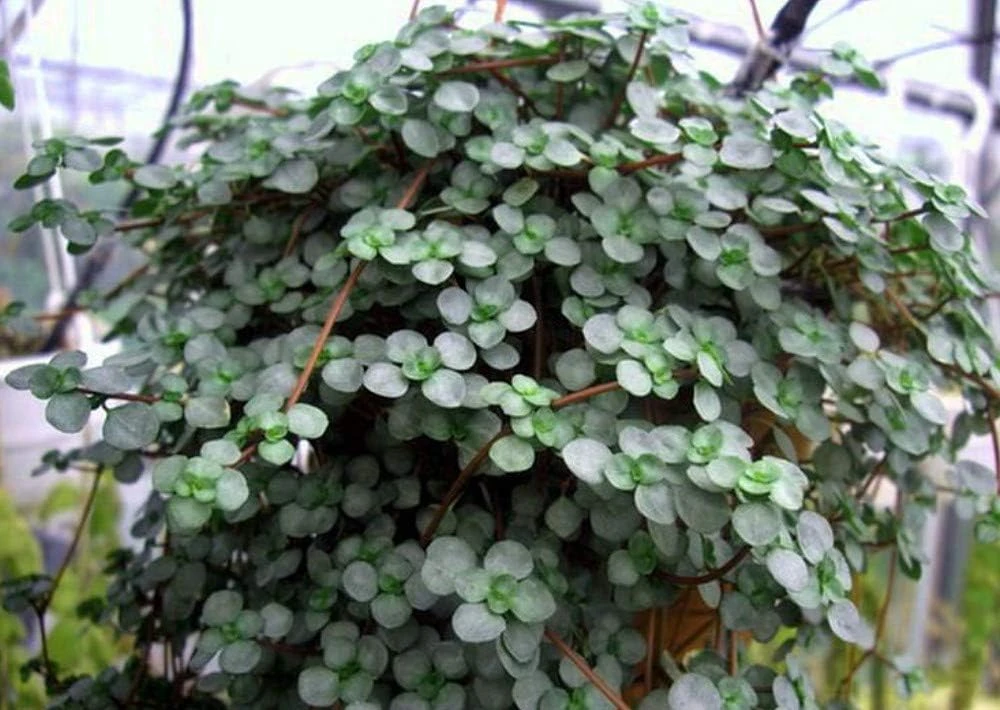
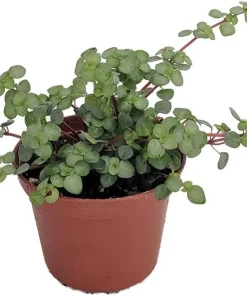
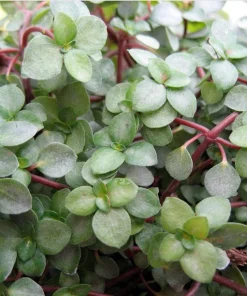
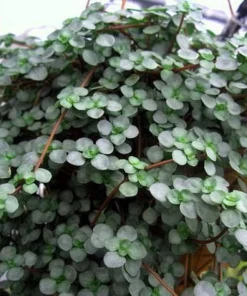
Pilea Glauca Plant – Blue Baby Tears Live Plant 2.5 inch Pot – Indoor
Original price was: $32.99.$22.99Current price is: $22.99.
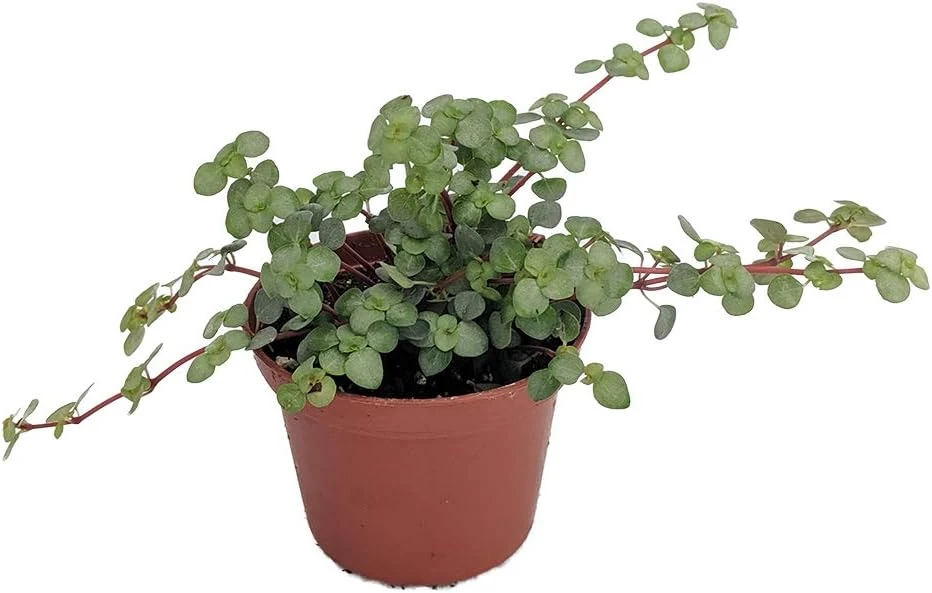
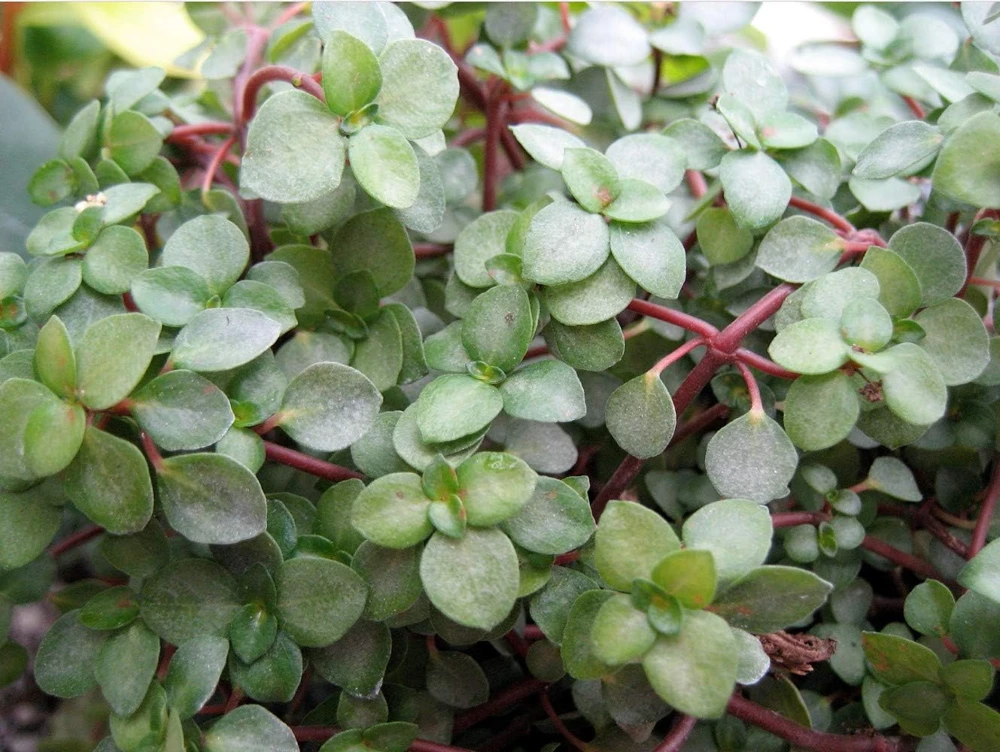
Brighten your home with the delightful Pilea Glauca plant, often called Blue Baby Tears live plant. This petite and charming indoor Pilea Glauca features delicate blue-green foliage and contrasting red stems, making it an ideal choice for windowsills or hanging baskets. It’s an easy care houseplants, perfect for beginners and seasoned plant enthusiasts alike.
Estimated arrival
Sep 29
Oct 04 - Oct 06
Oct 09 - Oct 13
Shop With Confidence
30-Day Plant Health Guarantee
Arrives damaged? We’ll replace it free — see our return policy.
Responsive Support
Email us anytime, we reply within 1 business day.
Expert Packaging
Temperature-controlled shipping to protect your plants in transit.
Secure Checkout
Pay safely with Visa, Mastercard, PayPal.
Plant Specifications
-
USDA Hardiness Zone
USDA zones 10-11 (outdoors); typically grown indoors -
Soil Type
Well-draining potting mix -
Sunlight Exposure
Bright indirect light -
Expected Planting Period
Year-round indoors
Overview
Introduce a touch of serene beauty into your indoor space with the exquisite Pilea Glauca plant, commonly known as Blue Baby Tears live plant. This captivating small plant is celebrated for its dense mat of tiny, iridescent blue-green leaves that cascade gracefully, complemented by delicate reddish stems. Originating from tropical regions, Pilea glauca thrives in environments that mimic its natural humid habitat, making it a fantastic addition to terrariums, fairy gardens, or simply as an elegant standalone potted plant on a desk or shelf. Its compact growth habit and unique coloration offer a refreshing visual appeal, providing a calming and vibrant presence in any room. The Pilea Glauca plant is not only beautiful but also relatively low-maintenance, making it a popular choice for both novice and experienced plant parents seeking an attractive and undemanding indoor Pilea Glauca.
Key Benefits
The Pilea Glauca plant offers numerous advantages for indoor gardening enthusiasts, beyond its undeniable aesthetic appeal. Its unique characteristics contribute to a more vibrant and peaceful home environment. Caring for this Blue Baby Tears live plant is a rewarding experience with several practical benefits.
- Exceptional Decorative Appeal: With its shimmering blue-green leaves and contrasting red stems, the Pilea Glauca plant adds a sophisticated and delicate touch to any interior decor. It’s perfect for creating miniature landscapes or as a focal point in small spaces.
- Compact and Versatile Growth: Its small size and trailing habit make it ideal for various settings, including windowsills, shelves, terrariums, and hanging baskets. This versatility allows you to enjoy the beauty of an indoor Pilea Glauca almost anywhere.
- Easy Care Houseplants: Known for its resilience and adaptability, the Pilea Glauca plant is remarkably forgiving, making it an excellent choice for those new to plant care or individuals with busy schedules. Its straightforward needs contribute to its reputation as an easy care houseplants.
- Air Purification Qualities: Like many indoor plants, Pilea glauca contributes to a healthier indoor environment by naturally filtering airborne toxins and increasing oxygen levels, promoting a fresher atmosphere.
- Pet-Friendly Nature: The Blue Baby Tears live plant is generally considered non-toxic to pets, providing peace of mind for animal owners who wish to adorn their homes with lush greenery.
- Year-Round Greenery: As an evergreen plant, it maintains its vibrant foliage throughout the year, offering continuous beauty and a constant connection to nature, regardless of the season.
- Promotes Well-being: The act of nurturing plants and having natural elements in your home has been shown to reduce stress, improve mood, and enhance overall well-being. This indoor Pilea Glauca is a perfect companion for a serene living space.
Plant Care & Growing Tips
To ensure your Pilea Glauca plant thrives and maintains its lush appearance, understanding its specific care requirements is crucial. This section provides detailed guidance to help you keep your Blue Baby Tears live plant healthy and vibrant. Providing the right conditions will ensure your indoor Pilea Glauca flourishes.
Sunlight Requirements
The Pilea Glauca plant prefers bright, indirect light. Place it near a window that receives plenty of natural light but avoids direct harsh sunlight, especially during the hottest parts of the day. Direct sun can scorch its delicate leaves, causing them to turn yellow or brown. An east-facing window is often ideal, providing gentle morning sun. If natural light is insufficient, the plant can also thrive under grow lights. Rotate your plant periodically to ensure even growth and prevent it from leaning towards the light source.
Watering Schedule and Soil Moisture
Keep the soil consistently moist but never soggy. Allow the top inch of soil to dry out slightly between waterings. Overwatering can lead to root rot, while prolonged dryness can cause the leaves to wilt and drop. Water thoroughly until you see water draining from the bottom of the pot, then discard any excess water in the saucer. Reduce watering frequency during the cooler, darker months when the plant’s growth slows down. Good drainage is essential for the health of your Pilea Glauca plant.
Soil Type and Drainage Requirements
A well-draining potting mix is vital for the Pilea Glauca plant. A standard houseplant potting mix amended with perlite or orchid bark for extra aeration works well. This type of soil ensures that roots receive adequate oxygen and prevents waterlogging. Ensure the pot has drainage holes to facilitate proper water runoff, which is critical for preventing root issues in this easy care houseplants.
Temperature Range and Humidity
Pilea Glauca plant thrives in average room temperatures, ideally between 65-75°F (18-24°C). Avoid exposing it to temperatures below 50°F (10°C) or sudden temperature fluctuations, which can stress the plant. As a tropical plant, it appreciates high humidity. You can increase humidity by misting the foliage regularly, placing the pot on a pebble tray filled with water, or using a humidifier. Grouping it with other plants can also create a microclimate with higher humidity.
Fertilization Schedule and Type
Feed your Blue Baby Tears live plant with a balanced liquid fertilizer diluted to half strength every 2-4 weeks during its active growing season (spring and summer). Reduce fertilization in fall and winter when the plant is dormant. Over-fertilization can lead to nutrient burn, so always follow the product instructions carefully. A balanced indoor plant fertilizer is generally suitable for an indoor Pilea Glauca.
Common Problems and Solutions
Watch out for common pests like spider mites, mealybugs, or aphids, especially in dry conditions. Treat infestations with insecticidal soap or neem oil. Yellowing leaves can indicate overwatering or nutrient deficiency, while browning leaves might signal underwatering or low humidity. Adjust your care routine accordingly to address these issues. Regular pruning helps maintain a bushy shape and encourages new growth for your Pilea Glauca plant.
Size & Details
This offering includes one healthy Pilea Glauca plant, also known as Blue Baby Tears live plant, presented in a convenient 2.5 inch nursery pot. At this size, the plant is well-established and ready to be enjoyed immediately upon arrival. Typically, Pilea Glauca exhibits a compact, trailing growth habit, spreading rather than growing tall. In optimal conditions, it can spread to form a dense mat several inches wide and cascade beautifully from containers. The exact dimensions may vary slightly depending on the individual plant’s growth, but you can expect a vibrant specimen ready for your home. It ships as a live, potted plant, ensuring minimal transplant shock and immediate enjoyment of your new indoor Pilea Glauca. The growth rate is moderate, allowing you to observe its development over time.
Frequently Asked Questions
- Q: How big does this plant get? A: The Pilea Glauca plant typically remains compact, spreading to about 6-12 inches wide with trailing stems that can cascade several inches down, making it perfect for small spaces and hanging baskets.
- Q: What size pot does it come in? A: This Blue Baby Tears live plant comes in a 2.5 inch nursery pot, a perfect size for transplanting into your preferred decorative container or adding to a terrarium.
- Q: Is this an indoor or outdoor plant? A: While it can tolerate outdoor conditions in very warm, humid climates (USDA zones 10-11), the Pilea Glauca plant is primarily cultivated as an indoor Pilea Glauca due to its preference for consistent temperatures and high humidity.
- Q: How much sunlight does it need? A: The Pilea Glauca plant thrives in bright, indirect light. Avoid direct harsh sunlight, which can scorch its delicate leaves.
- Q: Is this plant easy to care for? Is it good for beginners? A: Yes, Pilea Glauca is considered an easy care houseplants, making it an excellent choice for beginners. Its straightforward needs for light and water make it forgiving and low-maintenance.
- Q: What condition will it arrive in? A: Your Pilea Glauca plant will arrive as a healthy, live potted plant, carefully packaged to ensure it reaches you in excellent condition, ready to flourish in its new home.
- Q: Is it pet-safe? A: Yes, Pilea Glauca is generally considered non-toxic to cats and dogs, making it a safe choice for homes with pets.
- Q: How often should I water my Pilea Glauca? A: Keep the soil consistently moist but not waterlogged. Allow the top inch of soil to dry out slightly between waterings. Adjust frequency based on humidity and temperature.
- Q: What is the best soil for this plant? A: A well-draining potting mix, ideally one formulated for houseplants and amended with perlite or coarse sand, is best for the Pilea Glauca plant to prevent root rot.
- Q: Why are my Pilea Glauca leaves turning yellow? A: Yellowing leaves often indicate overwatering or poor drainage. Ensure the pot has drainage holes and allow the soil to dry slightly between waterings.
Be the first to review “Pilea Glauca Plant – Blue Baby Tears Live Plant 2.5 inch Pot – Indoor”
People Also Viewed



Vegetable Seeds
400 Cosmic Purple Carrot Seeds – Daucus Carota Vegetable Seeds
Flower Seeds

Aquatic Plant Seeds
1000 Yellow Water Primrose Seeds – Ludwigia Alternifolia Flower Seeds

Reviews
There are no reviews yet.