
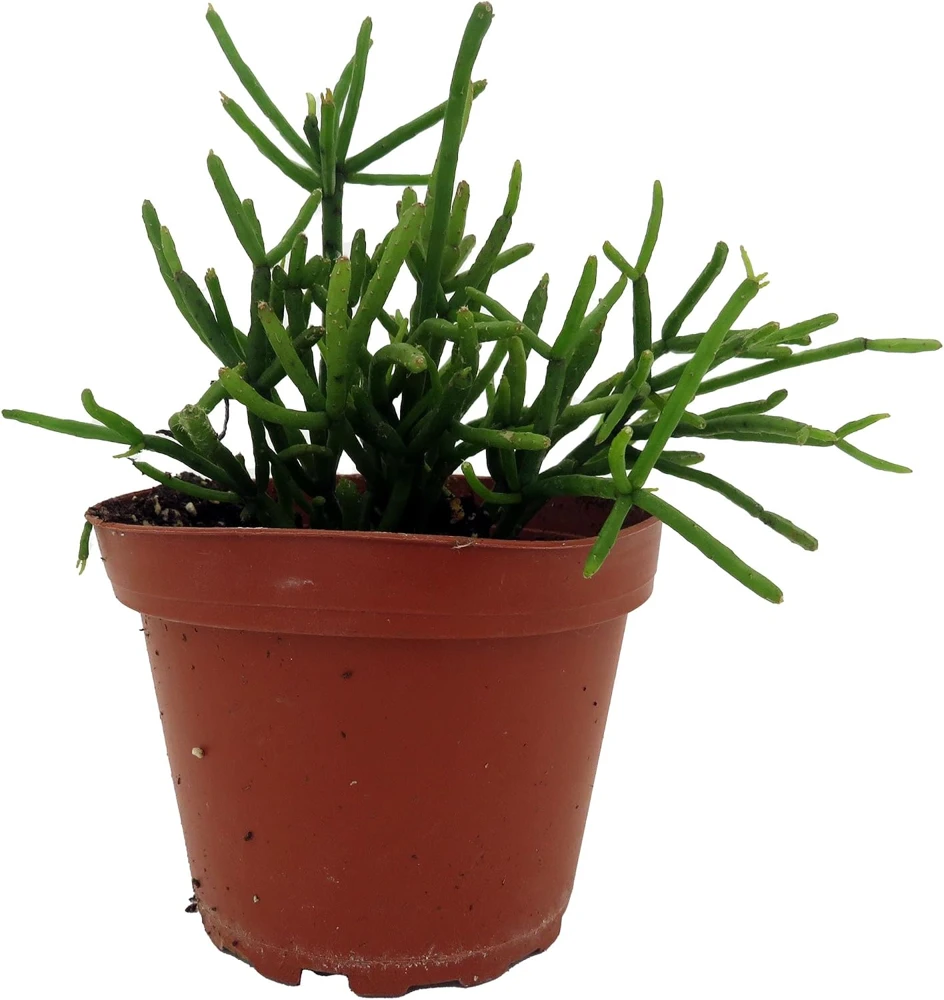
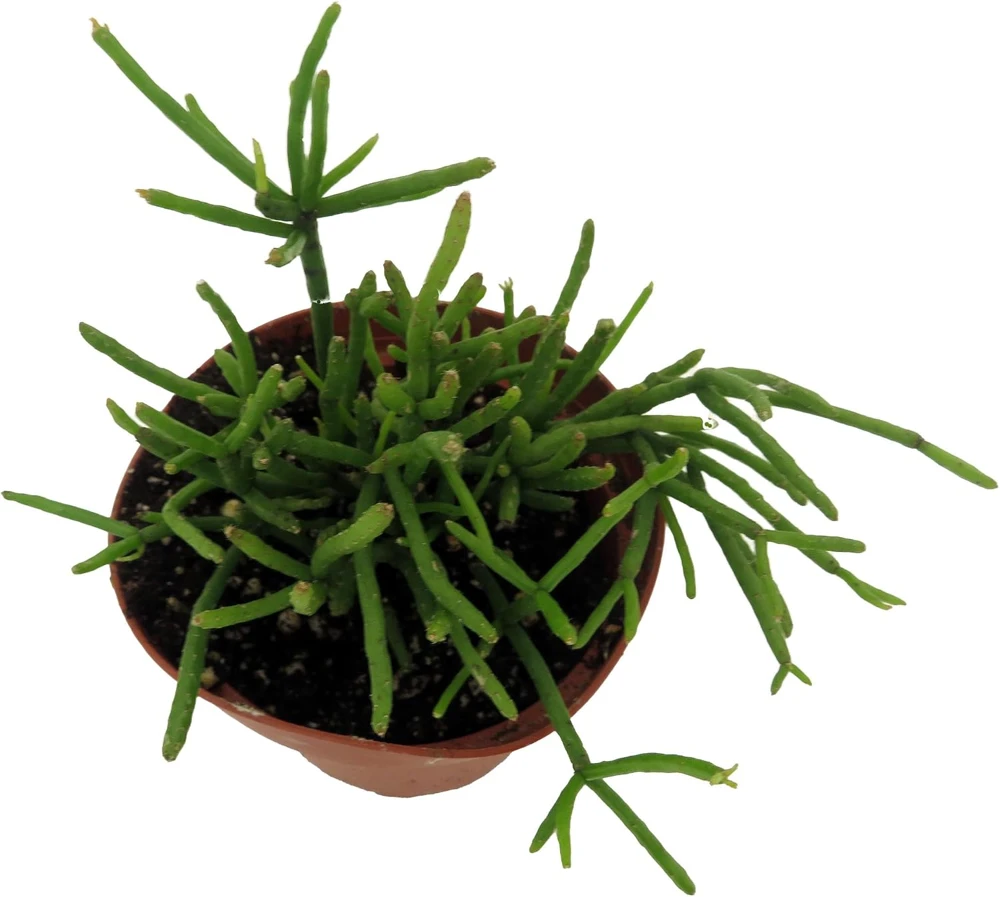
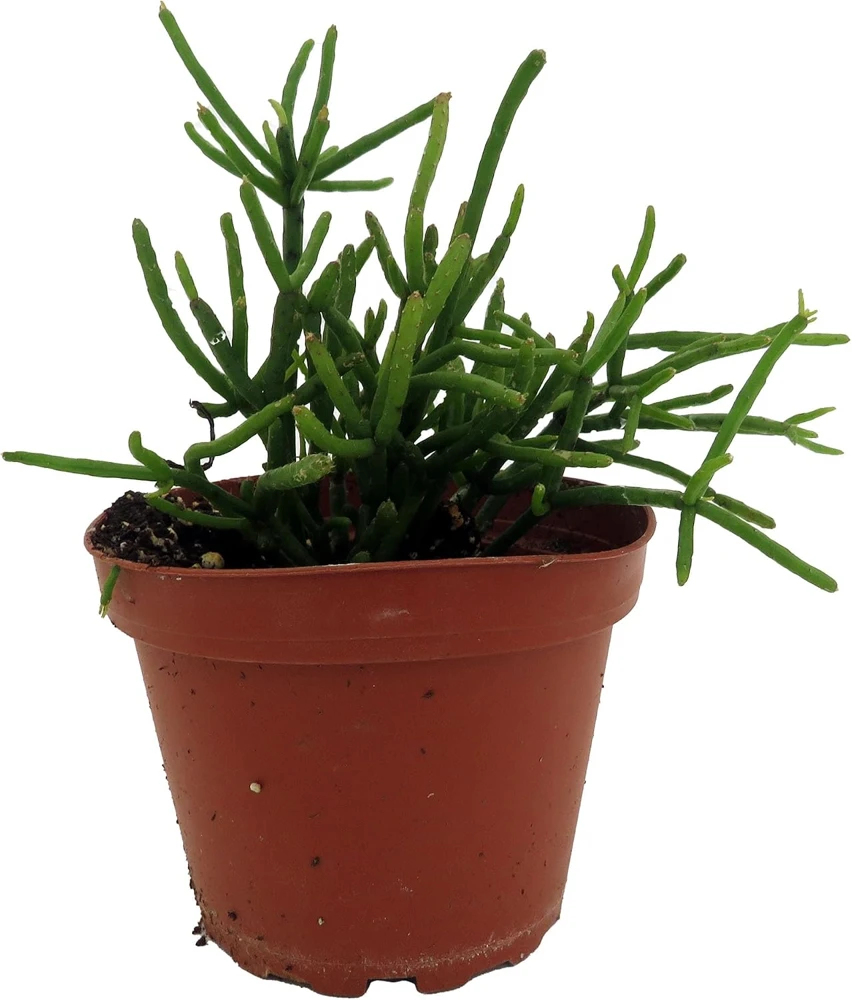
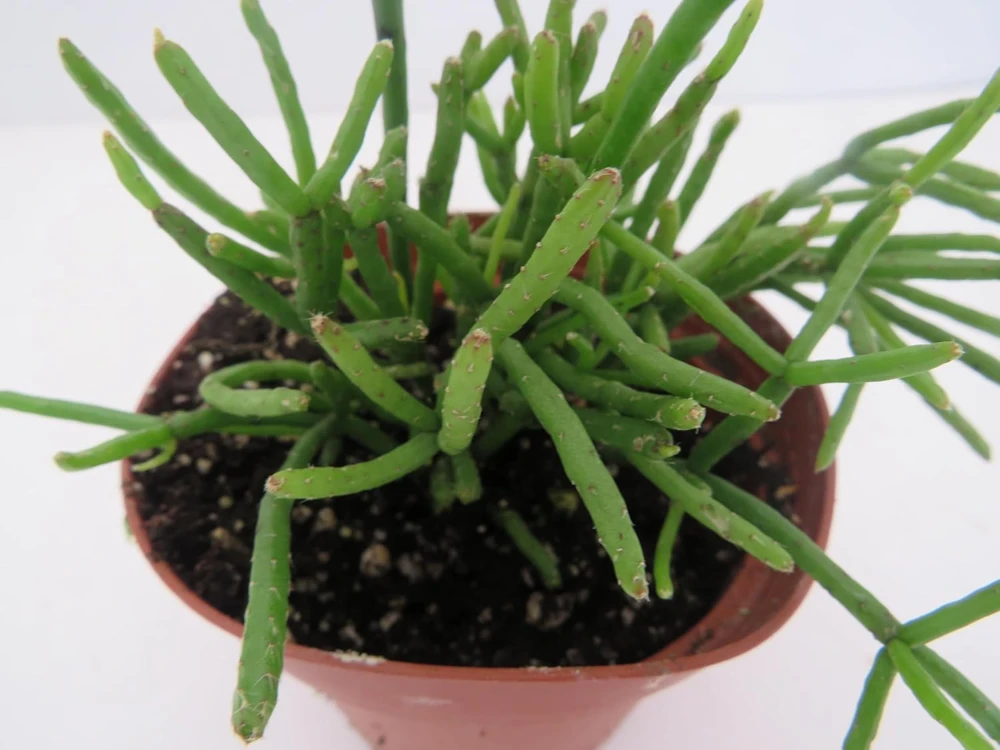
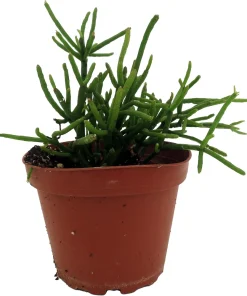
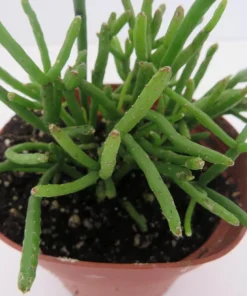
Mistletoe Cactus Plant Rhipsalis – Live Succulent Houseplant – 4″ Pot
Original price was: $46.99.$36.99Current price is: $36.99.
Bring unique charm to your home with the mistletoe cactus plant (Rhipsalis), a captivating and easy-to-grow succulent. Ideal for hanging baskets, this indoor cactus thrives with minimal care, offering elegant cascading foliage.
Estimated arrival
Sep 29
Oct 04 - Oct 06
Oct 09 - Oct 13
Shop With Confidence
30-Day Plant Health Guarantee
Arrives damaged? We’ll replace it free — see our return policy.
Responsive Support
Email us anytime, we reply within 1 business day.
Expert Packaging
Temperature-controlled shipping to protect your plants in transit.
Secure Checkout
Pay safely with Visa, Mastercard, PayPal.
Plant Specifications
-
USDA Hardiness Zone
unknown -
Soil Type
well-draining potting mix -
Sunlight Exposure
bright indirect light -
Expected Planting Period
year-round indoors
Overview
Introduce a touch of botanical elegance to your indoor sanctuary with the exquisite mistletoe cactus plant, scientifically known as Rhipsalis. This fascinating succulent is far from your typical spiky desert dweller; instead, it boasts a graceful, trailing habit, making it an exceptional choice for hanging baskets or elevated shelves where its delicate stems can cascade beautifully. Originating from the rainforests of Brazil, Rhipsalis is epiphytic, meaning it naturally grows on other plants, not as a parasite, but by drawing moisture and nutrients from the air and rain. This unique adaptation contributes to its remarkably easy-care nature, thriving in conditions that mimic its native humid, shaded environment. Unlike many cacti, the mistletoe cactus plant prefers bright, indirect light rather than scorching sun, and appreciates consistent, but not excessive, moisture. Its distinctive appearance, with segmented, often cylindrical or flattened stems, adds an intriguing texture and form to any plant collection. Perfect for both novice and experienced plant enthusiasts, this Rhipsalis variety offers a low-maintenance yet high-impact decorative solution, transforming any space into a vibrant, green oasis.
Key Benefits
The mistletoe cactus plant offers numerous advantages, making it a highly desirable addition to any home. Its unique growth habit and adaptability contribute to a stress-free ownership experience while enhancing your living environment.
- Unique Decorative Appeal: The cascading, segmented stems of the Rhipsalis create a stunning visual display, ideal for adding a touch of jungle-like charm to hanging baskets, shelves, or plant stands. Its unusual form is a conversation starter.
- Low Maintenance: As an easy care succulent, the mistletoe cactus requires minimal attention. It tolerates occasional neglect and doesn’t demand constant fuss, making it perfect for busy individuals or those new to plant care.
- Air Purifying Qualities: Like many houseplants, the Rhipsalis contributes to a healthier indoor environment by naturally filtering airborne toxins, helping to improve air quality and create a fresher atmosphere.
- Versatile Placement: This plant thrives in various indoor settings, from bright bathrooms to cozy living rooms, as long as it receives appropriate light. Its adaptability makes it a flexible choice for diverse interior designs.
- Pet-Friendly Option: While always advisable to check specific varieties, many Rhipsalis species are considered non-toxic to pets, offering peace of mind for pet owners who want to introduce more greenery into their homes.
- Drought Tolerance: Though it appreciates humidity, the Rhipsalis has some drought-tolerant qualities, thanks to its succulent nature. It can withstand periods of dryness, reducing the risk of overwatering.
- Unusual Foliage: Forget typical leaves; the mistletoe cactus plant showcases a fascinating array of segmented stems that serve as its foliage. This distinctive characteristic sets it apart from common houseplants, providing unique textural interest.
Plant Care & Growing Tips
Caring for your mistletoe cactus plant is straightforward, especially when you understand its natural habitat. Mimicking the conditions of its native Brazilian rainforest home will ensure a thriving and beautiful specimen. The key to successful rhipsalis care lies in balancing light, water, and humidity.
When it comes to sunlight, Rhipsalis prefers bright, indirect light. Avoid direct, harsh sunlight, especially during the hottest parts of the day, as this can scorch its delicate stems. An east or north-facing window is often ideal, or a spot a few feet back from a south or west-facing window. If the stems appear reddish or bleached, it’s likely getting too much sun. Conversely, if growth is leggy and sparse, it may need more light. As for watering, this succulent prefers consistent moisture but absolutely detests sitting in soggy soil. Water thoroughly when the top inch or two of the soil feels dry to the touch. Allow excess water to drain completely from the pot. In winter, reduce watering as the plant’s growth slows. Overwatering is the most common cause of issues for the mistletoe cactus plant, leading to root rot.
The ideal soil for Rhipsalis should be well-draining and airy. A standard succulent or cactus mix amended with some peat moss or coco coir to retain a bit more moisture, along with perlite or orchid bark for drainage, works well. Good air circulation around the roots is crucial. This plant also appreciates higher humidity, which can be achieved through regular misting, placing it near a humidifier, or grouping it with other plants. Temperatures between 60-80°F (15-27°C) are ideal, and it should be protected from temperatures below 50°F (10°C). Fertilize sparingly during the growing season (spring and summer) with a balanced liquid fertilizer diluted to half strength. Watch out for common pests like mealybugs and spider mites, and address them promptly with insecticidal soap. Proper rhipsalis care will reward you with a lush, vibrant plant.
Size & Details
This offering is for a vibrant mistletoe cactus plant (Rhipsalis) provided in a convenient 4″ pot, ready to be displayed or repotted into your preferred decorative container. At this size, the plant typically features multiple healthy stems, already beginning to develop their characteristic trailing habit. While specific dimensions can vary slightly, a 4″ potted Rhipsalis generally has stems ranging from 4 to 8 inches in length, and it will continue to grow and cascade gracefully over time. With optimal care, Rhipsalis can develop stems several feet long, creating an impressive botanical statement. It is shipped as a live, established plant in its nursery pot, ensuring a smooth transition to its new home. Expect steady, moderate growth, especially during the spring and summer months, as it develops into a mature, full-bodied specimen perfect as a hanging basket plant.
Frequently Asked Questions
- Q: How big does this mistletoe cactus plant get? A: While this Rhipsalis comes in a 4″ pot, its trailing stems can grow quite long, often several feet in length over time, creating a beautiful cascading effect. The overall spread will depend on its environment and care.
- Q: Is this an indoor or outdoor plant? A: The mistletoe cactus plant is primarily an indoor houseplant in most climates. It can be moved outdoors to a shaded, protected area during warm summer months, but should be brought inside before temperatures drop below 50°F (10°C).
- Q: How much sunlight does it need? A: Rhipsalis thrives in bright, indirect light. Avoid direct sun, which can scorch its stems. An east or north-facing window, or a filtered light spot, is ideal for optimal rhipsalis care.
- Q: Is this plant easy to care for? A: Yes, the mistletoe cactus plant is considered an easy care succulent, making it suitable for beginners and experienced plant enthusiasts alike. Its main requirements are bright indirect light and consistent, but not excessive, watering.
- Q: What condition will it arrive in? A: Your Rhipsalis will arrive as a healthy, live plant, securely packaged in its 4″ nursery pot with soil. We take great care to ensure it reaches you in excellent condition, ready to thrive in your home.
- Q: How often should I water my Rhipsalis? A: Water your mistletoe cactus plant when the top 1-2 inches of soil feel dry to the touch. It’s better to underwater slightly than to overwater, as soggy soil can lead to root rot.
- Q: Is this indoor cactus pet-safe? A: Many Rhipsalis species, including the mistletoe cactus plant, are generally considered non-toxic to pets. However, it’s always best to monitor pets around new plants and consult a veterinarian if you have specific concerns.
- Q: Does it produce flowers? A: Yes, Rhipsalis typically produces small, often white or yellowish, bell-shaped flowers along its stems. While not overly showy, these delicate blooms add to its charm, usually appearing in late winter or early spring.
- Q: What kind of soil is best for a hanging basket plant like this? A: A well-draining potting mix is essential. A mix designed for succulents or cacti, with added perlite or orchid bark for extra aeration, will provide the ideal environment for your mistletoe cactus plant.
- Q: Can I propagate this plant? A: Yes, Rhipsalis is relatively easy to propagate from stem cuttings. Simply snip off a healthy segment, let the cut end callus for a day or two, and then plant it in moist, well-draining soil.
Be the first to review “Mistletoe Cactus Plant Rhipsalis – Live Succulent Houseplant – 4″ Pot”
People Also Viewed
Flower Seeds
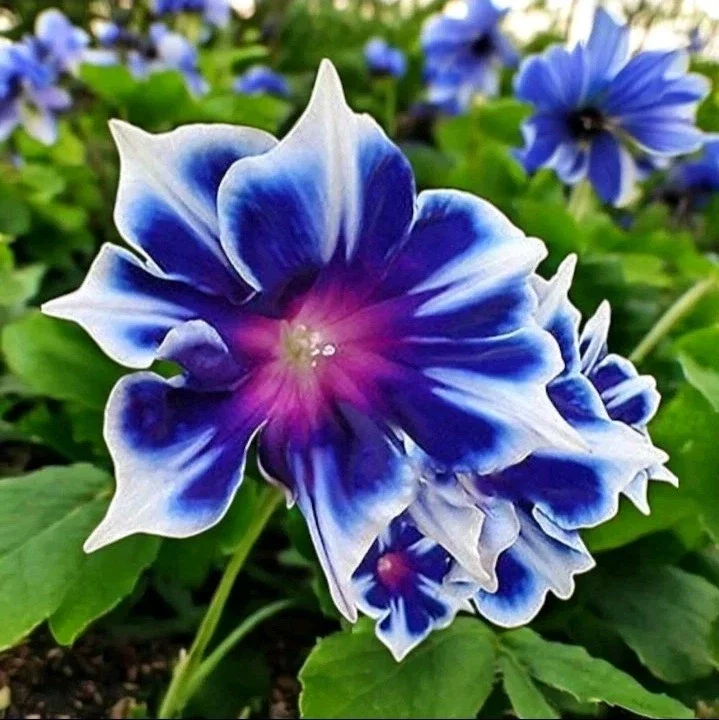
Chilean Morning Glory Seeds – 100pcs Mixed Color Blooms, Perennial Climbing Vine, Outdoor

Shrubs
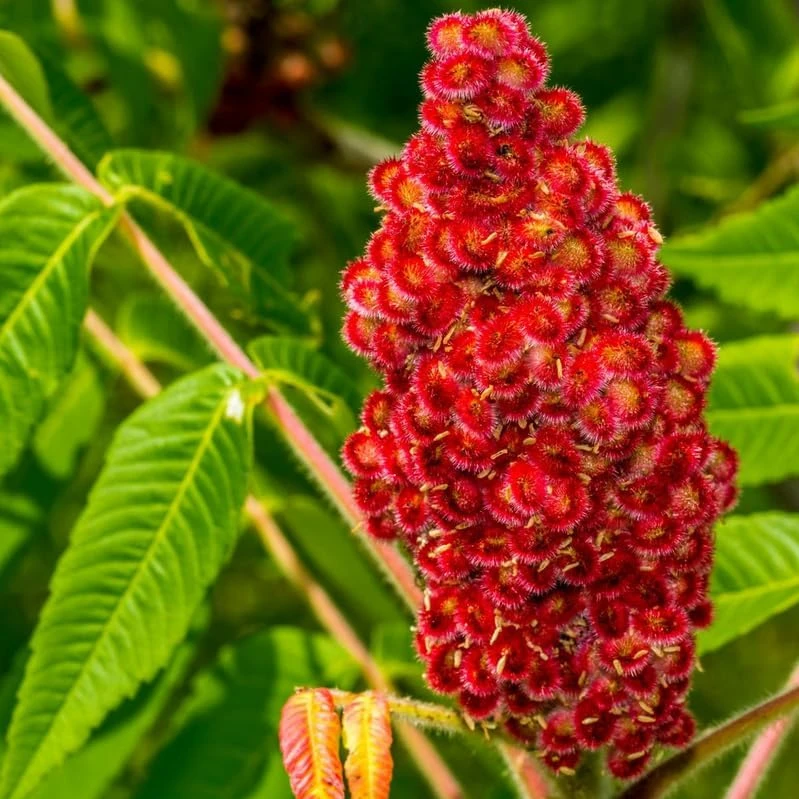
Staghorn Sumac Live Plant – 2 Pack, 6-12″ Tall Rhus typhina Shrubs – Fast Growing Ornamental Tree

Reviews
There are no reviews yet.