
String of Turtles Live Plant, Peperomia prostrata, Medium Size Potted Houseplant
Original price was: $60.99.$49.99Current price is: $49.99.
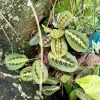
Bring home a delightful string of turtles live plant (Peperomia prostrata), known for its unique, coin-shaped leaves resembling turtle shells. This medium-sized peperomia prostrata for sale is a charming addition to any indoor space, perfect for hanging baskets or shelves, and comes potted for your convenience.
Estimated arrival
Oct 27
Nov 01 - Nov 03
Nov 06 - Nov 10
Shop With Confidence
30-Day Plant Health Guarantee
Arrives damaged? We’ll replace it free — see our return policy.
Responsive Support
Email us anytime, we reply within 1 business day.
Expert Packaging
Temperature-controlled shipping to protect your plants in transit.
Secure Checkout
Pay safely with Visa, Mastercard, PayPal.
Plant Specifications
-
USDA Hardiness Zone
year-round indoors (USDA zones 10-12 outdoors) -
Soil Type
well-draining potting mix -
Sunlight Exposure
bright indirect light -
Expected Planting Period
year-round indoors
Overview
Introduce a touch of whimsical charm to your indoor garden with the captivating string of turtles live plant (Peperomia prostrata). This delightful houseplant is celebrated for its distinctive foliage featuring small, round, succulent-like leaves patterned with light and dark green veins, strikingly reminiscent of a turtle’s shell. A naturally trailing plant, Peperomia prostrata is an excellent choice for hanging baskets, elevated shelves, or as a charming desk companion, allowing its delicate vines to cascade gracefully. Originating from the rainforests of Brazil, this unique Peperomia species thrives in conditions that mimic its natural habitat, making it a rewarding yet relatively easy-to-care-for addition to your collection. Whether you’re a seasoned plant enthusiast or a beginner looking for something special, the string of turtles live plant offers unparalleled visual interest and a subtle, calming presence.
The botanical name, Peperomia prostrata, accurately describes its creeping or trailing growth habit. Unlike some more demanding houseplants, this beautiful specimen is known for its resilience and adaptability, requiring minimal fuss once its basic needs are met. Its compact size and unique appearance make it a favorite among collectors and those seeking to add texture and depth to their indoor plant displays. This medium-sized plant comes ready to display, potted in a suitable container to ensure a smooth transition into its new home. Embrace the allure of this miniature marvel and let the string of turtles live plant transform your space with its intricate beauty.
Key Benefits
The string of turtles live plant offers numerous advantages, making it a highly desirable choice for indoor plant enthusiasts. Its unique aesthetics and manageable care requirements contribute to a rewarding ownership experience.
- Unique Aesthetic Appeal: The most striking feature of the Peperomia prostrata is its distinctive foliage. The small, round leaves with their intricate patterns truly resemble tiny turtle shells, providing a unique and eye-catching visual element that stands out from typical houseplants. This makes it a fantastic conversation starter and a focal point in any room.
- Compact & Trailing Growth: Its naturally trailing habit makes it perfect for hanging baskets, allowing its delicate vines to cascade beautifully. It also thrives on shelves or in terrariums, where its compact size ensures it doesn’t overpower the space. This versatility in display options is a significant benefit for diverse home aesthetics.
- Relatively Easy Care: Despite its exotic appearance, the peperomia prostrata care routine is straightforward, making it suitable for both experienced gardeners and those new to houseplants. It doesn’t demand constant attention and can forgive minor lapses in watering or light, offering a low-stress plant ownership experience.
- Air Purifying Qualities: Like many houseplants, the string of turtles live plant contributes to improving indoor air quality by absorbing certain airborne toxins and releasing oxygen. While not as potent as some larger plants, it still plays a role in creating a healthier living environment.
- Pet-Friendly Option: For households with pets, finding non-toxic plants is crucial. The Peperomia genus, including Peperomia prostrata, is generally considered non-toxic to cats and dogs, offering peace of mind for pet owners who want to enjoy beautiful indoor greenery.
- Excellent for Terrariums: Its small size and preference for humidity make it an ideal candidate for enclosed terrarium environments. It can create a lush, miniature landscape, adding depth and interest to these self-contained ecosystems.
- Boosts Mood & Well-being: Studies show that interacting with nature, even through indoor plants, can reduce stress, improve concentration, and enhance overall mood. The calming presence and unique beauty of the string of turtles live plant can contribute positively to your mental well-being.
Plant Care & Growing Tips
Proper peperomia prostrata care ensures your plant remains vibrant and healthy, showcasing its unique foliage. Understanding its needs for light, water, and humidity will help it thrive in your home.
Sunlight Requirements: The string of turtles live plant prefers bright, indirect light. Direct, harsh sunlight can scorch its delicate leaves, leading to discoloration. An east-facing window is often ideal, providing gentle morning sun. If placed near a south or west-facing window, ensure it’s set back a few feet or protected by a sheer curtain. Insufficient light can lead to leggy growth and duller leaf patterns, so finding the right balance is key for optimal growth and the best display of its ‘turtle shell’ markings. For lush growth, consider rotating the plant periodically to ensure all sides receive adequate light.
Watering Schedule and Soil Moisture: This succulent-like plant stores water in its leaves and stems, making it somewhat drought-tolerant. The most common mistake with Peperomia prostrata is overwatering, which can lead to root rot. Allow the top 1-2 inches of soil to dry out completely between waterings. When you do water, do so thoroughly until water drains from the bottom of the pot. Reduce watering frequency during the cooler, darker winter months when the plant’s growth slows down. Always check the soil moisture with your finger before watering. Good drainage is crucial for preventing waterlogging.
Soil Type and Drainage Requirements: A well-draining potting mix is essential for the health of your string of turtles live plant. A mix designed for succulents or cacti, or a standard potting mix amended with perlite or orchid bark, will provide the aeration and drainage it needs. The pot itself should also have drainage holes to prevent water from accumulating at the bottom, which is vital for preventing root rot. Repotting is generally only needed when the plant becomes root-bound, typically every 1-2 years, into a pot only slightly larger than the previous one.
Temperature Range and USDA Hardiness Zone: As a tropical plant, Peperomia prostrata thrives in warm, stable temperatures between 65-75°F (18-24°C). Avoid exposing it to temperatures below 50°F (10°C) or sudden temperature fluctuations, which can stress the plant. It’s best suited as an indoor plant in most climates, though it can be grown outdoors in USDA zones 10-12 in shaded, humid environments. Protect it from cold drafts, especially during winter. High humidity is also appreciated, making it a great candidate for bathrooms or kitchens, or near a humidifier.
Fertilization Schedule and Type: Fertilize sparingly during the growing season (spring and summer) with a balanced liquid fertilizer diluted to half strength. Every 2-4 weeks is generally sufficient. Avoid fertilizing during the fall and winter months when the plant is dormant. Over-fertilization can harm the plant, so less is often more with this species. A slow-release granular fertilizer can also be an option at the beginning of the growing season.
Common Problems and Solutions: Yellowing leaves can indicate overwatering or nutrient deficiency. If leaves are shriveling, it’s usually a sign of underwatering. Pests like mealybugs or spider mites can occasionally appear; treat with neem oil or insecticidal soap. Leggy growth suggests insufficient light. Ensuring proper light, watering, and a well-draining mix will prevent most issues with your string of turtles indoor plant.
Size & Details
This offering is for a medium-sized peperomia prostrata for sale, carefully cultivated to ensure a healthy and vibrant specimen. The plant typically arrives with several established trailing vines, ready to enhance your living space. While exact dimensions can vary slightly due to natural growth, you can expect the plant to have a spread of approximately 6-10 inches, with vines that can grow up to 12-18 inches long over time. It is provided in a nursery pot, usually a 4-inch or 6-inch size, which is perfect for its current growth stage and allows for easy transplanting if desired.
The string of turtles live plant is characterized by a moderate growth rate, gradually extending its beautiful chains of leaves. With proper care, you can expect steady development and an increasingly lush appearance. It is shipped as a fully rooted, potted plant, ensuring minimal stress during transit and a smooth transition to its new home. This robust plant is ideal for those looking to add a distinctive, living accent that requires reasonable care and offers significant visual reward.
Frequently Asked Questions
- Q: How big does this string of turtles live plant typically get? A: This medium-sized plant usually arrives with vines that are several inches long. With good care, the trailing vines can reach lengths of 12-18 inches, creating a beautiful cascading effect. The overall spread can be about 6-10 inches.
- Q: What kind of pot does the peperomia prostrata for sale come in? A: It comes in a standard nursery pot, typically a 4-inch or 6-inch size, designed to support its growth during shipping and allow for easy placement or repotting upon arrival.
- Q: Is this an indoor or outdoor plant? A: The string of turtles live plant is primarily grown as an indoor houseplant in most climates due to its tropical origins. It thrives in stable indoor temperatures and bright, indirect light. In very warm, humid climates (USDA zones 10-12), it can be grown outdoors in shaded areas.
- Q: How much sunlight does the string of turtles indoor plant need? A: It prefers bright, indirect light. Avoid direct sunlight, which can burn its delicate leaves. An east-facing window or a few feet away from a south or west-facing window is usually ideal.
- Q: Is this plant easy to care for? Is it good for beginners? A: Yes, the peperomia prostrata care is considered relatively easy, making it a good choice for beginners. Its main requirements are bright, indirect light and careful watering to avoid overwatering.
- Q: What condition will the plant arrive in? Is it shipped in soil? A: Your string of turtles live plant will arrive as a fully rooted, potted plant, securely packaged in its nursery pot with soil to ensure its health and minimize stress during transit.
- Q: Is the trailing peperomia pet-safe? A: Yes, Peperomia prostrata is generally considered non-toxic to cats and dogs according to the ASPCA, making it a safer choice for households with pets.
- Q: How often should I water my string of turtles live plant? A: Water only when the top 1-2 inches of soil are completely dry. This plant is susceptible to root rot if overwatered, so it’s better to underwater slightly than to overwater.
- Q: What kind of soil is best for this plant? A: A well-draining potting mix is crucial. A mix designed for succulents or cacti, or a standard potting mix amended with perlite or orchid bark, will provide the necessary drainage and aeration.
- Q: Can I propagate my string of turtles live plant? A: Yes, it can be easily propagated from stem cuttings. Simply take a cutting with a few leaves and nodes, and place it in moist soil or water until roots develop.
Be the first to review “String of Turtles Live Plant, Peperomia prostrata, Medium Size Potted Houseplant”
People Also Viewed

Flower Bulbs
Set of 6 Lily of the Valley Bulbs for Planting – Fragrant White Perennial Flowers, Shade Loving
Reviews
There are no reviews yet.