
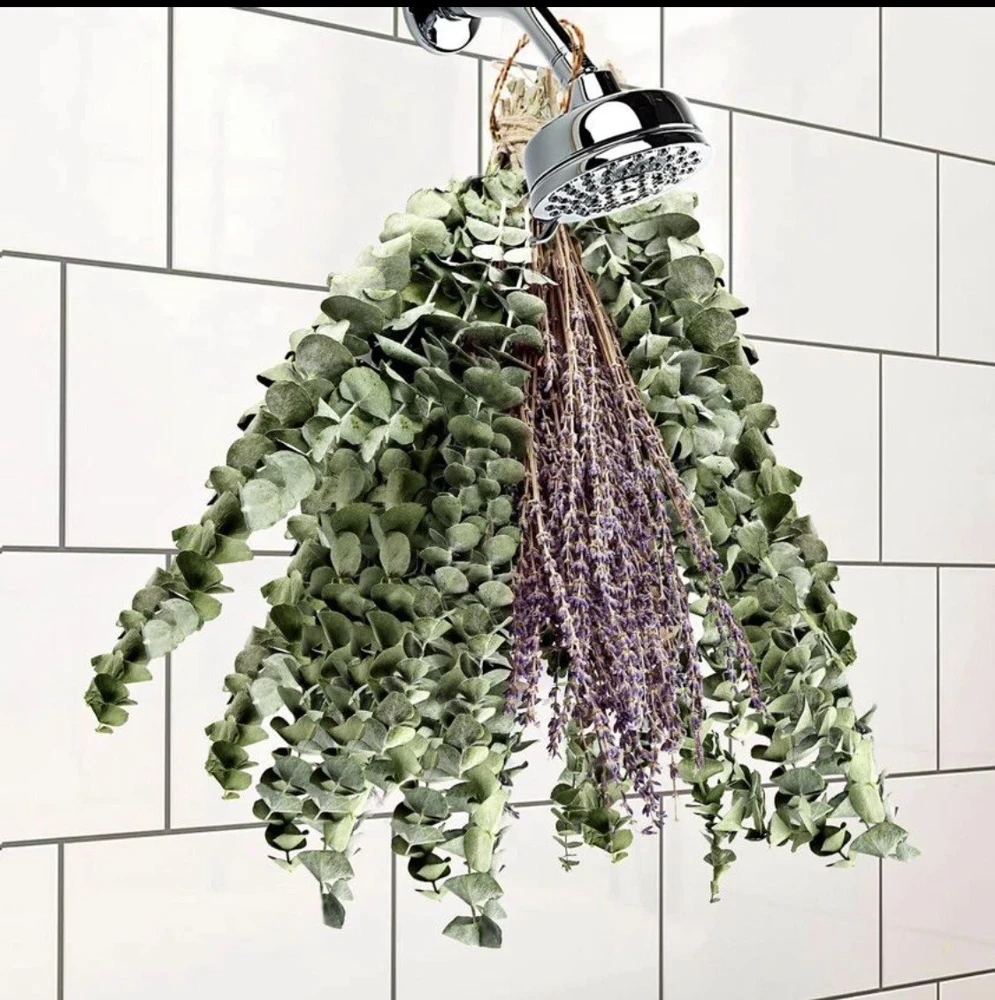
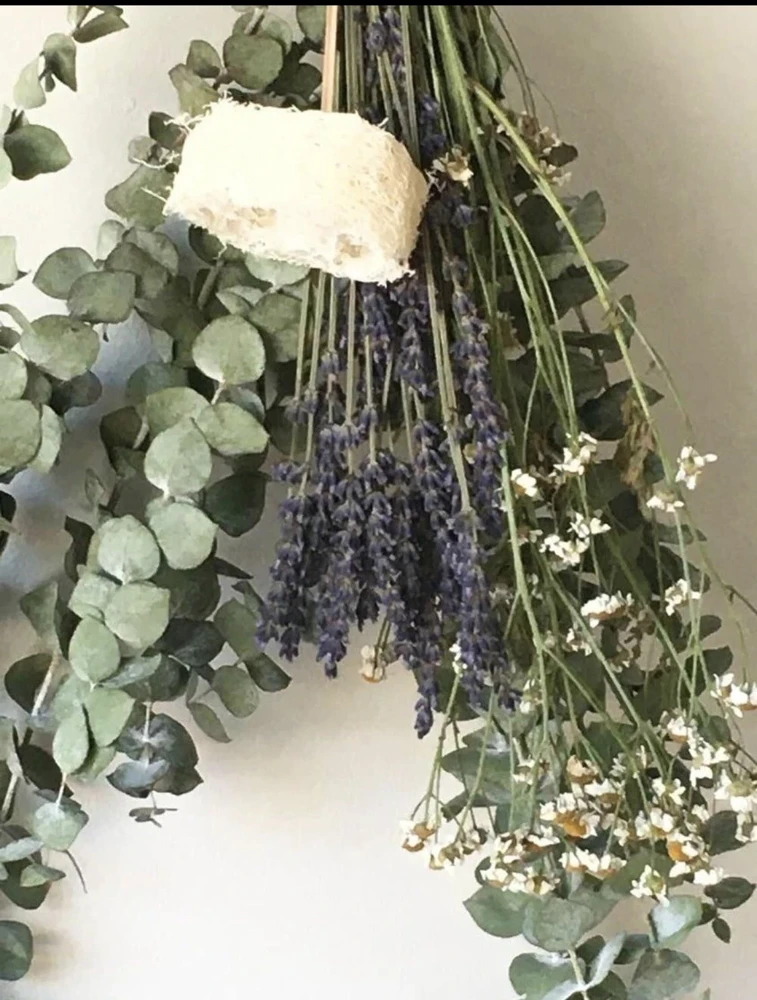
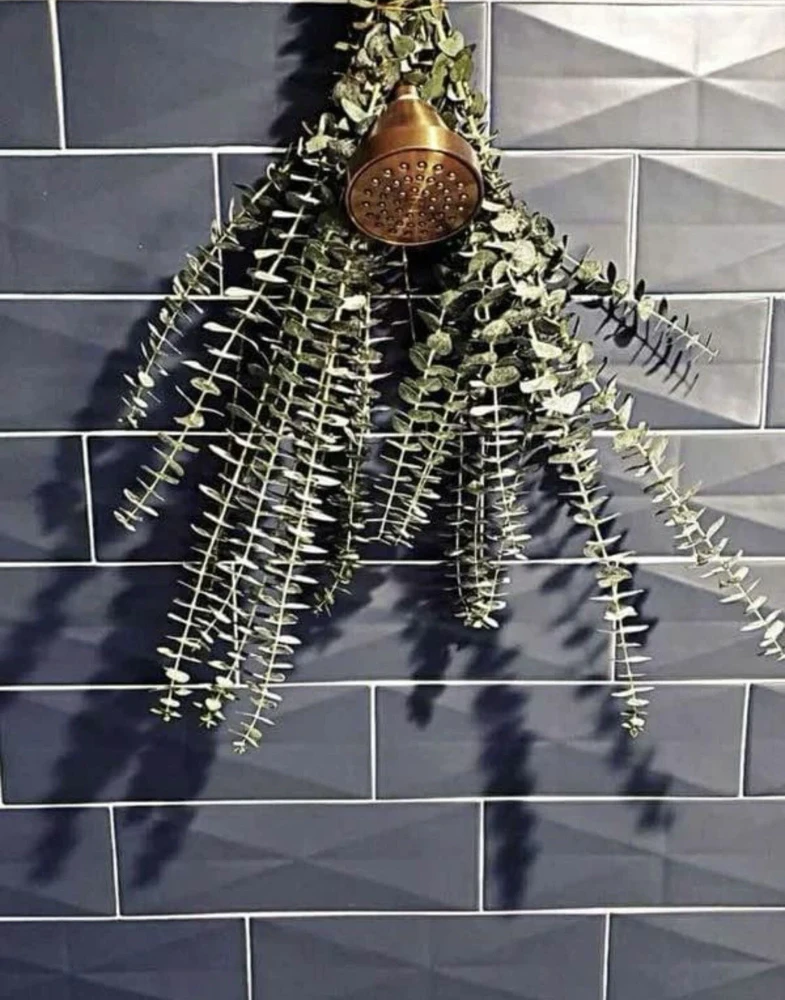
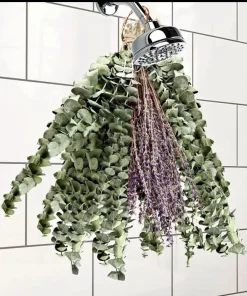
Lavender & Eucalyptus Live Plant – Fragrant Aromatic Herb for Home & Garden
Original price was: $67.99.$55.99Current price is: $55.99.
Discover the soothing aromas of our lavender eucalyptus live plant collection. These fragrant herbs are perfect for adding a touch of natural beauty and delightful scent to any indoor or outdoor space. Ideal for home decor, aromatherapy, or garden accents.
Estimated arrival
Oct 27
Nov 01 - Nov 03
Nov 06 - Nov 10
Shop With Confidence
30-Day Plant Health Guarantee
Arrives damaged? We’ll replace it free — see our return policy.
Responsive Support
Email us anytime, we reply within 1 business day.
Expert Packaging
Temperature-controlled shipping to protect your plants in transit.
Secure Checkout
Pay safely with Visa, Mastercard, PayPal.
Plant Specifications
-
USDA Hardiness Zone
USDA zones 5-10 (varies by species) -
Soil Type
Well-draining soil, slightly alkaline to neutral -
Sunlight Exposure
Full sun (6-8+ hours direct light) -
Expected Planting Period
Spring to early summer
Overview
Immerse your senses in the calming and invigorating fragrance of our lavender eucalyptus live plant collection. This unique offering brings together two of nature’s most beloved aromatic herbs, providing a dual benefit of aesthetic appeal and soothing scents. Each live plant is carefully cultivated to ensure robust health and vibrant growth upon arrival. Whether you’re looking to create a serene indoor sanctuary or enhance your outdoor garden with natural aromas, this collection is an exceptional choice. The combination of delicate lavender and refreshing eucalyptus offers a versatile addition to any plant enthusiast’s repertoire, promising both beauty and functionality. These plants are not only visually appealing but also contribute to a peaceful and aromatic environment, making them a popular choice for various settings and uses. Enjoy the natural elegance and therapeutic qualities that these fragrant herbs bring to your surroundings.
Our lavender eucalyptus live plant collection is perfect for those who appreciate the subtle yet profound impact of natural fragrances. These plants are more than just decorative; they are living elements that can transform the ambiance of any room or garden bed. Grown with care, each plant is ready to thrive in its new home, offering continuous beauty and a delightful aromatic experience. This collection is ideal for gifting or for treating yourself to a touch of botanical luxury.
Key Benefits
Experience a myriad of advantages with our lavender eucalyptus live plant collection, designed to enrich your living spaces with natural beauty and therapeutic aromas. These plants offer more than just visual appeal; they contribute positively to your well-being and environment.
- Aromatic Ambiance: Enjoy the combined calming scent of lavender and the refreshing aroma of eucalyptus, creating a serene and inviting atmosphere in your home or garden. This fragrant herb collection is perfect for stress reduction.
- Natural Decor: Both lavender and eucalyptus plants boast attractive foliage and blooms, adding a touch of natural elegance and texture to any indoor setting or outdoor landscape.
- Therapeutic Properties: Lavender is renowned for its relaxing qualities, while eucalyptus is known for its invigorating and decongestant benefits, making this a powerful duo for wellness.
- Versatile Use: Suitable for various applications, from enhancing garden beds and borders to brightening up patios, balconies, or indoor living areas as houseplants.
- Low Maintenance: These resilient plants are relatively easy to care for, requiring moderate attention once established, making them suitable for both novice and experienced gardeners.
- Pollinator Attraction: Lavender flowers are excellent for attracting beneficial pollinators like bees and butterflies to your garden, supporting local ecosystems.
- Pest Repellent: The strong aromas of both plants can naturally deter certain common garden pests, contributing to a healthier garden environment without chemical intervention.
Plant Care & Growing Tips
Proper care is essential for your lavender eucalyptus live plant collection to thrive and provide continuous fragrance and beauty. Both plants have slightly different needs, but generally prefer similar conditions. For sunlight, both lavender and eucalyptus require ample light. Lavender thrives in full sun, meaning at least 6-8 hours of direct sunlight per day. Eucalyptus also prefers full sun but can tolerate partial shade, especially in hotter climates where afternoon sun can be intense. When grown indoors, place them near a south-facing window or under grow lights to ensure they receive adequate light exposure. Insufficient light can lead to leggy growth and reduced flowering.
Watering schedules should be carefully managed. Both plants are relatively drought-tolerant once established and prefer well-draining soil. Allow the top inch or two of soil to dry out completely between waterings to prevent root rot. Overwatering is a common issue for these plants, so err on the side of underwatering rather than overwatering. In terms of soil, a well-draining potting mix is crucial. For outdoor planting, amend heavy clay soils with sand or grit to improve drainage. A slightly alkaline to neutral pH (6.5-7.5) is ideal for lavender, while eucalyptus is more adaptable. The ideal temperature range for these plants is between 60-80°F (15-27°C). Lavender is generally hardy in USDA zones 5-9, while eucalyptus varies by species but many are hardy in zones 8-10. Fertilize sparingly; a balanced, slow-release fertilizer in spring is usually sufficient. Common problems include powdery mildew in humid conditions or root rot from overwatering. Ensuring good air circulation and proper drainage can prevent these issues. Understanding lavender plant care is key to a flourishing garden.
Size & Details
Our lavender eucalyptus live plant collection typically arrives as young, healthy plants, ready for transplanting into your garden or preferred containers. The initial height can vary but generally ranges from 4 to 8 inches, depending on the specific species and growth stage. These plants are shipped in a secure nursery pot, usually a 2-4 inch container, to ensure their safe journey and easy transition to their new home. When mature, lavender can reach heights of 1-3 feet with a similar spread, forming beautiful, fragrant mounds. Eucalyptus, depending on the variety, can grow significantly larger, often reaching several feet tall even in container settings, though its size can be managed with regular pruning. The growth rate for both plants is moderate, allowing them to establish well within their first growing season. You can expect flowers from the lavender in late spring to early summer, bringing vibrant purple hues and an intoxicating aroma. This fragrant herb collection is designed to provide lasting beauty and scent.
Frequently Asked Questions
- Q: How big does this plant get? A: The mature size varies. Lavender plants typically grow 1-3 feet tall and wide. Eucalyptus, depending on the variety, can grow much larger but can be maintained at a smaller size with regular pruning.
- Q: Is this an indoor or outdoor plant? A: Both lavender and eucalyptus can be grown successfully both indoors and outdoors, depending on your climate. They thrive outdoors in suitable USDA zones and can be excellent houseplants with adequate light.
- Q: How much sunlight does it need? A: Both plants require at least 6-8 hours of direct sunlight daily for optimal growth. Indoors, place them in a bright, south-facing window or provide supplemental grow lighting.
- Q: Is this plant easy to care for? A: Yes, both lavender and eucalyptus are relatively low-maintenance once established, making this fragrant herb collection suitable for beginners. They primarily need good drainage and plenty of sunlight.
- Q: What condition will it arrive in? A: Your lavender eucalyptus live plant will arrive as a healthy, well-rooted young plant, carefully packaged to ensure its safety during transit. It will be ready for immediate transplanting.
- Q: Can I use lavender and eucalyptus in cooking or for aromatherapy? A: Yes, lavender flowers are often used in culinary applications and both plants are popular for their aromatic and therapeutic properties in essential oils and potpourri. Ensure you use culinary-grade lavender if consuming.
- Q: How often should I water these plants? A: Water thoroughly when the top 1-2 inches of soil are dry to the touch. They prefer to dry out between waterings to prevent root rot.
- Q: What is the best soil for these plants? A: A well-draining soil mix is crucial. For potted plants, use a cactus or succulent mix, or amend regular potting soil with perlite or sand. For outdoor planting, ensure your garden soil drains well.
- Q: When is the best time to plant? A: Spring is generally the best time to plant lavender and eucalyptus, allowing them to establish before the heat of summer or the cold of winter. This also helps with lavender plant care.
- Q: Will it survive winter in my zone? A: Lavender is hardy in USDA zones 5-9. Eucalyptus hardiness varies by species, but many common varieties are suitable for zones 8-10. For colder zones, they are best grown as annuals or brought indoors during winter.
Be the first to review “Lavender & Eucalyptus Live Plant – Fragrant Aromatic Herb for Home & Garden”
People Also Viewed
Flower Bulbs
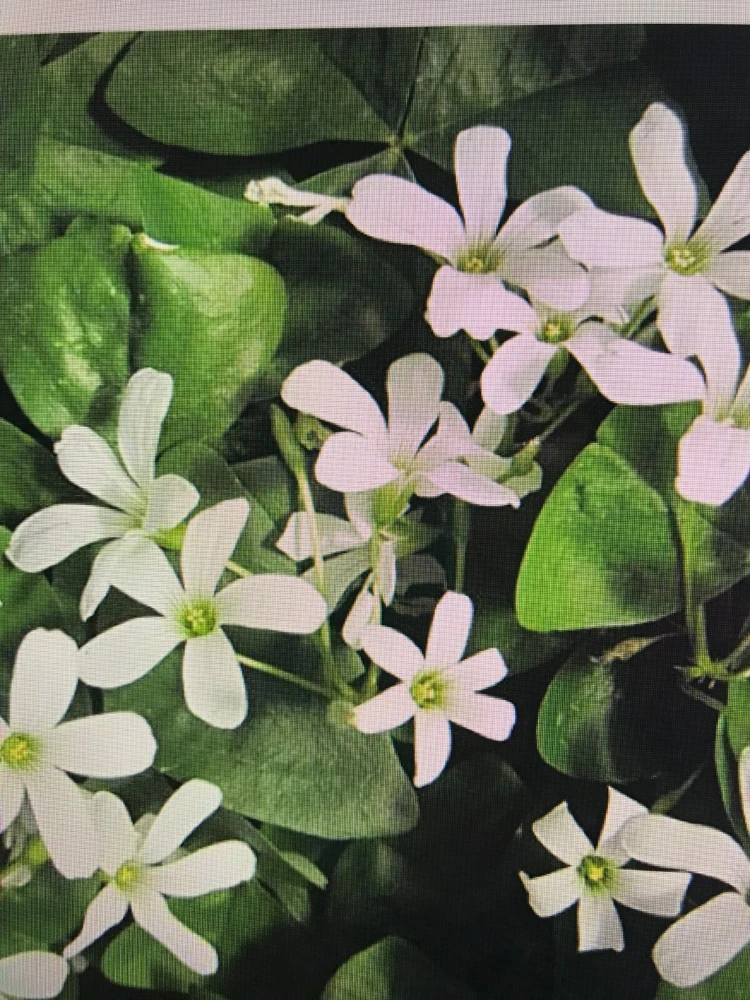
25 Oxalis Regnellii Bulbs – Lucky Shamrock Plant, White Flowers, Indoor/Outdoor Perennial
Reviews
There are no reviews yet.