
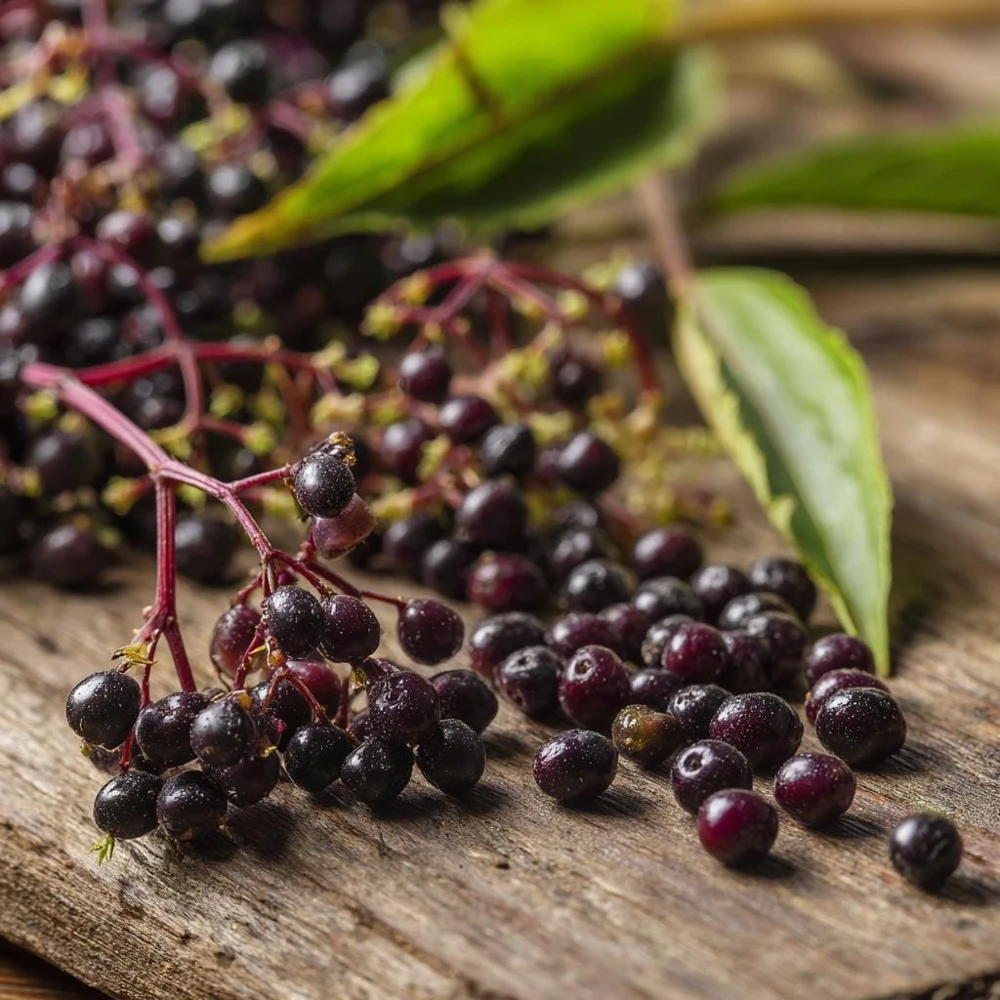
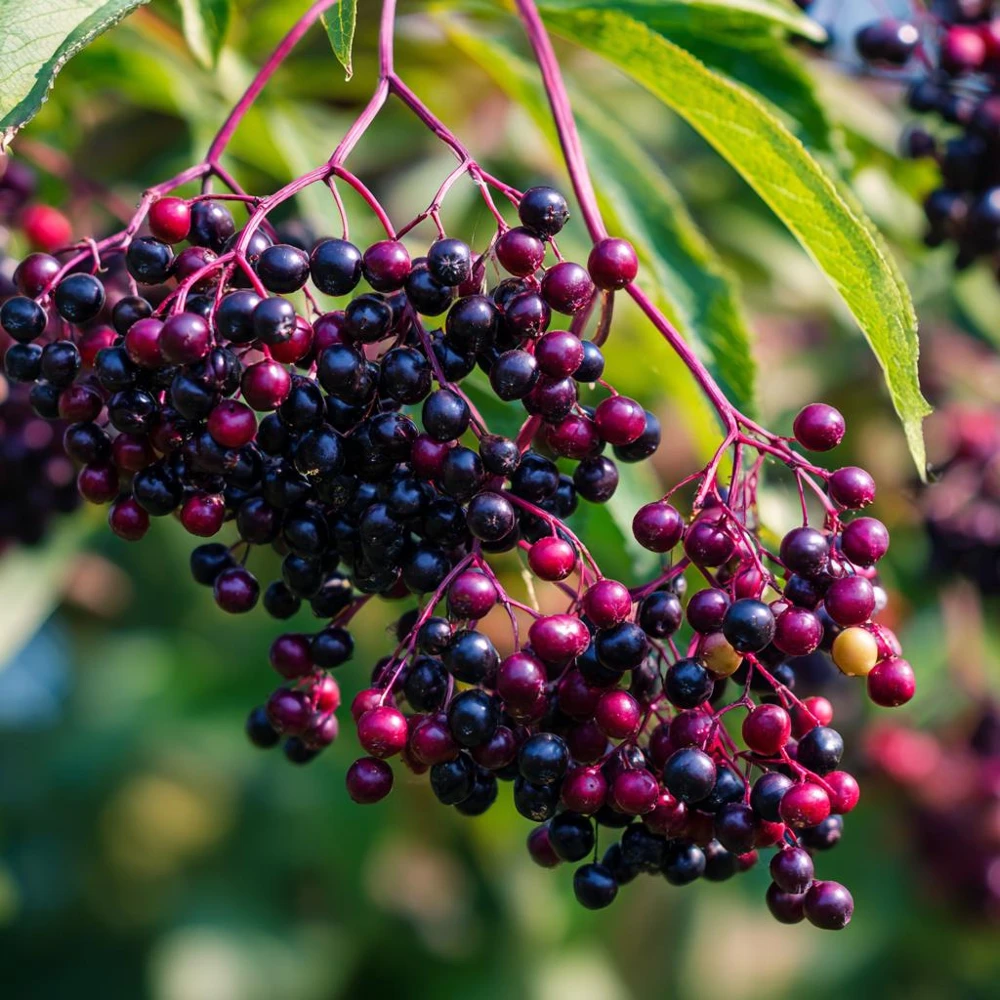
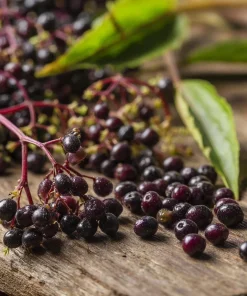
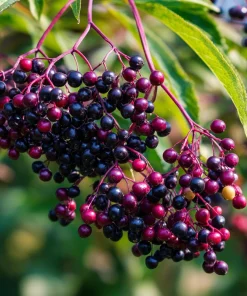
American Black Elderberry Seeds – 50 Heirloom Sambucus Canadensis for Gardens
Original price was: $33.99.$13.99Current price is: $13.99.
Cultivate the versatile american black elderberry seeds to establish beautiful and beneficial shrubs. These heirloom elderberry seeds are ideal for attracting pollinators and creating a source for delicious, healthy berries. Grow your own sambucus canadensis seeds for a thriving garden.
Out of stock
Estimated arrival
Oct 14
Oct 19 - Oct 21
Oct 24 - Oct 28
Shop With Confidence
30-Day Plant Health Guarantee
Arrives damaged? We’ll replace it free — see our return policy.
Responsive Support
Email us anytime, we reply within 1 business day.
Expert Packaging
Temperature-controlled shipping to protect your plants in transit.
Secure Checkout
Pay safely with Visa, Mastercard, PayPal.
Plant Specifications
-
USDA Hardiness Zone
USDA Zones 3-9 -
Soil Type
Moist, well-draining soil -
Sunlight Exposure
Full sun to partial shade -
Expected Planting Period
Early spring (after stratification)
Overview
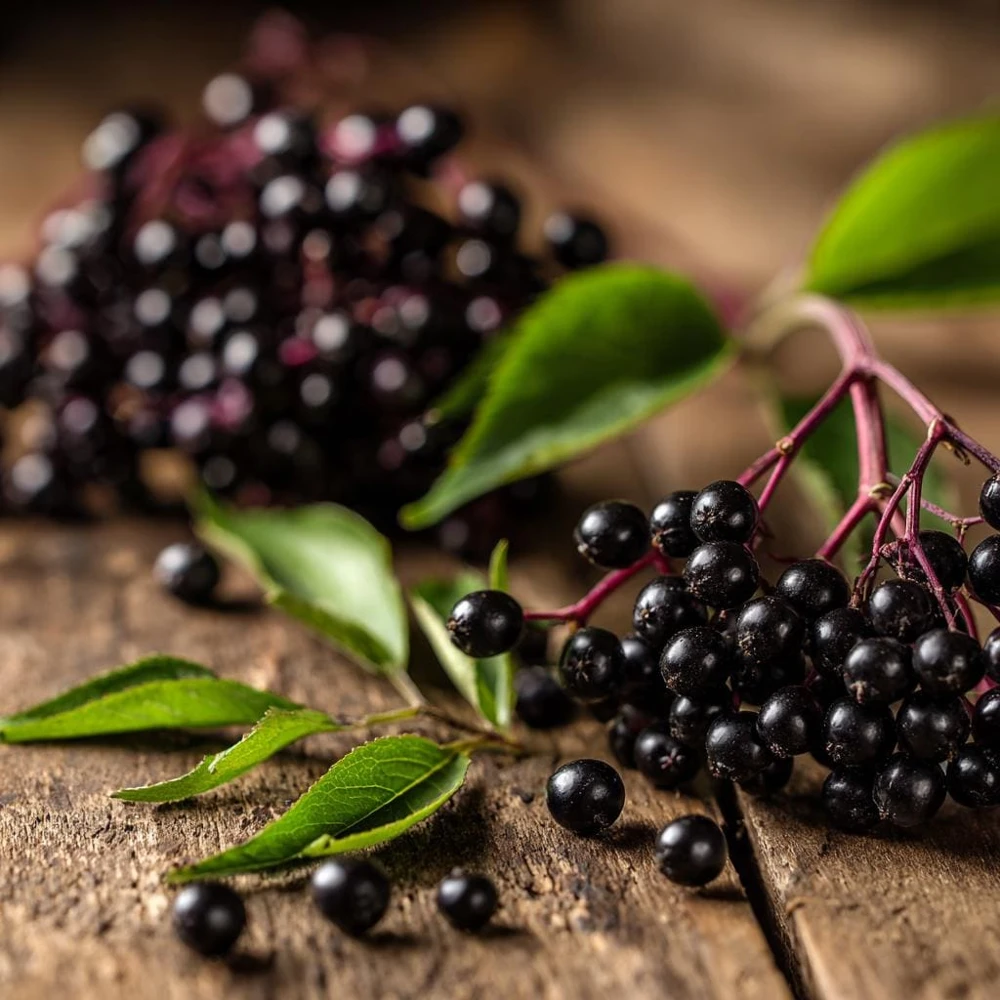
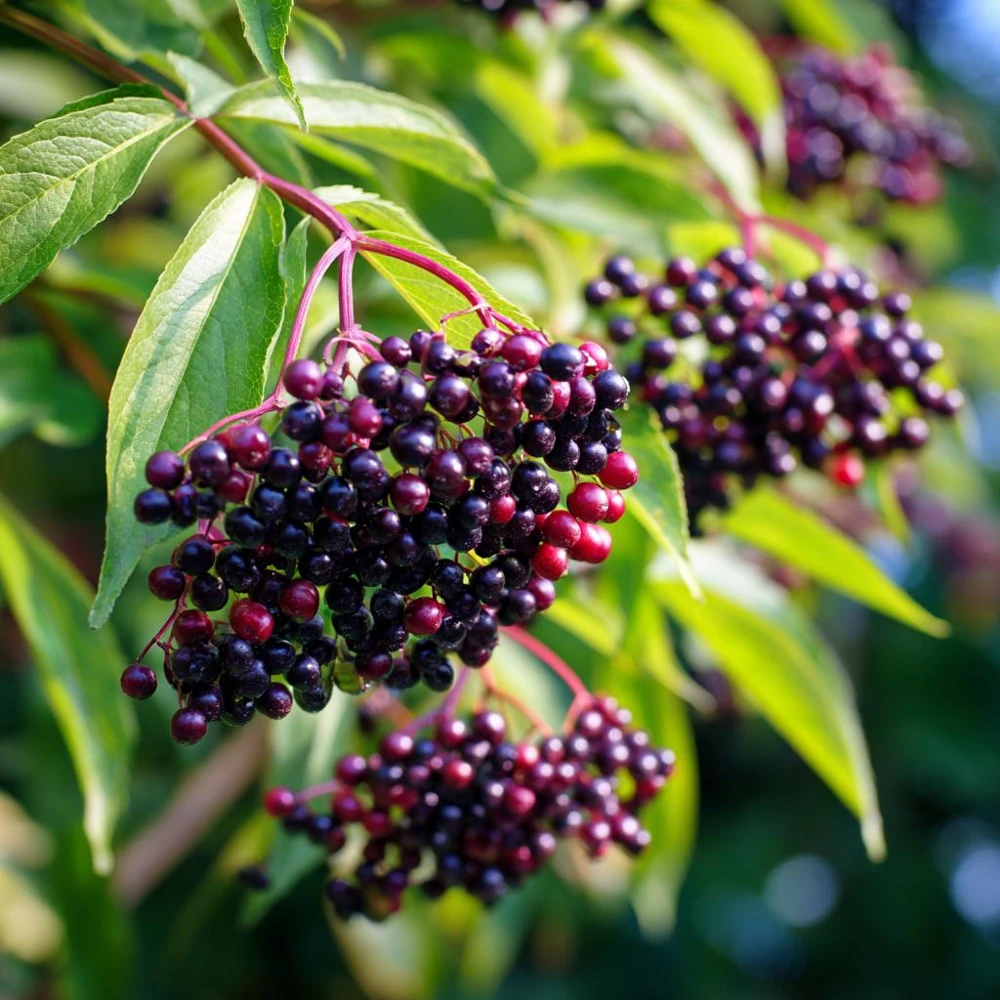
Embark on a rewarding gardening journey with american black elderberry seeds. These premium heirloom elderberry seeds of Sambucus canadensis offer the opportunity to cultivate a robust and beautiful native shrub known for its bountiful clusters of fragrant white flowers and nutrient-rich dark purple berries. The American Black Elderberry is a hardy, fast-growing plant that not only enhances the aesthetic appeal of your garden but also serves as a vital resource for local wildlife and pollinators. Whether you’re aiming to create a food forest, a naturalized landscape, or simply add a touch of natural beauty to your home garden, these seeds provide the foundation for a thriving and productive elderberry patch. Growing sambucus canadensis seeds is an excellent choice for gardeners seeking a plant with both ornamental and practical value.
The American Black Elderberry is celebrated for its versatility, with its berries traditionally used in a wide array of homemade products. From delicious syrups and jams to healthful teas and natural wellness recipes, the harvest from your elderberry shrubs can be enjoyed in many forms. This dependable and cold-hardy native plant thrives across various climates, making it a reliable addition to many garden settings. With these american black elderberry seeds, you’re not just planting a shrub; you’re cultivating a sustainable source of food and beauty for years to come. Understanding proper elderberry plant care will ensure a successful harvest.
Key Benefits
Planting american black elderberry seeds offers a multitude of advantages for both your garden and your well-being. These shrubs are not only visually appealing but also highly functional. The benefits extend from ecological contributions to culinary and health applications, making them a truly rewarding addition to any landscape.
- Attracts Pollinators and Wildlife: The fragrant white flowers are a magnet for bees, butterflies, and other beneficial pollinators, essential for a healthy ecosystem. The dark berries provide a valuable food source for birds and other wildlife, enhancing biodiversity in your garden.
- Culinary Versatility: The abundant dark purple berries can be harvested to create a variety of delicious homemade treats, including jams, jellies, pies, and refreshing elderberry syrup.
- Supports Wellness: Elderberries are renowned for their traditional use in natural wellness remedies and teas, offering a boost of antioxidants and vitamins. Growing your own ensures a fresh, organic supply.
- Hardy and Adaptable: As a native plant, Sambucus canadensis is exceptionally hardy and can thrive in a wide range of climates and soil conditions, making it a low-maintenance option for many gardeners.
- Fast-Growing Shrub: These plants establish quickly, offering a relatively fast return on your planting efforts with both flowers and berries appearing within a few seasons.
- Beautiful Garden Addition: With its lush green foliage, clusters of white flowers, and deep purple berries, the elderberry shrub adds significant ornamental value to any garden or landscape.
- Sustainable Gardening: Cultivating heirloom elderberry seeds promotes sustainable practices by growing native plants that require less intervention once established, contributing to a healthier environment.
Plant Care & Growing Tips
Successful cultivation of american black elderberry seeds begins with proper stratification and attentive care during the initial growth stages. Elderberry seeds require a cold stratification period to break dormancy and ensure good germination rates. To stratify, mix your sambucus canadensis seeds with moist sand or peat moss in a sealed container and refrigerate for 60 to 90 days. This mimics the natural winter conditions the seeds would experience outdoors, preparing them for germination. After stratification, sow the seeds shallowly, about ⅛ to ¼ inch deep, in a moist, well-draining seed-starting mix. Germination can be slow and irregular, sometimes taking several weeks to several months, so patience is key when growing elderberry from seed.
Once seedlings have developed a strong root system and their first true leaves, they can be carefully transplanted into individual pots. Ensure they are well-established before moving them outdoors after all risk of frost has passed. For mature plants, elderberry plant care involves choosing the right location. Elderberries thrive in full sun to partial shade, meaning they need at least 4-6 hours of direct sunlight daily for optimal fruit production. They prefer moist, well-drained soil that is rich in organic matter. Regular watering is crucial during the establishment phase and during dry periods to maintain consistent soil moisture. Mulching around the base of the shrubs helps to conserve moisture, suppress weeds, and regulate soil temperature, contributing to overall plant vigor and health. Yearly pruning is beneficial to encourage strong new growth and improve fruit production.
Fertilize your elderberry shrubs in early spring with a balanced, all-purpose fertilizer or a good layer of compost to support vigorous growth and berry development. While elderberries are generally robust, keep an eye out for common pests like aphids or elderberry borers, and treat them with organic pest control methods if necessary. Harvest the berries only when they are fully ripe and deep purple, as unripe berries can be mildly toxic. The USDA hardiness zones for elderberry typically range from 3 to 9, indicating its wide adaptability. Proper elderberry plant care ensures a healthy and productive shrub for many years.
Size & Details
This product includes 50 high-quality american black elderberry seeds, also known as Sambucus canadensis. These are heirloom seeds, ensuring genetic purity and true-to-type plants. When mature, American Black Elderberry shrubs typically reach a height of 5 to 12 feet and a similar spread, forming a dense, multi-stemmed bush. The growth rate is considered fast, with plants often producing flowers and berries within 2-3 years of planting. The seeds are provided in a protective packet, ready for cold stratification and planting. Each seed has the potential to grow into a robust shrub, provided optimal growing conditions and consistent elderberry plant care. The quantity of 50 seeds allows for ample opportunity to establish a significant elderberry patch or share with fellow gardening enthusiasts.
These seeds are an excellent choice for those interested in growing elderberry from seed, offering a cost-effective way to cultivate a large number of plants. The mature shrubs are deciduous, providing seasonal interest with their white flower clusters in late spring to early summer, followed by dark purple berries in late summer. Plan for adequate space in your garden to accommodate the mature size of these shrubs, allowing them to flourish and produce abundant harvests. The plants are shipped as dormant seeds, requiring stratification before planting for best germination results.
Frequently Asked Questions
- Q: How many american black elderberry seeds are included in this pack? A: This pack contains 50 heirloom american black elderberry seeds, providing a generous quantity to start your elderberry patch or share with friends.
- Q: What is the best time to plant these sambucus canadensis seeds? A: After the required cold stratification period (60-90 days), the best time to sow the seeds is in early spring indoors, or directly outdoors after the last frost has passed.
- Q: Is this plant suitable for beginners? A: Yes, with proper cold stratification and consistent elderberry plant care, growing elderberry from seed can be a rewarding experience for gardeners of all levels. Patience is needed for germination.
- Q: How much sunlight does an elderberry plant need? A: Elderberry shrubs thrive in full sun to partial shade, ideally receiving at least 4-6 hours of direct sunlight daily for good fruit production.
- Q: What kind of soil is best for growing elderberry from seed? A: Elderberries prefer moist, well-draining soil that is rich in organic matter. Amending heavy clay soils with compost can improve drainage and fertility.
- Q: How long does it take for elderberry seeds to germinate? A: Germination can be slow and irregular, often taking several weeks to several months even after proper cold stratification. Do not be discouraged by slow initial growth.
- Q: Will these elderberry plants attract wildlife to my garden? A: Absolutely! The flowers attract pollinators like bees and butterflies, while the ripe berries are a favorite food source for many bird species, contributing to a vibrant ecosystem.
- Q: What USDA hardiness zones are suitable for American Black Elderberry? A: American Black Elderberry (Sambucus canadensis) is cold-hardy and typically thrives in USDA Zones 3-9, making it adaptable to a wide range of climates.
- Q: Can I use the berries for homemade syrups and jams? A: Yes, the dark purple berries are perfect for making delicious homemade syrups, jams, jellies, and other culinary creations. Ensure they are fully ripe before harvesting.
- Q: How tall do these elderberry shrubs get? A: Mature American Black Elderberry shrubs typically grow to a height of 5 to 12 feet with a similar spread, forming a large, bushy plant.
Be the first to review “American Black Elderberry Seeds – 50 Heirloom Sambucus Canadensis for Gardens”
People Also Viewed
Uncategorized
Reviews
There are no reviews yet.