
50 Hopi Black Dye Sunflower Seeds – Helianthus Annuus for Garden
Original price was: $37.99.$17.99Current price is: $17.99.
Cultivate stunning Hopi Black Dye Sunflower seeds in your garden. These Helianthus Annuus seeds produce unique dark-centered blooms, ideal for ornamental beauty and traditional dye making. A robust and drought-tolerant choice for sun-drenched landscapes.
Estimated arrival
Sep 17
Sep 22 - Sep 24
Sep 27 - Oct 01
Shop With Confidence
30-Day Plant Health Guarantee
Arrives damaged? We’ll replace it free — see our return policy.
Responsive Support
Email us anytime, we reply within 1 business day.
Expert Packaging
Temperature-controlled shipping to protect your plants in transit.
Secure Checkout
Pay safely with Visa, Mastercard, PayPal.
Plant Specifications
-
USDA Hardiness Zone
USDA zones 4-9 -
Soil Type
Well-draining loamy soil -
Sunlight Exposure
Full sun -
Expected Planting Period
Spring to early summer
Overview
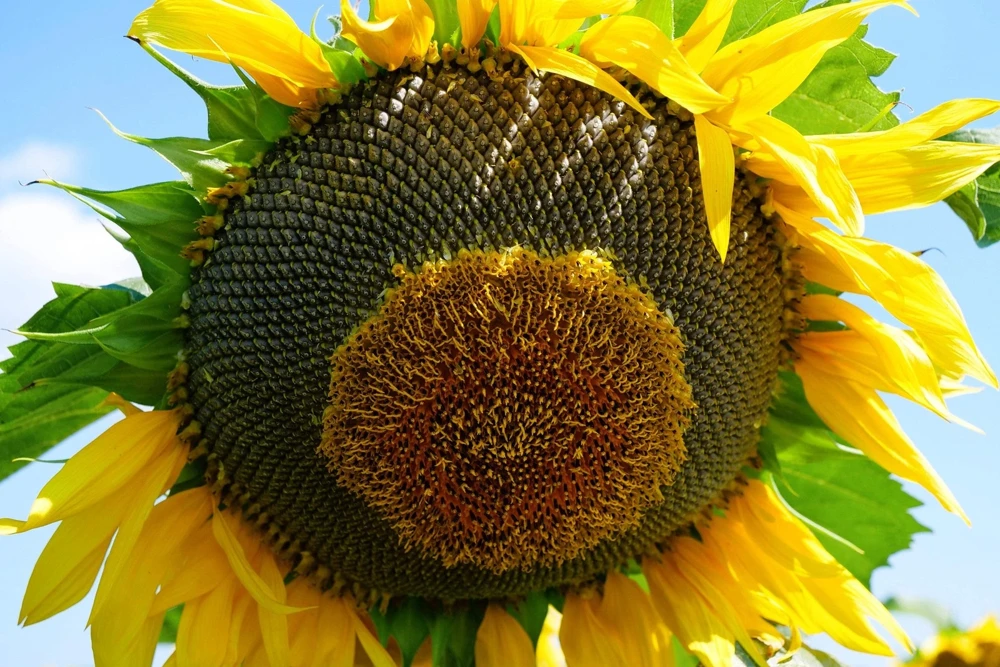
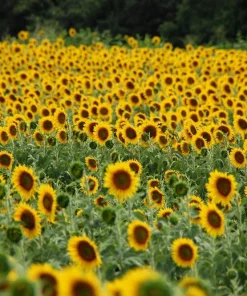
Discover the captivating beauty and versatility of Hopi Black Dye Sunflower seeds. These unique seeds, from the botanical marvel Helianthus Annuus seeds, promise to transform your garden into a vibrant display of deep, striking colors. Unlike common sunflowers, the Hopi Black Dye variety is renowned for its dark, almost black centers and petals that range from rich yellows to deep reds, making it a standout ornamental plant. Historically, these sunflowers were cultivated by the Hopi people not just for their striking appearance but also for the potent black dye extracted from their seeds, used in textiles and basketry. Growing these black sunflower seeds connects you to a rich cultural heritage and offers an opportunity to explore natural dyeing techniques right from your backyard. Each packet contains 50 high-quality seeds, ensuring a bountiful harvest of these magnificent flowers.
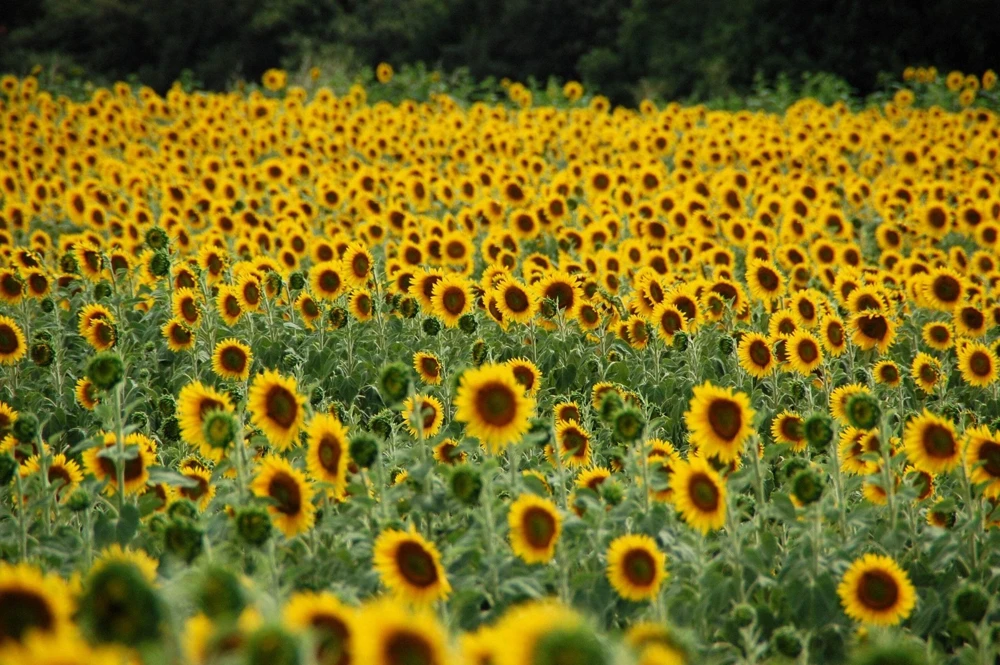
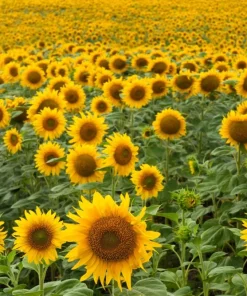
Cultivating Hopi Black Dye Sunflower seeds is a rewarding experience for gardeners of all levels. These robust plants are known for their resilience and ability to thrive in various conditions, making them an excellent choice for adding dramatic flair to borders, cutting gardens, or even as a privacy screen. The tall, sturdy stalks support large, impressive flower heads that attract pollinators like bees and butterflies, contributing to a healthy ecosystem. Beyond their visual appeal, the seeds themselves are edible and can be harvested for snacking or for their traditional dye properties, offering a dual purpose that few other plants can match. Embrace the heritage and beauty of these unique sunflower varieties in your garden this season.
Key Benefits
Planting Hopi Black Dye Sunflower seeds offers a multitude of benefits, both aesthetic and practical, making them a fantastic addition to any garden:
-
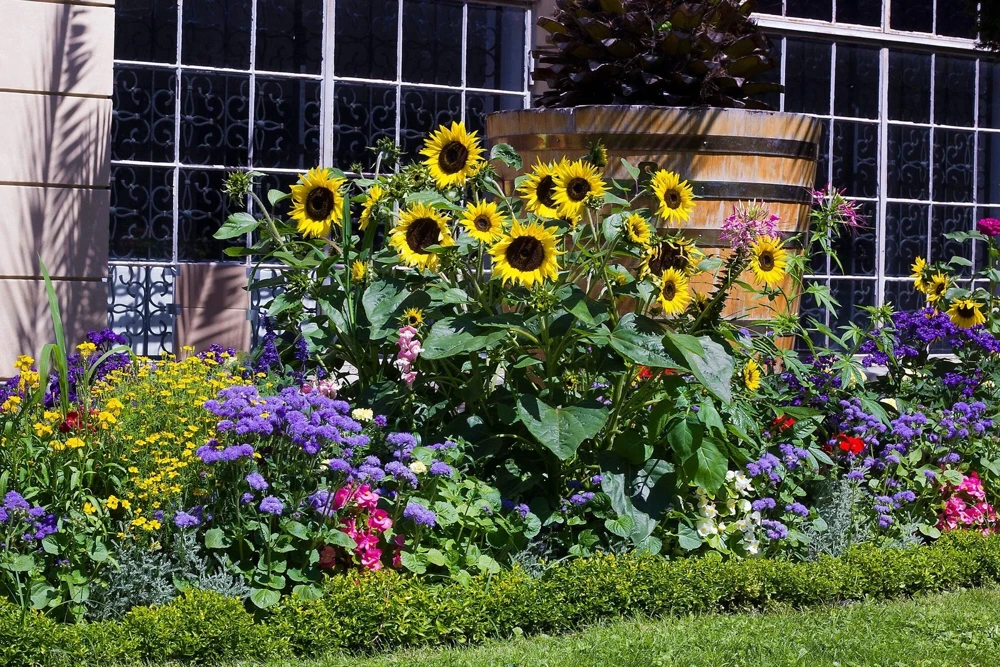
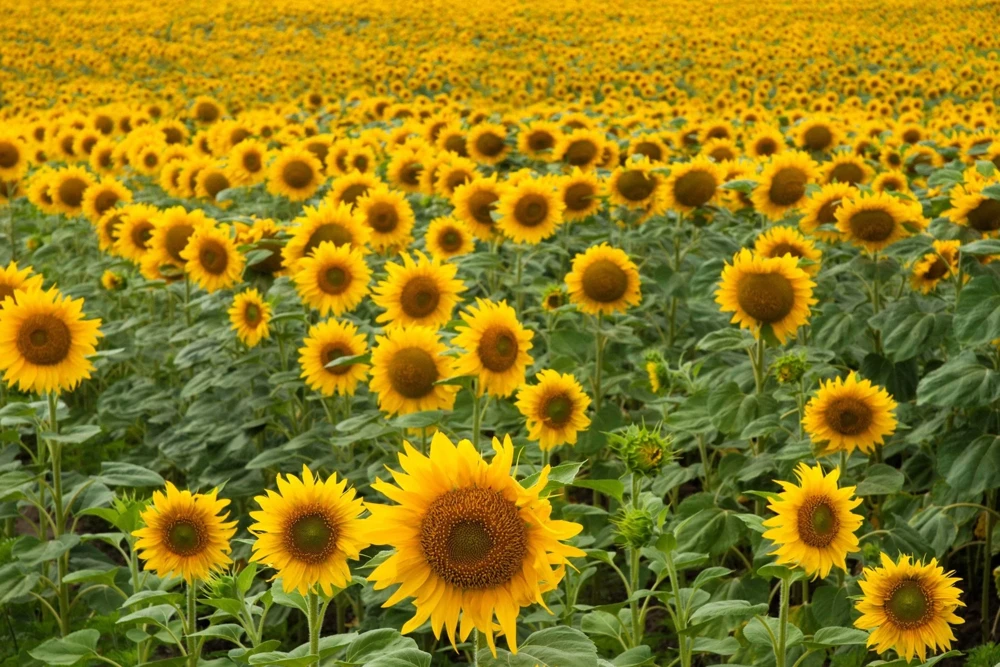
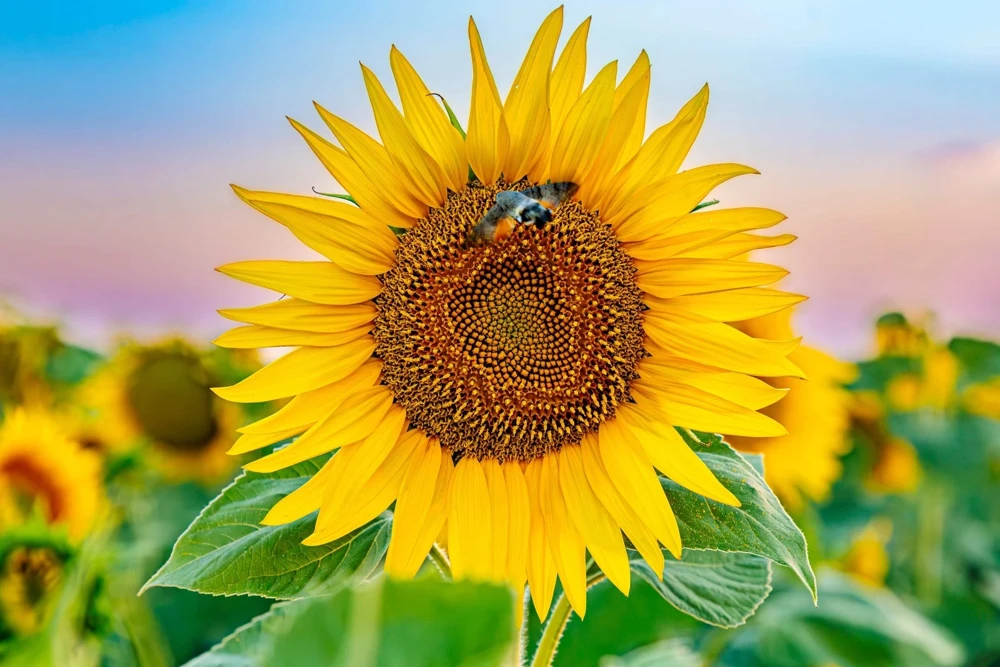
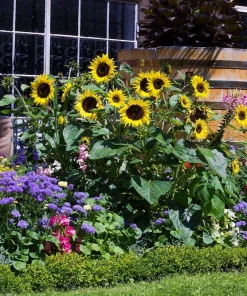
Stunning Visual Impact: These sunflowers produce large, distinctive blooms with dark, often black, centers and vibrant petals, creating a dramatic focal point in your garden. They add an exotic and traditional touch that stands out from typical sunflower varieties, enhancing curb appeal.
-
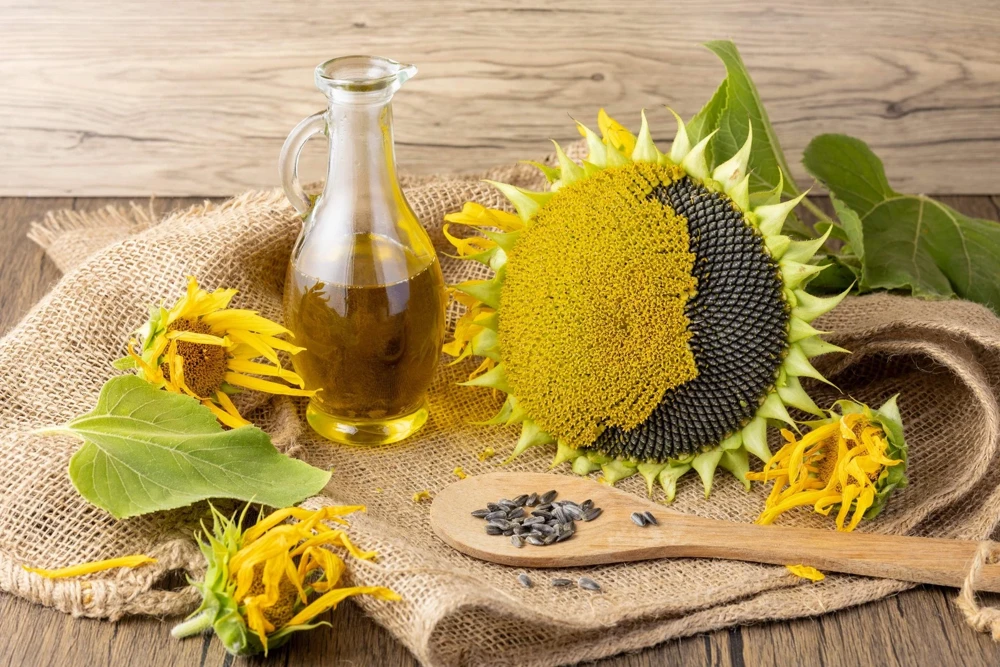
Natural Dye Source: True to their name, the seeds of the Hopi Black Dye Sunflower seeds can be processed to create a rich, natural black dye. This offers an exciting opportunity for crafters, artists, and those interested in sustainable practices to produce their own pigments.
-
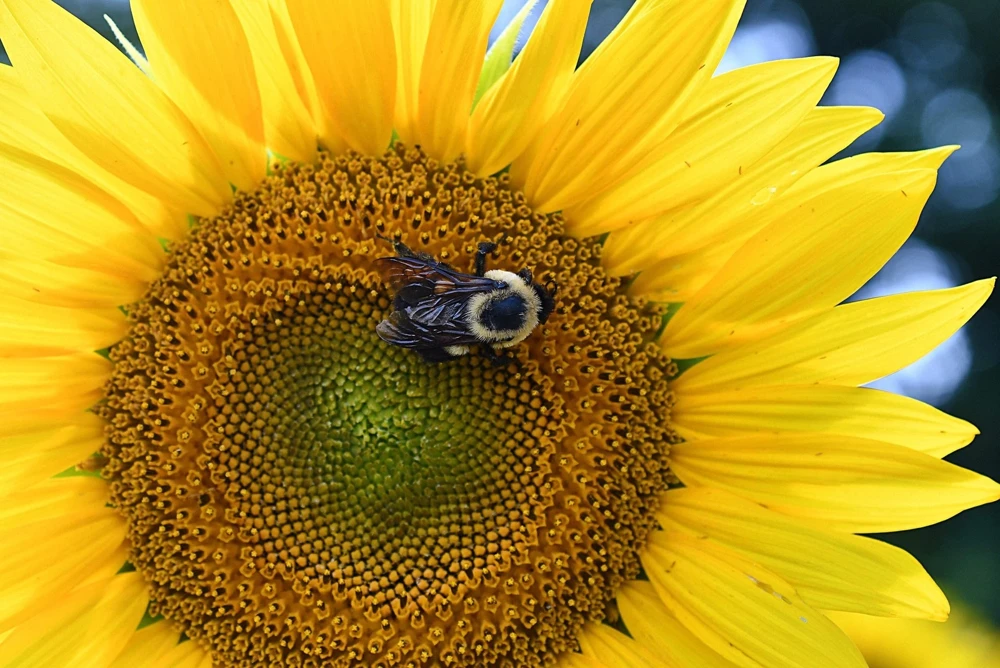
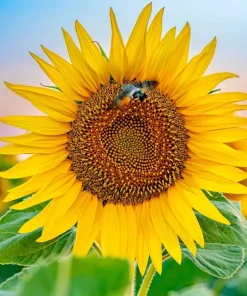
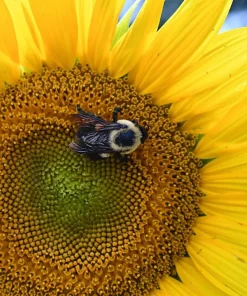
Attracts Pollinators: The large, nectar-rich flowers are a magnet for bees, butterflies, and other beneficial pollinators, supporting local biodiversity and contributing to a healthier garden ecosystem. They are a vital food source for many insects.
-
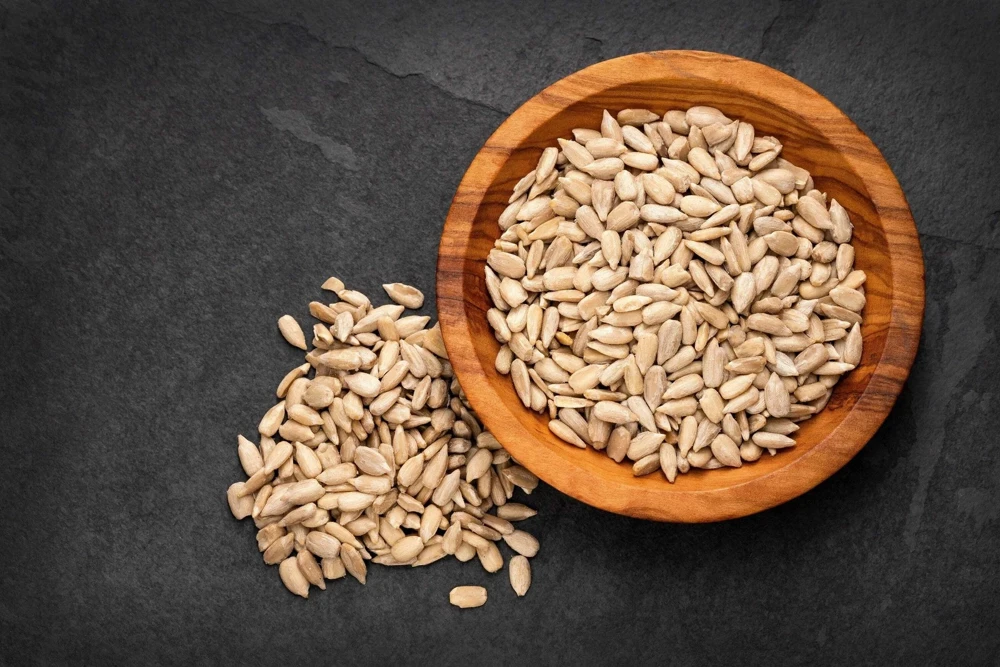
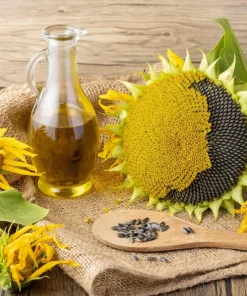
Edible Seeds: Beyond their dye potential, the seeds are edible and nutritious, perfect for roasting and snacking, or adding to salads and baked goods. Harvesting your own sunflower seeds is a satisfying experience.
-
Drought Tolerant & Resilient: Once established, these Helianthus Annuus seeds grow into hardy plants that are remarkably drought-tolerant and require minimal maintenance, making them suitable for various climates and busy gardeners. They stand up well to tough conditions.
-
Cultural Significance: Growing black sunflower seeds connects you to the historical and cultural practices of the Hopi people, who have cultivated this variety for generations. It’s a way to appreciate indigenous agricultural wisdom.
-
Low Maintenance: These sunflowers are generally pest-resistant and disease-resistant, requiring little intervention once they are established. They are an easy-to-grow option for gardeners seeking impactful results with minimal effort, even for those new to growing unique sunflower varieties.
Plant Care & Growing Tips
Cultivating Hopi Black Dye Sunflower seeds for optimal growth and bloom requires attention to a few key environmental factors. Sunflowers are sun-loving plants, so select a location in your garden that receives at least 6-8 hours of direct sunlight per day. Full sun is crucial for developing strong stalks and abundant, healthy blooms. Prepare your soil by ensuring it is well-draining, as sunflowers do not tolerate waterlogged conditions. While they are adaptable, a slightly acidic to alkaline pH (6.0-7.5) is ideal. Amend heavy clay soils with organic matter like compost to improve drainage and provide essential nutrients. Plant the Helianthus Annuus seeds directly into the ground after the last frost, when soil temperatures have warmed to at least 60°F (15°C). Sow seeds about 1 inch deep and 6 inches apart, thinning to 1-2 feet apart once seedlings are a few inches tall to allow for ample growth and air circulation.
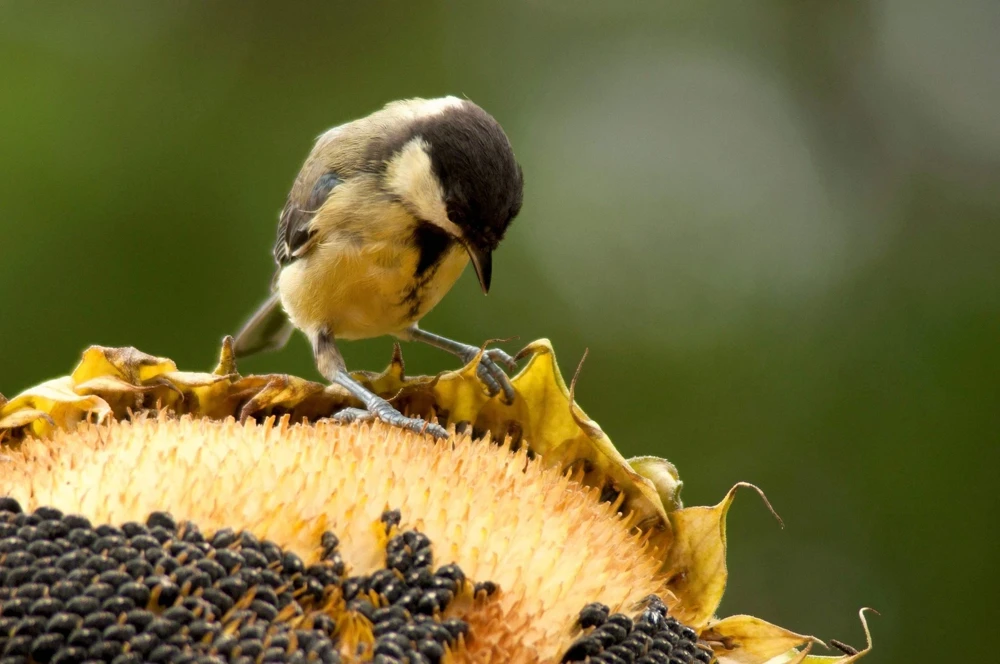
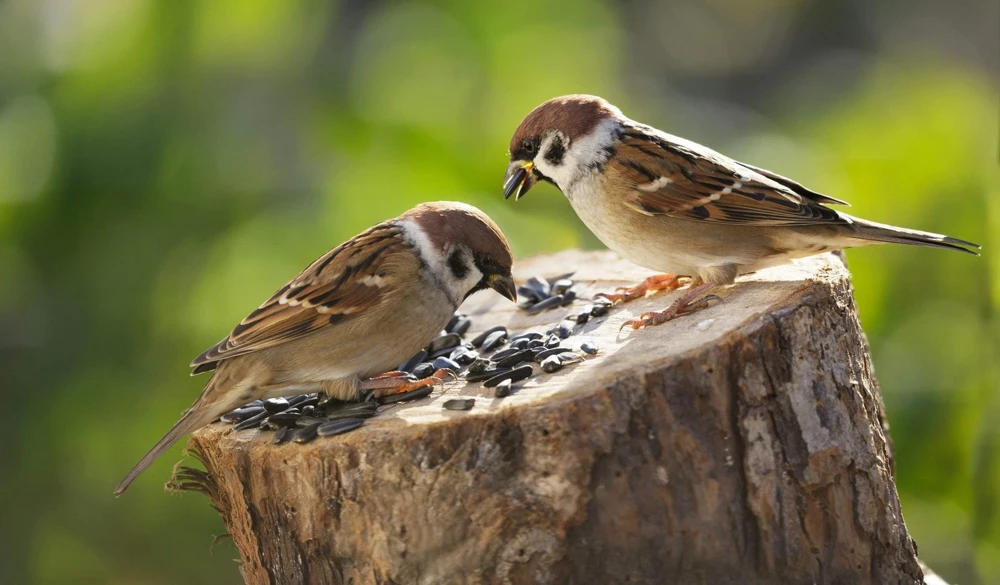
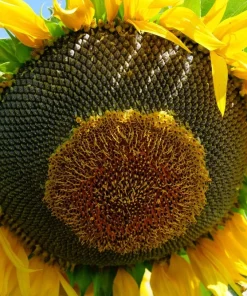
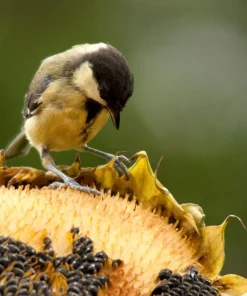
Watering is critical during the initial growth phase, especially until seedlings are established. Once mature, Hopi Black Dye Sunflowers are quite drought-tolerant, but consistent watering during dry spells will promote larger blooms and stronger plants. Avoid overhead watering to prevent fungal diseases; instead, water at the base of the plant. Fertilization is generally not heavily required if your soil is rich in organic matter. However, a balanced, slow-release fertilizer or compost tea can be applied early in the growing season to support robust growth. Watch out for common pests like aphids or cutworms, especially in young plants, and address them with organic pest control methods if necessary. Harvesting the seeds for dye or consumption should occur when the back of the flower head turns yellow and the seeds look plump. Protecting the maturing heads from birds with netting can ensure a good harvest of your black sunflower seeds.
Size & Details
Each packet contains 50 Hopi Black Dye Sunflower seeds, ensuring a generous supply for your garden projects. These Helianthus Annuus seeds typically grow into impressive plants ranging from 6 to 10 feet tall, with some individuals reaching up to 12 feet under ideal conditions. The large flower heads can measure between 8 to 12 inches in diameter, featuring distinctive dark centers and vibrant petals. These sunflowers have a moderate growth rate, usually reaching maturity and blooming within 75-90 days from planting. They are shipped as dry seeds, which are easy to store and plant, offering maximum flexibility for your gardening schedule. Expect a robust root system and sturdy stalks, making them an excellent choice for windy locations when properly staked if needed. These unique sunflower varieties are open-pollinated, meaning you can save seeds from your harvest for future plantings, preserving their genetic integrity and unique characteristics.
Frequently Asked Questions
- Q: How big do these Hopi Black Dye Sunflowers get? A: These sunflowers typically grow quite tall, ranging from 6 to 10 feet in height, with some plants potentially reaching up to 12 feet under optimal growing conditions. Their large flower heads can be 8 to 12 inches across.
- Q: Is this an indoor or outdoor plant? A: Hopi Black Dye Sunflowers are primarily outdoor plants that require full sun to thrive. They are best grown in garden beds, borders, or as a natural privacy screen.
- Q: How much sunlight does it need? A: For the best growth and most vibrant blooms, these Helianthus Annuus seeds require at least 6 to 8 hours of direct sunlight per day. More sun generally leads to healthier, stronger plants.
- Q: Are these black sunflower seeds easy to care for? A: Yes, Hopi Black Dye Sunflowers are relatively easy to care for. Once established, they are drought-tolerant and robust, making them suitable for both experienced and novice gardeners.
- Q: What condition will the seeds arrive in? A: The product consists of 50 dry Hopi Black Dye Sunflower seeds, packaged for safe and secure delivery, ready for planting in your garden.
- Q: When is the best time to plant unique sunflower varieties like these? A: The best time to plant these seeds is after the last danger of frost has passed in your region, when soil temperatures have consistently warmed up, typically in late spring or early summer.
- Q: Will these sunflowers attract pollinators? A: Absolutely! The large, nectar-rich blooms of the Hopi Black Dye Sunflower are highly attractive to bees, butterflies, and other beneficial pollinators, making them a great addition to a pollinator-friendly garden.
- Q: Can I use the seeds for natural dye? A: Yes, the seeds of the Hopi Black Dye Sunflower seeds are traditionally used to extract a natural black dye, making them perfect for crafting and textile projects.
- Q: What type of soil do these sunflowers prefer? A: These sunflowers thrive in well-draining soil with a slightly acidic to alkaline pH (6.0-7.5). Amending with organic matter can improve soil structure and fertility.
- Q: How long until these sunflowers bloom? A: You can expect these Helianthus Annuus seeds to bloom approximately 75 to 90 days after planting, depending on growing conditions and climate.
Be the first to review “50 Hopi Black Dye Sunflower Seeds – Helianthus Annuus for Garden”
People Also Viewed
Flower Seeds
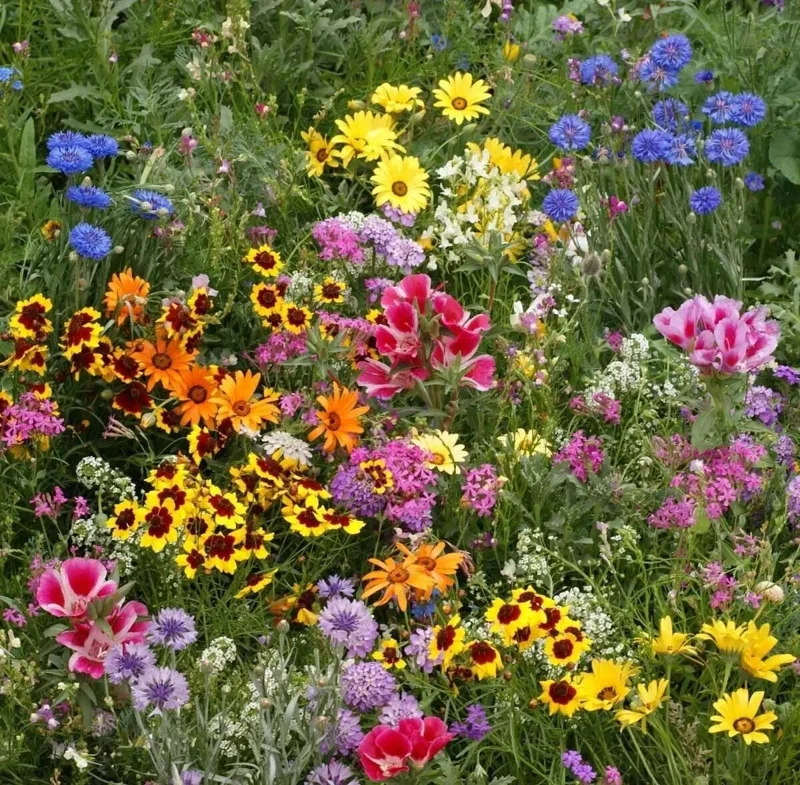
Late Bloomer Wildflower Mix Seeds – 35+ Autumn Flowers, Fall Bloom, Multicolor, Outdoor
Reviews
There are no reviews yet.