


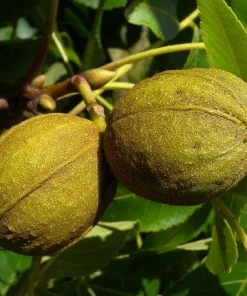
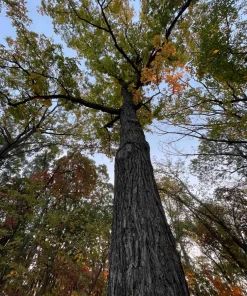
Pignut Hickory Tree Live Plant – Carya glabra – 12-24 inch Bare Root Starter
Original price was: $74.99.$49.99Current price is: $49.99.
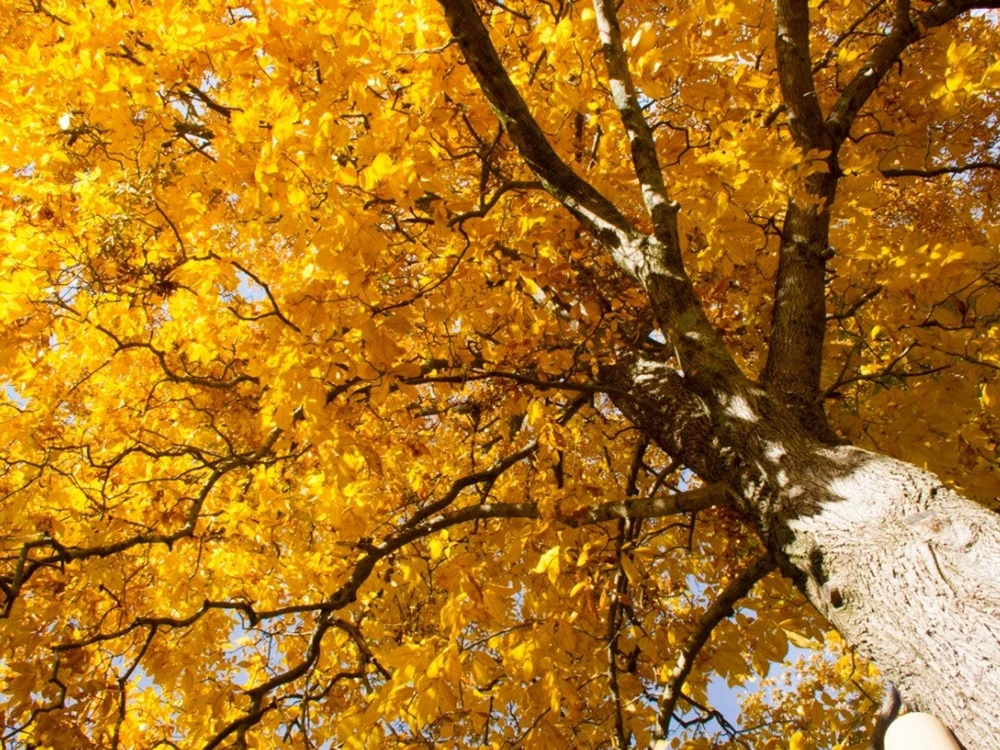
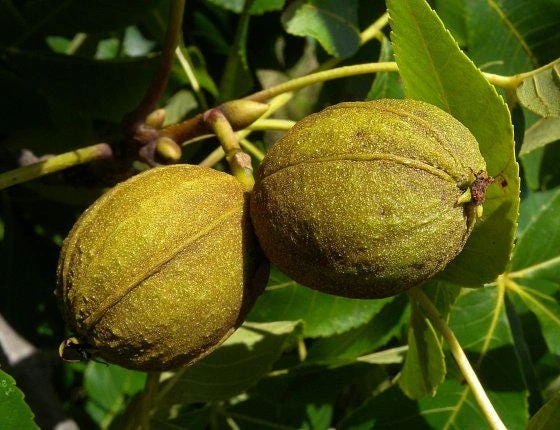
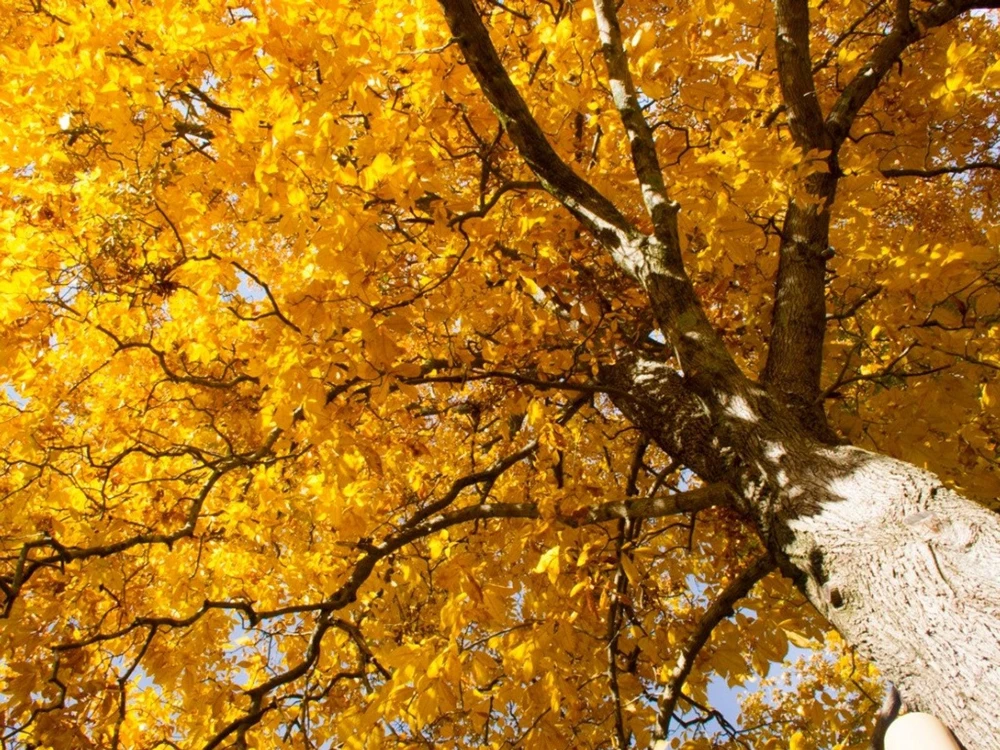
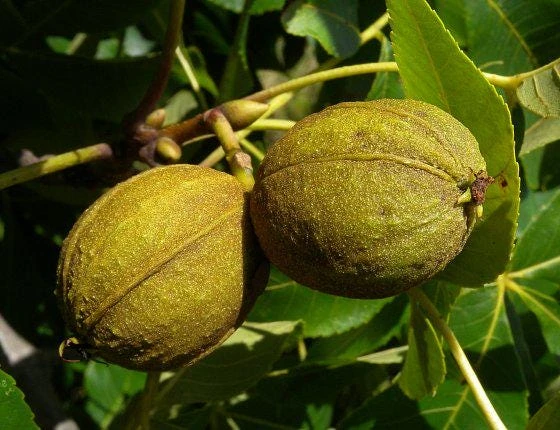
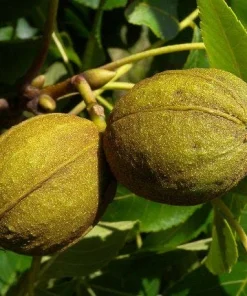
Cultivate a robust pignut hickory tree (Carya glabra) with this 12-24 inch bare root starter plant. Known for its exceptionally tough wood, distinctive pear-shaped nuts, and brilliant yellow fall foliage, this native tree is an excellent addition to any landscape. Ideal for outdoor planting, it offers long-term ecological and aesthetic benefits.
Estimated arrival
Sep 29
Oct 04 - Oct 06
Oct 09 - Oct 13
Shop With Confidence
30-Day Plant Health Guarantee
Arrives damaged? We’ll replace it free — see our return policy.
Responsive Support
Email us anytime, we reply within 1 business day.
Expert Packaging
Temperature-controlled shipping to protect your plants in transit.
Secure Checkout
Pay safely with Visa, Mastercard, PayPal.
Plant Specifications
-
USDA Hardiness Zone
USDA zones 4-9 -
Soil Type
Deep, moist, well-draining loam -
Sunlight Exposure
Full sun to partial shade -
Expected Planting Period
Early spring
Overview
Introduce a piece of native American wilderness to your landscape with the pignut hickory tree (Carya glabra). This long-lived, slow-growing hardwood is a distinguished member of the walnut family (Juglandaceae) and is celebrated for its remarkable durability and striking appearance. Originating from the eastern United States and parts of southern Ontario, the Carya glabra plant is a resilient choice for gardeners seeking a tree with both ecological value and visual appeal. This offering is for a 12-24 inch bare root starter plant, ready to establish itself in your garden. Known for its exceptionally tough wood, distinctive pear-shaped nuts, and vibrant yellow fall foliage, the Pignut Hickory matures into a magnificent specimen, providing shade and habitat for local wildlife. Its presence enriches biodiversity and offers a unique aesthetic throughout the seasons.
The pignut hickory tree is a valuable addition to naturalized areas, large gardens, or as a shade tree in open landscapes. Its adaptability to various soil types and climates makes it a versatile choice for many regions. As a bare root starter plant, it offers an economical and effective way to begin growing this impressive native species, allowing for strong root development once planted. With proper care, this tree will develop into a stately presence, contributing to the beauty and ecological health of its environment for generations.
Key Benefits
Planting a pignut hickory tree offers a multitude of advantages, enhancing both your property and the local ecosystem. This native tree is not only beautiful but also highly functional.
- Exceptional Durability: The wood of the Pignut Hickory is renowned for its toughness and strength, making it a valuable timber tree. This inherent resilience also means the tree itself is robust and long-lasting in the landscape, resisting many common stressors.
- Distinctive Edible Nuts: While the nuts are smaller and thicker-shelled than some other hickories, they are edible and provide a food source for wildlife, including squirrels, deer, and birds. For those interested in foraging, they offer a unique, if challenging, culinary experience.
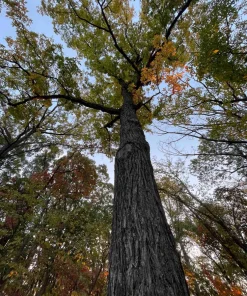
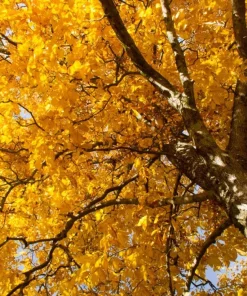
- Vibrant Fall Foliage: One of the most captivating features of the Carya glabra plant is its brilliant yellow fall foliage. This spectacular autumnal display transforms the landscape, creating a stunning visual impact before the leaves drop.
- Ecological Contribution: As a native species, the native hickory tree supports local wildlife by providing food and shelter. Its deep root system also helps with soil stabilization and contributes to a healthy ecosystem.
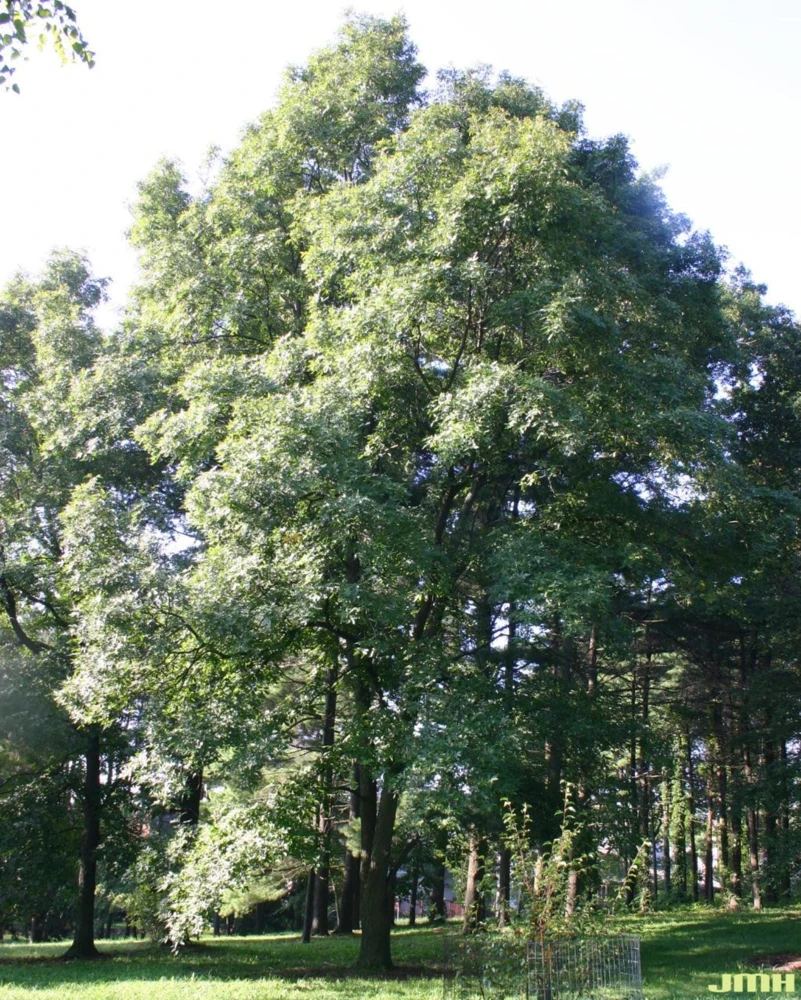
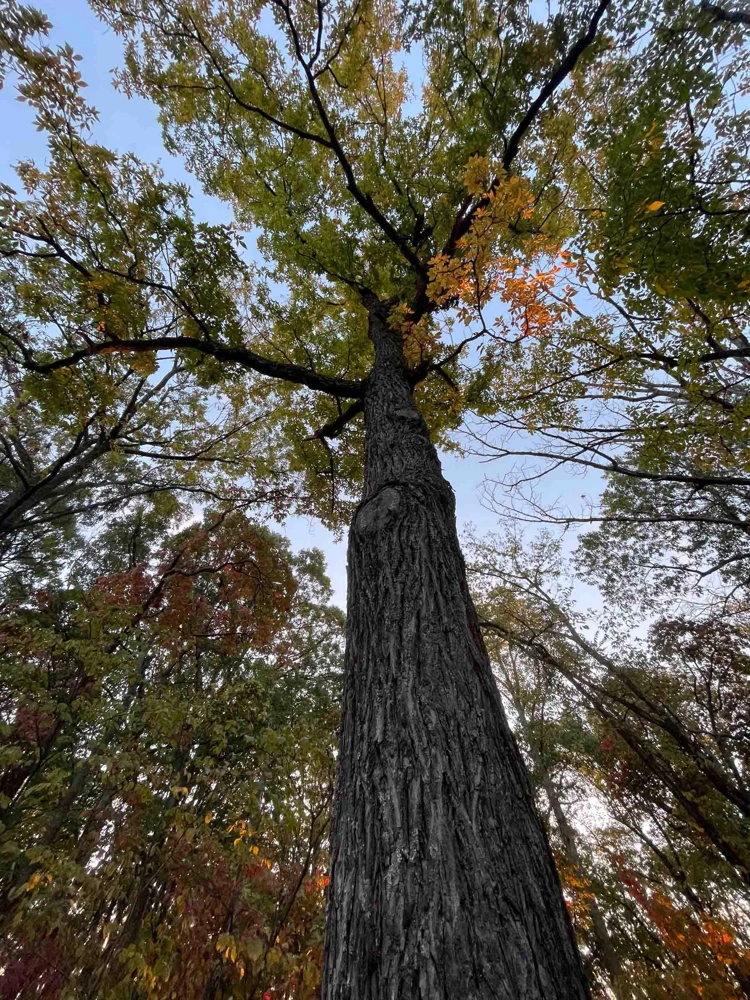
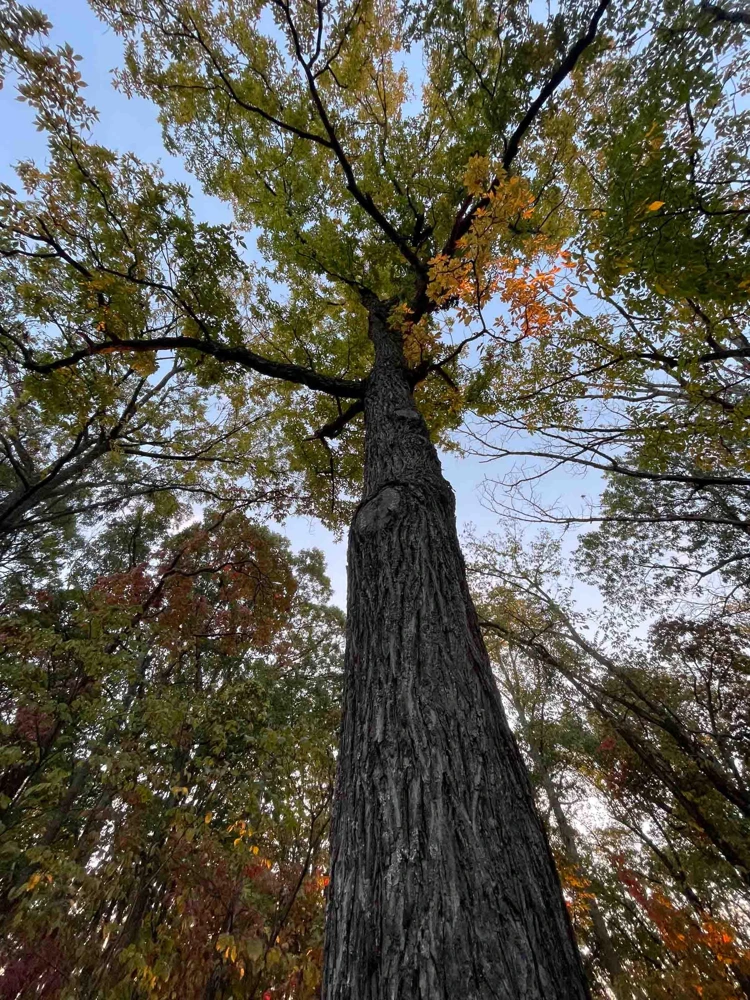
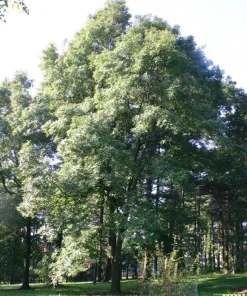
- Shade and Structure: Mature Pignut Hickory trees typically reach heights of 50–80 feet (occasionally up to 120 feet) with a 25–40 foot spread, forming a narrow, oval crown. This provides significant shade, making it an excellent choice for large properties or parks.
- Low Maintenance Once Established: After its initial establishment period, the Pignut Hickory is a relatively low-maintenance tree. It is generally resistant to pests and diseases, requiring minimal intervention to thrive.
- Long Lifespan: This tree is known for its impressive longevity, often living for many decades, becoming a lasting legacy in your garden or landscape.
Plant Care & Growing Tips
Caring for your pignut hickory tree involves understanding its natural preferences to ensure healthy growth and establishment. As a bare root starter plant, initial care is crucial for its success. When planting, choose a location with full sun to partial shade, ideally where it can receive at least 6 hours of direct sunlight daily. The Pignut Hickory thrives in a variety of soils, but prefers deep, moist, well-drained loams. It can tolerate some clay and rocky soils, but avoid areas with standing water. Ensure the planting hole is wide enough to accommodate the roots spread out naturally, and deep enough so the root collar is at ground level. Water thoroughly after planting.
Once established, the Carya glabra plant is quite drought-tolerant, but consistent moisture is beneficial, especially during dry periods in its first few years. Water deeply and regularly during the growing season, reducing frequency in cooler months. Fertilization is generally not necessary in rich soils, but a balanced, slow-release tree fertilizer can be applied in early spring if soil tests indicate nutrient deficiencies. The Pignut Hickory is hardy in USDA zones 4-9, making it suitable for a wide range of climates. It is a slow-growing tree, so patience is key. Pruning should be minimal, primarily to remove dead, damaged, or crossing branches to maintain a strong structure.
Common problems for this native hickory tree are relatively few. It is generally resistant to most serious insect pests and diseases. However, young trees can be susceptible to damage from deer or rodents, so protective measures like tree guards may be beneficial. Ensure good air circulation around the tree to prevent fungal issues. The tree’s deep taproot makes it difficult to transplant once established, so choose its permanent location carefully. With proper care and attention, your pignut hickory care routine will ensure a thriving, beautiful tree for many years.
Size & Details
This offering is for one pignut hickory tree starter plant, which arrives as a bare root specimen. The plant measures approximately 12-24 inches in height, providing a good foundation for robust growth. Bare root plants are typically shipped dormant, allowing them to establish their root systems efficiently once planted in their new environment. Mature Pignut Hickory trees can reach impressive heights of 50–80 feet, occasionally soaring up to 120 feet, with a spread of 25–40 feet, developing a distinctive narrow, oval crown. The growth rate is considered slow to moderate, meaning it will take time to reach its full majestic size, but its longevity ensures a lasting presence in your landscape.
The bare root hickory allows for excellent root development and reduces transplant shock compared to potted plants. It is important to plant these trees as soon as possible after arrival, ensuring the roots do not dry out. Expect this tree to begin showing signs of growth in the spring following planting. While the nuts are a feature of mature trees, it will take several years for a young tree to begin producing fruit. This 12-24 inch starter plant is an ideal way to begin cultivating a long-term, ecologically beneficial, and aesthetically pleasing tree in your garden.
Frequently Asked Questions
- Q: How big does this pignut hickory tree get? A: Mature Pignut Hickory trees typically reach heights of 50–80 feet, and can sometimes grow up to 120 feet tall, with a spread of 25–40 feet. They form a distinctive narrow, oval crown.
- Q: What condition will the Carya glabra plant arrive in? A: Your Pignut Hickory will arrive as a 12-24 inch bare root starter plant. This means it will be dormant with no soil around its roots, which is ideal for transplanting and encourages strong root establishment.
- Q: Is this an indoor or outdoor plant? A: The Pignut Hickory is an outdoor tree, native to the eastern United States. It requires ample space to grow and is not suitable for indoor cultivation.
- Q: How much sunlight does the native hickory tree need? A: This tree thrives in full sun to partial shade, ideally receiving at least 6 hours of direct sunlight per day for optimal growth and health.
- Q: Is this plant easy to care for? Is it good for beginners? A: Once established, the Pignut Hickory is relatively low-maintenance. However, initial pignut hickory care for a bare root plant requires careful attention to planting and watering. It’s a good choice for beginners willing to commit to proper initial establishment.
- Q: What is the best time to plant a bare root hickory? A: The best time to plant bare root trees is typically in the early spring, after the last hard frost but before the tree breaks dormancy. This allows the roots to establish before the stress of summer heat.
- Q: What USDA hardiness zones is the Pignut Hickory suitable for? A: The Pignut Hickory is hardy in USDA Zones 4-9, making it adaptable to a wide range of temperate climates across the United States.
- Q: How long until the tree produces nuts? A: Pignut Hickory trees are slow-growing and typically begin producing nuts when they are around 10-15 years old, though this can vary depending on growing conditions.
- Q: What kind of soil does this tree prefer? A: This tree prefers deep, moist, well-drained loamy soils but can tolerate a variety of soil types, including some clay and rocky soils, as long as they are not waterlogged.
- Q: Will this tree attract wildlife? A: Yes, the nuts of the Pignut Hickory are a food source for various wildlife, including squirrels, chipmunks, deer, and several bird species, making it a valuable addition for wildlife enthusiasts.
Be the first to review “Pignut Hickory Tree Live Plant – Carya glabra – 12-24 inch Bare Root Starter”
People Also Viewed
Vegetable Seeds
Oregon Sugar Pod II Pea Seeds – 50 Count – Pisum Sativum Macrocarpon – Vegetable Seeds
Reviews
There are no reviews yet.