
Elderberry Live Plant – Healthy Edible Shrub – 1 Count – Outdoor
Original price was: $85.99.$65.99Current price is: $65.99.
Cultivate your own delicious and beneficial berries with this elderberry live plant. Perfect for gardens in USDA Zones 4-8, this edible elderberry shrub is easy to grow and provides attractive foliage along with its popular fruit. Ideal for outdoor planting and home harvesting.
Out of stock
Estimated arrival
Oct 25
Oct 30 - Nov 01
Nov 04 - Nov 08
Shop With Confidence
30-Day Plant Health Guarantee
Arrives damaged? We’ll replace it free — see our return policy.
Responsive Support
Email us anytime, we reply within 1 business day.
Expert Packaging
Temperature-controlled shipping to protect your plants in transit.
Secure Checkout
Pay safely with Visa, Mastercard, PayPal.
Plant Specifications
-
USDA Hardiness Zone
USDA Zones 4-8 -
Soil Type
Well-draining, moist, rich, loamy soil -
Sunlight Exposure
Full Sun, Medium Sun -
Expected Planting Period
Spring to early summer or early fall
Overview
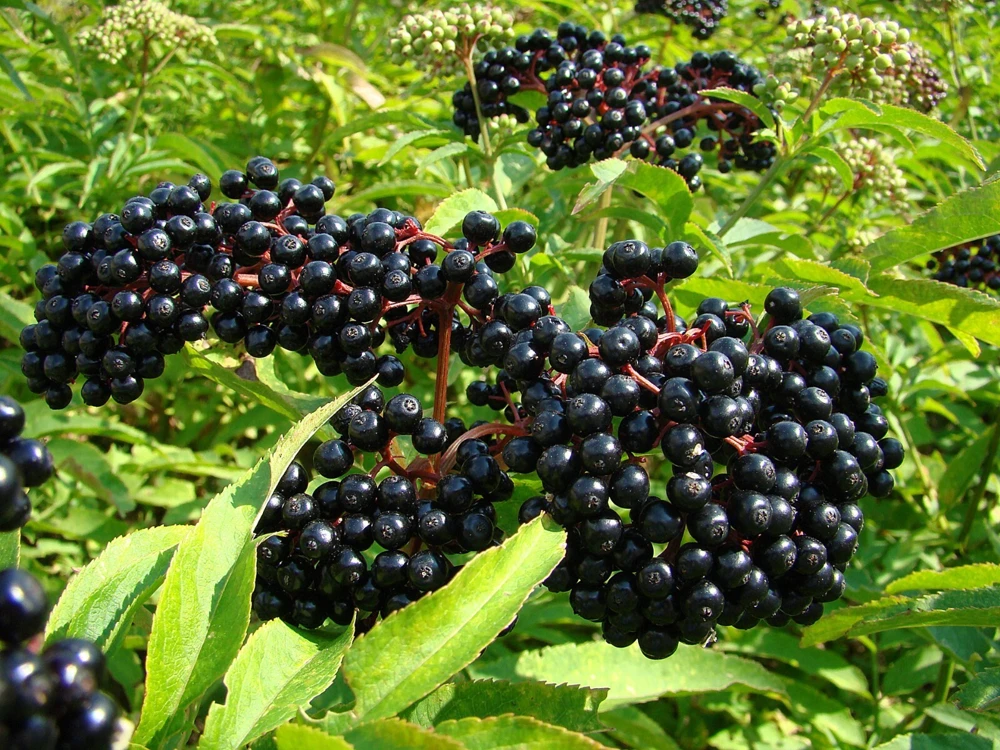
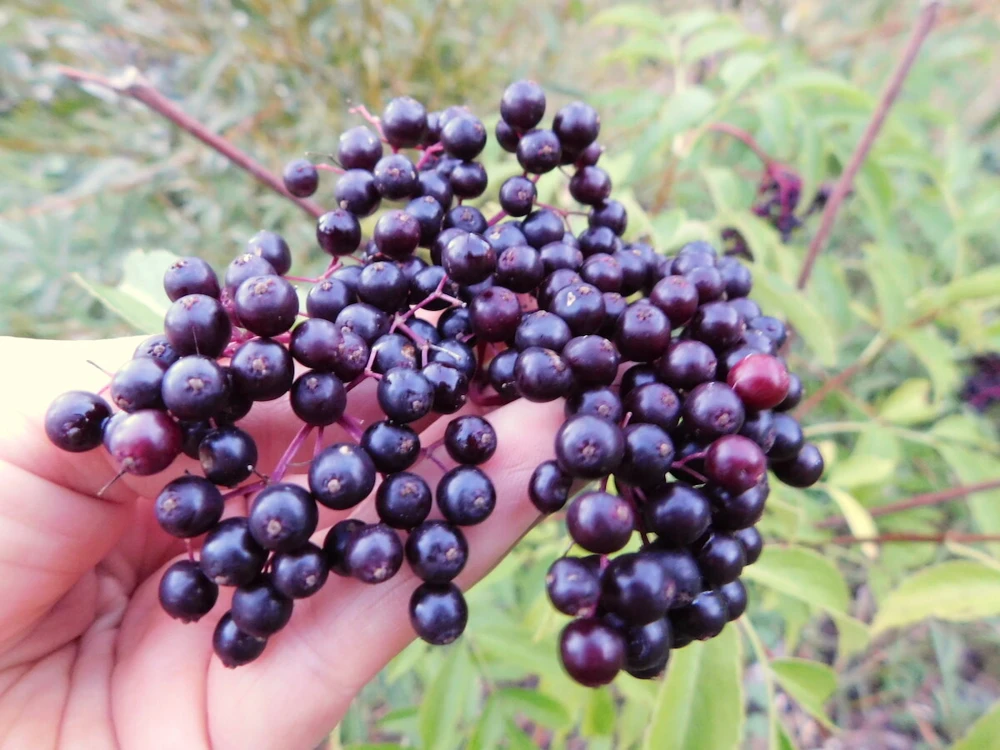
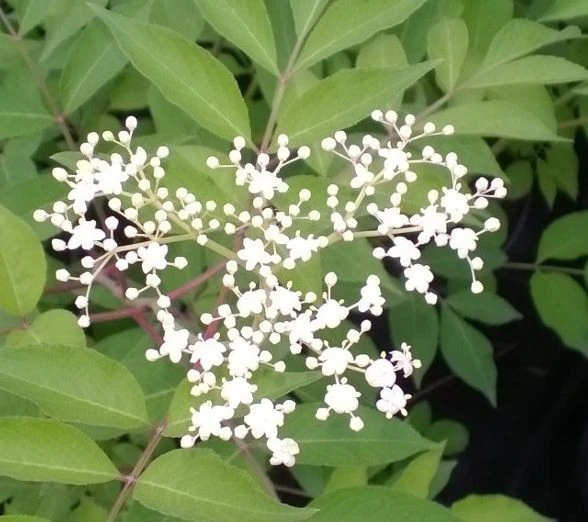
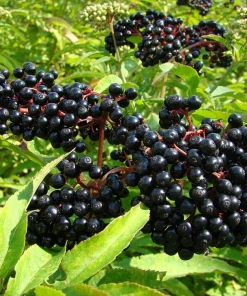
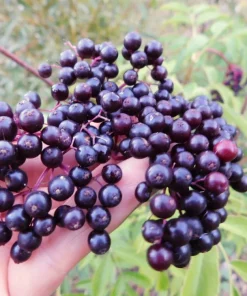
Discover the joy of growing your own berries with this vibrant elderberry live plant. Revered for centuries for its culinary and traditional medicinal properties, the elderberry is a fantastic addition to any garden, especially for those interested in permaculture or edible landscaping. This particular offering is for a healthy, rooted elderberry plant, ready to establish itself in your outdoor space. Known for its robust growth and beautiful clusters of flowers followed by dark berries, the common name for this plant is Elderberry, typically referring to species like Sambucus canadensis or Sambucus nigra, both popular choices for home gardeners. A well-established elderberry live plant can provide abundant harvests for years to come, making it a valuable investment for your edible garden.
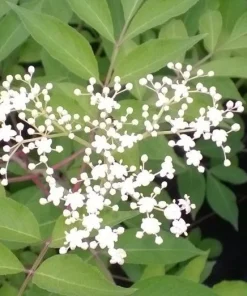
This hardy shrub is suitable for a wide range of climates and is known for its resilience. Whether you’re a seasoned gardener or just starting out, growing elderberry is a rewarding experience. The plant not only yields nutritious fruit but also contributes to the aesthetic appeal of your landscape with its lush green leaves and delicate white blossoms in spring. It’s an excellent choice for creating natural hedges, adding to a fruit orchard, or simply as a standalone specimen in your garden. The ease of care combined with its numerous benefits makes the elderberry live plant a highly sought-after addition to sustainable and productive gardens across the United States.
Key Benefits
Adding an elderberry plant to your garden provides a wealth of advantages, from nutritional benefits to ecological contributions. This versatile shrub is a true garden workhorse.
- Nutritious Fruit Production: Enjoy fresh, homegrown elderberries known for their high antioxidant content and use in jams, jellies, pies, and beverages. Harvesting your own black elderberry ensures peak freshness and quality.
- Attractive Landscape Addition: Features beautiful white flower clusters in spring, followed by dark berries and lush green foliage throughout the growing season, enhancing garden aesthetics.
- Wildlife Friendly: The flowers attract pollinators like bees and butterflies, while the berries provide a food source for birds, supporting local ecosystems.
- Hardy and Resilient: This elderberry live plant is well-suited for a broad range of climates, particularly USDA Zones 4-8, making it a reliable choice for many gardeners.
- Low Maintenance Edible Shrub: Once established, elderberry plants require minimal care, making them perfect for busy gardeners or those looking for an easy-to-grow food source.
- Traditional Uses: Beyond culinary uses, elderberries and elderflowers have a long history in traditional remedies, adding to the plant’s appeal.
- Soil Improvement: Elderberry plants can help improve soil structure and prevent erosion, contributing to a healthier garden environment.
Plant Care & Growing Tips
Proper elderberry plant care is straightforward, ensuring a healthy and productive shrub. Elderberries thrive in full sun to medium sun conditions, meaning they need at least 6 hours of direct sunlight per day for optimal fruit production. While they can tolerate some partial shade, too little sun may result in fewer berries and leggier growth. When selecting a planting site, consider an area that receives ample morning sun and some afternoon shade in hotter climates to prevent scorching.
Elderberry plants prefer consistently moist, well-draining soil. They are not overly particular about soil type but perform best in rich, loamy soil with a pH between 5.5 and 6.5. Amend heavy clay soils with organic matter like compost to improve drainage, and sandy soils to enhance water retention. Water regularly, especially during dry spells and the first year after planting, to help the root system establish. Once mature, elderberry plants are relatively drought-tolerant but will benefit from supplemental watering during extended dry periods. Fertilize in early spring with a balanced organic fertilizer or compost to encourage vigorous growth and fruit set. Pruning is essential for maintaining plant health and maximizing yields; remove dead or weak canes annually, and prune out older canes to encourage new, productive growth for your edible elderberry shrub.
Size & Details
This offering is for one healthy, rooted elderberry live plant, typically 1-2 years old, ensuring a good start in your garden. The plant is ready for outdoor planting and will establish quickly in suitable conditions. Elderberry bushes are known for their relatively fast growth rate, often reaching heights of 6-12 feet tall and spreading 6-8 feet wide at maturity, depending on the variety and growing conditions. They can be maintained at a smaller size with regular pruning. This plant ships as a single unit, ready to be transplanted into your prepared garden bed. Expect your plant to begin producing berries within 1-2 years of planting, with yields increasing as the plant matures. The berries typically ripen in late summer to early fall, offering a delightful harvest for home use.
Frequently Asked Questions
- Q: How big does this elderberry live plant get? A: An elderberry live plant typically grows to be 6-12 feet tall and 6-8 feet wide at maturity, forming a substantial shrub. Regular pruning can help manage its size and shape according to your garden’s needs.
- Q: Is this an indoor or outdoor plant? A: This is an outdoor plant, specifically an edible elderberry shrub, designed to thrive in garden settings within its recommended USDA hardiness zones. It is not suitable for long-term indoor cultivation.
- Q: How much sunlight does an elderberry plant need? A: Elderberry plants perform best in full sun to medium sun, requiring at least 6 hours of direct sunlight daily. While they can tolerate some partial shade, optimal fruit production is achieved with more sun.
- Q: Is this plant easy to care for? A: Yes, elderberry plant care is considered relatively easy. Once established, they are quite hardy and require minimal attention beyond regular watering during dry periods and annual pruning.
- Q: What condition will the elderberry plant arrive in? A: Your elderberry live plant will arrive as a healthy, rooted specimen, carefully packaged to ensure its safe journey. It will be ready for immediate planting upon arrival.
- Q: When is the best time to plant elderberry? A: The best time for growing elderberry is typically in early spring after the last frost, or in early fall before the ground freezes. This allows the plant ample time to establish its root system.
- Q: Will this elderberry plant survive winter in my zone? A: This elderberry is hardy in USDA Zones 4-8. If your zone falls within this range, the plant is well-equipped to survive winter conditions, going dormant and returning in spring.
- Q: Can I use the berries from this black elderberry plant for cooking? A: Yes, the berries from this black elderberry plant are excellent for culinary purposes. They are commonly used to make delicious jams, jellies, syrups, pies, and wine after cooking.
- Q: What kind of soil does elderberry prefer? A: Elderberries prefer moist, well-draining soil that is rich in organic matter. They can tolerate a range of soil types but thrive in loamy soils with a slightly acidic to neutral pH.
- Q: How long until I get fruit from my elderberry live plant? A: You can typically expect your elderberry live plant to start producing fruit within 1-2 years after planting, with yields increasing significantly as the plant matures over subsequent years.
Be the first to review “Elderberry Live Plant – Healthy Edible Shrub – 1 Count – Outdoor”
People Also Viewed
Aquatic Plants
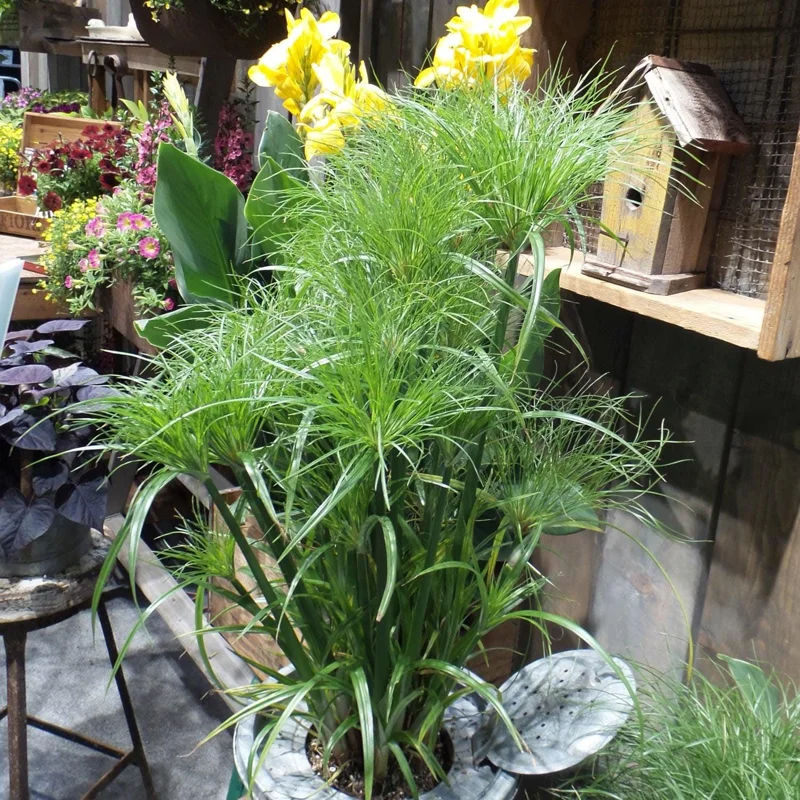
Prince Tut Papyrus Live Plant – 1 ft Tall – Ships in 6 inch Pot – Outdoor Aquatic Accent

Trees
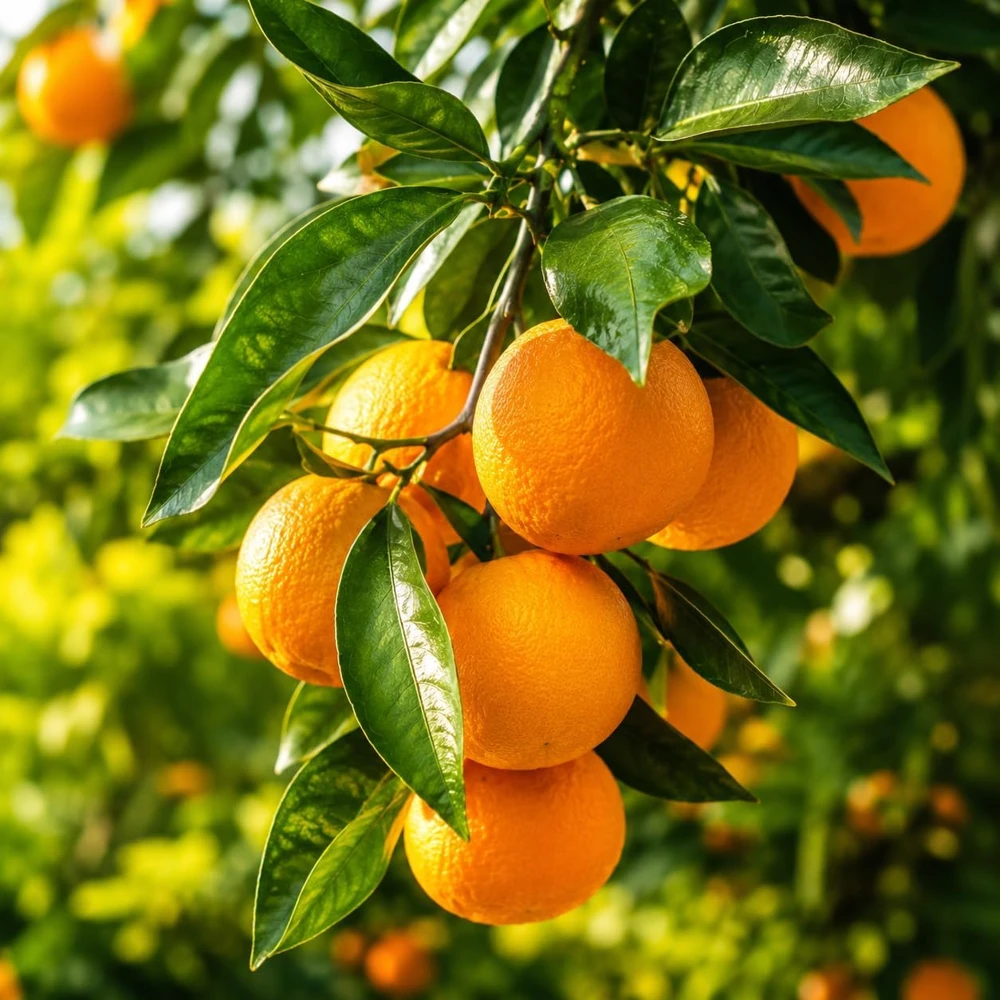
Owari Satsuma Mandarin Tree – Live Grafted Plant, 1 Gallon, 2 ft Tall – Cold Hardy Citrus Fruit
Reviews
There are no reviews yet.