

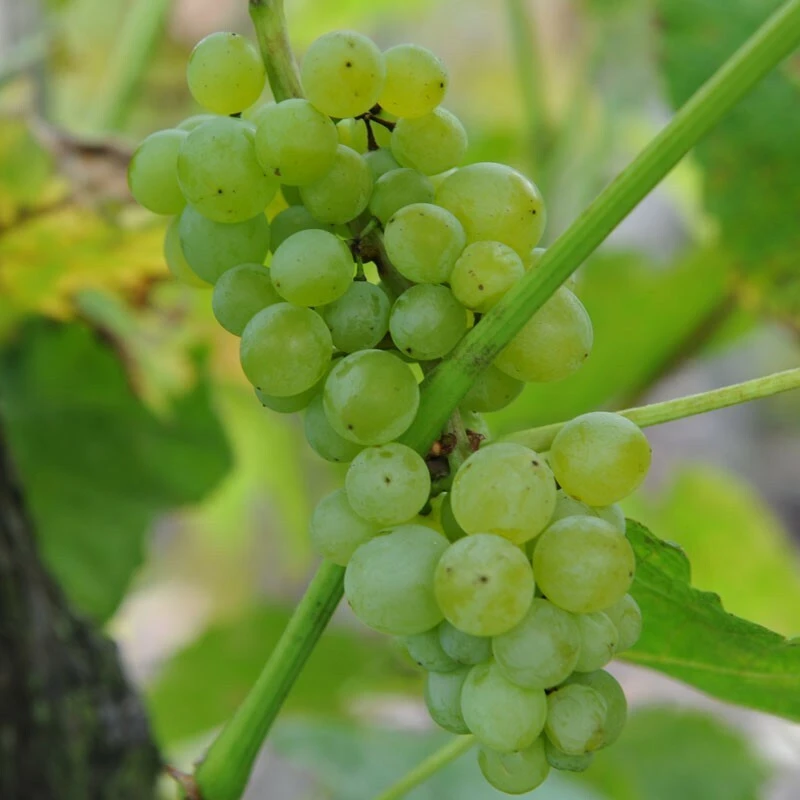
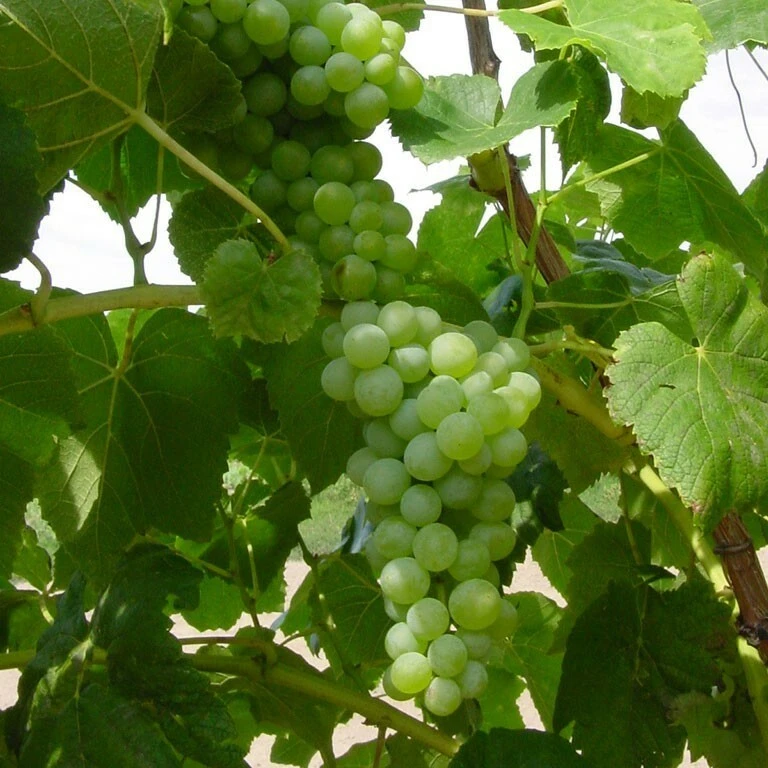
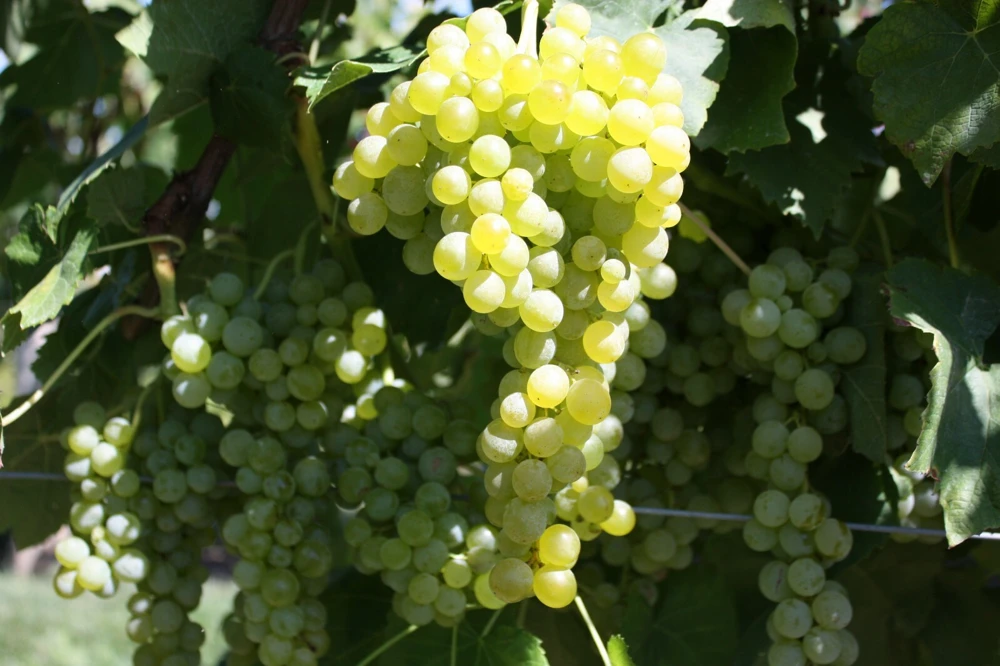
Lakemont Seedless Grape Vine Live Plant – 1-2 Year Old Outdoor Grape Plant
Original price was: $105.99.$85.99Current price is: $85.99.
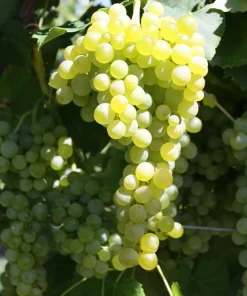
Cultivate your own sweet and juicy grapes with this lakemont grape vine plant. This 1-2 year old seedless grape plant is ready for planting and will provide abundant harvests of delicious fruit. Ideal for any home gardener looking to enjoy fresh, homegrown produce.
Estimated arrival
Oct 25
Oct 30 - Nov 01
Nov 04 - Nov 08
Shop With Confidence
30-Day Plant Health Guarantee
Arrives damaged? We’ll replace it free — see our return policy.
Responsive Support
Email us anytime, we reply within 1 business day.
Expert Packaging
Temperature-controlled shipping to protect your plants in transit.
Secure Checkout
Pay safely with Visa, Mastercard, PayPal.
Plant Specifications
-
USDA Hardiness Zone
USDA Zones 5-8 -
Soil Type
Well-draining, loamy soil -
Sunlight Exposure
Full Sun -
Expected Planting Period
Early spring
Overview
Embark on a rewarding gardening journey with the lakemont grape vine plant. This offering is for a healthy, 1-2 year old live vine, meticulously nurtured and ready for planting in your garden. The Lakemont grape is renowned for its luscious, seedless fruit, making it a favorite among home growers and gourmet enthusiasts alike. Originating from Cornell University, this variety is a hybrid known for its excellent productivity and cold hardiness, thriving in a variety of climates across the United States. Growing your own seedless grape plant not only provides a bountiful harvest but also adds a beautiful, verdant element to your landscape, whether trained on a trellis, arbor, or fence. Enjoy the satisfaction of plucking fresh, sweet grapes right from your backyard.
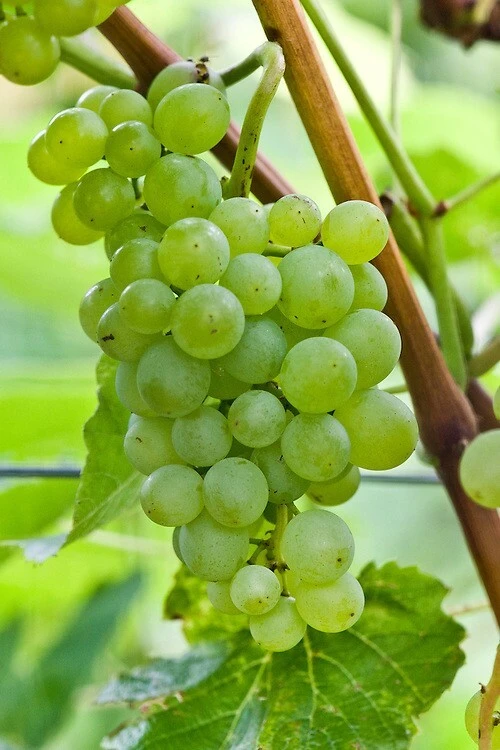
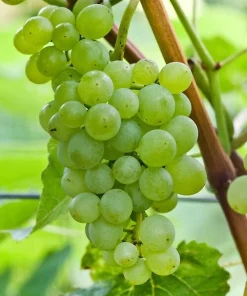
The Lakemont grape (Vitis ‘Lakemont’) is a highly sought-after table grape, celebrated for its medium-sized, amber-green berries that ripen in late summer to early fall. Its crisp texture and sweet, muscat-like flavor make it perfect for fresh eating, juices, jellies, or even homemade wine. This particular outdoor grape vine is robust and well-established, offering a significant head start compared to planting from seed. It’s an excellent choice for those new to viticulture as well as seasoned gardeners looking to expand their fruit-bearing collection with a reliable and high-yielding variety. Prepare for a season of delicious, homegrown goodness with this exceptional plant.
Key Benefits
Cultivating a lakemont grape vine plant offers a multitude of advantages, enhancing both your garden and your culinary experiences. This vigorous vine provides not only aesthetic appeal but also a delicious, healthy food source.
- Abundant Harvests: The Lakemont variety is known for its prolific fruiting, providing a generous yield of grapes each season. You’ll have plenty for fresh eating, preserving, and sharing with friends and family.
- Delicious Seedless Fruit: Enjoy the convenience and pleasure of sweet, juicy, seedless grapes. Their crisp texture and delightful flavor make them a perfect snack or addition to various dishes. This makes growing lakemont grapes particularly enjoyable.
- Landscape Enhancement: A thriving grape vine adds significant beauty and charm to your garden. Train it over an arbor, pergola, or trellis to create a stunning focal point, provide natural shade, and add a touch of Mediterranean elegance.
- Cold Hardy and Resilient: Lakemont grapes are bred for their resilience and ability to withstand colder temperatures, making them suitable for a broader range of growing zones compared to some other grape varieties.
- Versatile Culinary Use: Beyond fresh eating, these grapes are excellent for making homemade jams, jellies, juices, and even wine. Explore your culinary creativity with your own homegrown produce.
- Satisfying Gardening Experience: There’s immense satisfaction in nurturing a plant from a young vine to a productive fruit-bearer. Enjoy the process of watching your edible fruit plant flourish and reward you with its delicious bounty.
- Health Benefits: Grapes are packed with antioxidants, vitamins, and minerals, making them a healthy addition to your diet straight from your own garden.
Plant Care & Growing Tips
To ensure your lakemont grape vine plant thrives and produces a bountiful harvest, proper care and attention are essential. Grapes are relatively easy to grow once established, but they do require specific conditions to reach their full potential. Understanding these requirements will lead to a successful and fruitful gardening experience.
Sunlight Requirements: Lakemont grape vines require full sun exposure, meaning at least 6-8 hours of direct sunlight per day. Choose a location in your garden that receives ample sun throughout the growing season. Adequate sunlight is crucial for fruit development and ripening, contributing to the sweetness and flavor of the grapes. For optimal growth, an east or south-facing slope or wall is often ideal, as it provides good sun exposure and protection.
Watering Schedule and Soil Moisture: During the first year after planting, keep the soil consistently moist but not waterlogged to help the vine establish its root system. Once established, grape vines are relatively drought-tolerant, but consistent watering during dry periods, especially when the fruit is developing, will lead to larger, juicier grapes. Aim for deep watering sessions rather than frequent shallow ones, encouraging roots to grow deeper. Ensure good drainage to prevent root rot, which can be detrimental to your seedless grape plant.
Soil Type and Drainage: Grape vines prefer well-draining, loamy soil with a pH between 6.0 and 7.0. While they can tolerate a range of soil types, excellent drainage is paramount. If your soil is heavy clay, amend it with organic matter like compost or sand to improve drainage and aeration. Raised beds can also be an excellent solution for areas with poor natural drainage. Proper soil preparation before planting will significantly impact the long-term health and productivity of your lakemont grape vine plant.
Temperature Range and USDA Hardiness Zone: The Lakemont grape is known for its cold hardiness and is generally suitable for USDA Zones 5-8. It can tolerate winter temperatures down to around -10 to -20°F (-23 to -29°C). In colder zones, winter protection, such as mulching the base or covering the vine, may be beneficial. Ensure the vine is in a location that receives good air circulation to reduce the risk of fungal diseases, which can affect fruit quality. For successful growing lakemont grapes, understanding your local climate is key.
Fertilization Schedule and Type: Fertilize your grape vine sparingly, especially in its first year. Once established, a balanced fertilizer (e.g., 10-10-10) can be applied in early spring before new growth begins. Avoid excessive nitrogen, which promotes leafy growth at the expense of fruit production. Soil testing can help determine specific nutrient deficiencies. Organic fertilizers like compost or well-rotted manure can also be incorporated into the soil annually to improve fertility and structure.
Common Problems and Solutions: Grape vines can be susceptible to certain pests and diseases. Common issues include powdery mildew, black rot, and various insect pests. Good air circulation through proper pruning is your first line of defense. Regular inspection of your outdoor grape vine will help catch problems early. Organic fungicides and insecticides can be used if necessary, always following package directions. Maintaining a healthy, vigorous vine through proper care will naturally increase its resistance to problems.
Size & Details
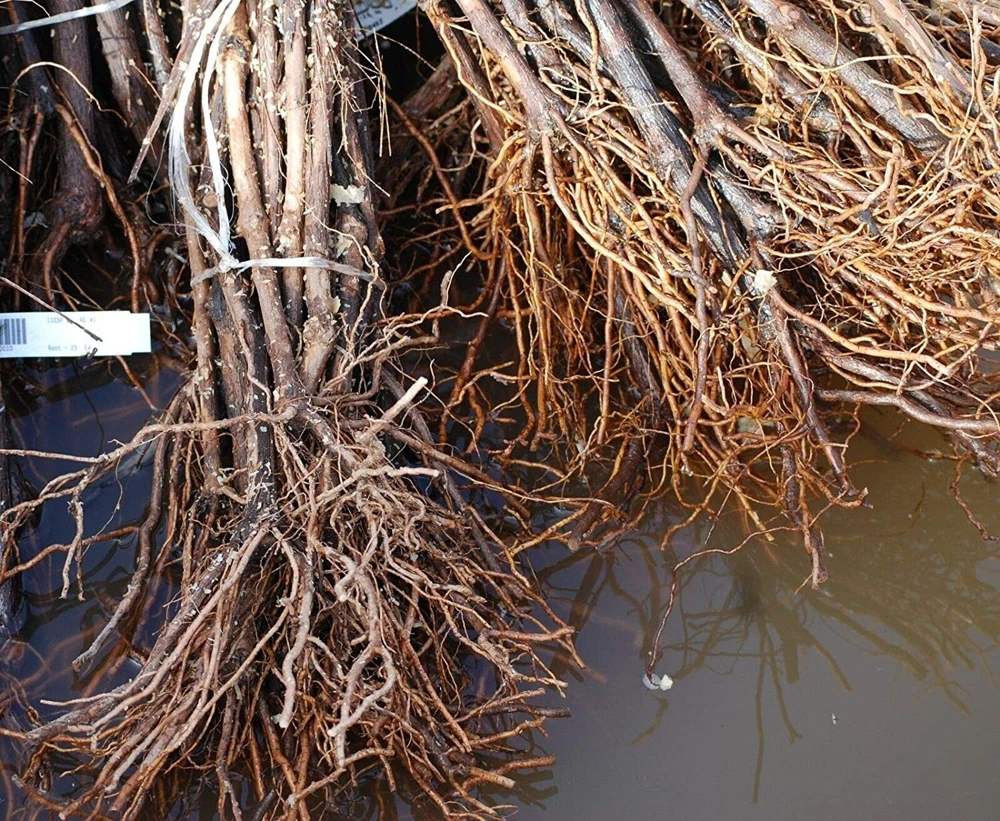
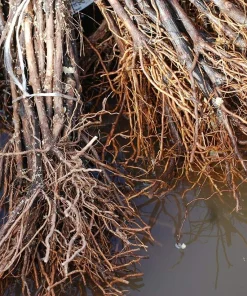
This offering is for one robust lakemont grape vine plant, typically 1-2 years old, ensuring it is well-rooted and ready for successful establishment in your garden. The vine will arrive securely packaged, often in a nursery pot or as a bare root, depending on the season and shipping method, to minimize stress during transit. Upon arrival, the plant will have a developed root system and some initial top growth, ready to be transplanted into its permanent outdoor location. While exact dimensions can vary, a 1-2 year old vine generally stands 12-24 inches tall above the soil line, with a healthy stem diameter.
The Lakemont grape is a moderately vigorous grower, and with proper care and support, it can reach lengths of 15-20 feet or more when mature. Its growth rate is considered medium to fast, allowing it to quickly establish and begin producing fruit within 1-3 years after planting, with significant harvests expected by the third to fifth year. This edible fruit plant is an investment that will continue to yield delicious seedless grapes for many years to come, becoming a cherished part of your home garden.
Frequently Asked Questions
- Q: How big does this Lakemont grape vine plant get? A: A mature lakemont grape vine plant can grow quite large, typically reaching lengths of 15-20 feet or more. Its size depends heavily on pruning and how it’s trained, whether on a trellis, arbor, or fence, making it a versatile outdoor grape vine.
- Q: What size pot does it come in? A: The 1-2 year old vine is typically shipped in a small nursery pot (e.g., 4-6 inch) or as a bare root plant, depending on the time of year and the seller’s practices. It’s ready for immediate transplanting into your garden.
- Q: Is this an indoor or outdoor plant? A: The Lakemont grape is specifically an outdoor grape vine, requiring full sun and space to grow. It is not suitable for long-term indoor cultivation, as it needs natural light cycles and significant space for its extensive root system and canopy.
- Q: How much sunlight does it need? A: This seedless grape plant thrives in full sun, which means it needs at least 6-8 hours of direct sunlight per day to produce a good crop of sweet grapes. Choose the sunniest spot in your garden.
- Q: Is this plant easy to care for? A: Growing lakemont grapes is considered moderately easy. While they require proper pruning, training, and attention to watering and sunlight, they are generally robust and rewarding for beginners and experienced gardeners alike.
- Q: What condition will it arrive in? A: Your lakemont grape vine plant will arrive well-packaged, either in a small pot with soil or as a bare root, ensuring it is healthy and ready for planting. We take care to protect the plant during transit.
- Q: Can I use Lakemont grapes in cooking? A: Absolutely! Lakemont grapes are excellent for fresh eating due to their seedless nature and sweet flavor. They are also perfect for making jams, jellies, juices, and can even be used in baking or savory dishes.
- Q: How long until it blooms and produces fruit? A: A 1-2 year old edible fruit plant like this Lakemont vine typically begins to bloom and set fruit within 1-3 years after planting. Significant harvests usually start around the third to fifth year.
- Q: Will it survive winter in my zone? A: The Lakemont grape is known for its cold hardiness and is suitable for USDA Zones 5-8. In colder parts of these zones, or if unusually severe winters are expected, some winter protection for the base of the vine may be beneficial.
- Q: When is the best time to plant this grape vine? A: The ideal time for planting grape vines is in early spring after the last threat of frost has passed, allowing the plant ample time to establish its root system before the heat of summer.
Be the first to review “Lakemont Seedless Grape Vine Live Plant – 1-2 Year Old Outdoor Grape Plant”
People Also Viewed

Vines
John Clayton Climbing Honeysuckle Vine – Lonicera Live Plant – 2.5″ Pot – Fragrant Yellow Blooms
Flower Seeds
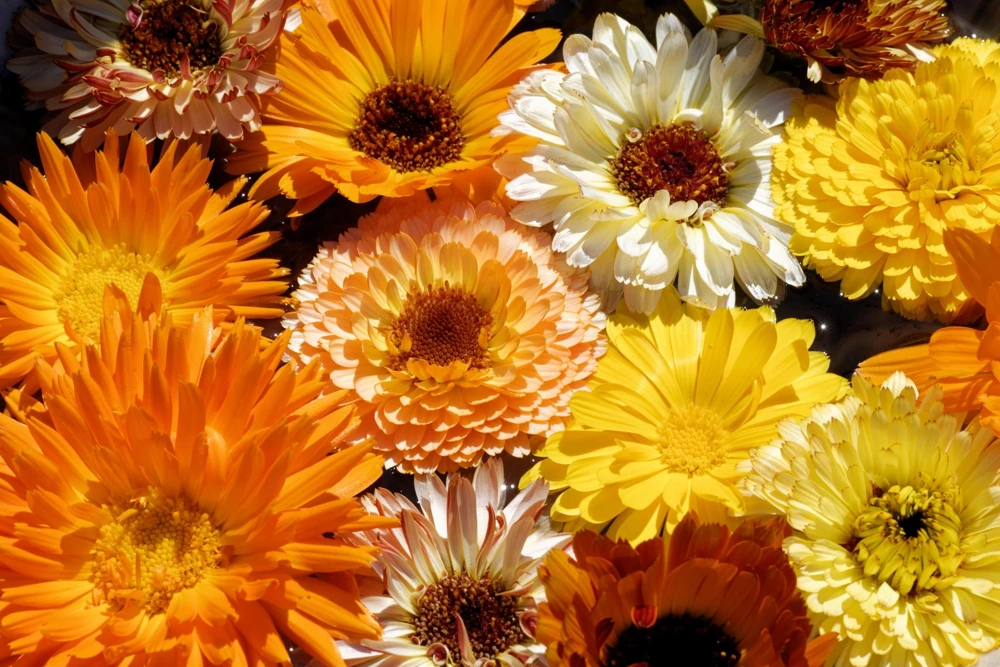
Marigold Fancy Mix Seeds – 500 Count – Orange, Yellow & Red Shades – Calendula Officinalis

Flower Seeds
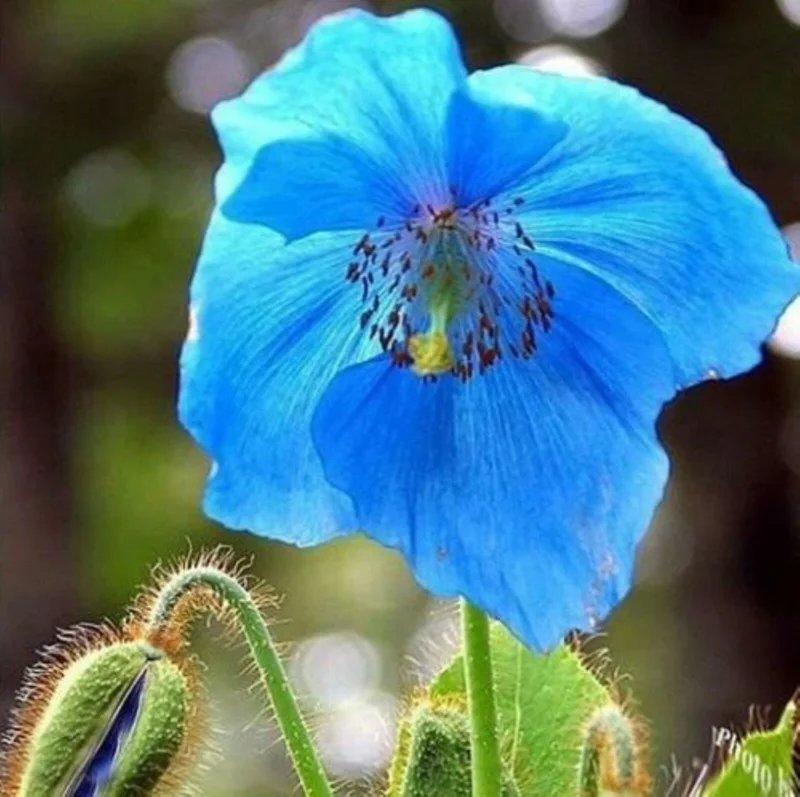
Himalayan Blue Poppy Seeds – Meconopsis Perennial Flowering – 200 Seeds – Indoor & Outdoor
Reviews
There are no reviews yet.