
Bob Gordon Elderberry Live Plant – Healthy Edible Shrub – Zones 4-8 Outdoor
Original price was: $84.99.$64.99Current price is: $64.99.
Cultivate your own delicious and healthy berries with the Bob Gordon Elderberry live plant. This robust, edible shrub is ideal for outdoor gardens in USDA Zones 4-8, offering beautiful foliage and abundant fruit. Perfect for adding a productive and attractive element to your landscape.
Out of stock
Estimated arrival
Oct 25
Oct 30 - Nov 01
Nov 04 - Nov 08
Shop With Confidence
30-Day Plant Health Guarantee
Arrives damaged? We’ll replace it free — see our return policy.
Responsive Support
Email us anytime, we reply within 1 business day.
Expert Packaging
Temperature-controlled shipping to protect your plants in transit.
Secure Checkout
Pay safely with Visa, Mastercard, PayPal.
Plant Specifications
-
USDA Hardiness Zone
USDA Zones 4-8 -
Soil Type
Well-draining, rich in organic matter -
Sunlight Exposure
Full Sun, Medium Sun -
Expected Planting Period
Spring to early summer
Overview
Bring the joy of homegrown fruit and the beauty of a lush shrub to your garden with the Bob Gordon Elderberry live plant. This particular variety, known for its vigorous growth and bountiful harvests, is a fantastic choice for both novice and experienced gardeners. Elderberries, scientifically known as Sambucus canadensis, are renowned for their dark, antioxidant-rich berries, which can be used in a variety of culinary applications, from jams and pies to syrups and wines. The ‘Bob Gordon’ cultivar is specifically prized for its large, sweet berries and strong growth habit, making it a reliable addition to any edible landscape. This healthy, rooted plant is ready to establish itself in your garden, providing years of enjoyment and delicious produce. It’s an excellent investment for those interested in sustainable gardening and natural wellness.
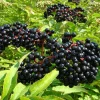
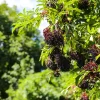
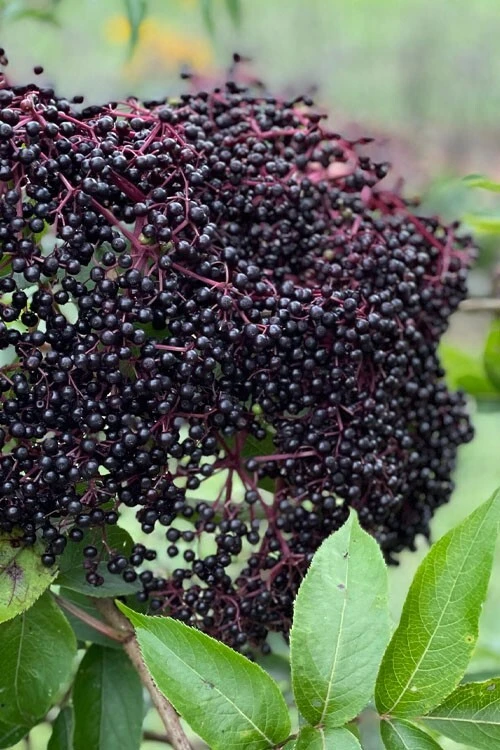
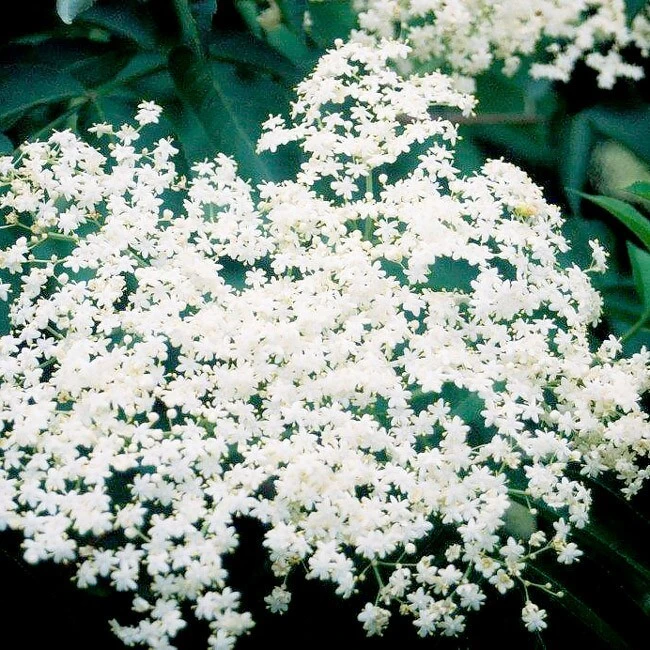
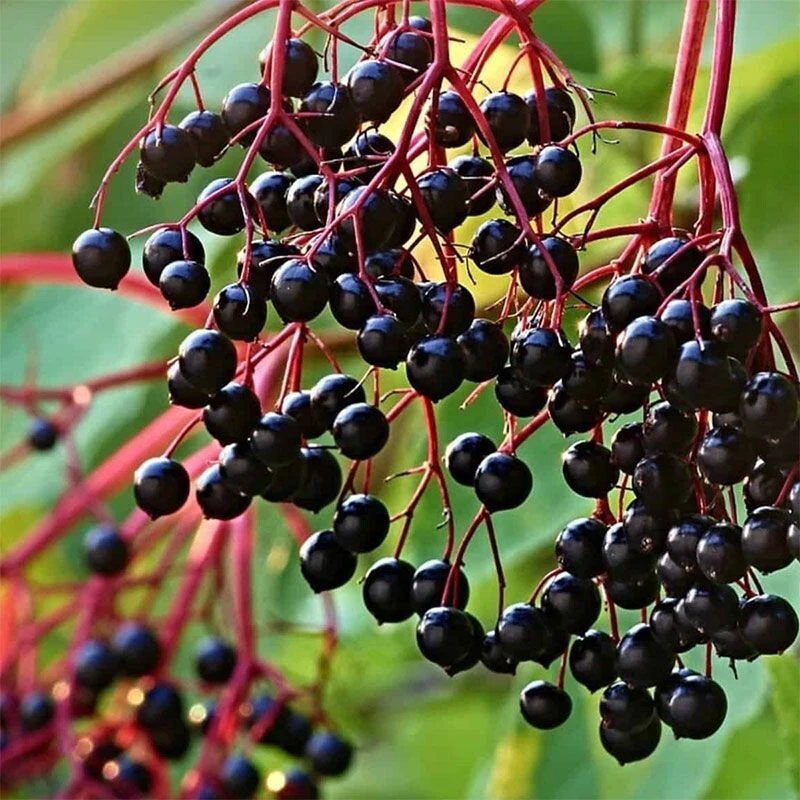
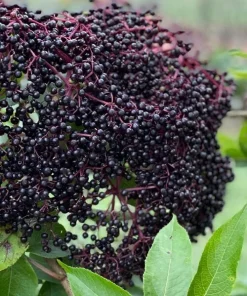
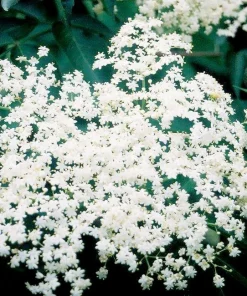
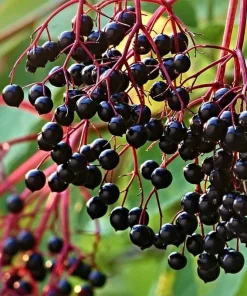
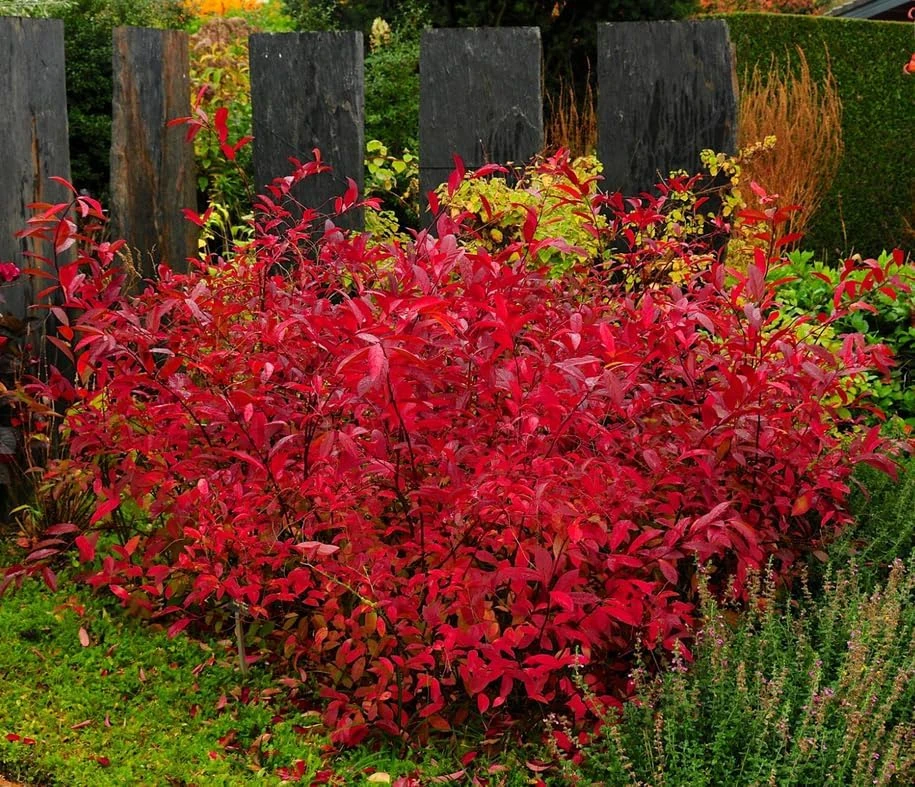
The Bob Gordon Elderberry live plant is not just productive; it’s also an attractive landscape feature. In spring, it bursts forth with creamy white flower clusters that are both fragrant and visually appealing. These flowers, too, can be harvested and used in culinary creations like elderflower cordial. As summer progresses, the flowers give way to clusters of deep purple-black berries, which ripen in late summer to early fall. This deciduous shrub offers seasonal interest throughout the year, from its fresh green leaves in spring and summer to its vibrant autumn foliage. The adaptability of this elderberry makes it a popular choice for a wide range of garden styles and climates, particularly within its recommended hardiness zones.
Key Benefits
Choosing to add a Bob Gordon Elderberry live plant to your garden comes with a multitude of advantages, enhancing both your landscape and your lifestyle. This versatile shrub provides not only aesthetic appeal but also significant practical benefits, making it a valuable addition to any outdoor space.
-
Abundant Edible Berries: The ‘Bob Gordon’ variety is celebrated for its prolific production of large, sweet elderberries. These berries are perfect for making delicious jams, jellies, pies, syrups, and even wine, offering a fresh, homegrown source of fruit for your kitchen.
-
High in Antioxidants: Elderberries are well-known for their impressive nutritional profile, particularly their high concentration of antioxidants and vitamins. Incorporating these berries into your diet can support overall wellness and provide a natural boost.
-
Attractive Ornamental Value: Beyond its fruit, the Bob Gordon Elderberry live plant offers significant visual appeal. Its lush green foliage, delicate white spring flowers, and clusters of dark berries in late summer create a charming presence in the garden throughout the growing season.
-
Pollinator Friendly: The fragrant white flowers of the elderberry attract a variety of pollinators, including bees and butterflies, to your garden. This supports local biodiversity and can benefit the pollination of other plants in your landscape.
-
Adaptable and Hardy: This elderberry shrub is remarkably resilient, thriving in a wide range of soil conditions and tolerating various environmental stresses. It is particularly well-suited for elderberry for zones 4-8, making it a reliable choice for many North American climates.
-
Easy to Grow: Known for its relatively low maintenance requirements, growing elderberries is a rewarding experience even for beginner gardeners. With proper initial planting and basic care, this shrub will flourish and produce fruit for many years.
Plant Care & Growing Tips
Proper elderberry plant care ensures a healthy, productive shrub. The Bob Gordon Elderberry live plant thrives in full sun to partial sun conditions, requiring at least 6 hours of direct sunlight per day for optimal berry production. While it can tolerate some shade, a sunnier location will yield more fruit. When selecting a planting site, consider its mature size, as elderberries can grow into substantial shrubs. Ensure good air circulation around the plant to prevent fungal issues.
Elderberries prefer consistently moist, well-draining soil. They are adaptable to various soil types but perform best in slightly acidic to neutral soil (pH 5.5-7.0) enriched with organic matter. When planting, amend the soil with compost to improve fertility and drainage. Water deeply and regularly, especially during dry spells and in the first year after planting, to help establish a strong root system. Avoid waterlogging, as this can lead to root rot. Mulching around the base of the plant can help retain soil moisture and suppress weeds, contributing to successful growing elderberries.
Fertilize your elderberry plant in early spring with a balanced, all-purpose fertilizer or a layer of well-rotted compost. Pruning is essential for maintaining plant health and maximizing fruit yield. In late winter or early spring, remove any dead, damaged, or crossing branches. Elderberries produce fruit on one-year-old wood, so a common pruning strategy is to remove older, less productive canes to encourage new growth. For elderberry for zones 4-8, consider winter protection if extreme cold is anticipated, although this variety is quite hardy. Regular monitoring for pests and diseases, though generally few, will help keep your plant thriving.
Size & Details
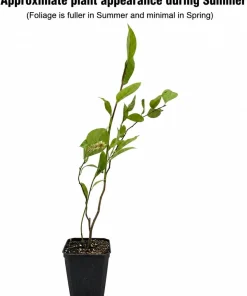
This offering is for one healthy, rooted Bob Gordon Elderberry live plant, typically shipped as a 1-2 year old specimen. Upon arrival, the plant will have an established root system, ready for transplanting into your garden or a larger container. Elderberry shrubs are fast-growing, quickly reaching a mature size of 6-10 feet tall and wide, creating a substantial and productive bush. The exact size at shipment may vary based on seasonal growth and nursery practices, but each plant is selected for vitality and readiness to thrive.
The ‘Bob Gordon’ cultivar is known for its robust growth habit and large berry clusters. Expect your plant to begin producing fruit within 1-2 years after planting, with increasing yields as it matures. Berries typically ripen in late summer to early fall. This edible elderberry shrub is a long-lived perennial, providing many seasons of harvest with proper care. It is an outdoor plant, suitable for a permanent location in your garden landscape.
Frequently Asked Questions
-
Q: How big does this plant get? A: The Bob Gordon Elderberry live plant typically grows to a mature size of 6-10 feet tall and wide, forming a dense, productive shrub. Its vigorous growth habit allows it to establish quickly in your garden.
-
Q: Is this an indoor or outdoor plant? A: This is an outdoor plant. The Bob Gordon Elderberry live plant is a hardy shrub specifically bred to thrive in garden settings within USDA Zones 4-8, making it unsuitable for long-term indoor cultivation.
-
Q: How much sunlight does it need? A: For optimal fruit production and healthy growth, the elderberry requires full sun to partial sun exposure, meaning at least 6 hours of direct sunlight per day. Adequate sunlight is key for successful growing elderberries.
-
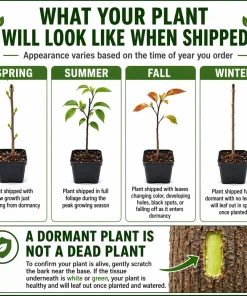
Q: What condition will it arrive in? A: Your Bob Gordon Elderberry live plant will arrive as a healthy, rooted plant, carefully packaged to ensure its safety during transit. It will be ready for immediate planting upon arrival, though some minor leaf stress from shipping is normal.
-
Q: Is this plant easy to care for? A: Yes, elderberries are generally considered easy to care for, making them suitable for gardeners of all experience levels. With basic attention to sunlight, water, and occasional pruning, you can enjoy a productive edible elderberry shrub.
-
Q: When is the best time to plant? A: The best time to plant your elderberry is in spring after the last frost, or in early fall before the ground freezes. This allows the plant ample time to establish its root system before extreme weather conditions.
-
Q: Will it survive winter in my zone? A: Yes, the Bob Gordon Elderberry live plant is specifically hardy for USDA Zones 4-8. This means it is well-equipped to survive winter temperatures within these zones, often going dormant and returning vigorously in spring.
-
Q: What are the best uses for the elderberries? A: The berries are excellent for culinary uses such as making jams, jellies, pies, syrups, and wine. They are also popular for their potential wellness benefits due to their high antioxidant content.
-
Q: Do I need more than one plant for fruit production? A: While elderberries are self-fertile, planting another elderberry variety nearby can often result in higher yields due to improved cross-pollination. This is a good strategy for maximizing your harvest when growing elderberries.
-
Q: What type of soil does it prefer? A: Elderberries prefer well-draining soil that is rich in organic matter. They can tolerate a range of soil types but thrive best in slightly acidic to neutral conditions. Good drainage is crucial for healthy root development.
Be the first to review “Bob Gordon Elderberry Live Plant – Healthy Edible Shrub – Zones 4-8 Outdoor”
People Also Viewed

Herbs
Set of 2 Lavender Live Plants, 4-6 Inches Tall, Fragrant Flowering Shrub for Outdoor Garden & Patio
Reviews
There are no reviews yet.