
Yellow False Indigo Seeds – 100 Count, Perennial Herb, Outdoor Garden
Original price was: $37.59.$17.59Current price is: $17.59.
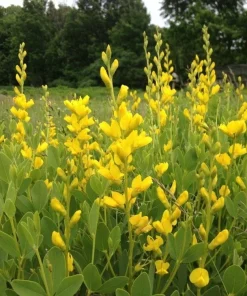
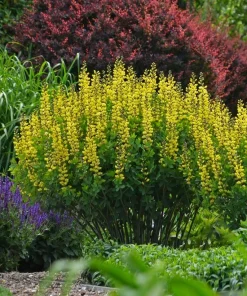
Discover the beauty of yellow false indigo seeds for your garden. This perennial herb, also known as baptisia tinctoria seeds, produces lovely yellow flowers and is a great addition to any outdoor landscape. Attract pollinators and add vibrant color with these easy-to-grow seeds.
Estimated arrival
Oct 15
Oct 20 - Oct 22
Oct 25 - Oct 29
Shop With Confidence
30-Day Plant Health Guarantee
Arrives damaged? We’ll replace it free — see our return policy.
Responsive Support
Email us anytime, we reply within 1 business day.
Expert Packaging
Temperature-controlled shipping to protect your plants in transit.
Secure Checkout
Pay safely with Visa, Mastercard, PayPal.
Plant Specifications
-
USDA Hardiness Zone
USDA Zones 3-9 -
Soil Type
Well-draining soil (clay, loam, peat, saline tolerant) -
Sunlight Exposure
Full sun -
Expected Planting Period
Late fall to early spring
Overview
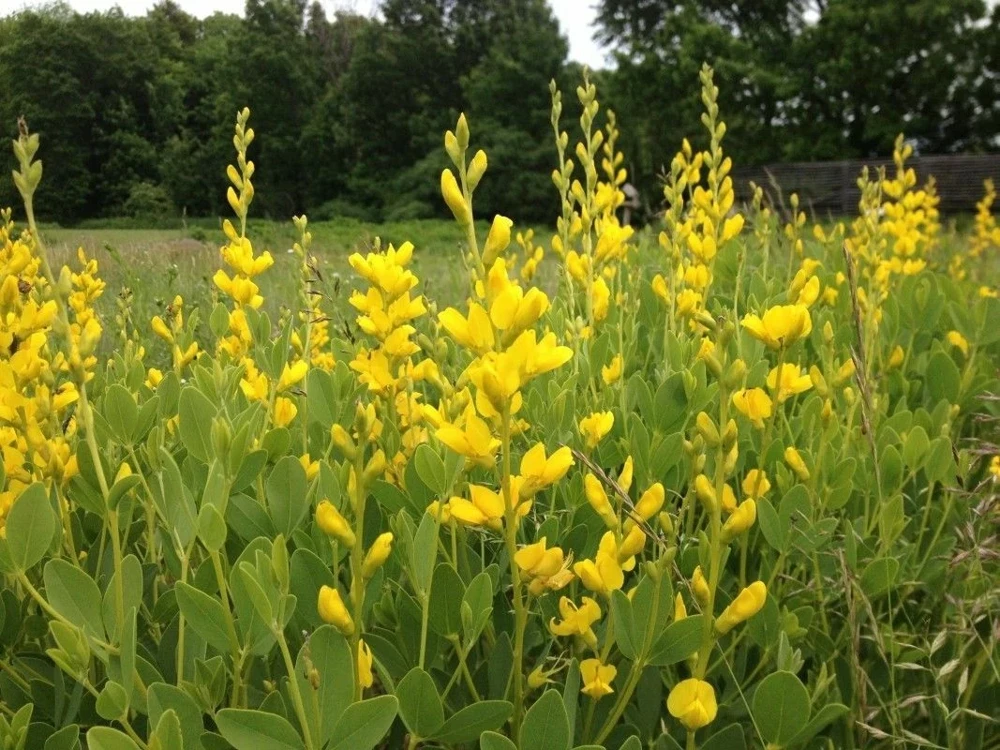
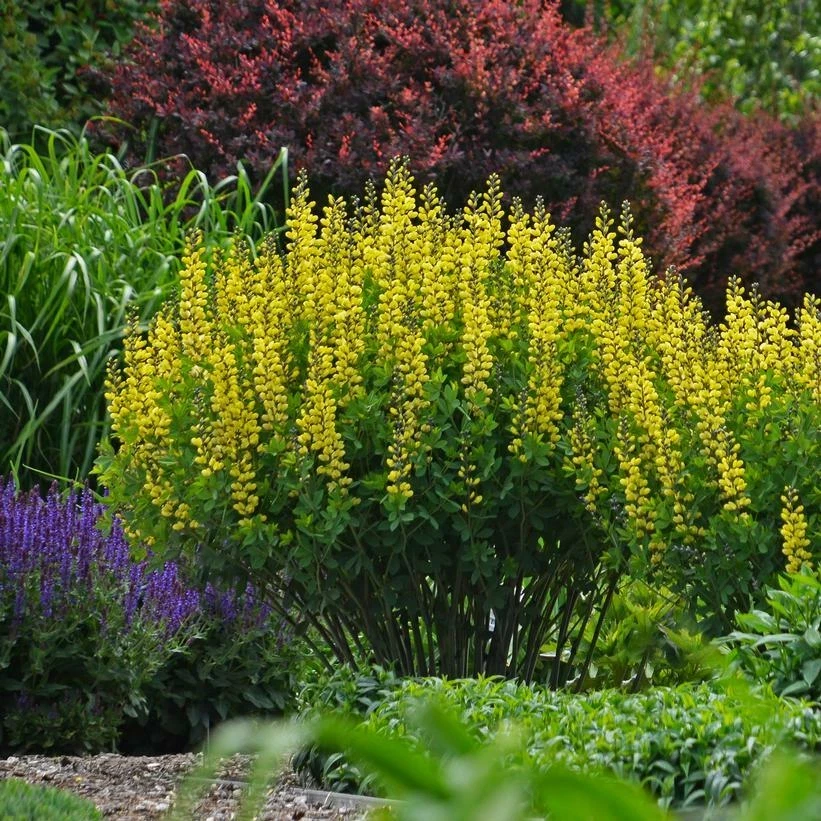
Cultivate a striking display in your garden with our premium yellow false indigo seeds. Each packet contains 100 viable seeds, ready to transform your landscape into a vibrant haven. Yellow False Indigo, scientifically known as Baptisia tinctoria, is a robust and attractive perennial herb native to North America. These seeds will grow into bushy plants that produce charming bright yellow, pea-like flowers on tall spikes, typically blooming in late spring to early summer. Ideal for naturalizing, cottage gardens, or pollinator-friendly landscapes, yellow false indigo seeds offer both beauty and ecological benefits. This hardy plant is a member of the legume family and is known for its resilience and ability to thrive in various conditions, making it a fantastic choice for both experienced gardeners and those just starting their planting journey. Growing baptisia tinctoria seeds contributes to biodiversity and supports local ecosystems.
Key Benefits
Planting yellow false indigo seeds brings numerous advantages to your garden and the local environment. These versatile plants are not only visually appealing but also offer significant ecological value. Here are some of the key benefits:
- Pollinator Attraction: The bright yellow flowers are a magnet for bees, butterflies, and other beneficial pollinators, helping to support local insect populations and improve garden health.
- Low Maintenance: Once established, Yellow False Indigo is incredibly drought-tolerant and requires minimal care, making it perfect for gardeners seeking beautiful plants without constant attention.
- Nitrogen Fixation: As a legume, this plant naturally fixes nitrogen in the soil, enriching it and benefiting surrounding plants without the need for chemical fertilizers.
- Deer Resistant: Its foliage is generally unappealing to deer, providing a natural deterrent and protecting your garden from unwanted browsing.
- Long Bloom Period: Enjoy a prolonged display of cheerful yellow blooms from late spring through early summer, adding consistent color to your landscape.
- Architectural Interest: The upright growth habit and distinctive flower spikes provide strong vertical elements and structural interest in garden beds, even after blooming.
- Native Plant Benefits: Choosing native plant seeds like these helps preserve local flora and fauna, creating a more sustainable and resilient garden ecosystem.
Plant Care & Growing Tips
Growing yellow false indigo seeds is a rewarding experience, and with a few simple guidelines, you can ensure a thriving plant. Yellow False Indigo (Baptisia tinctoria) prefers a location that receives full sun, meaning at least six hours of direct sunlight per day. While it can tolerate some partial shade, especially in hotter climates, full sun encourages the best flowering and strongest growth. For optimal results, consider scarifying the seeds by lightly scratching their hard outer coat, and then cold stratify them for 30-60 days before planting. This mimics natural winter conditions and improves germination rates for these perennial legume seeds.
When it comes to soil, Yellow False Indigo is quite adaptable but performs best in well-draining soil. It can tolerate poor to average soil conditions, including clay, loam, peat, and even saline soils, as long as drainage is adequate. Avoid overly wet or waterlogged conditions, as this can lead to root rot. Once established, these plants are highly drought-tolerant and require infrequent watering. During their first growing season, provide regular watering to help them establish strong root systems. Fertilization is generally not necessary due to their nitrogen-fixing capabilities, which naturally enrich the soil. These plants are hardy in USDA zones 3-9, making them suitable for a wide range of climates. Watch out for common garden pests, though they are generally quite resistant. Ensuring proper spacing will allow for good air circulation and reduce the chance of fungal issues, contributing to a healthy wildflower garden seeds planting.
Size & Details
This offering includes 100 count yellow false indigo seeds, providing ample opportunity to establish a beautiful patch of this remarkable perennial. Once mature, Yellow False Indigo plants typically reach a height of 2 to 4 feet with a similar spread, forming an attractive, bushy mound. They have a medium growth rate, establishing themselves well within a season or two. The seeds are intended for planting in the upcoming growing season, ideally for 2025 or beyond, ensuring fresh viability. These baptisia tinctoria seeds will develop into robust plants that bloom with vibrant yellow flowers, adding significant visual appeal to your garden space for many years. The mature plants are known for their deep taproots, which contribute to their drought tolerance and make them difficult to transplant once fully established. Plan your planting location carefully to make the most of these beautiful and beneficial plants.
Frequently Asked Questions
- Q: How big does this plant get? A: Yellow False Indigo typically grows to a height of 2 to 4 feet and can spread equally wide, forming a substantial bushy plant in your garden or landscape.
- Q: Is this an indoor or outdoor plant? A: Yellow false indigo seeds are specifically for outdoor cultivation. This perennial thrives in garden beds and naturalized areas, and is not suited for indoor growing.
- Q: How much sunlight does it need? A: This plant requires full sun, meaning at least 6 hours of direct sunlight per day, to produce the best blooms and maintain a healthy growth habit.
- Q: Is this plant easy to care for? A: Yes, once established, Yellow False Indigo is considered a very low-maintenance plant. It is drought-tolerant and generally pest and disease resistant, making it an excellent choice for beginners.
- Q: What condition will it arrive in? A: You will receive 100 count yellow false indigo seeds in a protective packet, ready for planting. These are fresh seeds suitable for the next growing season.
- Q: When is the best time to plant these seeds? A: For best results, sow these perennial legume seeds in late fall or early spring after scarification and cold stratification to mimic natural conditions.
- Q: Will it survive winter in my zone? A: Yellow False Indigo is very hardy and can survive winters in USDA Hardiness Zones 3 through 9, making it suitable for a wide range of climates across the US.
- Q: Can these seeds attract specific pollinators? A: Yes, the yellow flowers are particularly attractive to native bees, bumblebees, and various butterfly species, making them excellent wildflower garden seeds for supporting local wildlife.
- Q: Do I need to fertilize my Yellow False Indigo? A: Generally, no. As a legume, Baptisia tinctoria seeds grow into plants that fix nitrogen in the soil, reducing or eliminating the need for additional fertilization.
- Q: What type of soil is best for these native plant seeds? A: Yellow False Indigo prefers well-draining soil but is highly adaptable to various soil types, including clay, loam, and sandy soils, as long as they don’t stay waterlogged.
Be the first to review “Yellow False Indigo Seeds – 100 Count, Perennial Herb, Outdoor Garden”
People Also Viewed
Flower Seeds
Apricot Peach Mix Strawflower Seeds – Organic Everlasting Blooms for Bouquets – 25 Seeds
Reviews
There are no reviews yet.