
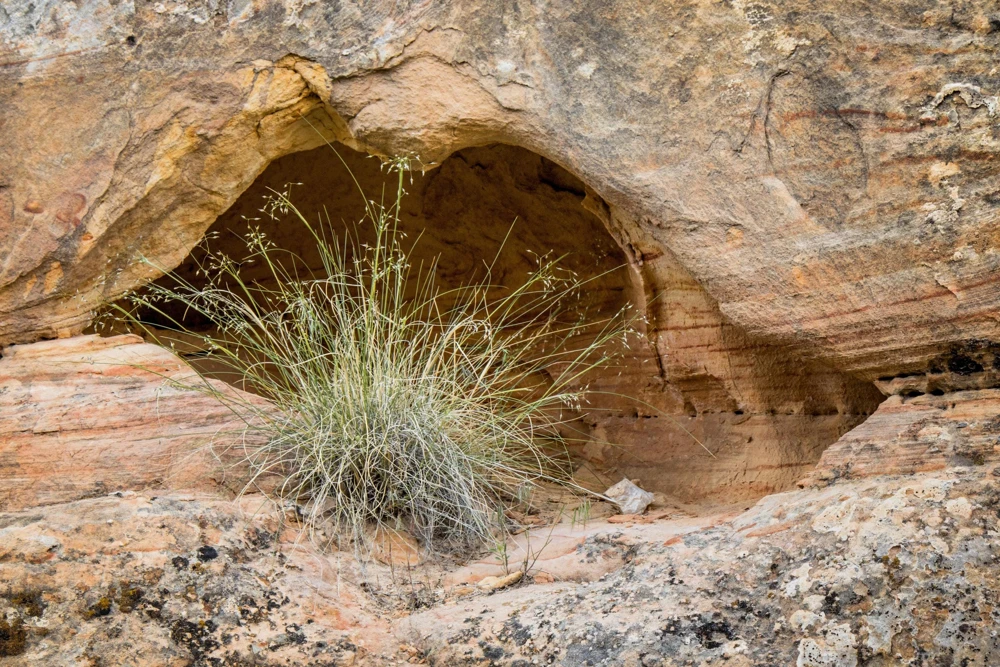
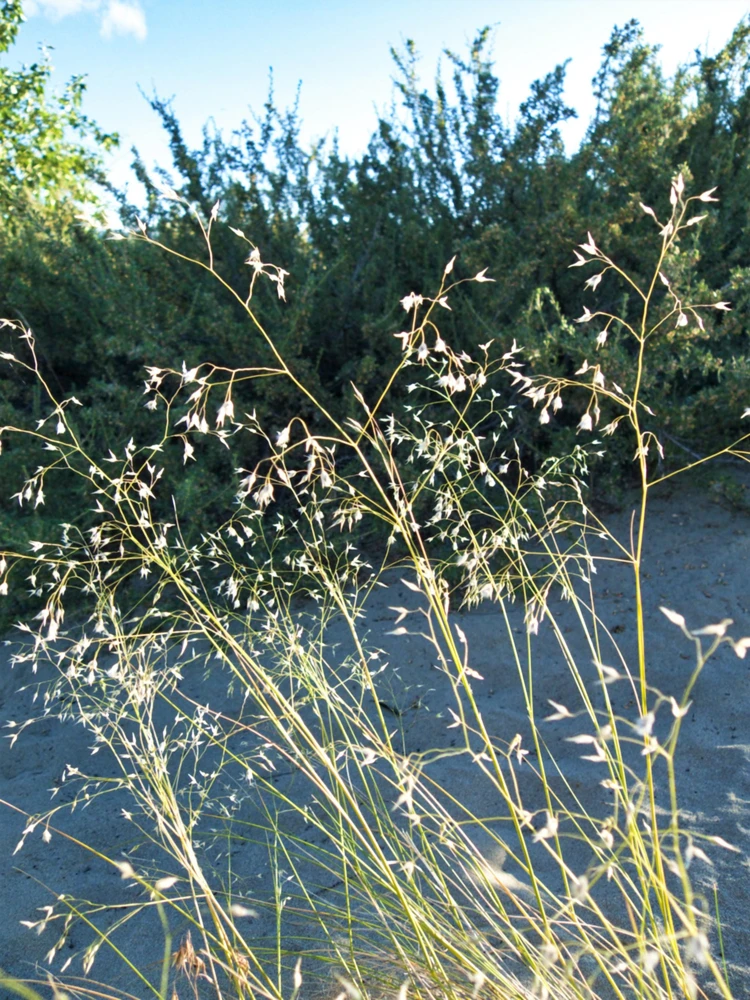
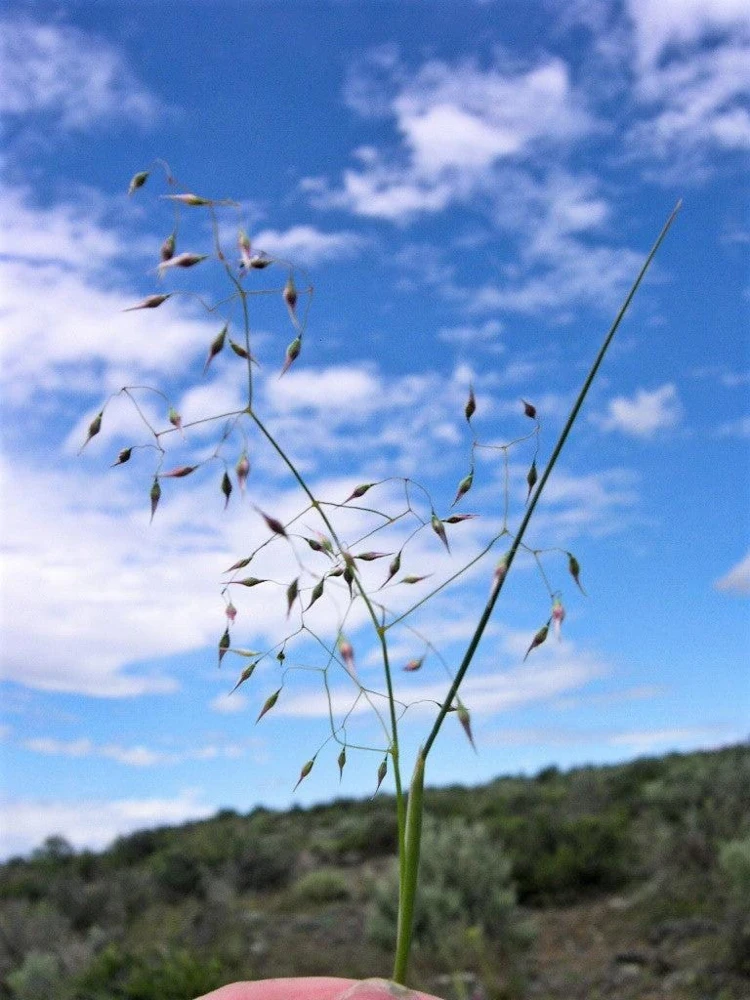
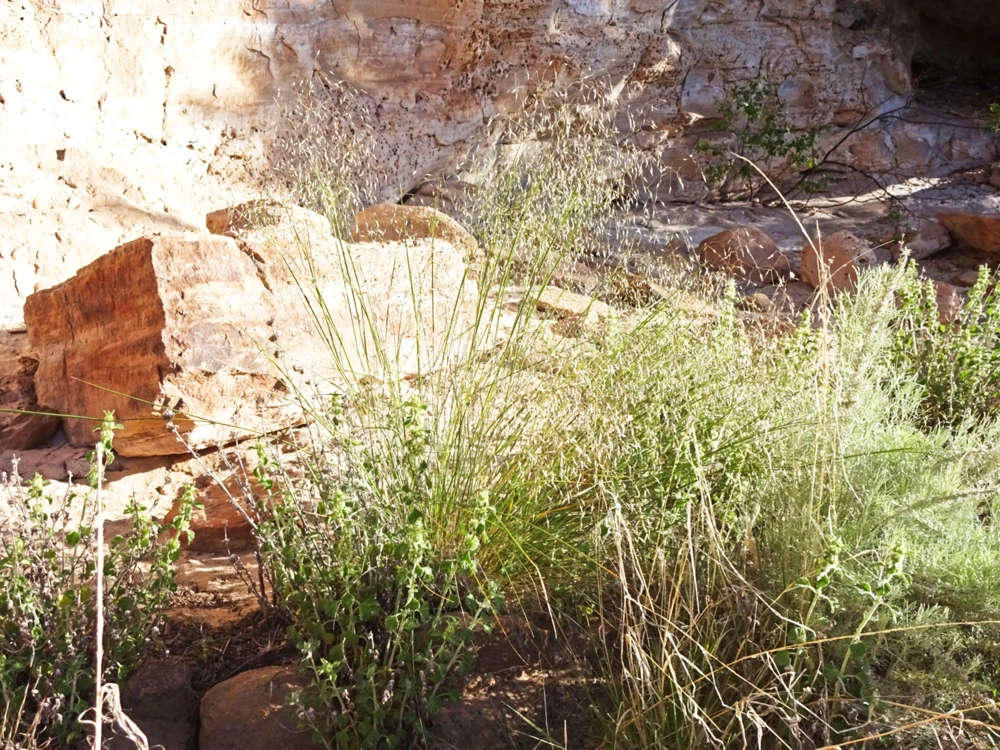
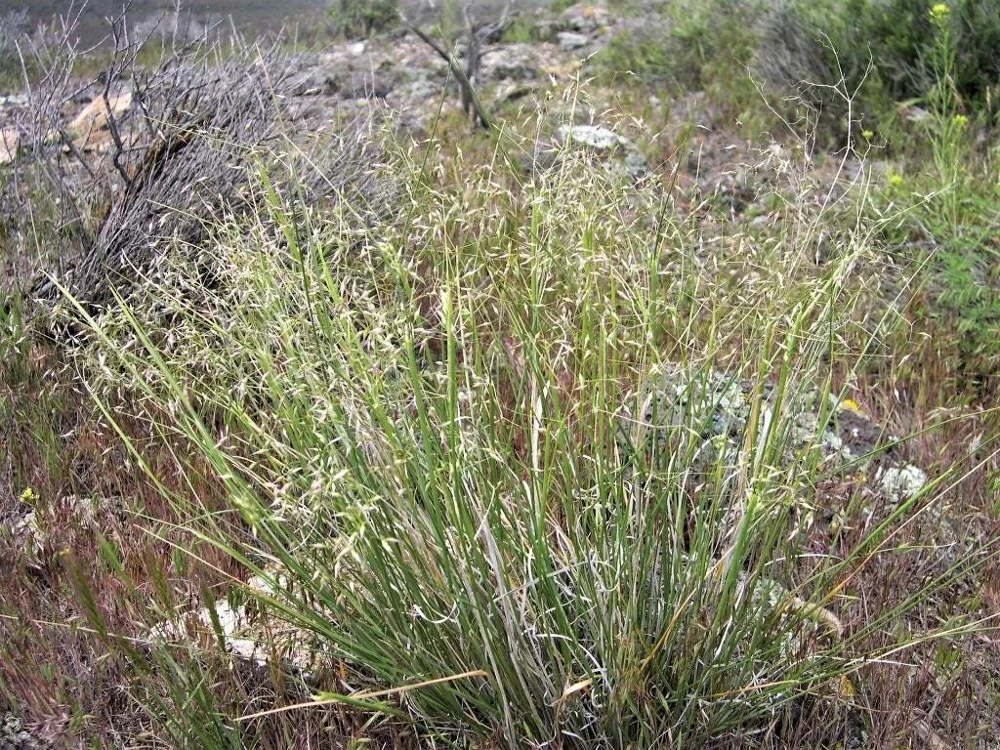
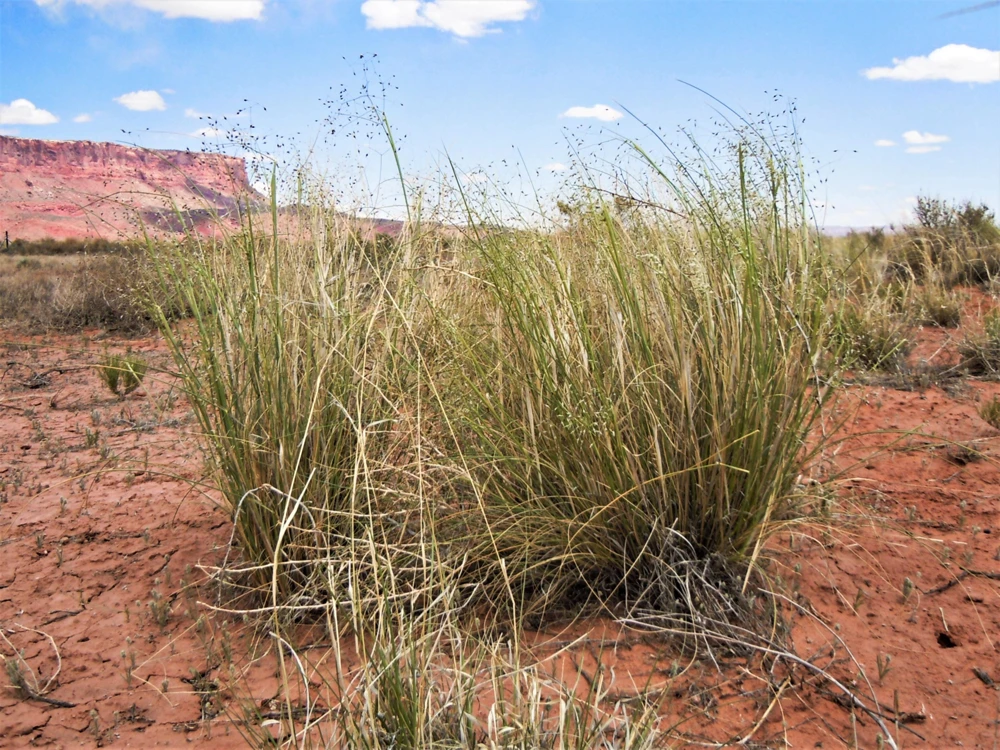
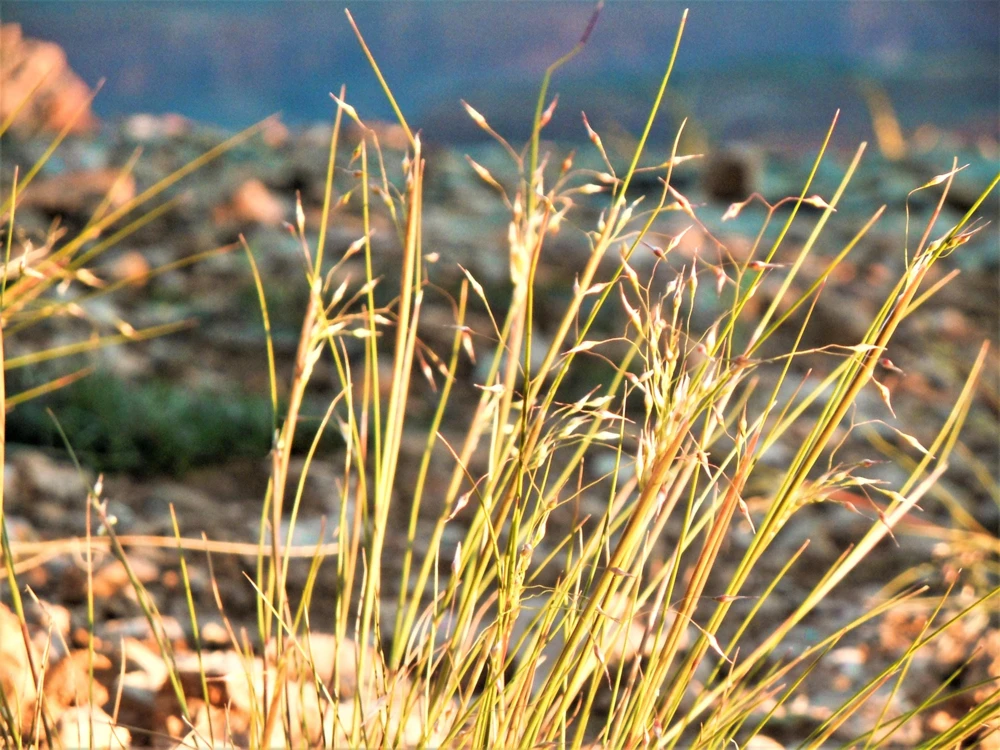
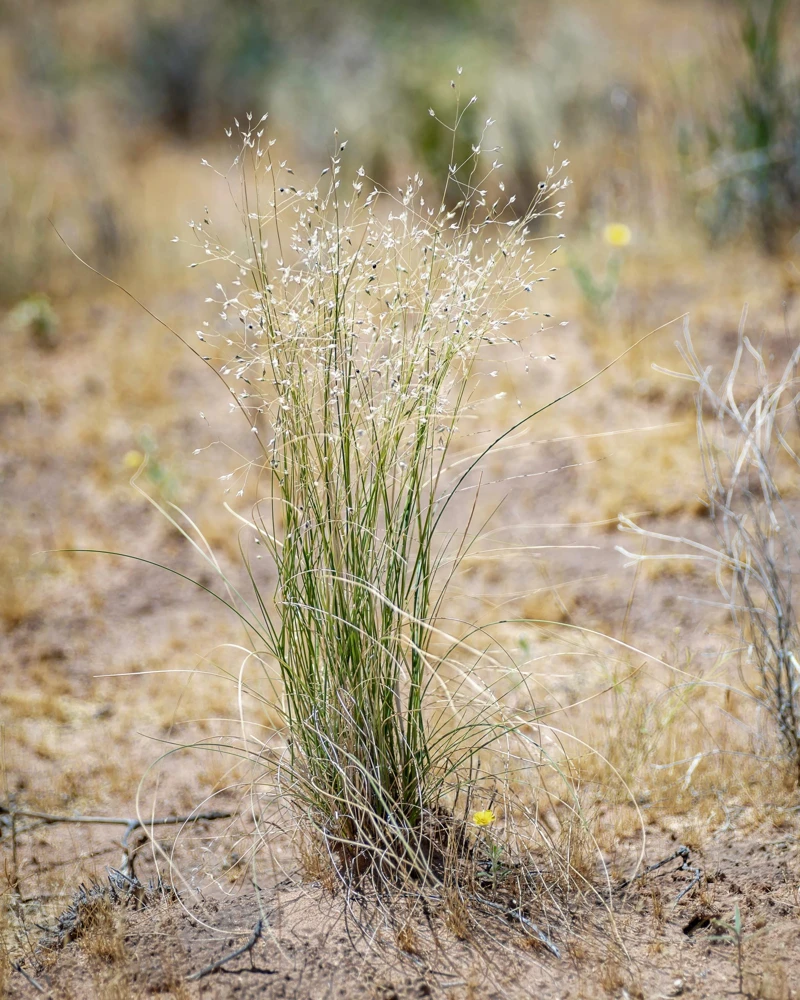
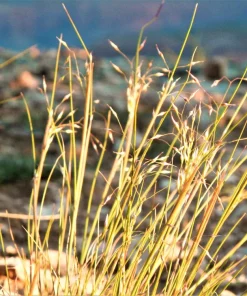
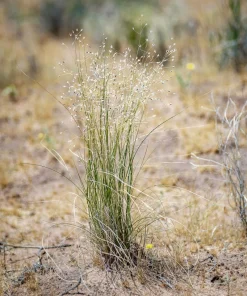
Indian Ricegrass Nezpar Seeds – 500 Count Native Sand Rice Grass Seeds for Zones 3-10
Original price was: $36.99.$16.99Current price is: $16.99.
Cultivate a beautiful, drought-tolerant landscape with Indian Ricegrass seeds (Oryzopsis Hymenoides ‘Nezpar’). This pack contains 500 premium seeds of this versatile native grass, perfect for adding texture and ecological value to your garden. Ideal for zones 3-10, it’s a low-maintenance choice for gardeners seeking sustainable options.
Estimated arrival
Sep 14
Sep 19 - Sep 21
Sep 24 - Sep 28
Shop With Confidence
30-Day Plant Health Guarantee
Arrives damaged? We’ll replace it free — see our return policy.
Responsive Support
Email us anytime, we reply within 1 business day.
Expert Packaging
Temperature-controlled shipping to protect your plants in transit.
Secure Checkout
Pay safely with Visa, Mastercard, PayPal.
Plant Specifications
-
USDA Hardiness Zone
3 - 10 -
Soil Type
Average - Dry, well-draining soil -
Sunlight Exposure
Full Sun -
Expected Planting Period
Fall (outdoors) / Indoors weeks before last frost (after cold stratification)
Overview
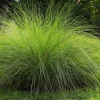
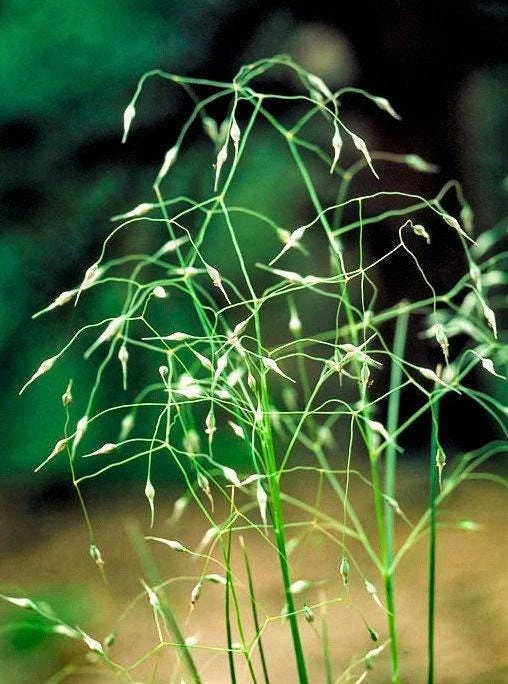
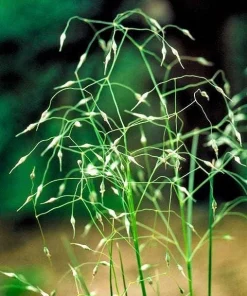
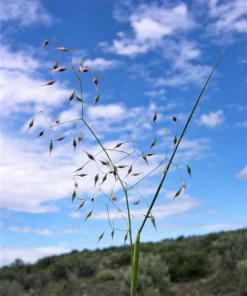
Transform your landscape with Indian Ricegrass seeds, specifically the ‘Nezpar’ cultivar, available in a convenient pack of 500 seeds. Known scientifically as Oryzopsis Hymenoides (also recognized as Achnatherum Hymenoides, Stipa Hymenoides, or Eriocoma Cuspidata), this remarkable native grass is a staple for sustainable gardening and ecological restoration efforts. Often called Indian Millet, Sandgrass, or Sand Rice Grass, it’s celebrated for its resilience and adaptability. These seeds offer an excellent opportunity to establish a beautiful, drought-tolerant, and low-maintenance groundcover or accent plant that thrives in a wide range of conditions. The ‘Nezpar’ variety is particularly noted for its robust growth and ability to flourish where other grasses struggle, making it an invaluable addition to xeriscapes, naturalized areas, and erosion control projects. Its delicate yellow-green flowers and later white seedheads add subtle beauty to the landscape from late spring through summer, providing interest and food for local wildlife.
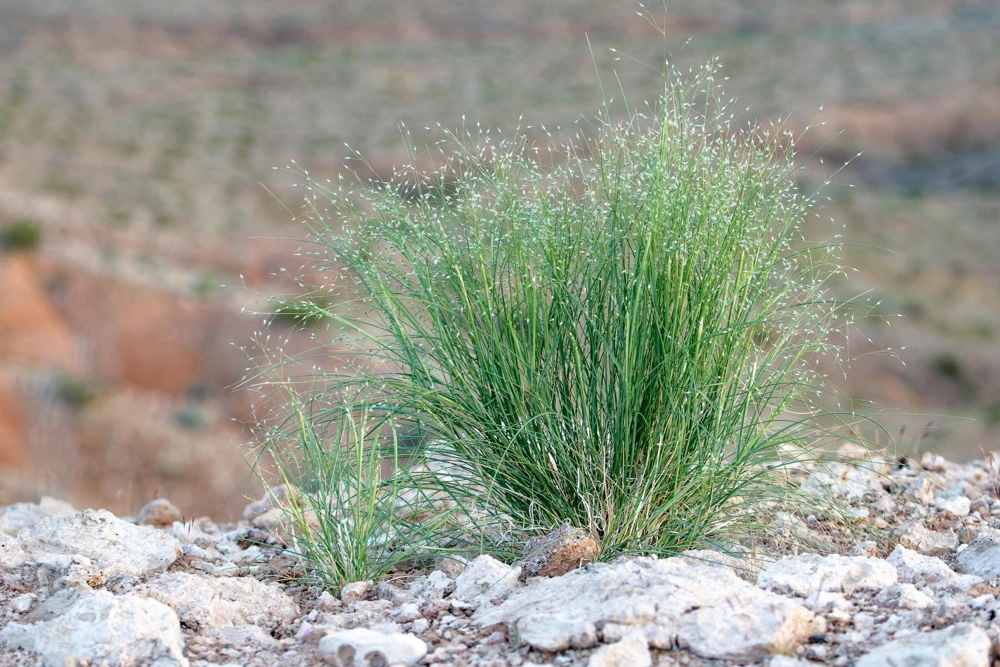
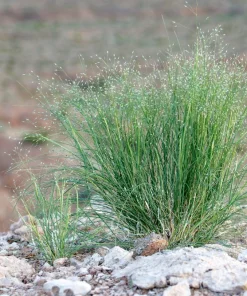
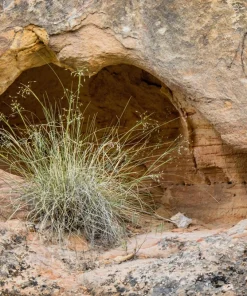
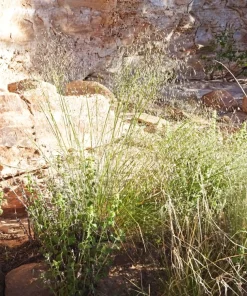
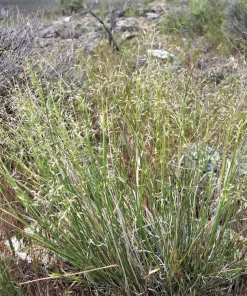
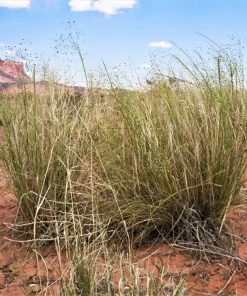
Cultivating Oryzopsis Hymenoides seeds allows you to contribute to local biodiversity while creating an attractive, natural aesthetic. Whether you’re a seasoned gardener or just starting, these seeds are an accessible way to introduce a beneficial native species into your outdoor space. The grass reaches a modest height of 12-24 inches, forming neat clumps that can be spaced 18-24 inches apart, making it suitable for various garden designs. Its ability to thrive in average to dry soils and full sun exposure further cements its status as an excellent choice for environmentally conscious gardeners.
Key Benefits
Incorporating Indian Ricegrass seeds into your garden offers a multitude of advantages, enhancing both the beauty and ecological function of your outdoor space. This native grass is not only visually appealing but also contributes significantly to a healthier environment.
- Drought Tolerance: Once established, Nezpar Indian Ricegrass is exceptionally drought-tolerant, requiring minimal supplemental watering. This makes it an ideal choice for water-wise gardening and arid landscapes, significantly reducing your water consumption and maintenance efforts.
- Erosion Control: Its robust root system helps stabilize soil, preventing erosion on slopes, in sandy areas, or in other vulnerable parts of your garden. This natural solution is particularly effective in areas prone to wind or water erosion.
- Wildlife Habitat: The white seedheads produced by this grass provide a valuable food source for various birds and small mammals, supporting local wildlife populations. It also offers shelter for beneficial insects, enhancing your garden’s biodiversity.
- Low Maintenance: As a native species adapted to its environment, sand rice grass requires very little care once established. It rarely needs fertilization and is generally resistant to pests and diseases, allowing you more time to enjoy your garden.
- Ecological Restoration: Planting native grass seeds like Indian Ricegrass is a powerful way to restore natural habitats, support pollinators, and contribute to the overall health of your local ecosystem. It helps to re-establish the balance of native plant communities.
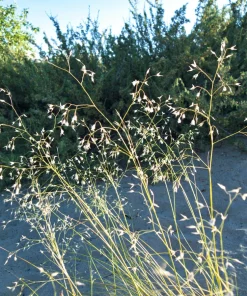
- Aesthetic Appeal: With its graceful form, delicate yellow-green flowers, and attractive white seedheads, Indian Ricegrass adds a natural, airy elegance to any landscape. It provides texture and movement, especially when swaying gently in the breeze.
- Adaptable to Various Soils: This resilient grass thrives in a range of soil types, particularly average to dry conditions, and is well-suited for full sun exposure. This versatility makes it an excellent choice for challenging garden spots.
Plant Care & Growing Tips
Growing Indian Ricegrass seeds is a rewarding experience, leading to a resilient and beautiful native landscape. While relatively low-maintenance, understanding its specific needs will ensure optimal germination and growth. Indian Ricegrass prefers full sun exposure, meaning it needs at least six hours of direct sunlight daily to thrive. It is highly adaptable to various soil conditions but performs best in average to dry soils with good drainage. Avoid overly moist or poorly drained areas, as this can lead to root issues. The ‘Nezpar’ cultivar is particularly hardy, flourishing across USDA Hardiness Zones 3-10, making it suitable for a vast range of climates.
For successful germination, these Oryzopsis Hymenoides seeds benefit from cold stratification. This can be achieved by planting seeds outdoors in the fall, allowing natural winter conditions to prepare them for spring germination. Alternatively, for indoor starts, mix the seeds with a small amount of moist sand or peat and store them in the refrigerator for 30-60 days before planting. Once stratified, sow seeds indoors several weeks before the last frost, or directly outdoors after the danger of frost has passed. Plant seeds lightly, covering them with a thin layer of soil no deeper than 1/8 inch. Keep the soil consistently moist but not waterlogged during the germination period. Once seedlings are established, watering can be reduced, as the grass is drought-tolerant. Fertilization is generally not required for established plants, especially in native settings, as it can encourage excessive growth and reduce natural resilience. Watch out for overwatering, which is the most common issue for this species. Good air circulation and proper spacing will help prevent fungal problems.
Size & Details
This offering includes 500 premium Indian Ricegrass seeds (Oryzopsis Hymenoides ‘Nezpar’), providing ample quantity for establishing a significant area of this beautiful native grass. The plant typically reaches a mature height of 12 to 24 inches, forming elegant, upright clumps. For optimal growth and air circulation, it’s recommended to space individual plants approximately 18 to 24 inches apart. This spacing allows each plant to develop fully and showcase its natural form. The seeds are intended for planting to grow into mature grasses, which will develop delicate yellow-green flowers from May to July, followed by distinctive white seedheads that mature in July. These seedheads are not only visually appealing but also serve as a crucial food source for various wildlife.
As a perennial grass, once established, sand rice grass will return year after year, providing long-term beauty and ecological benefits. It is shipped as dry, viable seeds, ready for your preferred planting method. The growth rate is moderate, with plants typically establishing a strong root system in their first year and reaching full size within 1-2 seasons. This resilient grass is particularly well-suited for naturalized landscapes, xeriscaping projects, and areas where a low-maintenance, drought-tolerant groundcover is desired. Its hardiness across USDA Zones 3-10 ensures broad applicability for gardeners across the United States.
Frequently Asked Questions
- Q: How many Indian Ricegrass seeds are included in this pack? A: This pack contains 500 premium Indian Ricegrass seeds, providing a generous quantity for planting a significant area or multiple smaller projects in your garden.
- Q: What are the ideal growing conditions for Nezpar Indian Ricegrass? A: This grass thrives in full sun exposure (at least 6 hours daily) and prefers average to dry, well-draining soil. It is highly drought-tolerant once established.
- Q: Is this grass suitable for beginners? A: Yes, sand rice grass is relatively easy to grow, especially when sown directly outdoors in the fall or after cold stratification. Its low-maintenance nature makes it an excellent choice for gardeners of all experience levels.
- Q: When is the best time to plant Oryzopsis Hymenoides seeds? A: For best results, sow seeds outdoors in the fall for natural cold stratification and spring germination, or indoors 6-8 weeks before the last frost after artificial cold stratification.
- Q: How tall does Indian Ricegrass grow? A: This native grass typically reaches a height of 12 to 24 inches at maturity, forming attractive, upright clumps in your landscape.
- Q: What is the USDA Hardiness Zone for this grass? A: Indian Ricegrass is very hardy and suitable for USDA Zones 3 through 10, making it adaptable to a wide range of climates across the United States.
- Q: Can these native grass seeds be used for erosion control? A: Absolutely. Indian Ricegrass has a strong, fibrous root system that is highly effective at stabilizing soil and preventing erosion, particularly in sandy or sloped areas.
- Q: Do these seeds require any special treatment before planting? A: Yes, the seeds benefit from a period of cold stratification. This can be done naturally by planting in the fall or artificially by refrigerating moist seeds for 30-60 days before sowing.
- Q: Will this grass attract wildlife to my garden? A: Yes, the mature seedheads of Indian Ricegrass provide a valuable food source for various bird species and small mammals, contributing to local biodiversity.
- Q: What kind of flowers does Indian Ricegrass produce? A: Indian Ricegrass produces delicate yellow-green flowers from May to July, which then develop into distinctive white, airy seedheads that mature in July.
Be the first to review “Indian Ricegrass Nezpar Seeds – 500 Count Native Sand Rice Grass Seeds for Zones 3-10”
People Also Viewed
Reviews
There are no reviews yet.