
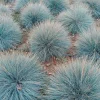
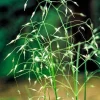
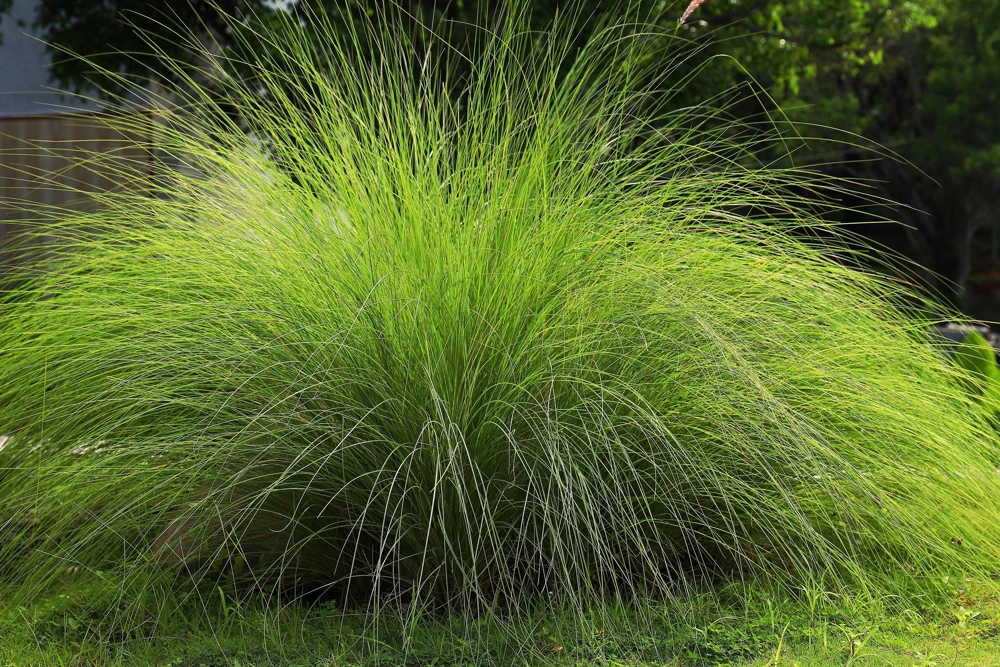
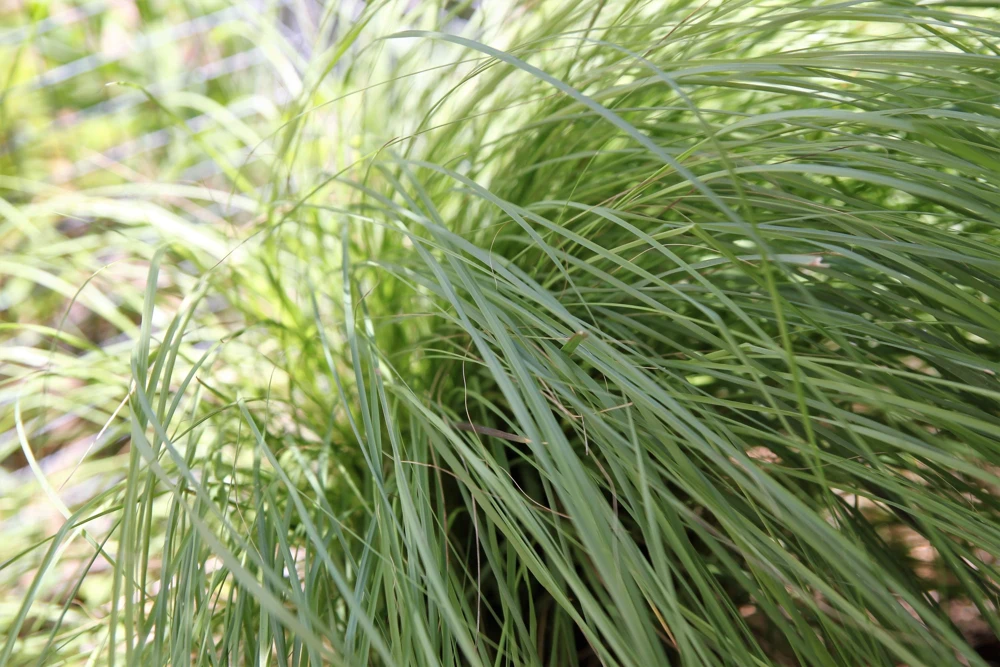
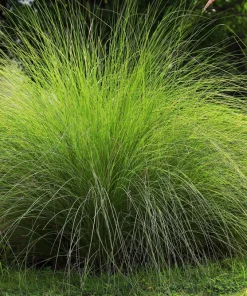
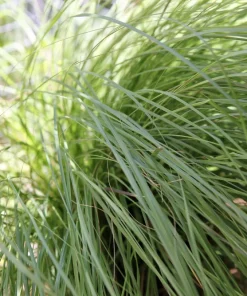
Weeping Lovegrass Seeds – Ornamental African Lovegrass Eragrostis Curvula – 200 Seeds
Original price was: $36.99.$16.99Current price is: $16.99.
Cultivate stunning weeping lovegrass seeds, a fast-growing ornamental African grass. These eragrostis curvula seeds produce silvery sprays, offering excellent drought tolerance and erosion control for your landscape.
Estimated arrival
Sep 14
Sep 19 - Sep 21
Sep 24 - Sep 28
Shop With Confidence
30-Day Plant Health Guarantee
Arrives damaged? We’ll replace it free — see our return policy.
Responsive Support
Email us anytime, we reply within 1 business day.
Expert Packaging
Temperature-controlled shipping to protect your plants in transit.
Secure Checkout
Pay safely with Visa, Mastercard, PayPal.
Plant Specifications
-
USDA Hardiness Zone
9 - 10 -
Soil Type
Average - Dry, well-draining soil -
Sunlight Exposure
Full Sun - Part Shade -
Expected Planting Period
Outdoors after frost / Indoors weeks before last frost
Overview
Transform your garden with weeping lovegrass seeds, a versatile and attractive ornamental African grass. Known scientifically as Eragrostis Curvula, this particular variety, often called African Lovegrass or Curved Lovegrass, is celebrated for its distinctive silvery-grey seed sprays that shimmer beautifully in the sunlight. Originating from Africa, this bunchgrass is not only aesthetically pleasing but also remarkably resilient, making it a popular choice for various landscaping needs. Whether you’re aiming to add a touch of natural elegance to your yard or seeking an effective solution for erosion control, these weeping lovegrass seeds provide an excellent foundation.
African lovegrass is a fast-growing plant that thrives in challenging conditions, making it an ideal option for gardeners looking for low-maintenance yet impactful additions. Beyond its ornamental value, it is also utilized in some regions as a winter forage crop, highlighting its adaptability and hardiness. Its ability to tolerate dryness exceptionally well means it can flourish in areas where other plants might struggle, providing a robust and attractive ground cover or accent.
Planting eragrostis curvula from seeds allows you to establish a broad area of this beautiful grass with ease. The resulting plants will grow into a graceful, weeping form, adding texture and movement to your garden design. Embrace the natural beauty and practical benefits of this remarkable grass by introducing weeping lovegrass seeds into your landscape.
Key Benefits
Embrace the numerous advantages of cultivating weeping lovegrass seeds in your garden, offering both aesthetic appeal and practical functionality:
- Exceptional Drought Tolerance: Once established, weeping lovegrass requires minimal watering, making it an ideal choice for water-wise gardening and regions with dry climates. Its ability to thrive in arid conditions reduces the need for constant irrigation.
- Effective Erosion Control: The strong root system of this african lovegrass helps stabilize soil, preventing erosion on slopes, embankments, and other vulnerable areas. It’s a natural and beautiful solution for challenging landscapes.
- Stunning Ornamental Value: With its graceful, weeping habit and shimmering silvery-grey seed heads, eragrostis curvula adds unique texture and visual interest to any garden. It creates a soft, airy feel that complements various garden styles.
- Low Maintenance: This fast-growing grass is relatively low maintenance, requiring little more than occasional trimming to maintain its desired shape and vigor. It’s perfect for gardeners seeking beauty without constant upkeep.
- Versatile Landscaping Use: Ideal for borders, mass plantings, ground cover, or as a focal point, ornamental grass seeds like these offer flexibility in garden design. They can blend seamlessly into naturalistic or more formal settings.
- Wildlife Habitat: The dense foliage and seed heads can provide shelter and food for small wildlife, contributing to biodiversity in your outdoor space.
- Adaptable to Various Soils: While preferring average to dry soils, drought tolerant grass varieties like weeping lovegrass are not overly particular about soil type, as long as it’s well-draining.
Plant Care & Growing Tips
Successfully growing weeping lovegrass seeds involves understanding their basic needs and providing suitable conditions. This resilient grass is known for its adaptability, but optimal care will ensure vigorous growth and an attractive display. Plant your weeping lovegrass seeds outdoors after the last frost in spring, or start them indoors a few weeks before the anticipated last frost date to get a head start. Ensure the planting area receives full sun to part shade; while it can tolerate some shade, full sun promotes the best growth and most abundant silvery seed sprays. Space the plants approximately 36 to 48 inches apart to allow for their mature spread.
When it comes to soil, african lovegrass prefers average to dry conditions and is not picky about soil type, as long as it offers good drainage. Avoid overly wet or waterlogged soils, as this can lead to root rot. Once established, this eragrostis curvula is highly drought-tolerant, meaning it requires minimal supplemental watering. During prolonged dry spells, a deep watering every few weeks should suffice. Fertilization is generally not heavily required for this grass; a light application of a balanced granular fertilizer in early spring can encourage healthy growth, but avoid over-fertilizing, which can lead to excessive, floppy growth.
Weeping lovegrass is hardy in USDA Zones 9-10, meaning it can survive mild winters in these regions. In colder zones, it is typically grown as an annual. It blooms from late summer to mid-fall, producing its characteristic ornamental seed heads. Pruning can be done in late winter or early spring to remove any dead foliage and encourage fresh growth. This ornamental grass seeds option is generally pest and disease resistant, contributing to its low-maintenance appeal. By following these simple guidelines, you can enjoy a beautiful and robust display of drought tolerant grass in your garden.
Size & Details
These weeping lovegrass seeds are supplied in packets containing 200 seeds, providing ample quantity for establishing a significant planting area or for multiple plantings. When mature, weeping lovegrass typically reaches a height of 24 to 36 inches, forming an attractive, mounding habit. The plant spacing should be between 36 to 48 inches to allow for optimal growth and air circulation, preventing overcrowding. This fast-growing bunchgrass will establish quickly after germination, providing a visual impact within its first growing season.
The bloom time for african lovegrass is from late summer through mid-fall, showcasing its distinctive silvery-grey seed sprays during this period. It is best suited for outdoor planting after the last frost, or can be started indoors several weeks prior. The seeds will grow into robust plants that are well-adapted to average to dry soil conditions and require full sun to partial shade exposure. The hardiness zone for this eragrostis curvula is USDA 9-10, indicating its tolerance to warmer climates and milder winters.
Frequently Asked Questions
- Q: How tall does weeping lovegrass get? A: Weeping lovegrass typically grows to a height of 24 to 36 inches, creating a graceful, mounding form in your landscape. Its height makes it suitable for various garden applications, from borders to mass plantings.
- Q: Is this an indoor or outdoor plant? A: Weeping lovegrass seeds are intended for outdoor planting. While seeds can be started indoors, the mature plants thrive in outdoor garden settings with adequate sunlight.
- Q: How much sunlight does african lovegrass need? A: African lovegrass performs best in full sun, meaning at least six hours of direct sunlight per day. It can also tolerate partial shade, but full sun will encourage the most robust growth and best flowering.
- Q: Is eragrostis curvula easy to care for? A: Yes, eragrostis curvula is considered a very easy-to-care-for grass. It is drought-tolerant, adaptable to various soil types, and generally pest and disease resistant, making it an excellent choice for low-maintenance gardening.
- Q: What condition will the weeping lovegrass seeds arrive in? A: The weeping lovegrass seeds will arrive in a protective packet, ensuring their viability and readiness for planting. They are carefully packaged to maintain their quality during transit.
- Q: When is the best time to plant ornamental grass seeds? A: The best time to plant ornamental grass seeds for weeping lovegrass is outdoors after the last frost in spring, or you can start them indoors a few weeks before the last frost for an earlier start.
- Q: Will this drought tolerant grass survive winter in my zone? A: Weeping lovegrass is hardy in USDA Zones 9-10. In these zones, it will generally survive the winter. In colder zones, it is typically grown as an annual and may not survive freezing temperatures.
Be the first to review “Weeping Lovegrass Seeds – Ornamental African Lovegrass Eragrostis Curvula – 200 Seeds”
People Also Viewed
Houseplants
Goldfish Plant Shady Lady Marlene Live Plant – Nematanthus gregarius – 2in or 4in Pot – Indoor

Flower Seeds
Uncategorized

Reviews
There are no reviews yet.