
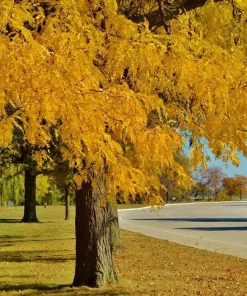
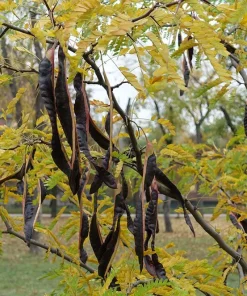
Thornless Honeylocust Tree Live Plant 12-24″ Tall Gleditsia triacanthos inermis Quart Pot
Original price was: $79.99.$54.99Current price is: $54.99.
Cultivate a beautiful landscape with a thornless honeylocust tree. This 12-24″ Gleditsia triacanthos inermis starter plant is a fast-growing, adaptable shade tree perfect for urban environments, offering delicate foliage and robust drought tolerance.
Estimated arrival
Sep 29
Oct 04 - Oct 06
Oct 09 - Oct 13
Shop With Confidence
30-Day Plant Health Guarantee
Arrives damaged? We’ll replace it free — see our return policy.
Responsive Support
Email us anytime, we reply within 1 business day.
Expert Packaging
Temperature-controlled shipping to protect your plants in transit.
Secure Checkout
Pay safely with Visa, Mastercard, PayPal.
Plant Specifications
-
USDA Hardiness Zone
USDA Zones 3-9 -
Soil Type
Adaptable to clay, sandy, or loamy soil; well-draining preferred -
Sunlight Exposure
Full sun -
Expected Planting Period
Early spring or late fall
Overview
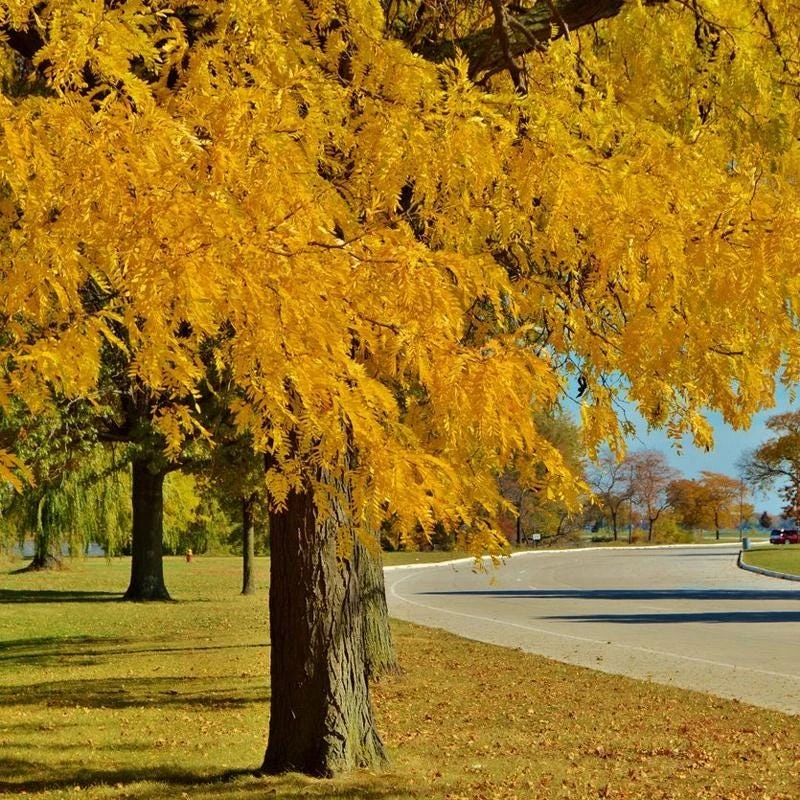
Introduce a magnificent, adaptable specimen to your garden with the thornless honeylocust tree. This particular offering is a 12-24 inch starter plant of Gleditsia triacanthos inermis, shipped as a bare root specimen ready for planting. Known for its rapid growth and elegant, fern-like foliage, the thornless honeylocust is a highly prized deciduous shade tree. Unlike its wild counterparts, this cultivar lacks the characteristic large thorns, making it a safer and more desirable choice for residential and public landscapes. Its remarkable resilience and tolerance to various challenging conditions, including drought, pollution, and poor soil, make it an excellent investment for both novice and experienced gardeners seeking a robust and beautiful tree.
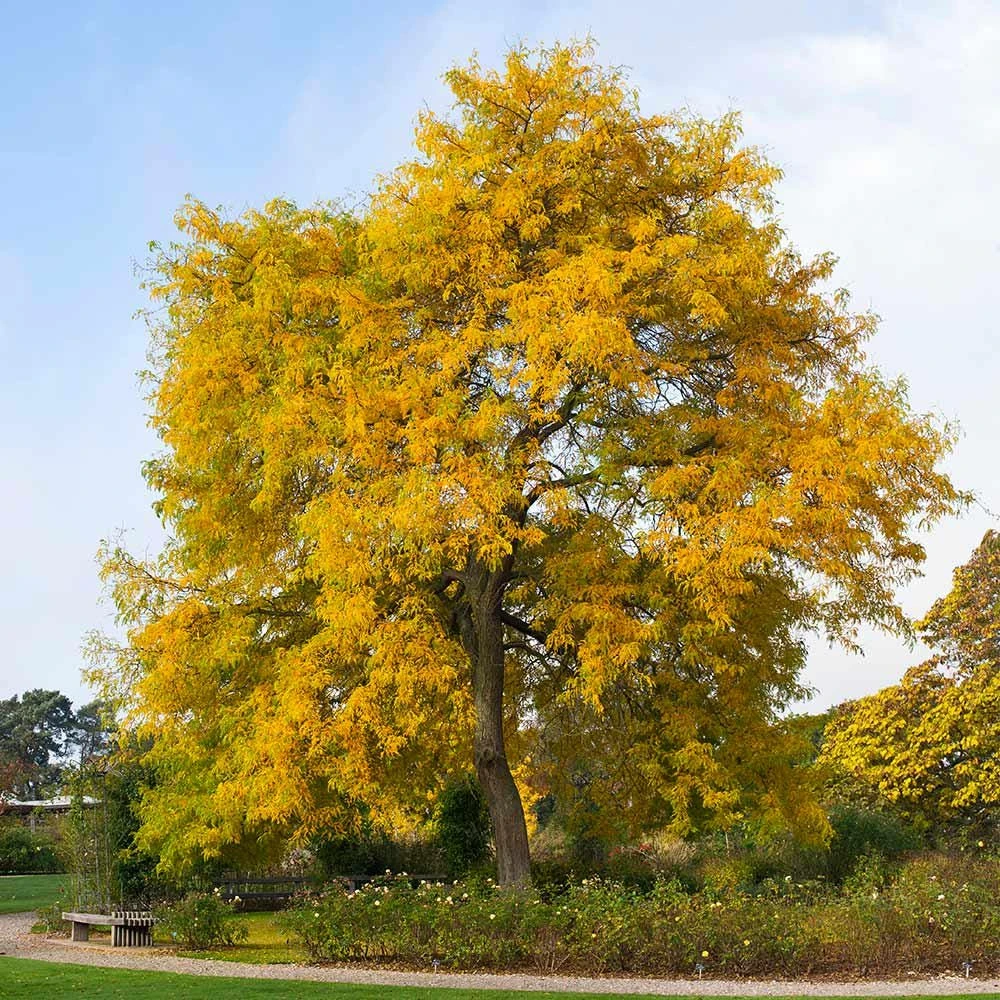
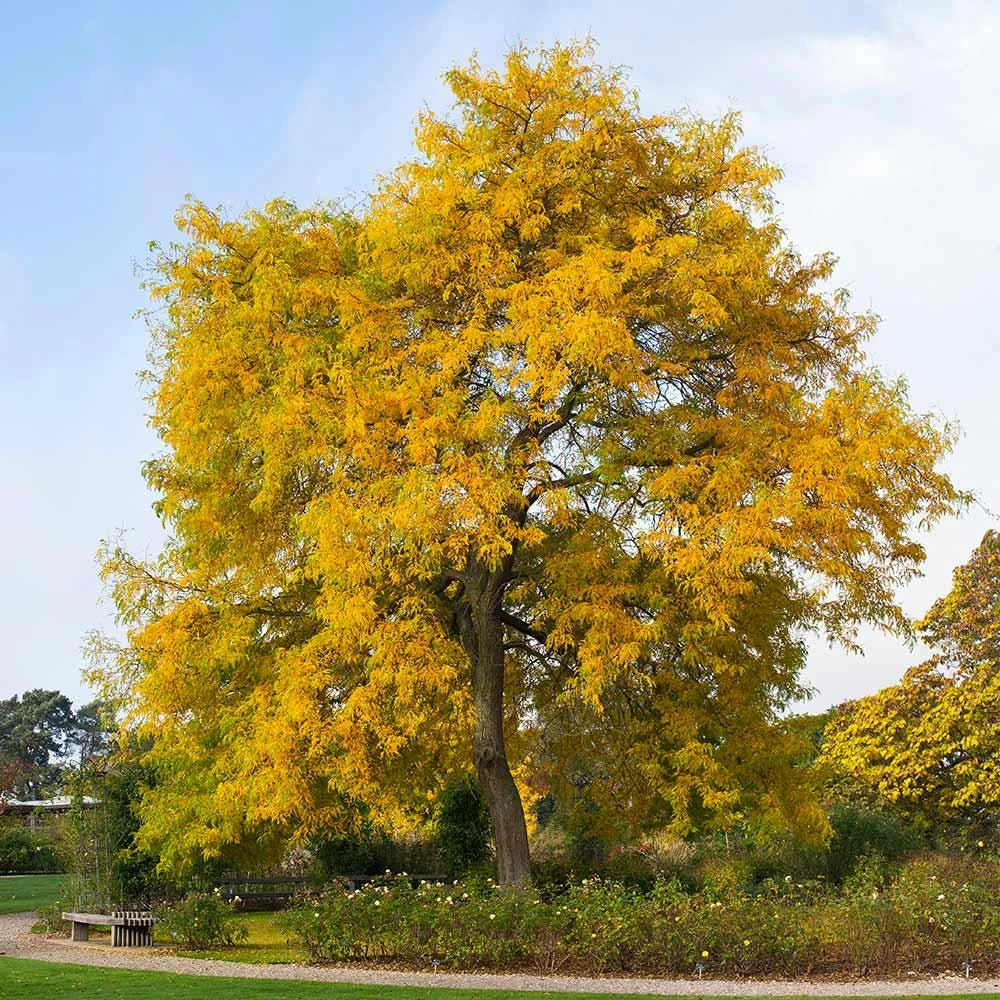
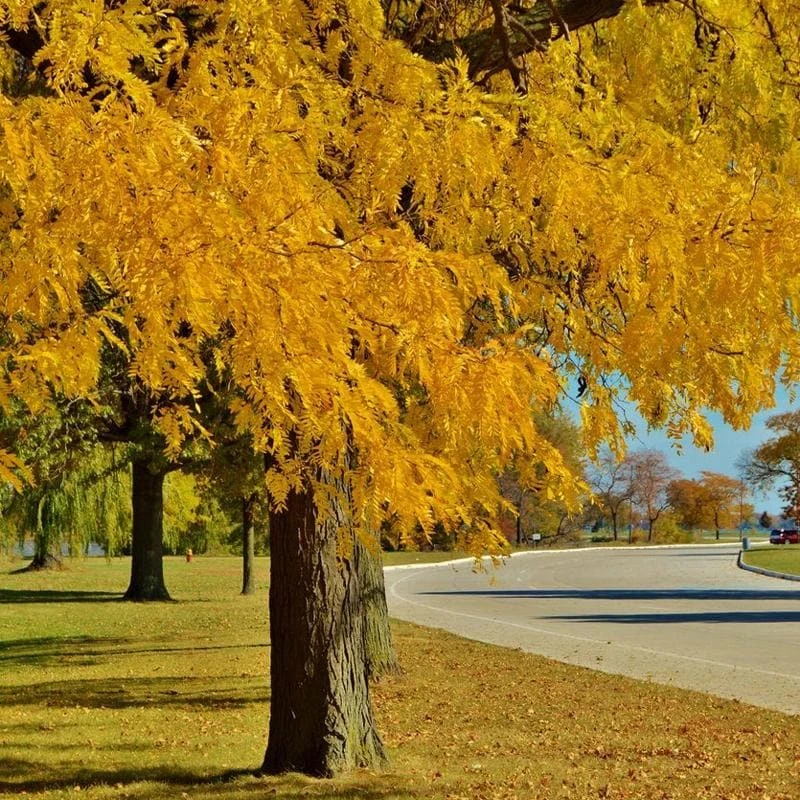
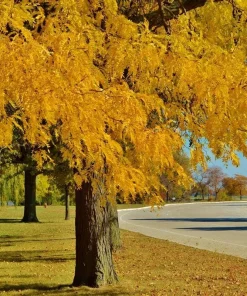
The thornless honeylocust tree is a fantastic choice for those looking to establish a strong, healthy shade tree with minimal fuss. Its delicate leaves provide filtered shade, creating a comfortable environment below, and turn a lovely yellow in the fall before dropping, offering seasonal interest. This starter plant, provided in a quart pot size, is an ideal way to begin growing a mature tree that will enhance your property for years to come. Whether you’re aiming to improve air quality, create a natural privacy screen, or simply enjoy the aesthetic appeal of a well-formed tree, the Gleditsia triacanthos inermis is a superb selection.
Key Benefits
The thornless honeylocust tree offers a multitude of advantages, making it a stellar addition to nearly any outdoor space. Its combination of beauty and hardiness ensures long-term enjoyment and ecological benefits. Here are some of the standout reasons to choose this remarkable tree:
- Exceptional Adaptability: The thornless honeylocust tree thrives in a wide range of conditions, tolerating drought, urban pollution, salt, and various soil types including clay, sand, and loam. It can even handle temporary flooding, making it incredibly versatile for diverse planting sites. This adaptability ensures that your tree has a strong chance of flourishing even in less-than-ideal environments.
- Fast Growth Rate: Enjoy a quickly maturing landscape. This tree is known for its fast growth, allowing you to establish a significant shade canopy relatively quickly compared to many other tree species. This rapid development is particularly appealing for new homeowners or those looking to fill out their garden design efficiently.
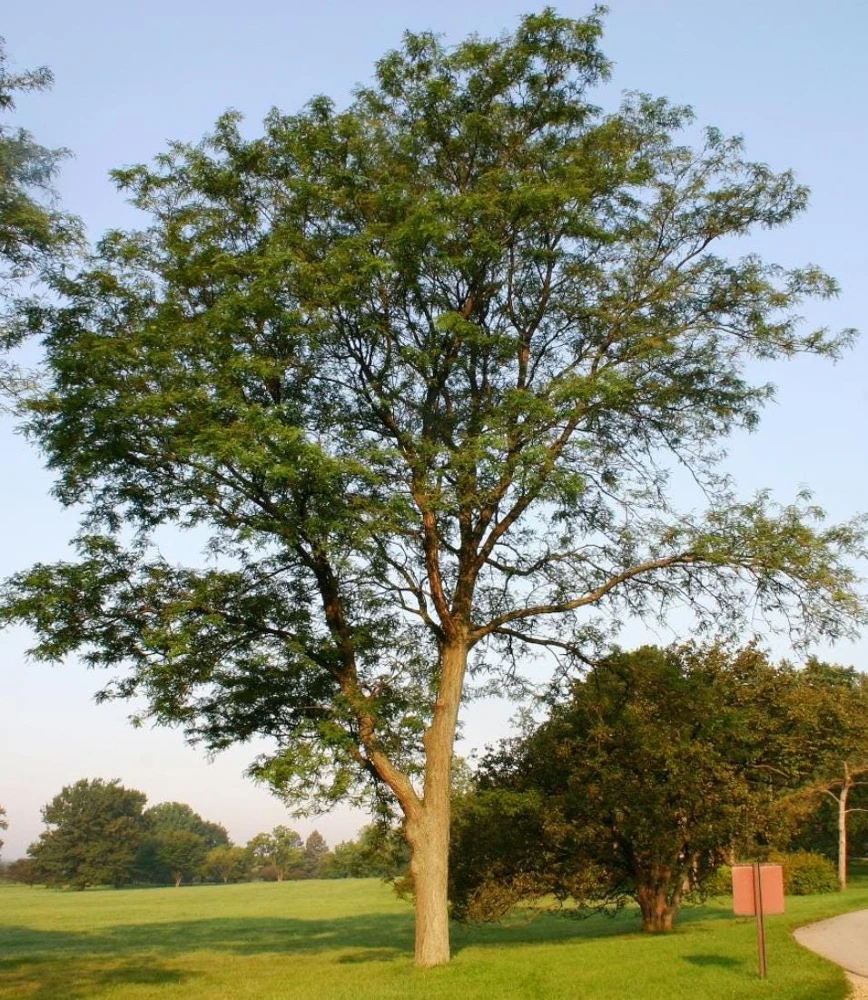
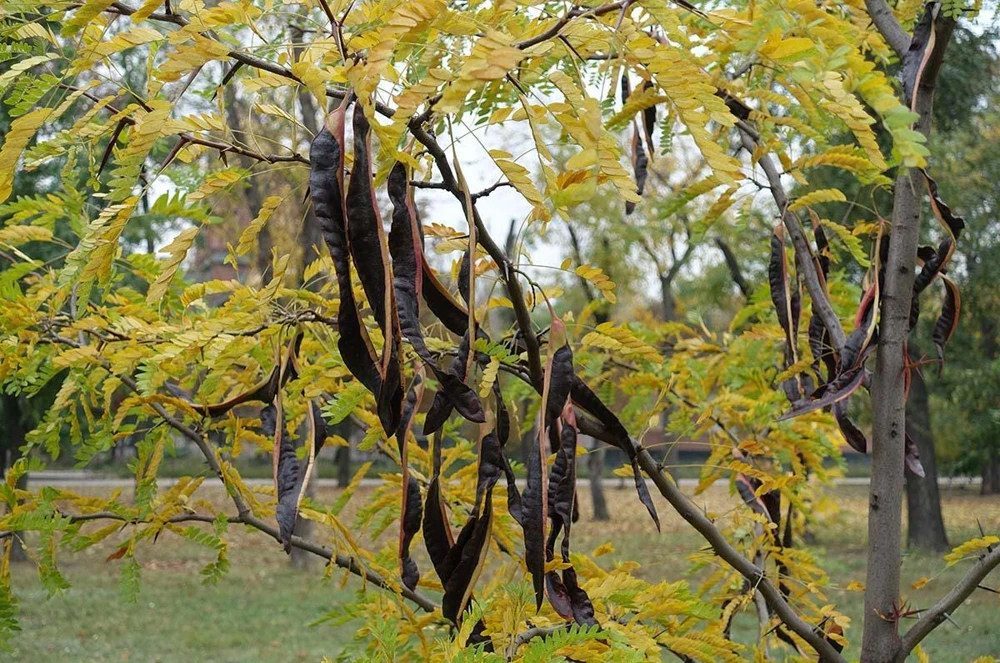
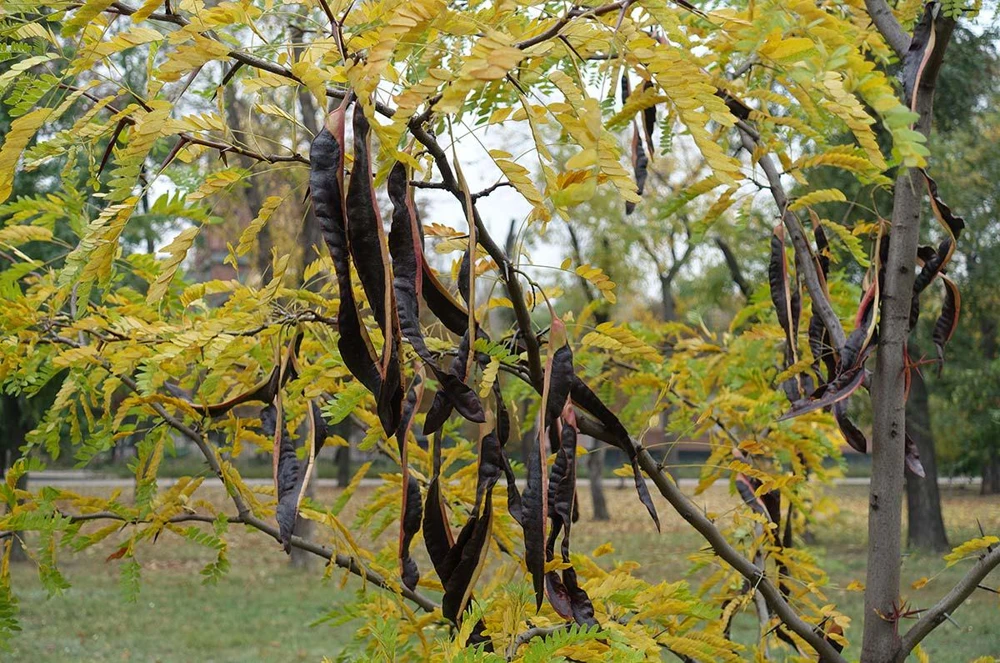
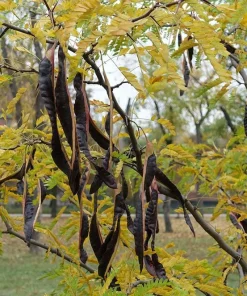
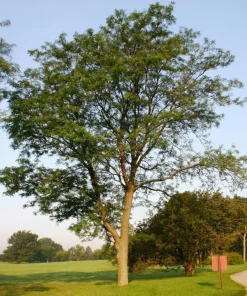
- Elegant, Fern-like Foliage: The delicate, fine-textured leaves of the Gleditsia triacanthos inermis create a soft, airy aesthetic. This unique foliage provides dappled shade, which is perfect for underplanting or enjoying a comfortable outdoor space, and contributes to a sophisticated landscape design.
- Thornless Variety: As its name suggests, this cultivar is free of the large, sharp thorns found on the wild honeylocust species. This makes it a much safer and more pleasant tree to have in areas frequented by people and pets, eliminating concerns about potential injuries.
- Low Maintenance: Once established, the honeylocust shade tree requires minimal care, making it an excellent choice for busy individuals. Its resilience to common stressors means less time spent on pest control or disease management, allowing you more time to simply enjoy its beauty.
- Urban Condition Tolerance: This tree is a champion for urban environments, standing up to the challenges of city life, including compacted soil and air pollution. This makes it an ideal choice for street trees, parks, and urban residential areas where other trees might struggle.
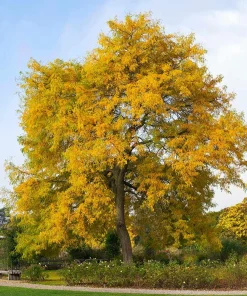
- Seasonal Interest: Beyond its summer shade, the thornless honeylocust tree offers beautiful yellow fall color, adding a vibrant touch to your autumn landscape. Its open canopy in winter also allows for interesting structural views.
Plant Care & Growing Tips
Caring for your thornless honeylocust tree is straightforward, thanks to its robust and adaptable nature. To ensure optimal growth and a healthy, thriving tree, consider the following guidelines. This adaptable urban tree prefers full sun, meaning it should receive at least 6 hours of direct sunlight per day. While it can tolerate some partial shade, full sun exposure will promote the best growth and foliage density. When planting, ensure the site has good air circulation.
Regarding watering, newly planted bare root specimens require consistent moisture to establish their root systems. Water deeply and regularly, especially during dry spells, until the tree is well-established, typically for the first year or two. Once mature, the Gleditsia triacanthos inermis is highly drought-tolerant and will only need supplemental watering during extended periods of extreme dryness. Good drainage is crucial, though it can tolerate temporary flooding. For soil, the honeylocust is incredibly forgiving, performing well in sandy, loamy, or clay soils. It’s not particular about soil pH, adapting to both acidic and alkaline conditions, making it a truly thornless tree for landscape versatility.
Fertilization is generally not required for established trees in healthy soil, but a balanced, slow-release tree fertilizer can be applied in early spring if growth appears sluggish. Pruning should be done in late winter or early spring while the tree is dormant. Focus on removing any dead, damaged, or crossing branches to maintain a strong structure and open canopy. The thornless honeylocust tree is generally disease and pest resistant, though occasional monitoring for common tree ailments is always a good practice. It is hardy in USDA zones 3-9, indicating its ability to withstand a broad range of winter temperatures.
Size & Details
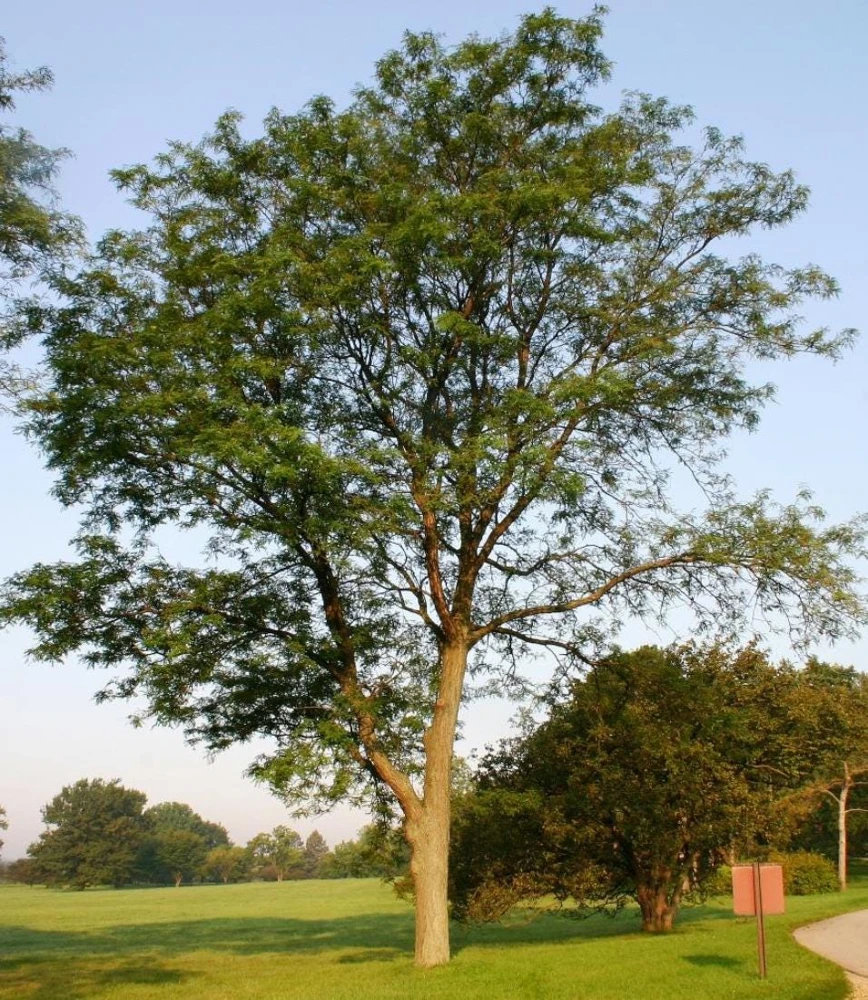
This offering is for one thornless honeylocust tree, measuring approximately 12-24 inches tall at the time of shipment. It is a starter plant, typically shipped as a bare root specimen from a quart pot, meaning the soil around the roots will be removed for shipping efficiency and to minimize transplant shock. The bare root method ensures the tree is dormant and ready to establish quickly in its new environment. Expect this fast-growing tree to reach a mature height of 30-70 feet with a spread of 20-50 feet, developing into a magnificent honeylocust shade tree over time. Its growth rate is considered fast, often adding 1-2 feet per year once established. This particular variety, Gleditsia triacanthos inermis, ensures you receive the desirable thornless characteristic. With proper care, your young tree will quickly begin to transform into a prominent feature of your landscape, offering dense, filtered shade and elegant beauty.
Frequently Asked Questions
- Q: How big does this plant get? A: This thornless honeylocust tree is a starter plant, typically 12-24 inches tall upon arrival. When mature, it can reach an impressive height of 30-70 feet with a spread of 20-50 feet, making it a substantial shade tree for your landscape.
- Q: What size pot does it come in? A: While the initial plant is grown in a quart pot, it is shipped bare root to ensure healthy transit and reduce transplant stress. This means the soil is removed from the roots before packaging.
- Q: Is this an indoor or outdoor plant? A: The thornless honeylocust tree is an outdoor plant, specifically a deciduous shade tree. It is not suitable for indoor cultivation and requires ample space to grow to its mature size.
- Q: How much sunlight does it need? A: This tree thrives in full sun, requiring at least 6 hours of direct sunlight daily for optimal growth and health. It can tolerate some partial shade but will perform best with abundant light.
- Q: Is this plant easy to care for? A: Yes, the Gleditsia triacanthos inermis is known for being a very low-maintenance and highly adaptable tree. Once established, it is notably drought-tolerant and resilient to various environmental stressors, making it an excellent choice for beginners.
- Q: What condition will it arrive in? A: Your adaptable urban tree will arrive as a bare root starter plant, meaning it will be dormant with its roots carefully packaged without soil. This is a standard and effective method for shipping deciduous trees.
- Q: Is it shipped in soil? A: No, these trees are shipped bare root, which means the soil is gently removed from the roots before packaging to prepare them for transplanting and minimize shipping weight.
- Q: How long until it provides significant shade? A: The thornless honeylocust tree is a fast-growing species. While it will take several years to reach its full mature size, you can expect it to start providing noticeable shade within 5-10 years, and substantial shade as it continues to grow.
- Q: When is the best time to plant? A: The best time to plant bare root trees like this honeylocust is in early spring, after the last frost, or in late fall after the leaves have dropped, allowing the roots to establish before extreme temperatures.
- Q: Will it survive winter in my zone? A: The thornless honeylocust tree is hardy in USDA Zones 3-9, meaning it can withstand a wide range of winter temperatures across most of the United States. Ensure your local zone falls within this range for successful overwintering.
Be the first to review “Thornless Honeylocust Tree Live Plant 12-24″ Tall Gleditsia triacanthos inermis Quart Pot”
People Also Viewed
Flower Plants
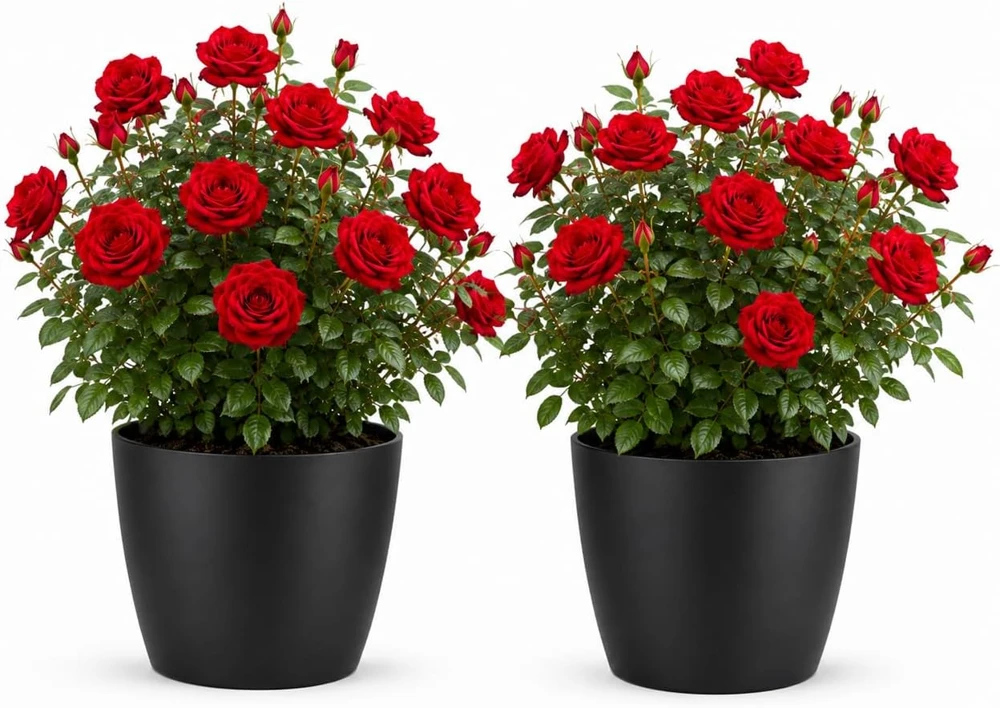
Set of 2 Red Climbing Rose Live Plants – Fragrant Perennial Flowers for Garden, 2-4 Inch Tall

Reviews
There are no reviews yet.