
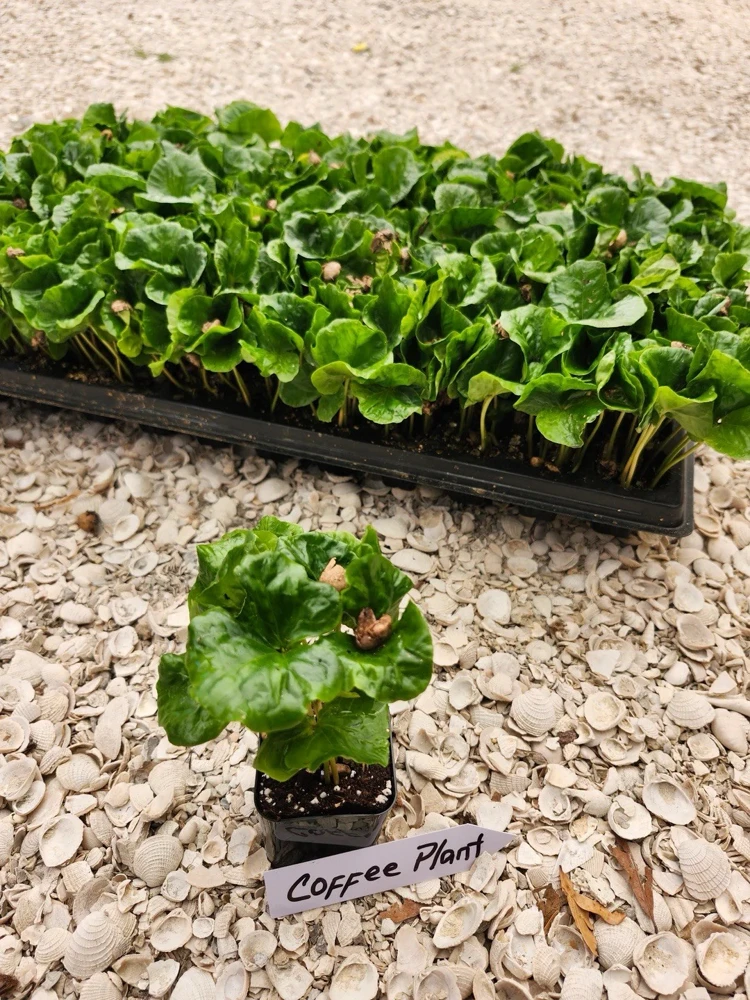
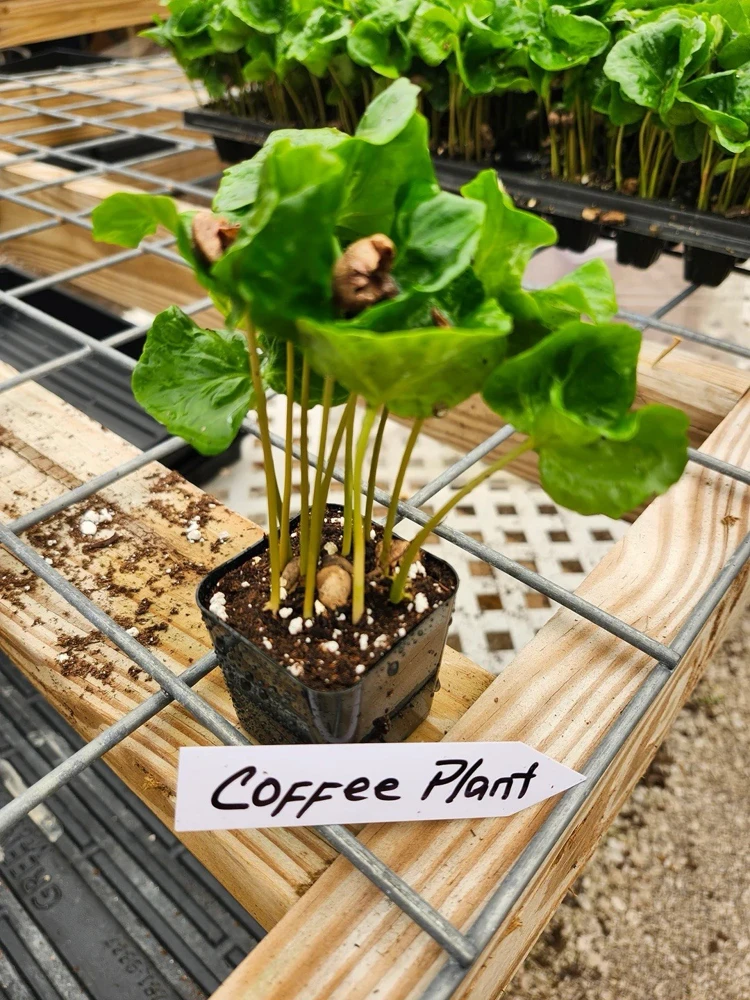
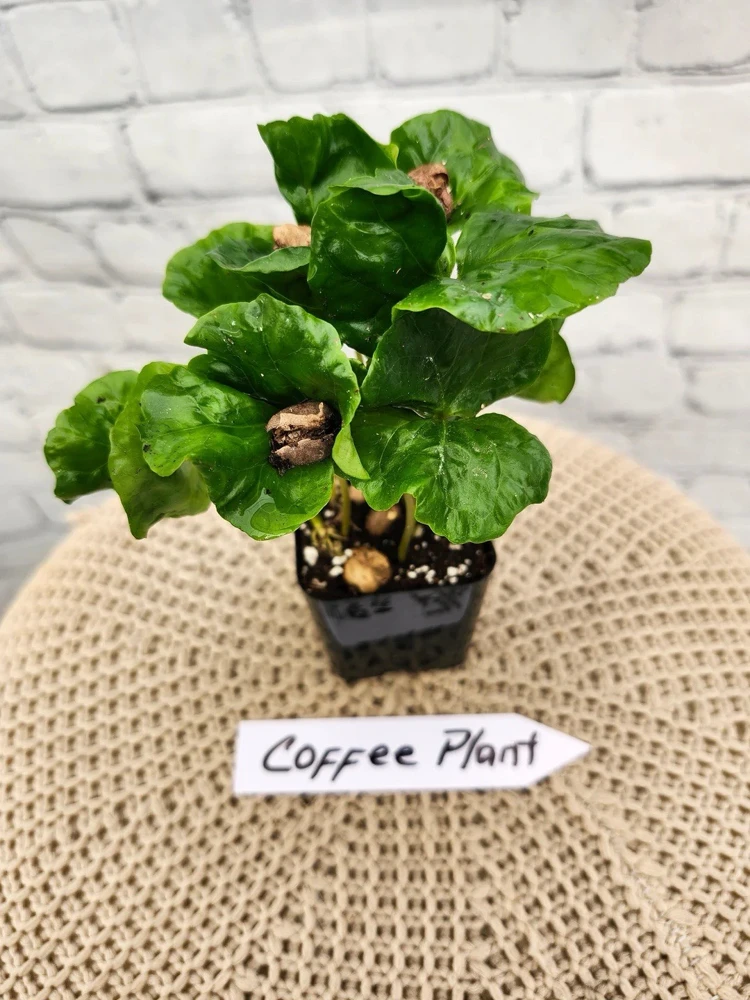
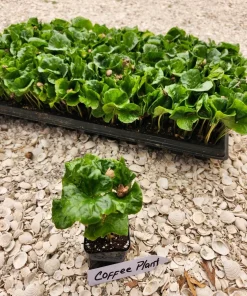
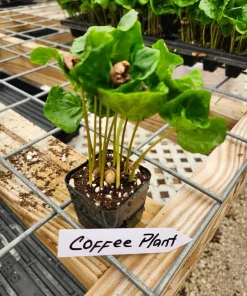
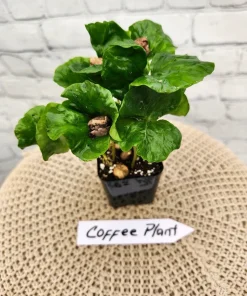
Coffee Bean Live Plant – Coffea Arabica Houseplant for Fresh Beans
Original price was: $64.99.$44.99Current price is: $44.99.
Cultivate your own delicious coffee with a beautiful coffee bean live plant. This coffea arabica houseplant offers lush green foliage and the potential for fresh, homegrown coffee beans, making it a unique addition to any indoor space.
Estimated arrival
Oct 27
Nov 01 - Nov 03
Nov 06 - Nov 10
Shop With Confidence
30-Day Plant Health Guarantee
Arrives damaged? We’ll replace it free — see our return policy.
Responsive Support
Email us anytime, we reply within 1 business day.
Expert Packaging
Temperature-controlled shipping to protect your plants in transit.
Secure Checkout
Pay safely with Visa, Mastercard, PayPal.
Plant Specifications
-
USDA Hardiness Zone
USDA zones 9-11 (outdoors) or indoors year-round -
Soil Type
Well-draining, slightly acidic potting mix -
Sunlight Exposure
Bright indirect light -
Expected Planting Period
Year-round indoors
Overview
Bring the exotic world of coffee cultivation into your home with this stunning coffee bean live plant. Known botanically as Coffea Arabica, this plant is not only the source of most of the world’s coffee beans but also makes for an attractive and rewarding coffea arabica houseplant. With its glossy, dark green leaves and delicate white flowers, followed by vibrant red berries (which contain the coffee beans), it’s a fascinating specimen for any plant enthusiast. Imagine the satisfaction of harvesting and roasting your own coffee right from your living room! This particular variety is well-suited for indoor growing, allowing you to grow coffee at home regardless of your climate.
The coffee bean live plant thrives in an environment that mimics its native tropical highlands, preferring consistent moisture and bright, indirect light. It’s a relatively low-maintenance plant once its basic needs are met, making it an excellent choice for both beginner and experienced gardeners looking to expand their indoor plant collection. Its compact size when young makes it ideal for windowsills or tabletops, gradually growing into a more substantial indoor coffee tree over time. Experience the journey from plant to bean with this unique and productive houseplant.
Key Benefits
Adding a coffee bean live plant to your home offers a multitude of benefits beyond just its potential for producing coffee. It’s a truly engaging and enriching experience for any plant lover. Here are some of the key advantages:
- Unique Ornamental Beauty: The glossy, dark green leaves and compact growth habit of the coffea arabica houseplant make it a visually appealing addition to any room. Its aesthetic appeal is enhanced by the seasonal appearance of fragrant white flowers and bright red coffee cherries, providing year-round interest.
- Homegrown Coffee Potential: The most exciting benefit is the ability to eventually harvest your own coffee beans. While it requires patience, the reward of brewing a cup from beans you’ve grown yourself is unparalleled, offering a truly farm-to-cup experience right in your kitchen.
- Air Purification: Like many houseplants, the coffee plant contributes to a healthier indoor environment by naturally filtering toxins from the air, improving air quality and creating a more pleasant living space.
- Educational Experience: Growing a coffee plant offers a fantastic educational opportunity, allowing you to learn about the coffee production process firsthand, from flowering to fruiting and beyond. It’s a great way to understand where your morning brew comes from.
- Tropical Ambiance: This plant brings a touch of the tropics indoors, creating a serene and lush atmosphere. Its vibrant foliage can transform a dull corner into a lively green oasis, enhancing your home’s decor.
- Rewarding Project: For those who enjoy gardening, nurturing a coffee bean live plant from a young specimen to a fruit-bearing tree is an incredibly rewarding project. It offers a sense of accomplishment and a deeper connection to nature.
- Conversation Starter: A coffee plant is an unusual and interesting houseplant that is sure to spark conversations among guests, allowing you to share your passion for plants and coffee. It’s a unique way to grow coffee at home.
Plant Care & Growing Tips
Caring for your coffee bean live plant, or coffea arabica houseplant, is straightforward once you understand its preferred conditions. These plants thrive in environments that mimic their native tropical habitats. For sunlight, aim for bright, indirect light. Direct, harsh sunlight can scorch the leaves, especially during the hottest parts of the day. An east or north-facing window is often ideal, or a few feet away from a south or west-facing window. If the plant isn’t getting enough light, its growth may slow, and flowering might be inhibited. Rotating the plant regularly will ensure even growth and prevent it from leaning towards the light source.
Watering is crucial for a healthy coffee plant. The soil should be kept consistently moist but never waterlogged. Allow the top inch of soil to dry out slightly between waterings. Overwatering can lead to root rot, while underwatering can cause leaves to droop and turn brown. Good drainage is essential, so ensure your pot has drainage holes. A well-draining potting mix, ideally slightly acidic, will provide the best environment for the roots. During the growing season (spring and summer), you may need to water more frequently, reducing the frequency in the cooler months. Misting the leaves regularly or placing the pot on a pebble tray can help maintain the high humidity this plant loves.
Temperature and fertilization also play a role in how to grow coffee at home successfully. Coffee plants prefer temperatures between 65-80°F (18-27°C) and do not tolerate cold drafts or temperatures below 50°F (10°C). They are typically suited for USDA zones 9-11 if grown outdoors, but as an indoor plant, maintaining a stable room temperature is key. Fertilize your indoor coffee tree every 2-4 weeks during the growing season with a balanced liquid fertilizer, diluted to half strength. Reduce or stop fertilizing during fall and winter. Watch out for common pests like spider mites or mealybugs, especially in dry conditions; regular inspection and appropriate treatment will keep your plant healthy.
Size & Details
This coffee bean live plant is supplied as a healthy, young specimen, typically ranging from 6 to 12 inches in height, ready to establish itself in your home. It usually arrives in a nursery pot, ready for you to transplant into a decorative container of your choice. The growth rate of the coffea arabica houseplant is moderate, allowing it to reach a mature indoor height of 4-6 feet over several years with proper care, though it can be pruned to maintain a desired size. Its bushy, upright habit makes it a striking feature. Expect the plant to begin flowering and producing berries within 3-5 years, offering a long-term gardening project and the eventual reward of your own coffee beans. Each plant represents the start of your journey to grow coffee at home, transforming from a small seedling into a productive and beautiful indoor coffee tree.
Frequently Asked Questions
- Q: How big does this plant get? A: As an indoor coffee tree, it typically grows to about 4-6 feet tall, but you can prune it to maintain a smaller, bushier size suitable for your space. Its ultimate size will depend on pot size and care.
- Q: Is this an indoor or outdoor plant? A: While Coffea Arabica can grow outdoors in tropical climates (USDA zones 9-11), this is primarily sold as an indoor coffee tree or coffea arabica houseplant for most regions. It thrives indoors with proper light and humidity.
- Q: How much sunlight does it need? A: Your coffee bean live plant requires bright, indirect light. Avoid direct, harsh sunlight, especially during the hottest parts of the day, as it can scorch the leaves. An east or north-facing window is often ideal.
- Q: Is this plant easy to care for? A: Yes, once its basic needs for light, water, and humidity are met, the coffee bean live plant is considered relatively easy to care for, making it suitable for gardeners of varying experience levels who want to grow coffee at home.
- Q: What condition will it arrive in? A: Your plant will arrive healthy and well-packaged, typically in a nursery pot with soil, ready for you to unbox and place in its new home. We take great care to ensure safe transit.
- Q: How long until it produces coffee beans? A: A young indoor coffee tree typically begins to flower and produce coffee cherries (which contain the beans) within 3 to 5 years after planting, given optimal growing conditions.
- Q: What’s the best soil for a coffee plant? A: A well-draining, slightly acidic potting mix is ideal for your coffea arabica houseplant. You can often find specific mixes for tropical plants or amend a general potting mix with perlite or peat moss.
- Q: Can I really make coffee from these beans? A: Yes, you can! Once the red berries are ripe, you can harvest, process, roast, and grind the beans to make your own coffee. It’s a fulfilling aspect of growing a coffee bean live plant.
- Q: Does it need high humidity? A: Yes, coffee plants appreciate high humidity. You can achieve this by misting the leaves regularly, placing the pot on a pebble tray with water, or using a humidifier, especially in dry indoor environments.
- Q: Is the coffee plant pet-safe? A: The leaves and unroasted beans of the coffea arabica houseplant contain caffeine, which can be toxic to pets if ingested in large quantities. It’s best to keep the plant out of reach of curious pets.
Be the first to review “Coffee Bean Live Plant – Coffea Arabica Houseplant for Fresh Beans”
People Also Viewed
Herbs
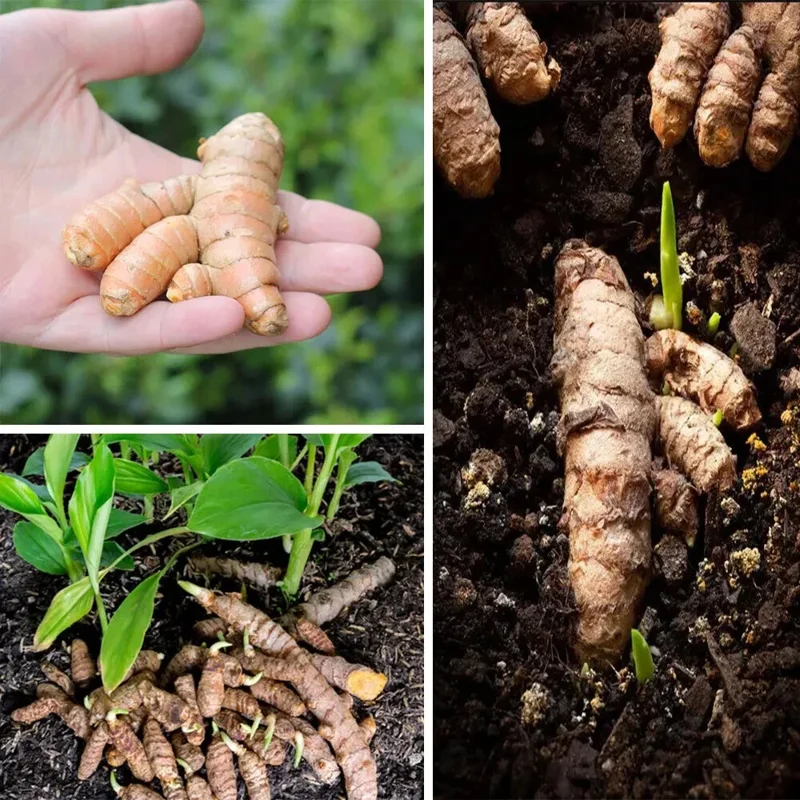
7 Fresh Turmeric Root Plant (Curcuma Longa) Live Rhizomes Ready for Planting – Indoor/Outdoor Herb
Shrub Seeds
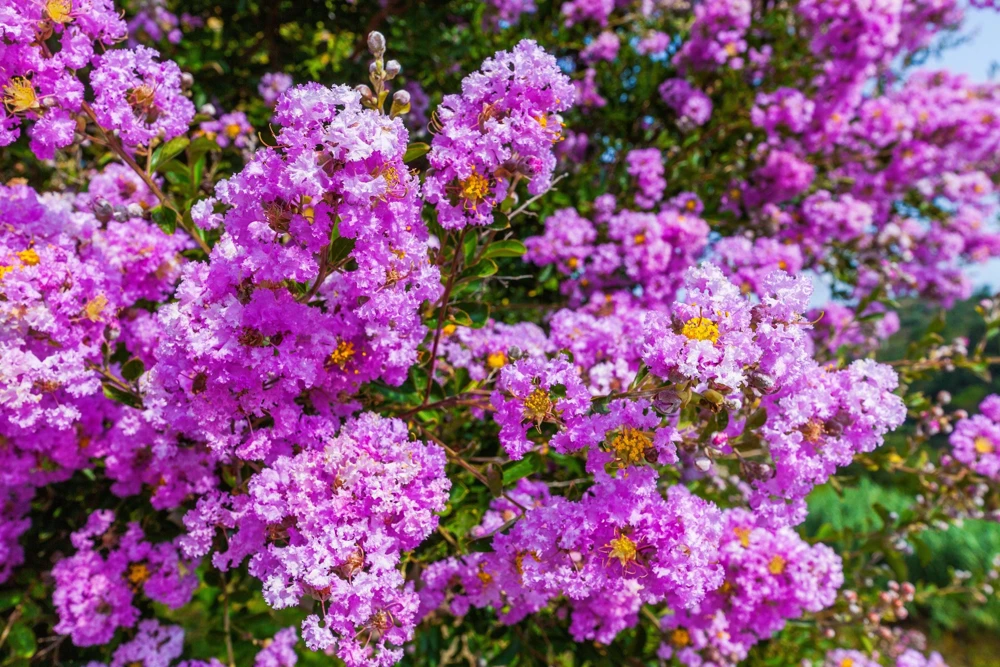
Lilac Crepe Myrtle Seeds – Lagerstroemia Indica – 35 Count – Light Purple Flowering Shrub
Shrubs
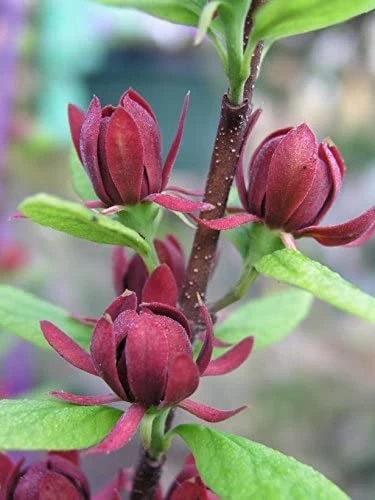
Carolina Allspice Sweet Shrub Live Plant – Calycanthus – Quart Pot – Fragrant Dark Red Blooms
Reviews
There are no reviews yet.