
Green Tea Live Plant – Potted Camellia Sinensis for Home Growing
Original price was: $81.99.$61.99Current price is: $61.99.
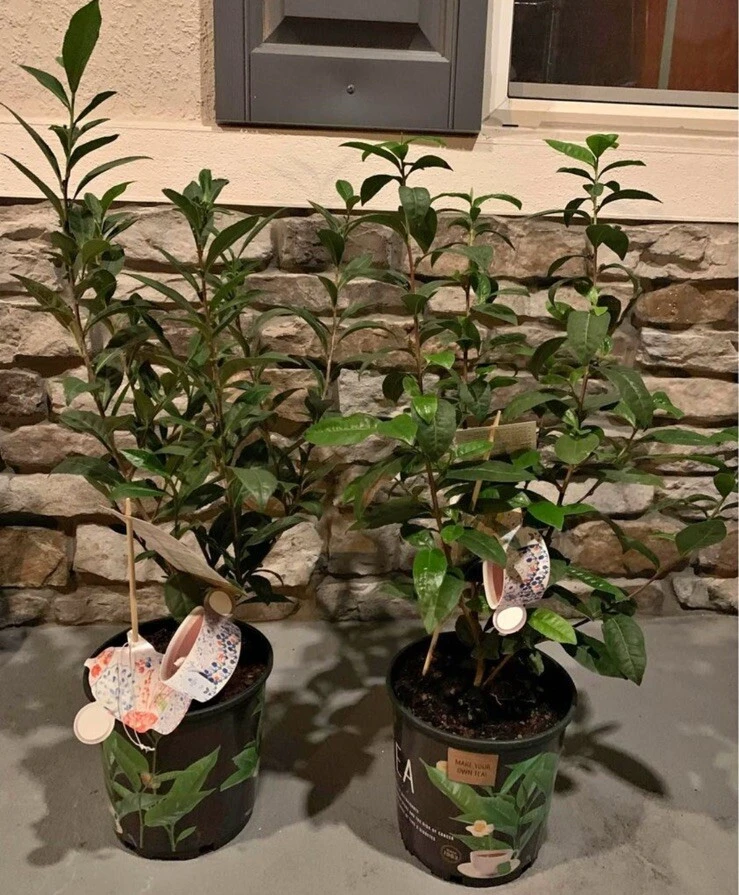
Cultivate your own fresh brew with this beautiful green tea live plant. Perfect for both indoor and outdoor growing, this potted tea plant (Camellia sinensis) offers lush green foliage and the satisfaction of harvesting your own tea leaves. Easy to care for and a delightful addition to any home or garden.
Estimated arrival
Oct 27
Nov 01 - Nov 03
Nov 06 - Nov 10
Shop With Confidence
30-Day Plant Health Guarantee
Arrives damaged? We’ll replace it free — see our return policy.
Responsive Support
Email us anytime, we reply within 1 business day.
Expert Packaging
Temperature-controlled shipping to protect your plants in transit.
Secure Checkout
Pay safely with Visa, Mastercard, PayPal.
Plant Specifications
-
USDA Hardiness Zone
USDA zones 7-9 -
Soil Type
Acidic, well-draining soil -
Sunlight Exposure
Bright indirect light to partial shade -
Expected Planting Period
Year-round indoors, spring to fall outdoors
Overview
Discover the joy of growing your own tea with this exquisite green tea live plant. Known botanically as Camellia sinensis, this plant is the source of all true teas, including green, black, oolong, and white teas. Our green tea live plant comes healthy and established in a pot, ready to thrive in your home or garden. Imagine harvesting fresh leaves to brew your own aromatic and healthful tea. This plant is not only a source of delicious beverages but also an attractive evergreen shrub that adds a touch of elegance to any space. It’s a fantastic choice for tea enthusiasts, gardeners looking for unique edibles, or anyone who appreciates the beauty of a lush, vibrant plant. Growing your own tea offers a deeply satisfying experience, connecting you directly to the source of your daily cup.
The Camellia sinensis plant is renowned for its adaptability and relatively easy care, making it suitable for both novice and experienced gardeners. It’s a versatile plant that can be grown indoors in a bright spot or outdoors in appropriate climates. With its glossy green leaves, the tea plant is a beautiful ornamental addition, whether placed on a patio, balcony, or as part of a garden landscape. Embark on a rewarding gardening journey and enjoy the freshest tea you’ve ever tasted, all from your own cultivated plant.
Key Benefits
Bringing a green tea live plant into your home or garden offers a multitude of benefits, from aesthetic appeal to the unique opportunity to create your own beverages. This versatile plant is more than just a pretty face; it’s a living source of enjoyment and health.
- Fresh Tea Production: The most prominent benefit is the ability to grow your own tea leaves. Harvest fresh leaves to make your own green, black, oolong, or white tea, ensuring the freshest and purest brew possible.
- Beautiful Evergreen Foliage: The Camellia sinensis boasts glossy, dark green leaves that provide year-round beauty. It makes an attractive ornamental plant for indoor spaces or outdoor gardens.
- Air Purification: Like many houseplants, the Camellia sinensis plant contributes to a healthier indoor environment by naturally filtering airborne toxins and improving air quality.
- Educational Experience: Growing a tea plant offers a wonderful educational opportunity, especially for families, to learn about the origins of tea and the process of cultivation from plant to cup.
- Stress Reduction: The act of gardening and caring for plants is known to reduce stress and promote well-being. Nurturing your own potted tea plant can be a calming and rewarding hobby.
- Unique Gift Idea: A live green tea plant makes a thoughtful and unique gift for tea lovers, gardeners, or anyone interested in sustainable living and self-sufficiency.
- Durable and Adaptable: With proper care, the green tea plant is a resilient species that can adapt to various growing conditions, thriving both indoors and outdoors in suitable climates.
Plant Care & Growing Tips
Caring for your green tea live plant is a rewarding experience that requires attention to a few key environmental factors to ensure its health and productivity. These plants prefer a consistent environment, making them excellent candidates for both indoor cultivation and outdoor gardens in temperate regions. Understanding their needs will help your Camellia sinensis plant flourish and provide you with an abundance of tea leaves.
Sunlight requirements: Tea plants thrive in bright, indirect light. If growing indoors, place your potted tea plant near a window that receives morning sun or filtered light throughout the day. Avoid harsh, direct afternoon sun, which can scorch the leaves. Outdoors, choose a location with partial shade, especially in hotter climates, where it can be protected from intense mid-day sun. Aim for at least 4-6 hours of bright, indirect light daily.
Watering schedule and soil moisture preferences: Consistent moisture is crucial for tea plants. The soil should be kept evenly moist but never waterlogged. Water thoroughly when the top inch of soil feels dry to the touch. Ensure good drainage to prevent root rot. Reduce watering slightly during cooler months. For indoor plants, consider using a humidity tray or misting the leaves regularly, especially in dry environments, as they appreciate higher humidity.
Soil type and drainage requirements: Tea plants prefer acidic, well-draining soil with a pH between 4.5 and 6.0. A good potting mix for acid-loving plants, such as those formulated for azaleas or rhododendrons, works well. Incorporating organic matter like compost or pine bark can improve soil structure and acidity. Ensure the pot has drainage holes to allow excess water to escape, which is vital for healthy root development. Good drainage is paramount to prevent waterlogging, which can quickly lead to root issues.
Temperature range and USDA hardiness zone:Camellia sinensis is generally hardy in USDA Zones 7-9, though some varieties can tolerate Zone 6 with protection. They prefer temperatures between 65-80°F (18-27°C). Protect outdoor plants from frost. If grown indoors, avoid placing the plant near drafts or heating/cooling vents that can cause extreme temperature fluctuations. The optimal temperature for healthy growth and leaf production is a consistent, mild climate.
Fertilization schedule and type: Fertilize your green tea live plant during the growing season (spring and summer) every 4-6 weeks with a balanced, acid-loving fertilizer. Look for formulations specifically designed for camellias, azaleas, or rhododendrons. Follow the product instructions for dilution and application rates. Reduce or stop fertilization during the dormant season (fall and winter). Over-fertilization can harm the plant, so it’s always better to under-fertilize than over-fertilize.
Common problems and solutions: Watch out for pests like aphids and spider mites, especially on indoor plants. Treat infestations with insecticidal soap or neem oil. Yellowing leaves can indicate overwatering, nutrient deficiency, or incorrect pH. Adjust watering habits and check soil pH. Brown leaf tips often signal low humidity, so increase misting or use a humidity tray. Ensure your plant is getting adequate light and consistent care to prevent most common issues and keep your tea plant care regimen effective.
Size & Details
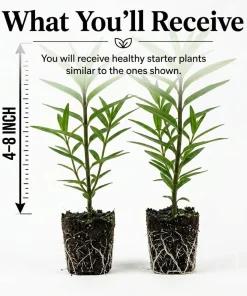
Our green tea live plant is shipped as a healthy, established specimen, ready for immediate planting or continued growth in its pot. The plant typically arrives in a nursery pot, ensuring its roots are protected during transit and it has a strong start in its new environment. The exact height and spread will vary slightly depending on the individual plant, but you can generally expect a compact, bushy form suitable for small gardens or indoor spaces. When mature, the Camellia sinensis can grow into a shrub reaching 6-10 feet tall and wide if planted in the ground, but it can be easily maintained at a smaller size through pruning, especially when grown in a container. The growth rate is moderate, allowing you to enjoy fresh tea leaves within the first year.
This potted tea plant is ideal for those looking to cultivate their own source of tea. It produces small, fragrant white flowers in the fall, adding to its ornamental appeal. The leaves are the primary harvest, ready for plucking when they are young and tender. With consistent care, your tea plant will provide a continuous supply of fresh leaves for brewing, allowing you to enjoy the unique experience of truly homemade tea. Expect your plant to arrive with lush, green foliage, signifying its health and vitality. This plant is a fantastic long-term investment for any tea lover or gardening enthusiast.
Frequently Asked Questions
- Q: How big does this green tea live plant get? A: If planted in the ground, a mature Camellia sinensis can grow 6-10 feet tall and wide. However, when grown in a pot, its size can be easily managed and kept smaller through regular pruning, making it suitable for indoor spaces or patios.
- Q: Is this an indoor or outdoor plant? A: This Camellia sinensis plant is versatile and can be grown both indoors and outdoors. It thrives outdoors in USDA Zones 7-9 with partial shade. Indoors, it needs a bright location with indirect light and consistent humidity.
- Q: How much sunlight does it need? A: Your tea plant care should include providing bright, indirect light for at least 4-6 hours daily. Avoid harsh, direct afternoon sun, which can scorch the leaves, especially for young plants or those grown indoors.
- Q: Is this plant easy to care for? A: Yes, the green tea live plant is relatively easy to care for once its basic needs are met. Consistent watering, acidic soil, and proper light are key to its success, making it good for beginners willing to learn.
- Q: What condition will it arrive in? A: Your potted tea plant will arrive healthy and established in a nursery pot, with its roots protected and foliage intact. It will be ready to continue growing in its current pot or be transplanted.
- Q: Can I use the leaves to make tea right away? A: While the plant will have leaves upon arrival, it’s generally best to allow your green tea live plant to acclimate to its new environment for a few weeks before beginning to harvest leaves for brewing.
- Q: What type of soil is best for my tea plant? A: The Camellia sinensis plant prefers acidic, well-draining soil. A potting mix designed for acid-loving plants like azaleas or rhododendrons, with a pH between 4.5 and 6.0, is ideal.
- Q: How often should I water my tea plant? A: Keep the soil consistently moist but not waterlogged. Water thoroughly when the top inch of soil feels dry to the touch. Good drainage is essential to prevent root rot.
- Q: How long until it produces harvestable leaves? A: With proper tea plant care, you can typically start harvesting tender young leaves within the first year of receiving your established plant. Consistent pruning encourages new growth.
- Q: Is this plant pet-safe? A: Camellia sinensis is generally considered non-toxic to pets. However, it’s always best to prevent pets from consuming large quantities of any plant material.
Be the first to review “Green Tea Live Plant – Potted Camellia Sinensis for Home Growing”
People Also Viewed
Flower Seeds
Reviews
There are no reviews yet.