
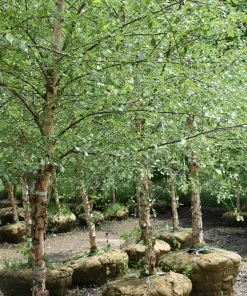
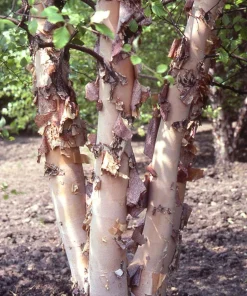
River Birch Tree Betula nigra – Bare Root Live Plant, 12-24in Height
Original price was: $74.99.$49.99Current price is: $49.99.
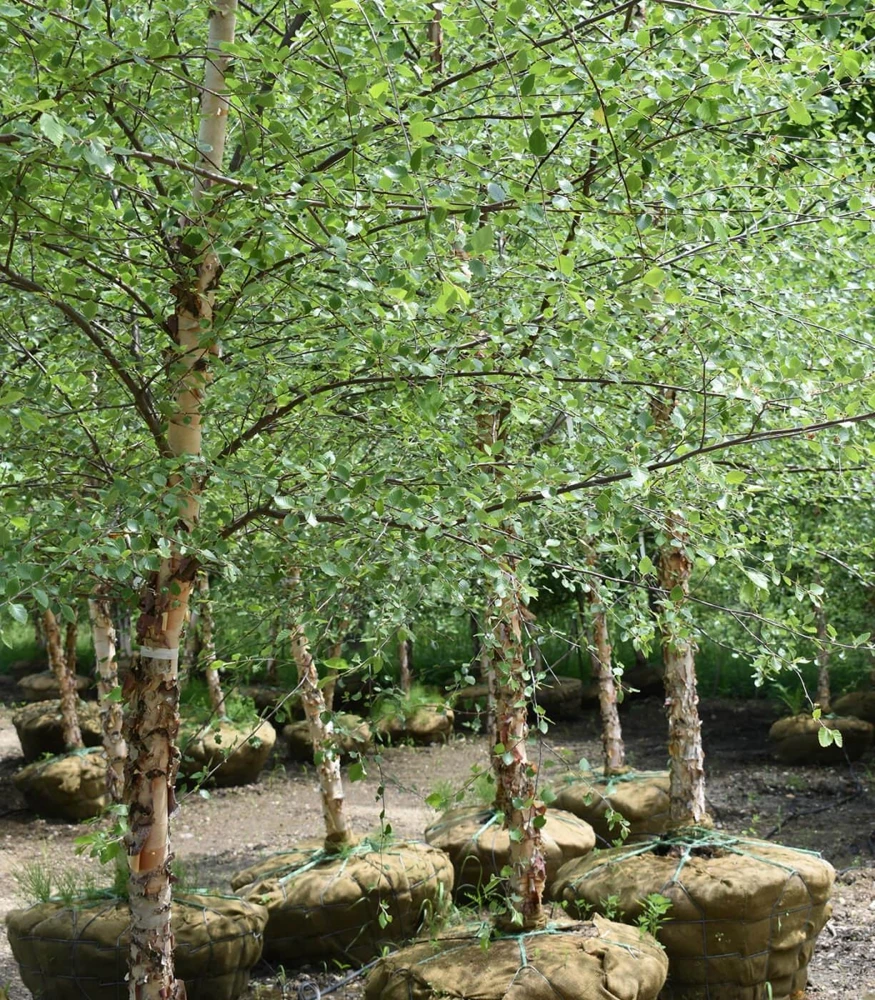
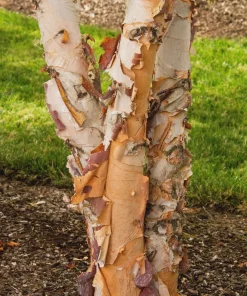
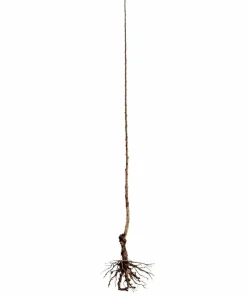
Bring natural beauty to your landscape with a river birch tree (Betula nigra). This betula nigra bare root plant is a fast-growing, native shade tree, arriving at 12-24 inches minimum height. Enjoy its distinctive exfoliating bark and heat tolerance, making it an excellent choice for various garden designs.
Estimated arrival
Sep 29
Oct 04 - Oct 06
Oct 09 - Oct 13
Shop With Confidence
30-Day Plant Health Guarantee
Arrives damaged? We’ll replace it free — see our return policy.
Responsive Support
Email us anytime, we reply within 1 business day.
Expert Packaging
Temperature-controlled shipping to protect your plants in transit.
Secure Checkout
Pay safely with Visa, Mastercard, PayPal.
Plant Specifications
-
USDA Hardiness Zone
USDA zones 4-9 -
Soil Type
Moist, acidic, well-draining soil -
Sunlight Exposure
Full sun to partial shade -
Expected Planting Period
Early spring or late fall
Overview
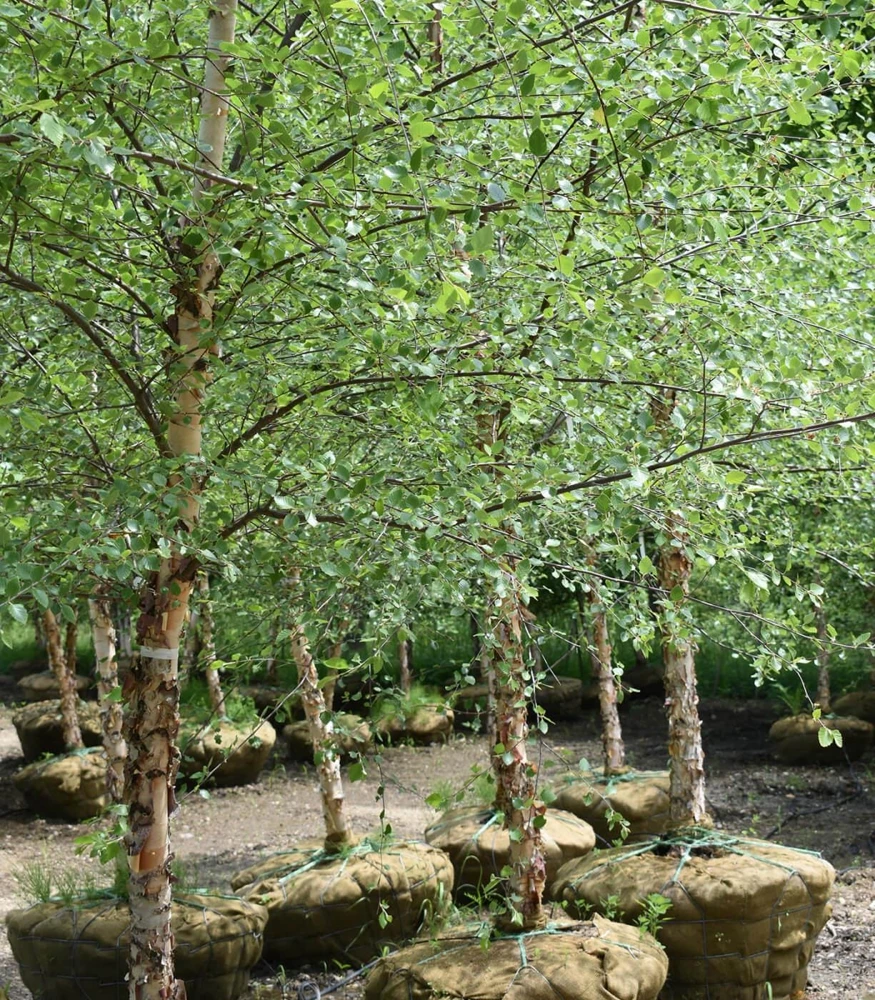
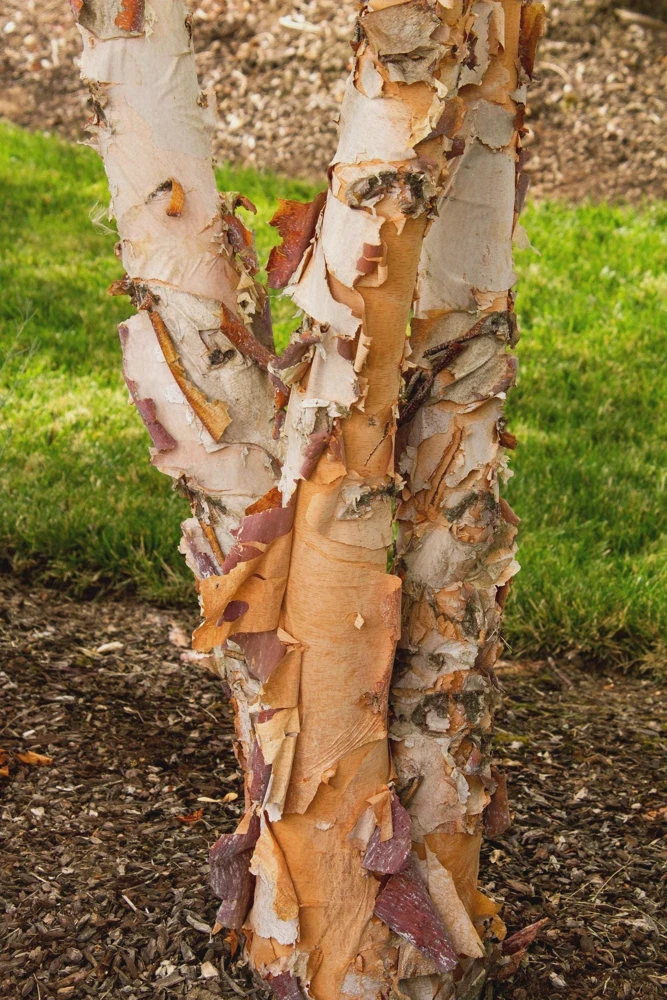
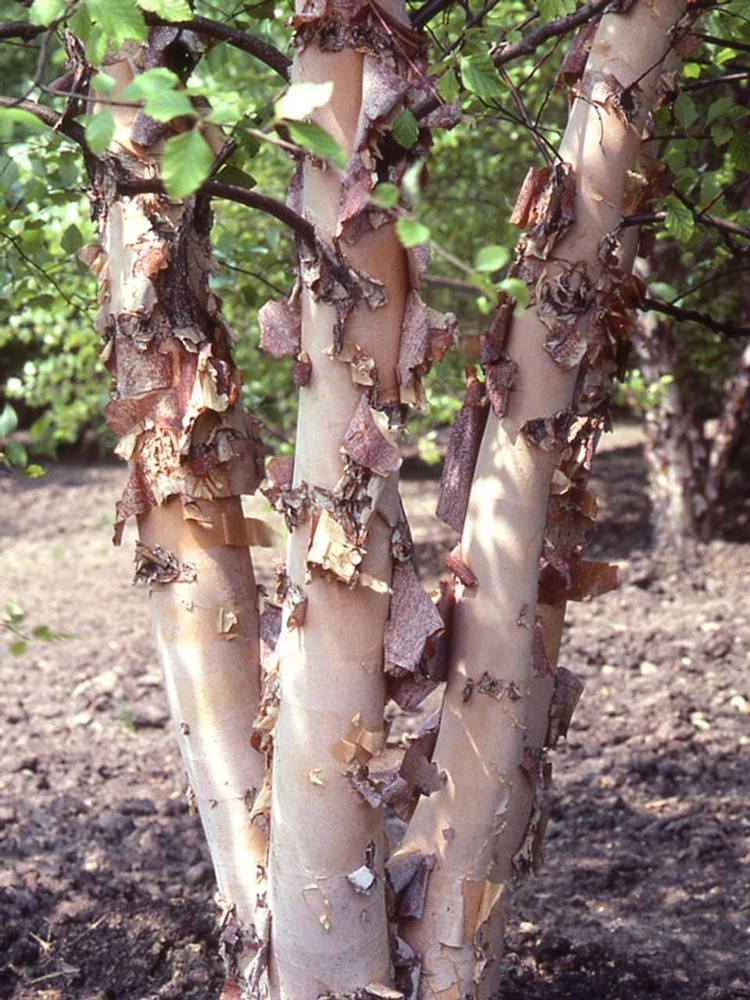
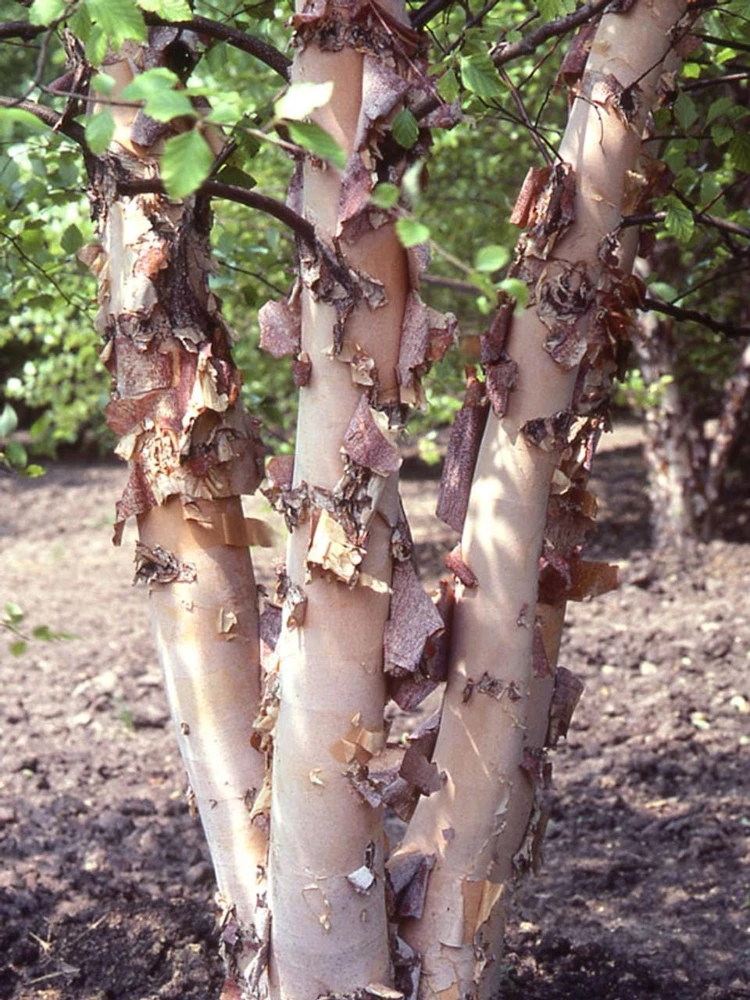
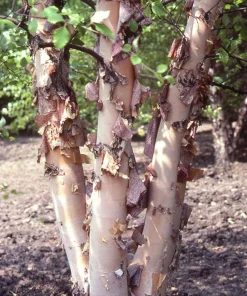
Enhance your landscape with a beautiful river birch tree (Betula nigra), a spectacular native deciduous shade tree known for its rapid growth and distinctive aesthetic appeal. This offering is for a live bare root plant, typically measuring 12-24 inches in height upon arrival, ready to establish itself in your garden. The river birch tree is celebrated for its unique exfoliating bark, which peels back to reveal captivating layers of salmon, cinnamon, and tan hues, providing visual interest throughout all seasons. A favorite among landscapers, this tree is not only visually striking but also highly practical due to its impressive heat tolerance and natural resistance to the bronze birch borer, a common pest that can afflict other birch varieties. Its robust nature makes it a reliable and beautiful addition to many garden settings, offering both shade and ornamental value.
The Betula nigra, commonly known as river birch tree, thrives in various conditions and is particularly well-suited for areas with moist soil, making it ideal for planting near water features or in rain gardens. Its graceful, spreading canopy offers welcome shade during warmer months, while its unique bark ensures it remains a focal point even in winter. This fast growing shade tree quickly establishes itself, allowing you to enjoy its benefits sooner rather than later. Whether you’re looking to create a naturalized area, add a specimen tree, or simply enjoy a tree with year-round appeal, the river birch is an excellent choice for its beauty and resilience.
Key Benefits
The river birch tree offers numerous advantages that make it a highly desirable addition to any garden or landscape. Its combination of beauty, resilience, and ecological benefits ensures it stands out.
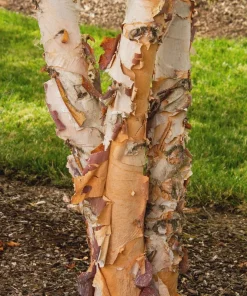
- Distinctive Exfoliating Bark: One of the most cherished features of the river birch tree is its beautiful peeling bark, which reveals a mosaic of salmon, cinnamon, and tan colors. This unique characteristic provides significant visual interest, especially during the winter months when other trees may be dormant, ensuring year-round appeal.
- Fast-Growing Shade Tree: As a fast growing shade tree, the river birch quickly establishes itself and provides ample shade, making it perfect for cooling your home or creating comfortable outdoor living spaces. Its rapid growth allows you to enjoy its benefits sooner.
- Heat and Drought Tolerance: Unlike many other birch species, Betula nigra is remarkably heat tolerant and can withstand periods of drought once established. This makes it a robust choice for various climates and reduces the need for constant watering.
- Bronze Birch Borer Resistance: The river birch is naturally resistant to the bronze birch borer, a common and destructive pest that affects many other birch varieties. This inherent resistance makes it a more low-maintenance and long-lived option for your landscape.
- Native to North America: As a native species, the river birch supports local ecosystems by providing habitat and food for wildlife. Planting native species helps to maintain biodiversity and ecological balance in your area.
- Adaptable to Various Soils: While it prefers moist, acidic soils, the river birch is quite adaptable and can tolerate a range of soil types, including clay. This versatility makes it suitable for a broader array of planting locations.
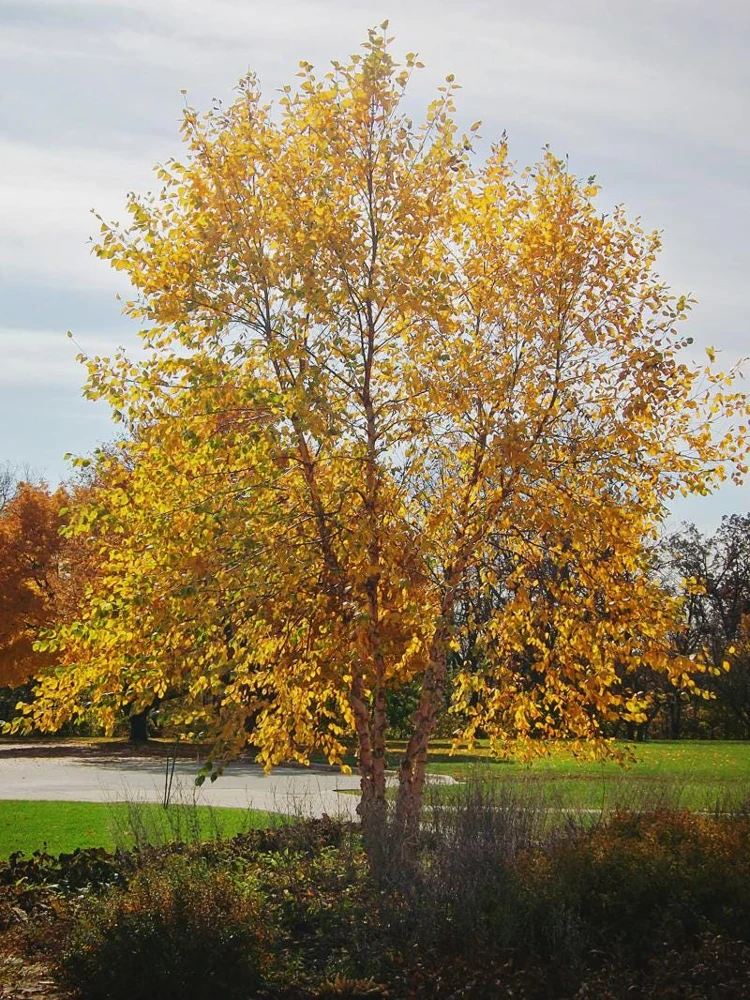
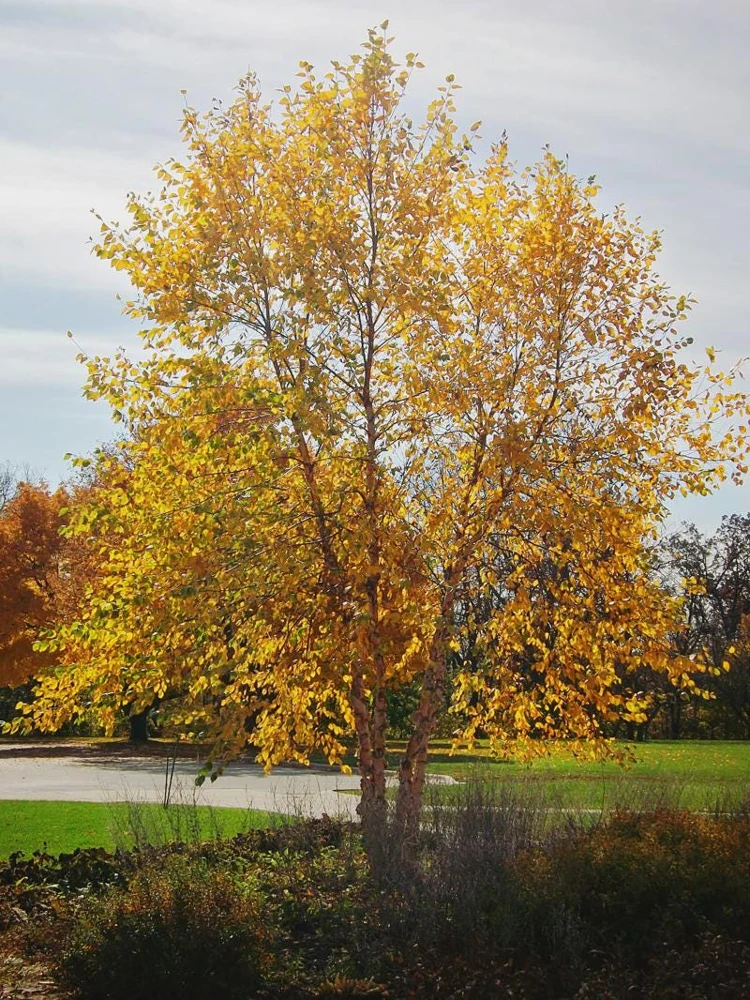
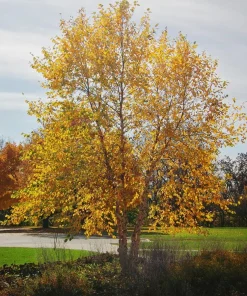
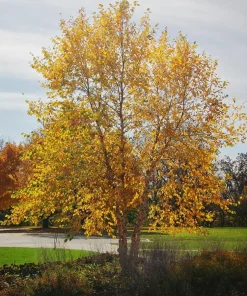
- Attractive Foliage: In addition to its bark, the river birch boasts attractive diamond-shaped green leaves that turn a lovely yellow in the fall, adding another layer of seasonal beauty to your garden.
Plant Care & Growing Tips
Caring for your river birch tree is relatively straightforward, especially given its hardy nature. To ensure optimal growth and health for your betula nigra bare root plant, consider the following guidelines. This fast growing shade tree thrives in full sun to partial shade, meaning it prefers at least 4-6 hours of direct sunlight per day. While it can tolerate some shade, more sun generally leads to better bark coloration and a more vigorous growth habit. When planting, choose a location with moist, well-draining soil. River birches naturally grow along riverbanks, so they appreciate consistent moisture, especially during their establishment phase.
Watering is crucial for a newly planted bare root river birch. Keep the soil consistently moist, but avoid waterlogging. Once established, the tree becomes more tolerant of varying moisture levels, though it will still perform best with regular watering during dry spells. Fertilization is generally not required in the first year after planting. In subsequent years, a balanced, slow-release fertilizer can be applied in early spring, following product instructions. The river birch is hardy in USDA zones 4-9, demonstrating good cold hardiness and heat tolerance. Pruning should be done in late summer or early fall to avoid excessive sap bleeding, focusing on removing any dead, damaged, or crossing branches to maintain a strong structure and open canopy. Watch out for common issues like leaf spot, though serious problems are rare for this robust species.
Size & Details
This offering is for one river birch tree, provided as a betula nigra bare root starter plant. Upon arrival, the tree will typically measure between 12 and 24 inches in height, offering a robust foundation for establishment. Bare root plants are an economical and efficient way to plant trees, as they are dormant and ready to burst into growth once planted. The mature size of a river birch can vary, but it commonly reaches heights of 40-70 feet with a spread of 30-60 feet, forming a broad, rounded canopy that provides excellent shade. Its growth rate is considered fast, often adding 1-2 feet per year once established. Expect this tree to begin showing its characteristic exfoliating bark tree features within a few years of planting.
The river birch tree is a long-lived species, often gracing landscapes for 50-70 years or more with proper care. Its multi-stemmed growth habit is common, adding to its naturalistic appeal. While it ships bare root, it will quickly develop a strong root system and begin to leaf out once planted in its permanent location. This particular size is ideal for planting projects where you want a young tree that will grow quickly and adapt well to its new environment. The 12-24 inch height provides a good balance between ease of planting and a head start on growth for this magnificent exfoliating bark tree.
Frequently Asked Questions
- Q: How big does this river birch tree get? A: A mature river birch tree typically reaches heights of 40-70 feet with a spread of 30-60 feet, developing a beautiful, wide canopy. It is a fast growing shade tree that will provide substantial shade as it matures.
- Q: Is this an indoor or outdoor plant? A: The river birch tree is an outdoor plant, best suited for landscaping and garden settings where it has ample space to grow to its full mature size. It is not suitable for indoor cultivation.
- Q: How much sunlight does the river birch need? A: This tree thrives in full sun to partial shade, ideally receiving at least 4-6 hours of direct sunlight daily for optimal growth and bark coloration.
- Q: What condition will the bare root plant arrive in? A: Your betula nigra bare root plant will arrive dormant, without soil around its roots, and typically measures 12-24 inches in height. This is a standard and healthy way to ship deciduous trees for planting.
- Q: Is the river birch tree easy to care for? A: Yes, the river birch is known for being relatively low-maintenance once established. It’s tolerant of heat and resistant to common pests like the bronze birch borer, making it a good choice for various gardeners.
- Q: When is the best time to plant a bare root river birch? A: The ideal time to plant a bare root river birch is in early spring or late fall when the tree is dormant. This allows it to establish its root system before the stress of summer heat or winter cold.
- Q: Will this tree survive winter in my zone? A: The river birch tree is hardy in USDA zones 4-9, meaning it can withstand a wide range of winter temperatures and is suitable for many regions across the United States. It’s a very resilient option for an exfoliating bark tree.
- Q: What kind of soil does a river birch prefer? A: River birches prefer moist, acidic, well-draining soil but are adaptable to a variety of soil types, including clay, as long as they receive adequate moisture.
- Q: Does this tree have good fall color? A: Yes, the foliage of the river birch tree turns an attractive yellow in the fall, adding another layer of seasonal interest to its already beautiful exfoliating bark.
- Q: What makes this a good choice for a shade tree? A: Its rapid growth rate and broad, spreading canopy make it an excellent choice for a fast growing shade tree, providing ample relief from the sun during warmer months.
Be the first to review “River Birch Tree Betula nigra – Bare Root Live Plant, 12-24in Height”
People Also Viewed

Vegetable Seeds
100 Dale Sorghum Seeds – Bicolor Syrup, Flour, Grain, Vegetable
Reviews
There are no reviews yet.