
5 Virginia Bluebell Bulbs – Blue Bell Wildflower Roots – Shade Perennial Plants
Original price was: $39.98.$21.99Current price is: $21.99.
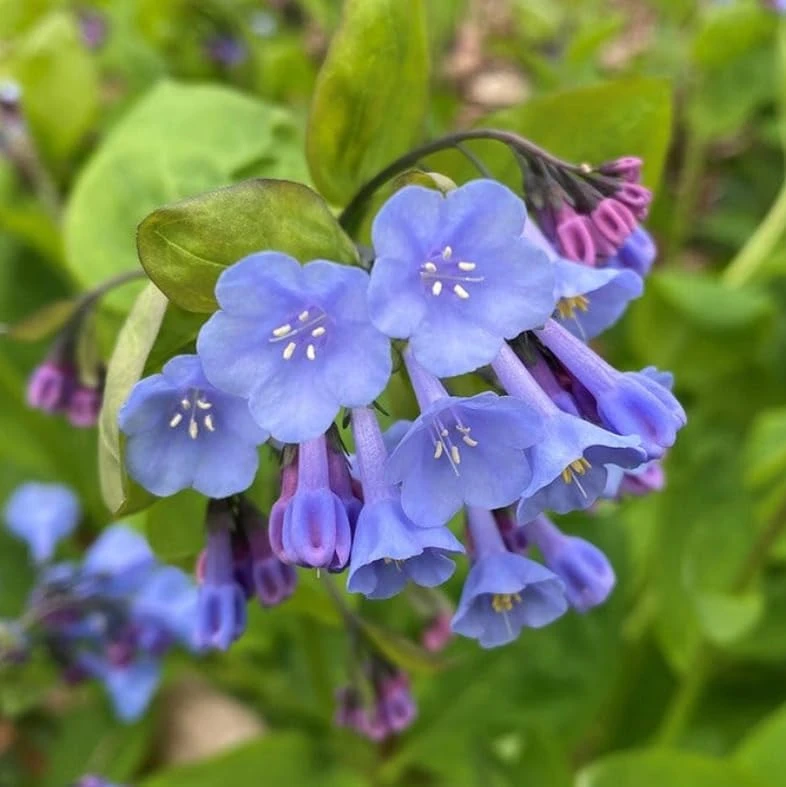
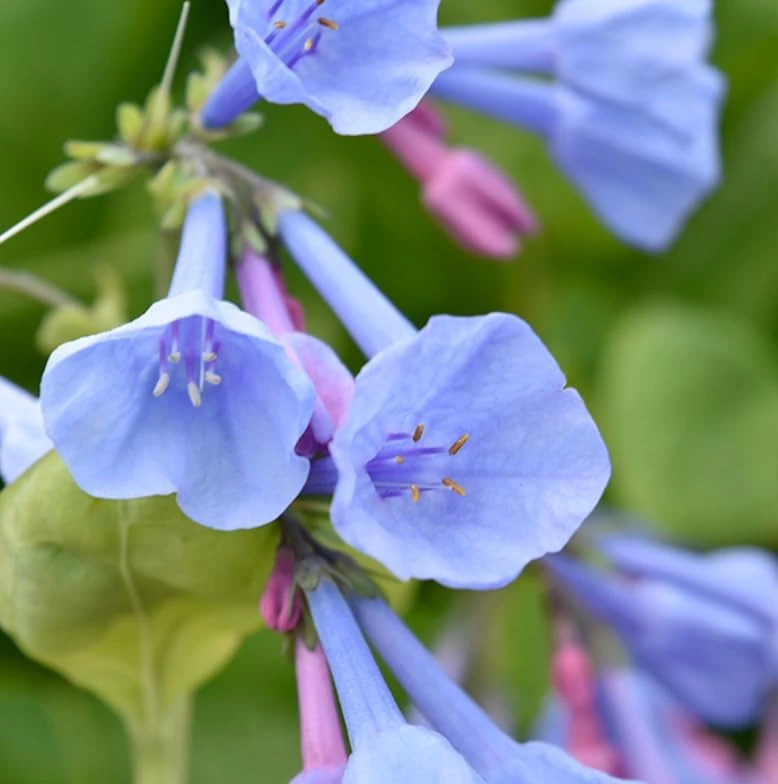
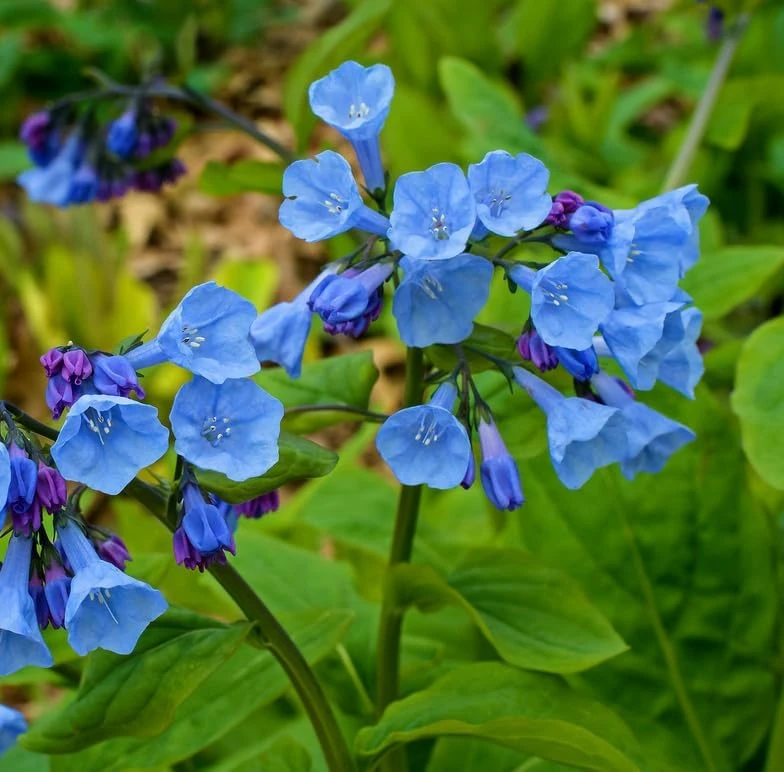
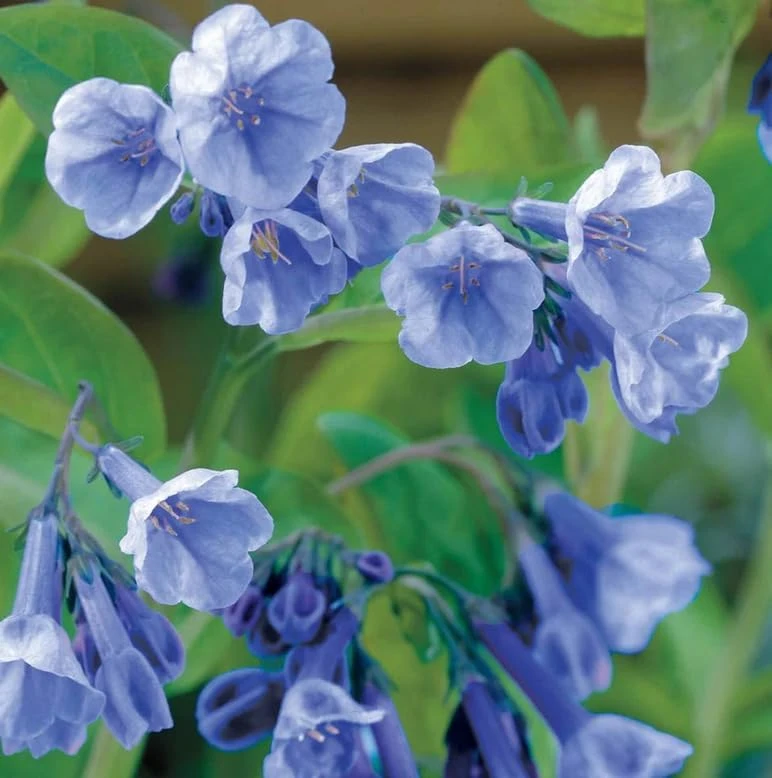
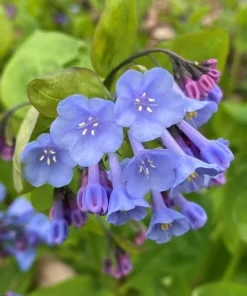
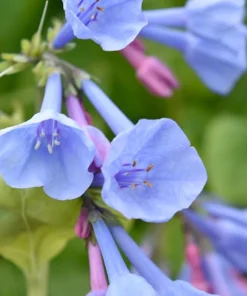
Plant these Virginia Bluebell bulbs to create a breathtaking spring display in your shade garden. These Bluebell wildflower roots offer magical color-changing blooms, shifting from pink buds to sky-blue flowers. Perfect for naturalizing and adding authentic charm to shaded borders, they are a fantastic choice for low-maintenance shade plants.
Estimated arrival
Oct 13
Oct 18 - Oct 20
Oct 23 - Oct 27
Shop With Confidence
30-Day Plant Health Guarantee
Arrives damaged? We’ll replace it free — see our return policy.
Responsive Support
Email us anytime, we reply within 1 business day.
Expert Packaging
Temperature-controlled shipping to protect your plants in transit.
Secure Checkout
Pay safely with Visa, Mastercard, PayPal.
Plant Specifications
-
USDA Hardiness Zone
USDA Zones 3-8 -
Soil Type
Rich, well-draining soil, high in organic matter -
Sunlight Exposure
Partial to full shade -
Expected Planting Period
Fall or early spring
Overview
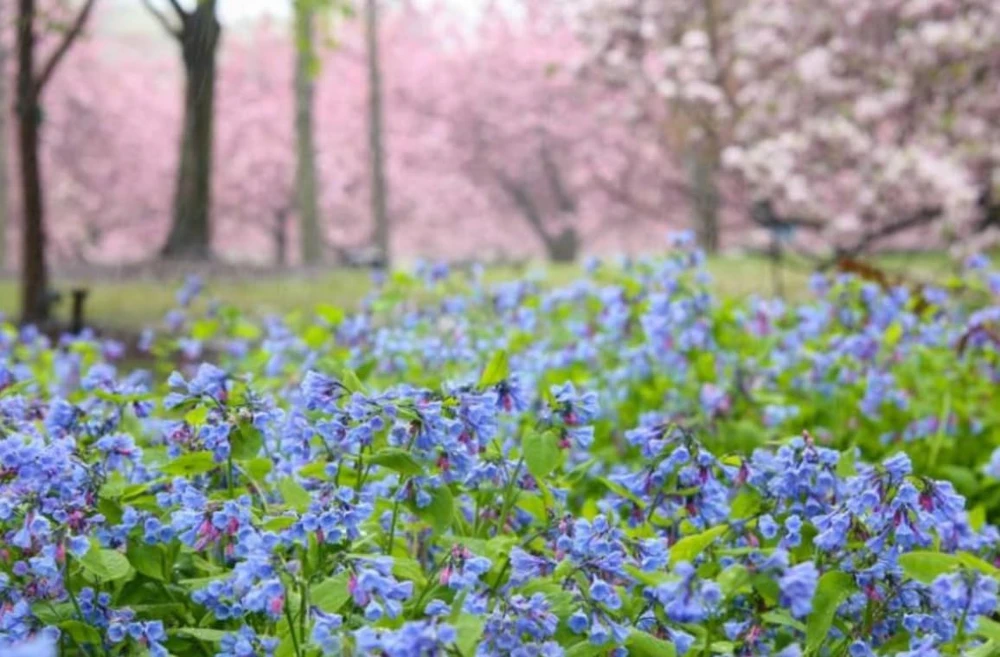
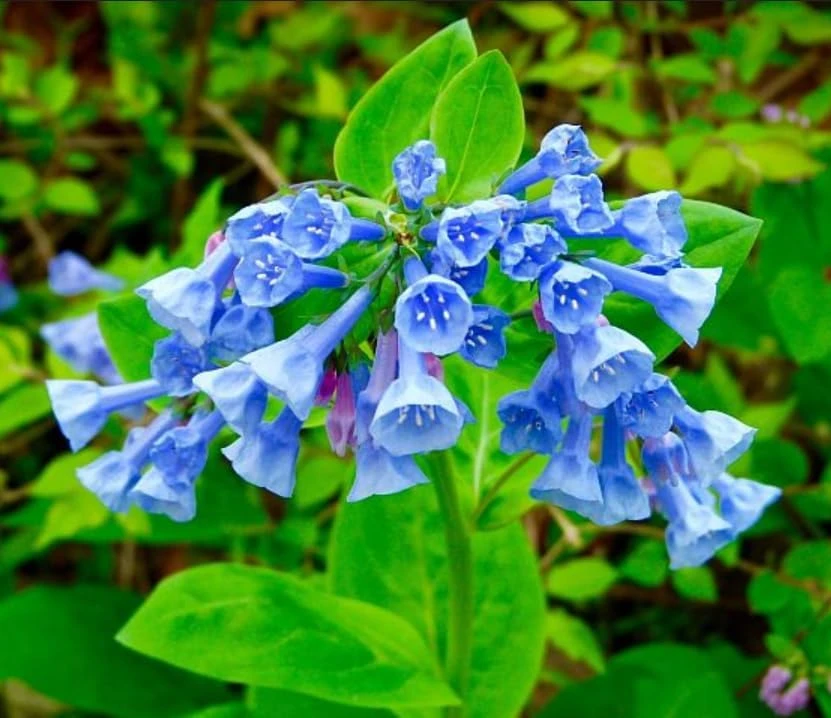
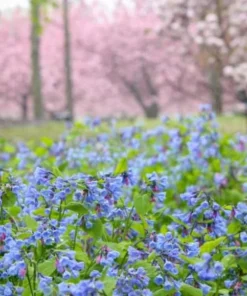
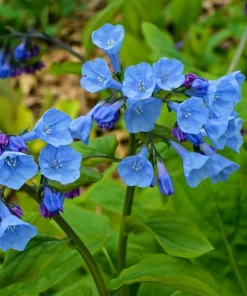
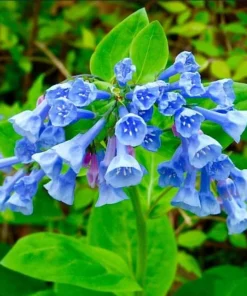
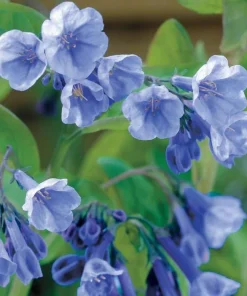
Transform your shaded landscape into a vibrant spring oasis with these enchanting Virginia Bluebell bulbs. Known botanically as Mertensia virginica, these beloved native wildflowers are a true spectacle, emerging each spring to unfurl clusters of bell-shaped blooms. What makes them truly magical is their color-changing journey: starting as charming pink buds, they gracefully mature into heavenly sky-blue flowers, creating a mesmerizing two-toned display. The entire show lasts for several spectacular weeks, blanketing your garden in a breathtaking carpet of blue. After their stunning floral performance, the attractive heart-shaped leaves provide lush green groundcover before the plants naturally go dormant in summer, making space for other seasonal flora. These shade perennial plants are ideal for naturalizing in woodland settings or bringing authentic wildflower charm to any shaded border, offering effortless beauty year after year.
Key Benefits
Adding Virginia Bluebell bulbs to your garden provides an array of delightful advantages, enhancing both the aesthetic appeal and ecological value of your outdoor space. These spring ephemerals are celebrated for their unique characteristics and ease of growth, making them a top choice for gardeners seeking reliable and beautiful additions.
- Magical Color-Changing Blooms: Witness the captivating transformation as delicate pink flower buds gradually open into stunning sky-blue bells. This dynamic color shift provides a unique visual interest, ensuring your garden offers a fresh look daily throughout the blooming period. These beautiful blooms are a hallmark of Mertensia virginica care.
- Perfect for Challenging Shade Spots: Unlike many flowering plants that demand full sun, Virginia Bluebells thrive in deep shade and woodland conditions where other plants struggle. They bring vibrant, much-needed spring color to these often-overlooked areas, turning challenging spots into picturesque displays.
- Naturalizes into Stunning Colonies: Over time, these Bluebell wildflower roots will gently spread, forming magnificent drifts and colonies. This naturalization creates an effortless, woodland-style landscape that looks as if nature itself painted your garden with swathes of blue, adding depth and character.
- Low-Maintenance Spring Spectacle: For busy gardeners, Virginia Bluebells are a dream come true. They emerge reliably each spring, bloom magnificently, then quietly disappear until the following year, requiring virtually zero care or attention once established. This makes them excellent low-maintenance shade plants.
- Attracts Pollinators: The bell-shaped flowers are a magnet for early spring pollinators, including bees and butterflies, contributing to the biodiversity and health of your garden ecosystem.
- Deer Resistant: Fortunately, deer tend to leave Virginia Bluebells alone, allowing you to enjoy their beauty without the worry of browsing damage.
- Native Wildflower Charm: As a native species, Virginia Bluebells bring an authentic, natural aesthetic to your garden, connecting it to the local ecosystem and historical landscapes.
Plant Care & Growing Tips
Caring for your Virginia Bluebell bulbs is remarkably simple, making them an excellent choice for both novice and experienced gardeners. These resilient plants are largely self-sufficient once established, requiring minimal intervention to thrive and return year after year. Understanding their basic needs will ensure a successful and vibrant spring display.
For sunlight exposure, Virginia Bluebells prefer partial to full shade. They are woodland plants that naturally bloom in early spring before deciduous trees leaf out, allowing them to capture sunlight. Once the tree canopy fills in, they are happy in the shade. Plant them in an area that receives morning sun and afternoon shade, or dappled light throughout the day. When it comes to watering, consistent moisture is key, especially during their active growing and blooming period in spring. The soil should be kept moist but never waterlogged, as excessive wetness can lead to rot. Once they go dormant in summer, they require very little to no supplemental watering.
These shade perennial plants prefer rich, well-draining soil that is high in organic matter. Amending your planting site with compost or leaf mold will provide the ideal conditions. The optimal pH for Virginia Bluebells is slightly acidic to neutral. They are hardy in USDA Zones 3-8, tolerating a wide range of climates. Fertilization is generally not necessary if planted in rich soil; however, a light application of a balanced, slow-release granular fertilizer in early spring can boost vigor, particularly in poorer soils. Watch out for slugs and snails, which can occasionally munch on their foliage, especially in damp conditions. Proper Mertensia virginica care ensures a stunning display each spring.
Size & Details
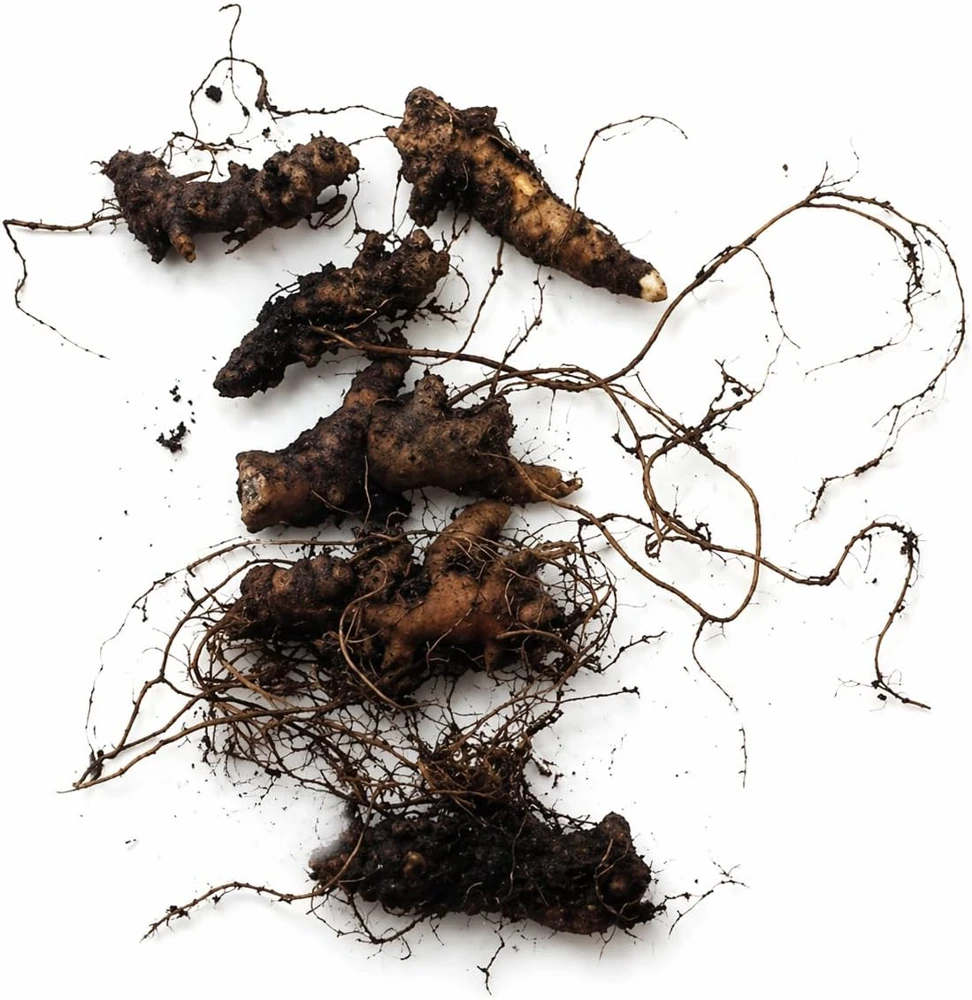
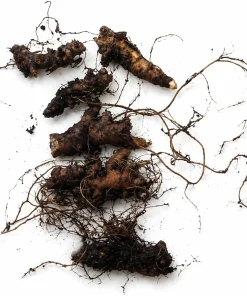
This offering includes 5 Virginia Bluebell bulbs, ready to plant and establish in your garden. Each bulb is carefully selected to ensure vigorous growth and abundant blooms. Virginia Bluebells typically grow to a height of 12-24 inches (30-60 cm) with a similar spread when mature, forming attractive clumps. They have a moderate growth rate, spreading gently over time to create beautiful colonies. These plants are shipped as dormant bulbs, which is the ideal form for planting in fall or early spring. Expect them to emerge and bloom in early to mid-spring, typically from March to May, depending on your climate zone. The heart-shaped leaves provide attractive groundcover for several weeks after blooming before the plant naturally goes dormant in summer, disappearing completely until the following spring. This ephemeral nature makes them perfect companions for other later-emerging perennials.
Frequently Asked Questions
- Q: How big do these Virginia Bluebell plants get? A: Virginia Bluebells typically grow to a height of 12-24 inches (30-60 cm) and can spread to a similar width, forming attractive clumps over time. Their size can vary slightly based on growing conditions and maturity.
- Q: Is this an indoor or outdoor plant? How much sunlight does it need? A: These are outdoor plants, specifically shade perennial plants. They thrive in partial to full shade, preferring morning sun with afternoon shade or dappled light throughout the day, mimicking their natural woodland habitat.
- Q: Is this plant easy to care for? Is it good for beginners? A: Yes, Virginia Bluebells are very easy to care for and are an excellent choice for beginners. Once established, they require minimal attention, emerging reliably each spring and going dormant in summer with little fuss. They are truly low-maintenance shade plants.
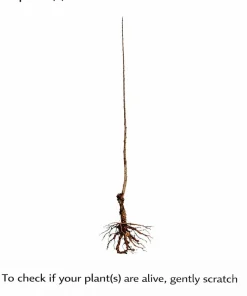
- Q: What condition will the Virginia Bluebell bulbs arrive in? A: Your Virginia Bluebell bulbs will arrive dormant, which is their natural state for planting. They may appear dry, but this is normal and ensures successful establishment once planted in suitable conditions.
- Q: When is the best time to plant these Bluebell wildflower roots? A: The best time to plant Bluebell wildflower roots is in the fall, allowing them to establish their root system over winter for spring blooms. They can also be planted in early spring as soon as the ground can be worked.
- Q: Will Virginia Bluebells survive winter in my zone? What’s the minimum temperature? A: Yes, Virginia Bluebells are very cold hardy and are suitable for USDA Zones 3-8. They can tolerate freezing temperatures well below 0°F (-18°C) when dormant, provided they have adequate snow cover or mulch for insulation.
- Q: How long until these bulbs bloom after planting? A: If planted in the fall, your Virginia Bluebell bulbs will typically bloom the following spring. If planted in early spring, they may bloom in their first year, depending on planting time and local climate conditions.
- Q: Do these plants attract pollinators? A: Yes, Virginia Bluebells are excellent for attracting early spring pollinators, including various species of bees and butterflies, making them a beneficial addition to any pollinator garden.
Be the first to review “5 Virginia Bluebell Bulbs – Blue Bell Wildflower Roots – Shade Perennial Plants”
People Also Viewed


Reviews
There are no reviews yet.