
20 Virginia Bluebell Bare Roots – Mertensia virginica – Wildflower Plants
Original price was: $85.98.$47.99Current price is: $47.99.
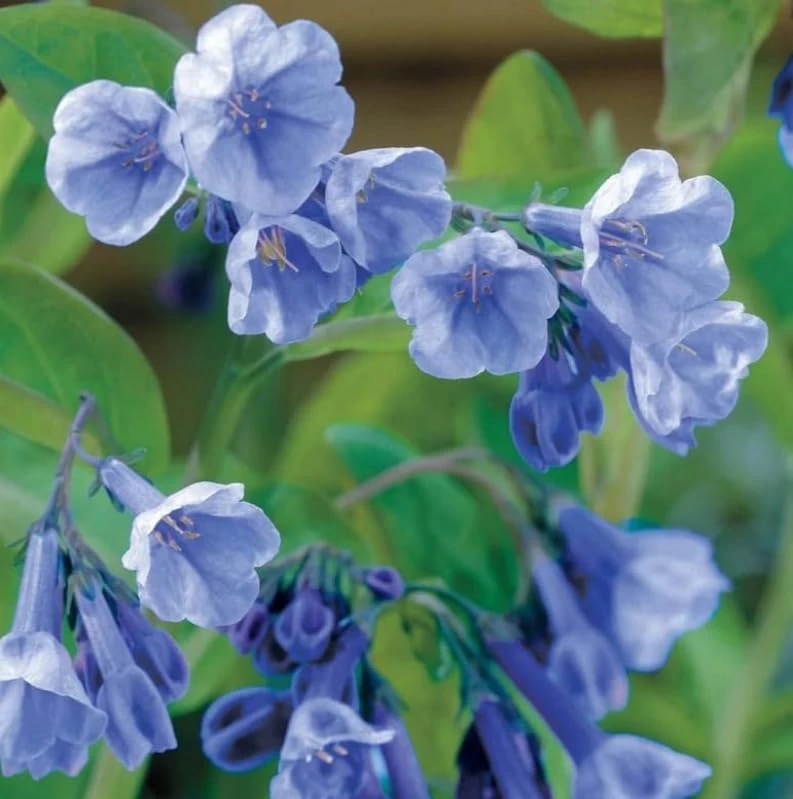
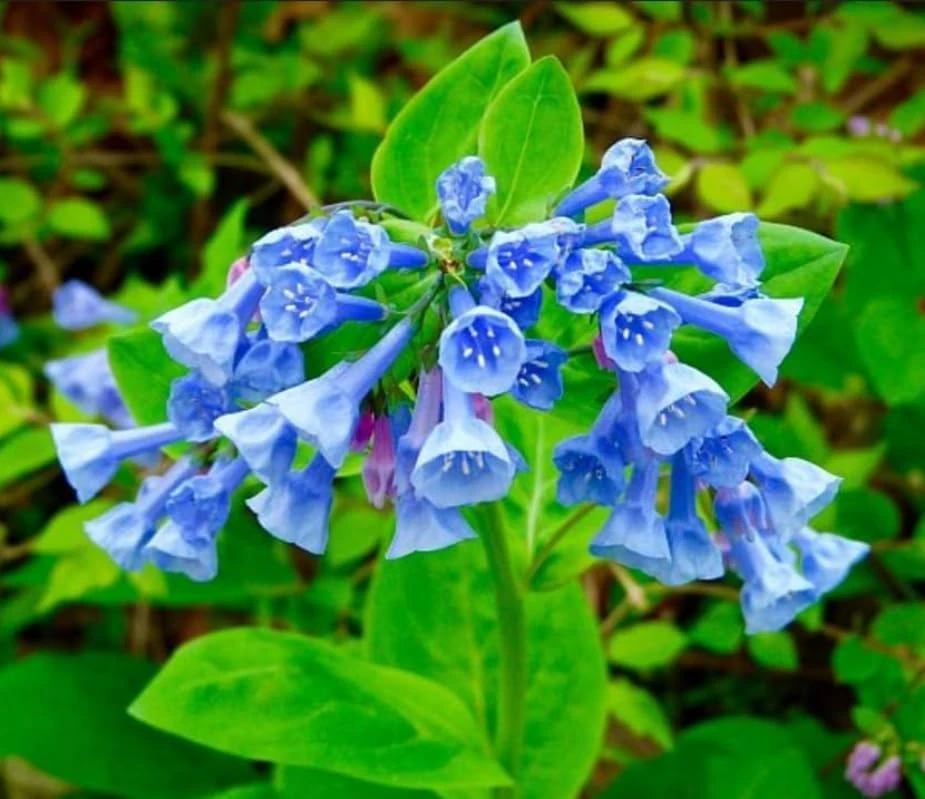
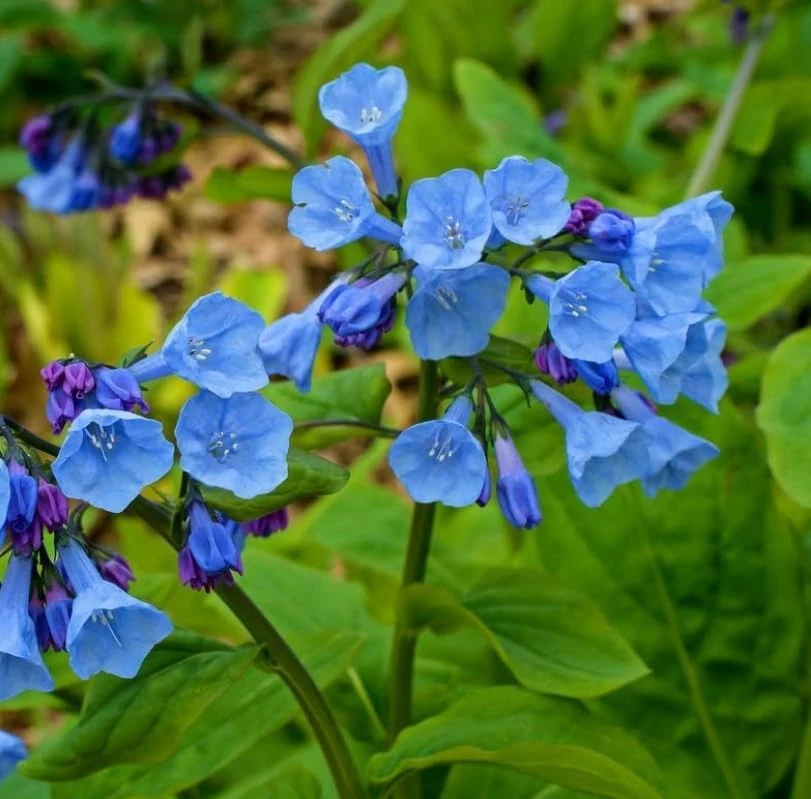
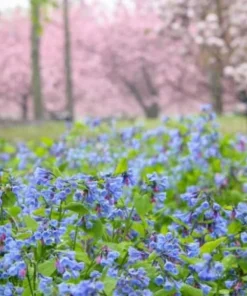
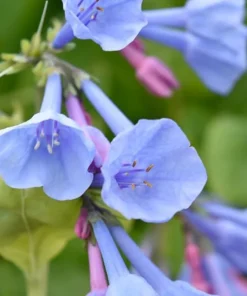
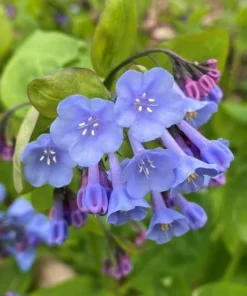
Bring enchanting blue hues to your landscape with these 20 Virginia Bluebell bare roots. Perfect for naturalizing in shady garden spots, these Mertensia virginica wildflowers are known for their nodding, bell-shaped flowers and early spring display. Easy to establish and maintain, they create a stunning, ephemeral carpet of color.
Estimated arrival
Oct 13
Oct 18 - Oct 20
Oct 23 - Oct 27
Shop With Confidence
30-Day Plant Health Guarantee
Arrives damaged? We’ll replace it free — see our return policy.
Responsive Support
Email us anytime, we reply within 1 business day.
Expert Packaging
Temperature-controlled shipping to protect your plants in transit.
Secure Checkout
Pay safely with Visa, Mastercard, PayPal.
Plant Specifications
-
USDA Hardiness Zone
USDA Zones 3-8 -
Soil Type
Moist, well-draining, rich in organic matter -
Sunlight Exposure
Partial to full shade -
Expected Planting Period
Fall or early spring
Overview
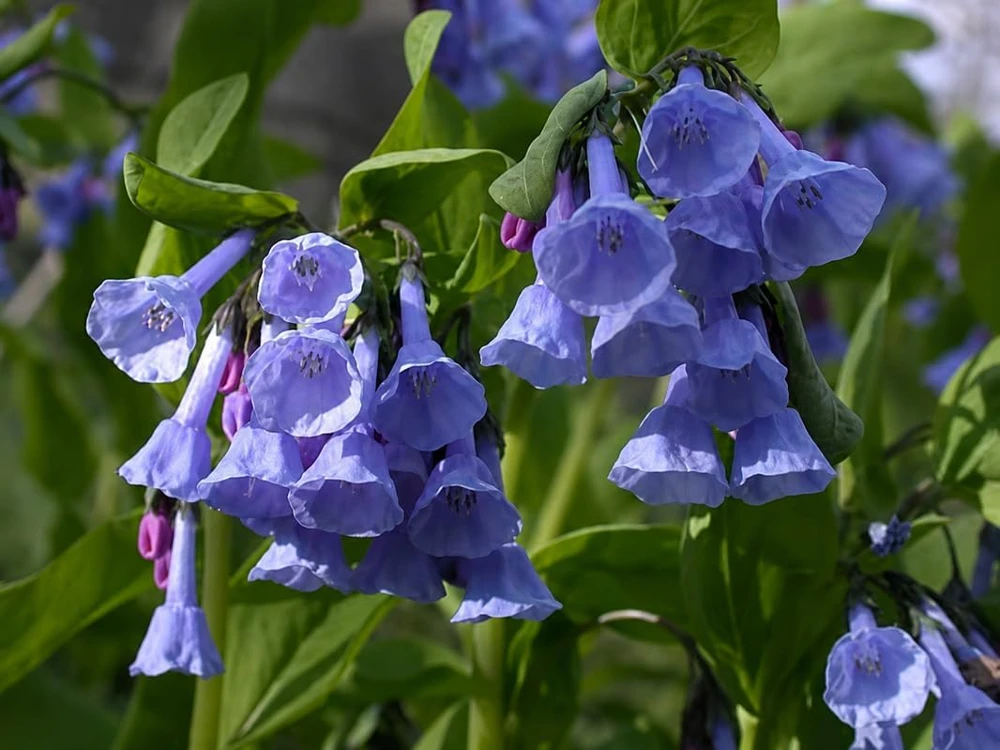
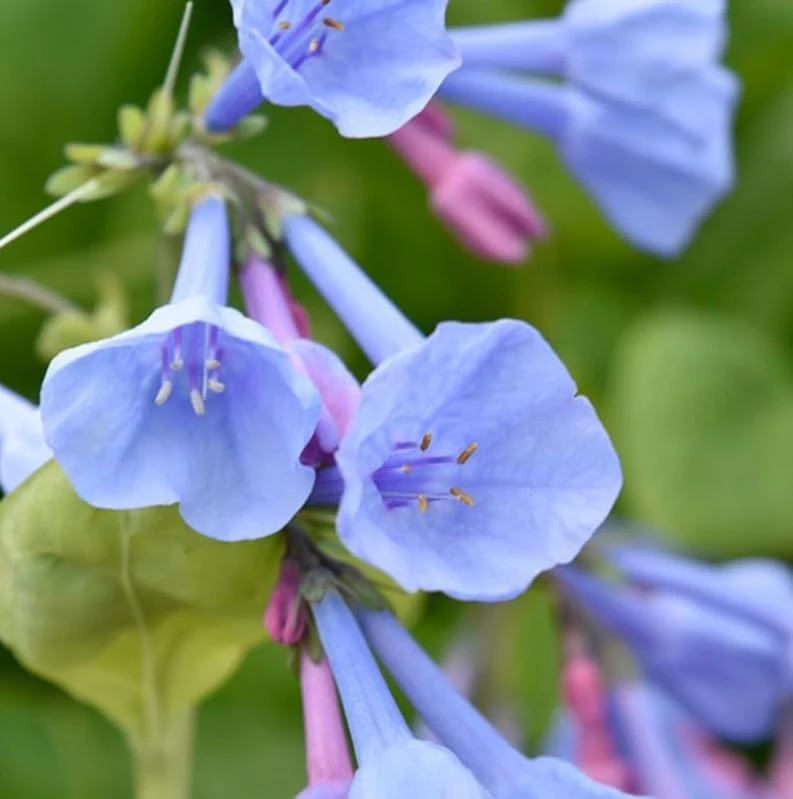
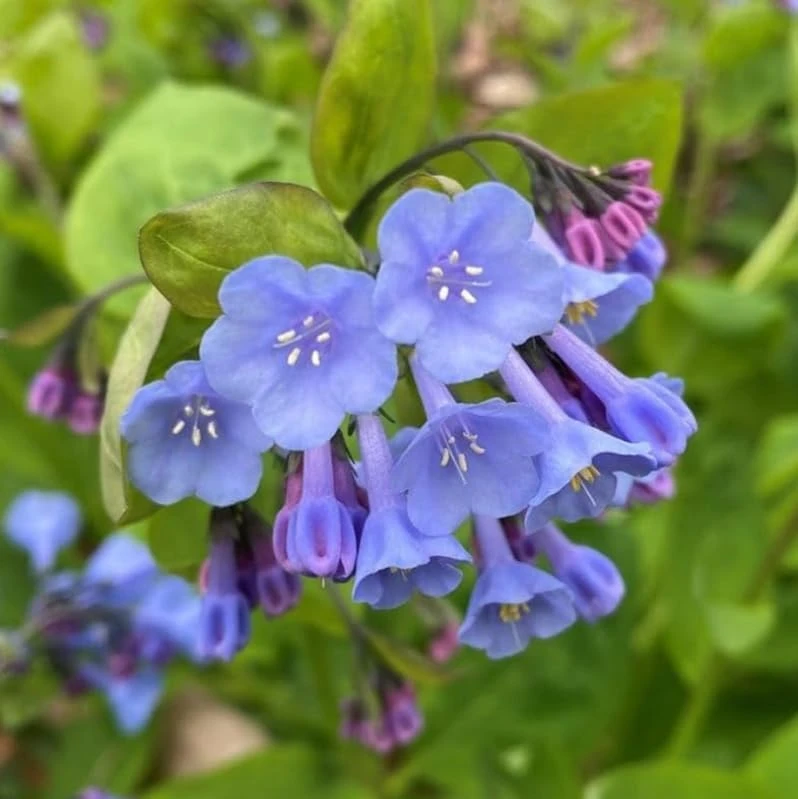
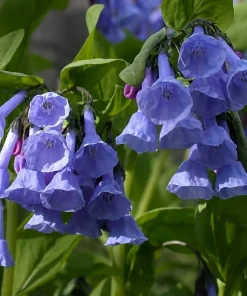
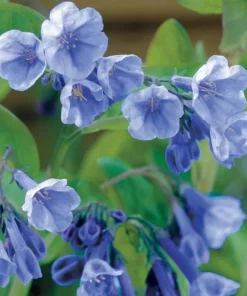
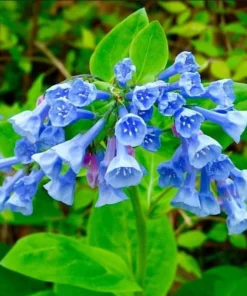
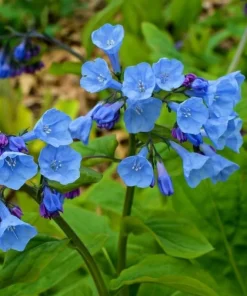
Transform your garden into a serene spring haven with our offering of 20 Virginia Bluebell bare roots. These charming native wildflowers, scientifically known as Mertensia virginica, are celebrated for their delicate, bell-shaped flowers that emerge in shades of pink, opening to a vibrant sky-blue. As deciduous perennials, they provide a spectacular, albeit ephemeral, display of color in early to mid-spring, then go dormant in summer, making space for other shade-loving plants. Ideal for naturalizing, woodland gardens, or shaded borders, these bare roots establish easily and return year after year, creating a captivating display. The Mertensia virginica wildflowers are a true delight for any gardener looking to add a touch of natural elegance and support local ecosystems by attracting early pollinators.
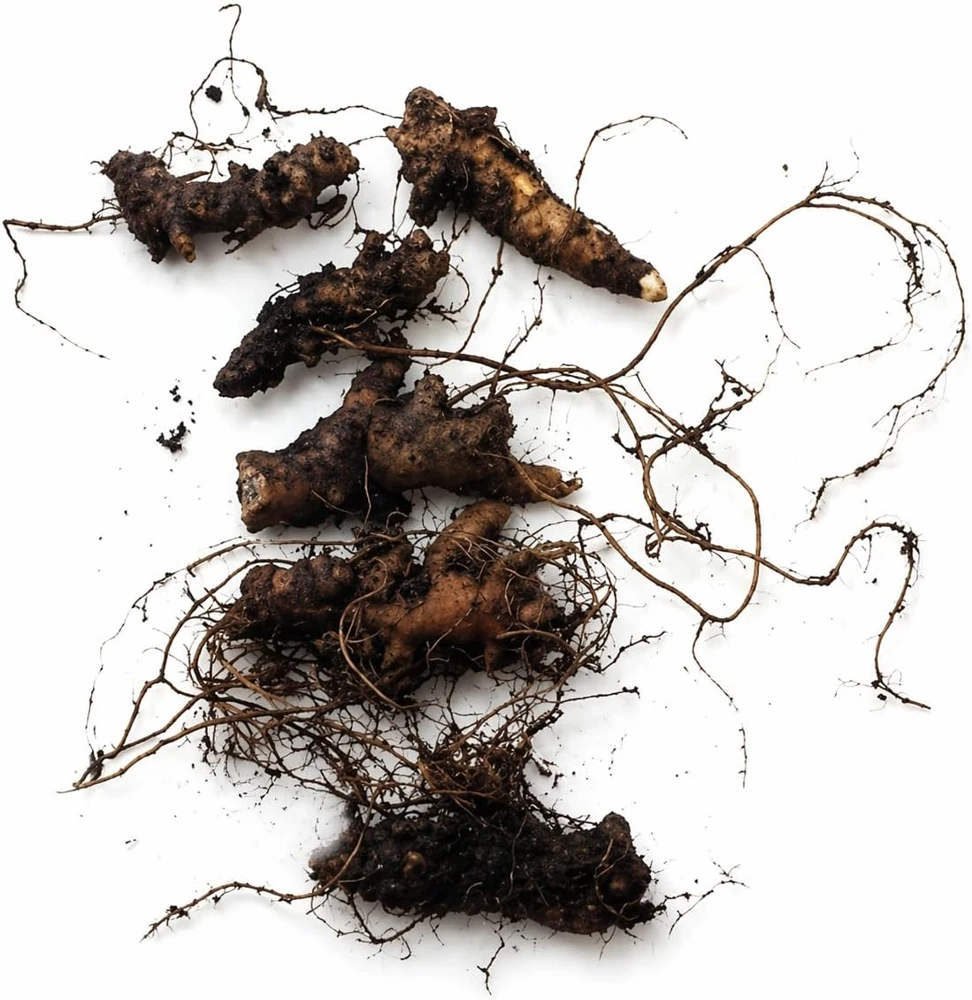
Each order includes 20 Virginia Bluebell bare roots, ready for planting upon arrival. These roots are a robust and reliable way to introduce this beloved native species into your landscape. Their unique growth habit, where they bloom profusely before trees leaf out, makes them an excellent choice for underplanting deciduous trees and shrubs. Experience the magic of these beautiful bluebells as they herald the arrival of spring in your garden.
Key Benefits
Adding Virginia Bluebell bare roots to your garden offers a multitude of advantages, enhancing both aesthetic appeal and ecological value:
- Stunning Early Spring Blooms: Enjoy a breathtaking display of true blue, bell-shaped flowers that emerge in early spring, often before other perennials. This early color provides a much-needed splash of vibrancy after winter.
- Attracts Pollinators: The nectar-rich flowers are a vital early food source for beneficial insects like native bees, butterflies, and hummingbirds, supporting local biodiversity. Planting Mertensia virginica wildflowers helps create a thriving garden ecosystem.
- Low Maintenance & Easy to Grow: Once established, these plants require minimal care. They are tolerant of various soil conditions and are generally pest and disease-free, making them perfect for busy gardeners or those new to native plants.
- Ideal for Shade Gardens: Thriving in partial to full shade, Virginia Bluebells are perfect for woodland settings, under deciduous trees, or in other areas where many flowering plants struggle. They are a cornerstone for any beautiful shade garden.
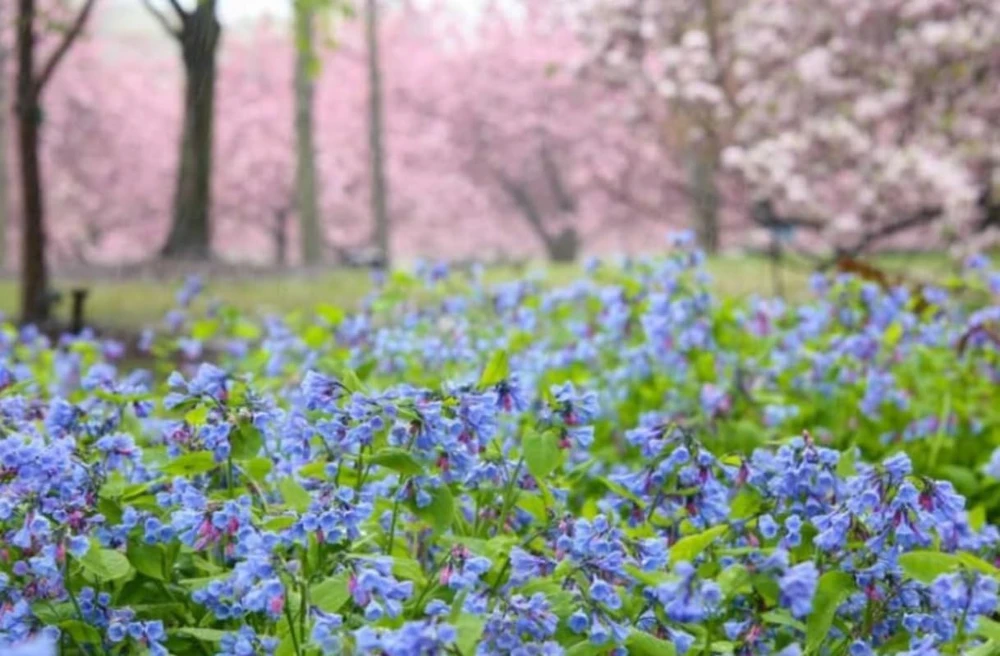
- Naturalizing & Spreading: These plants readily self-seed and naturalize, gradually forming impressive colonies over time. This makes them excellent for creating a natural, woodland feel and filling large shaded areas with continuous color.
- Deer Resistant: Virginia Bluebells are generally not favored by deer, offering peace of mind that your beautiful blooms will remain undisturbed.
- Ephemeral Beauty: Their unique ephemeral nature means they bloom, set seed, and then disappear by summer, allowing other plants to take their place without competition. This makes them versatile for layered plantings.
Plant Care & Growing Tips
To ensure your Virginia Bluebell bare roots thrive and produce their iconic blue blooms, proper care is essential. Virginia Bluebells prefer a site with partial to full shade, especially protection from intense afternoon sun. While they can tolerate some morning sun, too much direct light can scorch their delicate foliage and shorten their blooming period. Plant them in an area that mimics their natural woodland habitat, such as under deciduous trees where they receive dappled sunlight in spring and shade once the canopy leafs out.
These plants perform best in consistently moist, well-draining soil that is rich in organic matter. Amend heavy clay soils with compost to improve drainage, and sandy soils to enhance water retention. Avoid planting in waterlogged areas, as this can lead to root rot. During their active growth phase in spring, ensure the soil remains evenly moist. Once they go dormant in summer, they prefer drier conditions. A layer of mulch can help retain soil moisture and regulate temperature. Virginia Bluebells are hardy in USDA Zones 3-8, tolerating a wide range of climates. Fertilization is generally not necessary, especially if planted in rich, organic soil. If your soil is poor, a light application of balanced, slow-release granular fertilizer in early spring can be beneficial. Watch for slugs and snails, which can occasionally munch on young foliage; otherwise, these plants are relatively pest-free. Understanding bluebell plant care is key to a flourishing display.
Size & Details
This offering includes 20 Virginia Bluebell bare roots (Mertensia virginica), ready for planting. Each bare root is carefully harvested and prepared to ensure optimal health and vigor upon arrival. When mature, these wildflowers typically grow to a height of 18 to 24 inches with a spread of 12 to 18 inches, forming attractive clumps. They have a medium growth rate, establishing well in their first season and expanding their presence over subsequent years through self-seeding. The plants will emerge in early spring, bloom for several weeks, and then gradually go dormant by early summer, leaving behind an empty space that can be filled by other shade-tolerant perennials or annuals. These Virginia Bluebell bare roots are shipped dormant and should be planted as soon as possible after receipt for the best results. Expect initial growth and blooms in the first or second spring after planting, with a more robust display as the plants naturalize.
Frequently Asked Questions
- Q: How big do these Virginia Bluebell plants get? A: Mature Virginia Bluebell bare roots typically grow to about 18-24 inches tall with a spread of 12-18 inches. They form attractive clumps that can expand over time through self-seeding, creating a beautiful carpet of blue.
- Q: What are the ideal growing conditions for Virginia Bluebells? A: These wildflowers thrive in partial to full shade, particularly in areas protected from harsh afternoon sun. They prefer consistently moist, well-draining soil rich in organic matter. This ensures healthy growth for your Mertensia virginica wildflowers.
- Q: Is this plant easy to care for? A: Yes, Virginia Bluebells are considered low-maintenance plants once established. They require minimal intervention, primarily needing adequate shade and consistent moisture during their active growing season. Good bluebell plant care focuses on their specific light and soil needs.
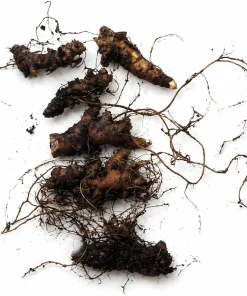
- Q: What condition will the bare roots arrive in? A: The 20 Virginia Bluebell bare roots will arrive dormant, which is their natural state for planting. They will appear as roots without foliage, ready to be planted directly into your garden.
- Q: Can I plant these in a container? A: While possible, Virginia Bluebells are best suited for in-ground planting where they can naturalize and spread. If using containers, ensure they are large enough to accommodate growth and provide good drainage, simulating a woodland environment.
- Q: When is the best time to plant Virginia Bluebell bare roots? A: The best time to plant dormant bare roots is in the fall or very early spring, before new growth begins. This allows the roots to establish before the blooming season.
- Q: Will these plants survive winter in my zone? A: Yes, Virginia Bluebells are quite cold hardy and are suitable for USDA Zones 3-8. They are deciduous perennials, meaning they will die back to the ground in winter and re-emerge in spring. This resilience makes them a great choice for a shade garden plant.
- Q: Are native Virginia Bluebells deer resistant? A: Generally, Virginia Bluebells are considered deer resistant. Deer tend to leave them alone, making them a good choice for gardens in areas with deer populations.
- Q: How long until they bloom after planting? A: Depending on the planting time and conditions, you may see some blooms in the first spring after planting, but a more robust and established display is typically seen in the second spring and subsequent years.
- Q: Do I need to fertilize my Virginia Bluebells? A: If planted in rich, organic soil, fertilization is usually not necessary. If your soil is poor, a light, balanced fertilizer in early spring can support healthy growth for your native Virginia Bluebells.
Be the first to review “20 Virginia Bluebell Bare Roots – Mertensia virginica – Wildflower Plants”
People Also Viewed

Trees
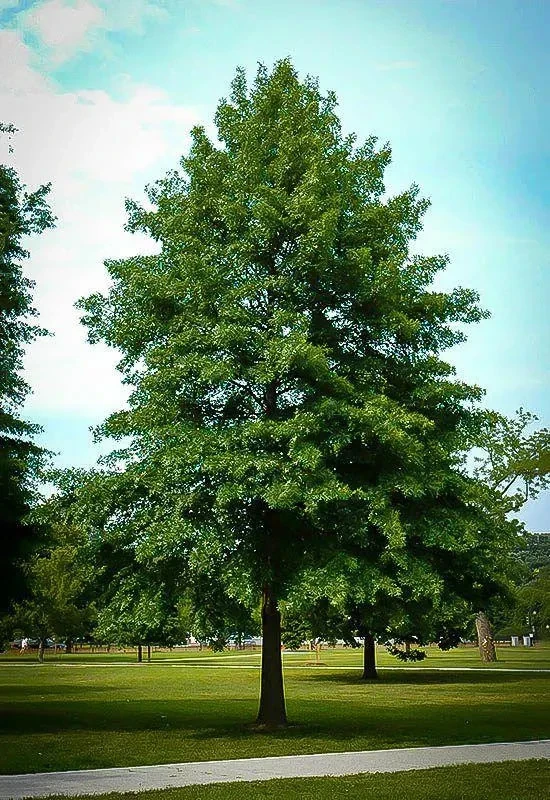
Pin Oak Live Tree (Quercus palustris) – Fast Growing Shade Tree, 12-18″ Tall in 3.5″ Pot, Outdoor
Reviews
There are no reviews yet.