
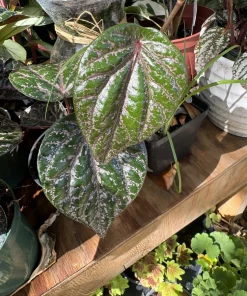
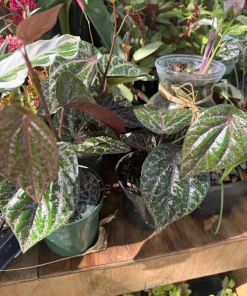
Piper crocatum Live Plant – Rare Red Betel Vine Tropical Houseplant – Indoor Foliage
Original price was: $132.99.$109.99Current price is: $109.99.
Bring home the exotic beauty of the piper crocatum live plant, also known as the red betel vine. This stunning tropical houseplant features unique, vibrant foliage, making it a captivating addition to any indoor space. Easy to care for and visually striking.
Estimated arrival
Oct 27
Nov 01 - Nov 03
Nov 06 - Nov 10
Shop With Confidence
30-Day Plant Health Guarantee
Arrives damaged? We’ll replace it free — see our return policy.
Responsive Support
Email us anytime, we reply within 1 business day.
Expert Packaging
Temperature-controlled shipping to protect your plants in transit.
Secure Checkout
Pay safely with Visa, Mastercard, PayPal.
Plant Specifications
-
USDA Hardiness Zone
Indoor plant, suitable for USDA zones 10-12 outdoors -
Soil Type
Well-draining potting mix, rich in organic matter -
Sunlight Exposure
Bright indirect light -
Expected Planting Period
Year-round indoors
Overview
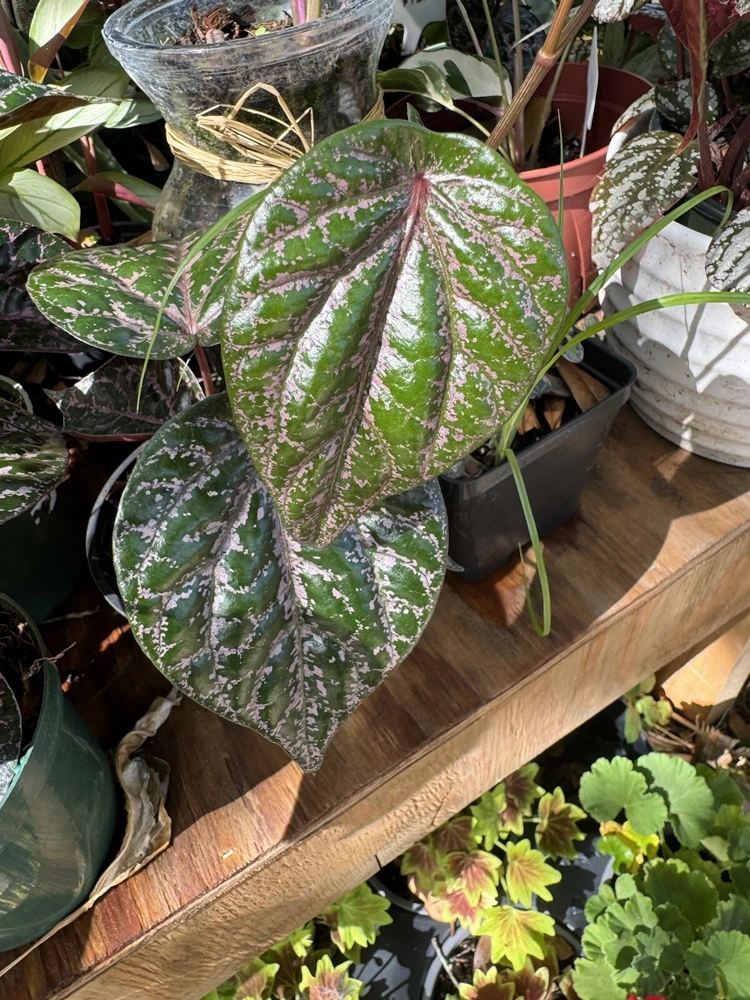
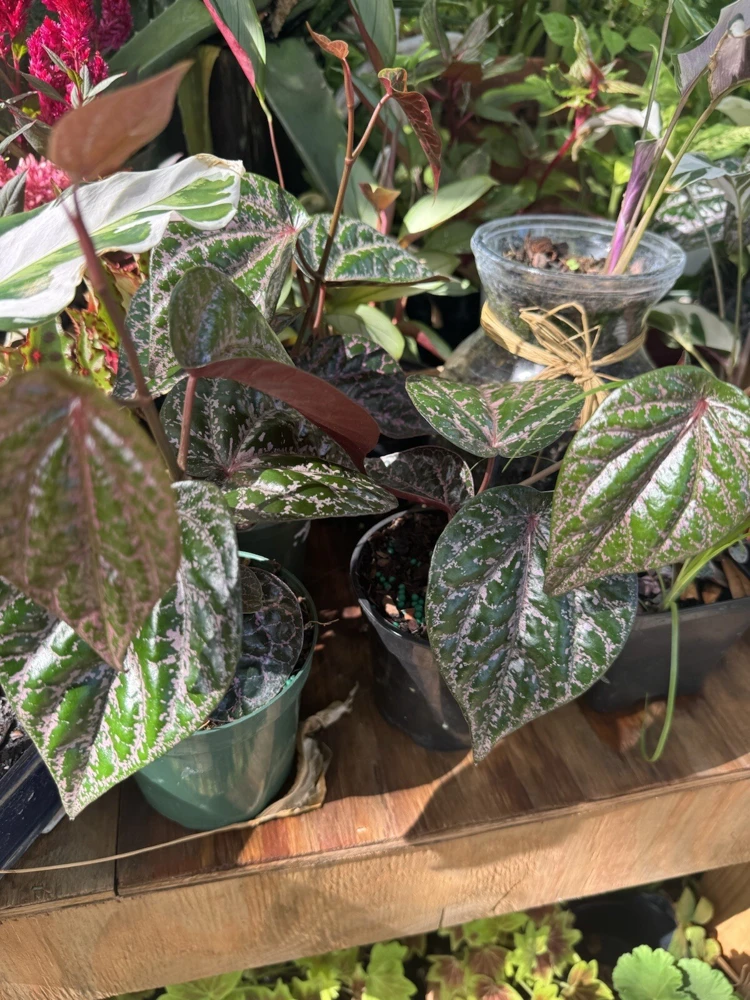
Experience the unique and vibrant charm of the piper crocatum live plant, a truly rare and captivating tropical houseplant. Known for its striking foliage, this plant, often referred to as the red betel vine, boasts deep green leaves intricately veined with a shimmering, metallic red or pink. Originating from the tropical regions, Piper crocatum is a climbing vine that adds an exotic touch and a burst of color to any indoor plant collection. It’s a fantastic choice for plant enthusiasts looking to expand their collection with something truly special, offering both visual appeal and a relatively straightforward care routine for a tropical specimen.
This particular variety of Piper is not just beautiful but also offers an intriguing growth habit as a vining plant. It can be trained to climb a small trellis or allowed to trail gracefully from a hanging basket, making it versatile for various display options within your home. The dramatic contrast between the rich green and the vibrant red makes it a focal point in any room. If you’re searching for a plant that combines rarity with stunning aesthetics, the piper crocatum live plant is an excellent choice.
Key Benefits
The Piper crocatum offers numerous benefits beyond its captivating appearance, making it a desirable addition to your home. Its unique foliage and growth habits contribute to a more vibrant and engaging indoor environment.
- Stunning Visual Appeal: The primary benefit of the piper crocatum live plant is its incredibly striking appearance. The deep green leaves with their prominent red or pink metallic veins create a dramatic contrast that instantly draws the eye, making it a living piece of art for your home.
- Air Purification: Like many houseplants, the red betel vine contributes to a healthier indoor environment by helping to filter airborne toxins and improve air quality, promoting a fresher living space.
- Unique Foliage: Unlike common houseplants, the Piper crocatum’s distinct leaf coloration and texture make it a conversation starter. Its rare and exotic nature ensures it stands out in any plant collection.
- Versatile Growth Habit: As a vining plant, it can be styled in multiple ways – allow it to trail from a shelf, climb a moss pole, or cascade from a hanging planter, adapting to your aesthetic preferences.
- Moderate Maintenance: While it is a tropical plant, the red betel vine is surprisingly manageable once its basic needs are met. It doesn’t demand constant attention, making it suitable for those with some plant care experience.
- Enhances Indoor Decor: Its vibrant colors and unique form can significantly elevate the aesthetic of any room, adding a touch of tropical elegance and warmth to your home decor.
- Collector’s Item: For plant collectors, this rare piper plant is often sought after due to its distinctive appearance and less common availability, making it a prized addition.
Plant Care & Growing Tips
Caring for your piper crocatum live plant involves understanding its tropical origins to replicate an ideal environment indoors. This plant thrives in consistent conditions and appreciates attention to detail, especially regarding humidity and light.
Sunlight requirements: The Piper crocatum prefers bright, indirect light. Place it near an east or north-facing window, or a few feet away from a south or west-facing window where it won’t receive direct, harsh sunlight, which can scorch its delicate leaves. Too little light may cause the red coloration to fade, impacting the plant’s signature look. Aim for at least 6-8 hours of bright, filtered light daily. It’s crucial to avoid low-light conditions to maintain the vibrant hues of this tropical houseplant care specimen.
Watering schedule and soil moisture preferences: This plant likes consistently moist, but not waterlogged, soil. Water thoroughly when the top inch of soil feels dry to the touch. Ensure proper drainage to prevent root rot, which is a common issue for many tropical plants. Reduce watering slightly during the cooler, darker winter months. The red betel vine also appreciates high humidity, so consider placing it on a pebble tray, using a humidifier, or misting it regularly, especially in dry indoor environments.
Soil type and drainage requirements: Use a well-draining potting mix that retains some moisture but doesn’t become waterlogged. A mix formulated for aroids or tropical plants, often containing peat moss, perlite, and orchid bark, works well. Good drainage is paramount to prevent root issues. Ensure the pot has drainage holes.
Temperature range and USDA hardiness zone: As a tropical plant, Piper crocatum prefers warm temperatures, ideally between 65-80°F (18-27°C). Avoid temperatures below 60°F (15°C) and protect it from cold drafts, which can cause stress and leaf damage. It is typically grown indoors as a houseplant and is not suitable for outdoor cultivation in most USDA zones, though it would thrive outdoors in consistently warm, humid environments like USDA zones 10-12.
Fertilization schedule and type: Feed your piper crocatum live plant every 2-4 weeks during its active growing season (spring and summer) with a balanced liquid fertilizer diluted to half strength. Reduce or cease fertilization during fall and winter when growth slows. Over-fertilizing can lead to nutrient burn, so always err on the side of caution.
Common problems and solutions: Watch out for common houseplant pests like spider mites and mealybugs, especially if humidity is low. Treat infestations with insecticidal soap or neem oil. Yellowing leaves can indicate overwatering or nutrient deficiency, while browning leaf tips often point to low humidity. Ensure consistent care to keep your piper crocatum for sale thriving.
Size & Details
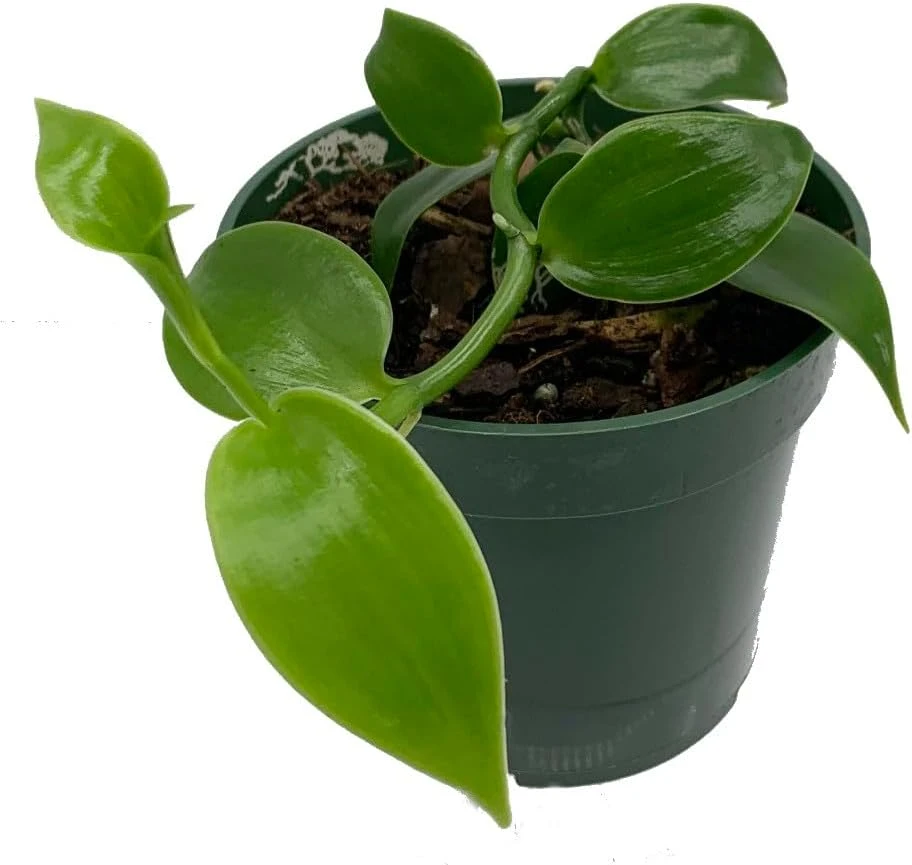
This piper crocatum live plant is typically shipped as a young, established plant, ready to be acclimated to your home environment. It will arrive in a nursery pot, usually around 4-6 inches in diameter, with several vibrant leaves already showing their characteristic red and green coloration. As a vining plant, its growth rate is moderate, and it can eventually reach lengths of several feet if given proper support and conditions. Expect the plant to initially focus on establishing its root system before putting out significant new vining growth. With optimal conditions, new leaves will emerge frequently, each displaying the stunning metallic sheen. The plant will benefit from being repotted into a slightly larger container once it outgrows its initial pot, typically every 12-18 months.
Frequently Asked Questions
- Q: How big does this plant get? A: The piper crocatum live plant is a vining species that can grow quite long, potentially reaching several feet in length. Its ultimate size depends on the conditions and support provided, allowing it to trail or climb.
- Q: Is this an indoor or outdoor plant? A: The Piper crocatum is primarily an indoor tropical houseplant in most climates due to its need for consistent warmth and high humidity. It can be grown outdoors only in very warm, tropical climates, generally USDA zones 10-12.
- Q: How much sunlight does it need? A: This plant thrives in bright, indirect light. Avoid direct sun exposure, which can scorch its leaves. A north or east-facing window is ideal, or a spot a few feet away from a brighter window.
- Q: Is this plant easy to care for? A: While it is a tropical plant, the red betel vine is considered moderately easy to care for once its specific needs for humidity, light, and consistent moisture are met. It’s a good choice for those with some experience in houseplant care.
- Q: What condition will it arrive in? A: Your piper crocatum live plant will arrive as a healthy, established plant in a nursery pot, carefully packaged to ensure its safe transit. It will be ready for you to acclimate it to its new home.
- Q: Is it shipped in soil? A: Yes, the plant is typically shipped rooted in its nursery pot with appropriate soil to minimize stress during transit and ensure it arrives ready for planting or placement.
- Q: Can this plant tolerate low humidity? A: The Piper crocatum prefers high humidity. While it can tolerate average household humidity, prolonged low humidity can lead to crispy leaf edges or reduced vigor. Consider using a humidifier or pebble tray for optimal health.
- Q: What is the best way to propagate this plant? A: Propagation of the rare piper plant is usually done through stem cuttings. Take a cutting with a few nodes, remove the lower leaves, and place it in water or a moist, well-draining potting mix until roots develop.
- Q: Is this plant pet-safe? A: While not typically listed as highly toxic, it’s always best to keep plants out of reach of pets to prevent any potential irritation from ingestion. Consult a veterinarian for specific concerns about your pets.
- Q: Why are the red colors on my plant fading? A: If the red coloration on your piper crocatum live plant is fading, it often indicates insufficient light. Ensure it is receiving adequate bright, indirect light to maintain its vibrant hues.
Be the first to review “Piper crocatum Live Plant – Rare Red Betel Vine Tropical Houseplant – Indoor Foliage”
People Also Viewed
Flower Bulbs
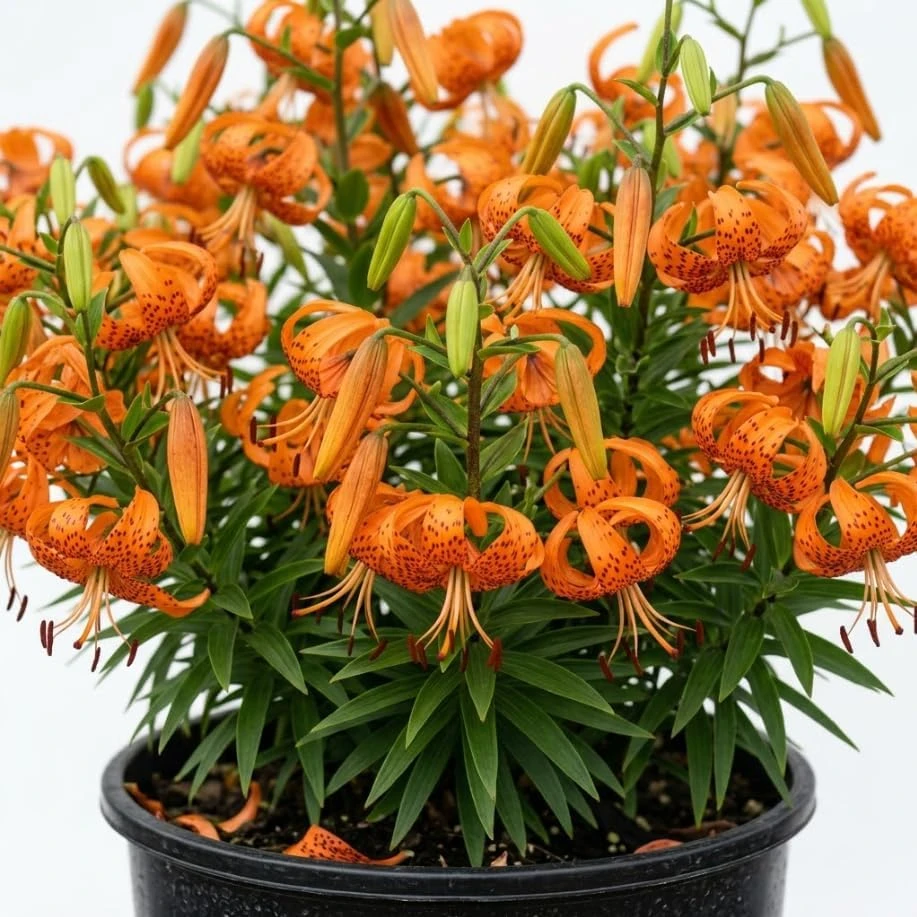
5 Fresh Tiger Lily Bulbs – Turk’s Cap Lily Lilium – Bare Root Orange Lilies for Spring Planting
Reviews
There are no reviews yet.