
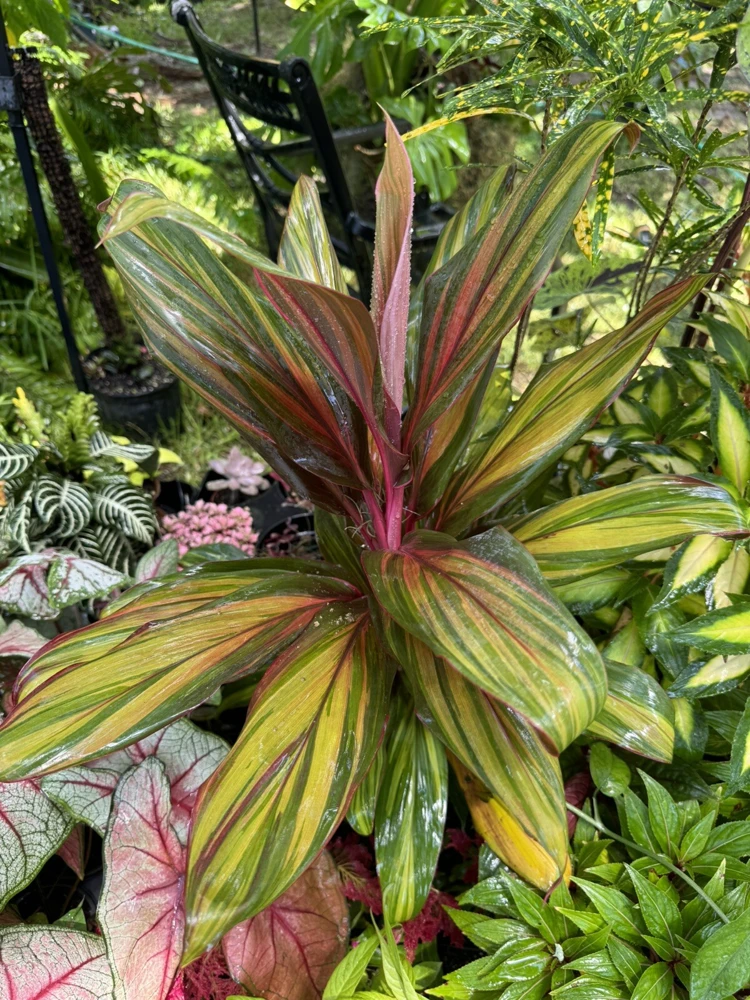
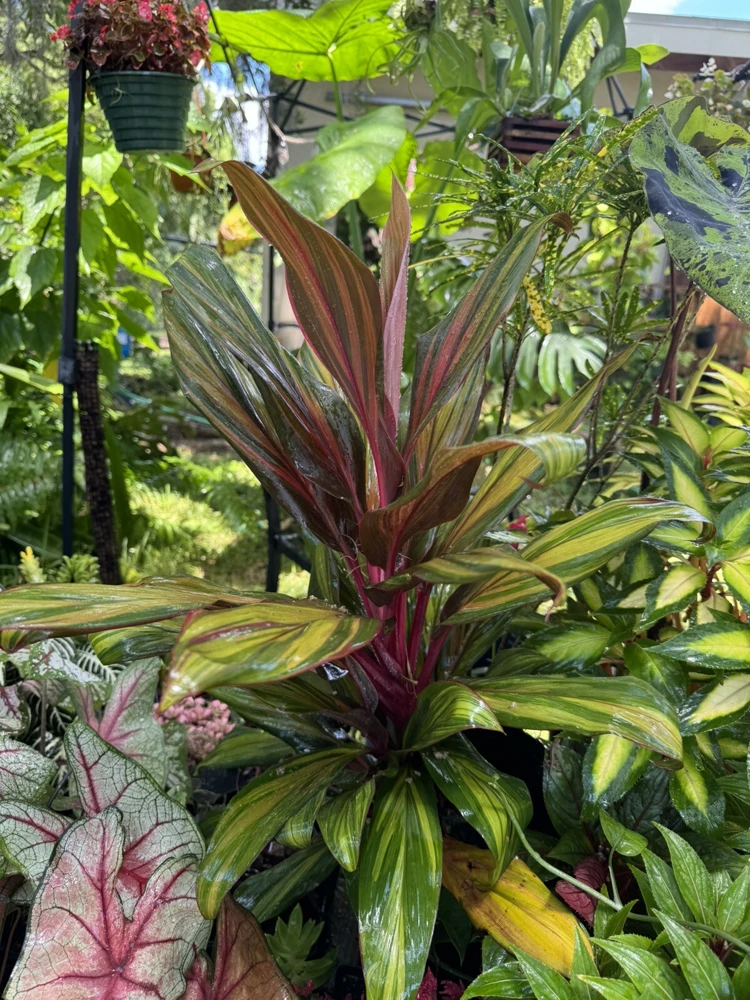
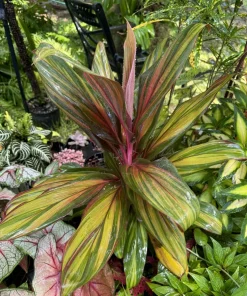
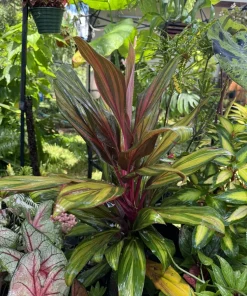
Cordyline Fruticosa Live Plant – Hawaiian Ti Tropical Foliage Houseplant
Original price was: $50.99.$41.99Current price is: $41.99.
Bring tropical elegance into your home with a vibrant cordyline fruticosa live plant. Also known as the Hawaiian Ti plant, this stunning foliage houseplant offers rich colors and an exotic appeal, perfect for brightening any indoor space.
- Stunning tropical foliage
- Ideal for indoor display
- Adds vibrant color to decor
Estimated arrival
Oct 27
Nov 01 - Nov 03
Nov 06 - Nov 10
Shop With Confidence
30-Day Plant Health Guarantee
Arrives damaged? We’ll replace it free — see our return policy.
Responsive Support
Email us anytime, we reply within 1 business day.
Expert Packaging
Temperature-controlled shipping to protect your plants in transit.
Secure Checkout
Pay safely with Visa, Mastercard, PayPal.
Plant Specifications
-
USDA Hardiness Zone
USDA zones 10-12 (outdoors), suitable for year-round indoor growth -
Soil Type
Well-draining potting mix -
Sunlight Exposure
Bright indirect light -
Expected Planting Period
Year-round indoors
Overview
Introduce a touch of the tropics to your living space with the beautiful cordyline fruticosa live plant. Often referred to as the Hawaiian Ti Plant or simply Ti Plant, this vibrant foliage plant is celebrated for its stunning, often variegated leaves that come in shades of green, red, pink, and purple. Originating from Southeast Asia, Eastern Australia, and the Pacific Islands, the cordyline fruticosa live plant thrives in warm, humid environments, making it an excellent choice for indoor cultivation in most US homes. Each plant is a living piece of art, offering unique patterns and colors that evolve as it grows, providing continuous visual interest and a refreshing natural presence.
As a popular tropical houseplant, the Hawaiian Ti plant is relatively easy to care for, making it suitable for both novice and experienced plant enthusiasts. Its upright growth habit and striking leaf coloration make it a focal point in any room. Whether you’re looking to add a pop of color to your office, living room, or bedroom, a cordyline fruticosa live plant is an exquisite choice that brings the warmth and beauty of a tropical paradise indoors.
Key Benefits
The cordyline fruticosa live plant offers more than just aesthetic appeal; it brings several benefits to your indoor environment and personal well-being. Its vibrant presence can transform any space into a more inviting and lively area.
- Stunning Ornamental Value: The striking foliage of the Hawaiian Ti plant, with its bold colors and patterns, serves as a natural decorative element, enhancing interior design and adding an exotic flair. It’s a living accent piece that captures attention.
- Air Purification: Like many houseplants, the cordyline fruticosa live plant contributes to a healthier indoor atmosphere by helping to filter airborne toxins and improve air quality, creating a fresher environment for you and your family.
- Easy to Maintain: Despite its exotic appearance, this tropical foliage houseplant is surprisingly forgiving and doesn’t require overly complicated care routines, making it a great option for those new to plant parenting.
- Versatile Decor: Its elegant form and varied leaf colors allow the cordyline fruticosa live plant to complement a wide range of decor styles, from modern minimalist to lush tropical themes.
- Promotes Well-being: Surrounding yourself with plants, especially a beautiful indoor cordyline plant, has been shown to reduce stress, boost mood, and increase feelings of tranquility and connection to nature.
- Long-lasting Beauty: With proper care, your Hawaiian Ti plant can thrive for many years, offering continuous beauty and growth, becoming a long-term, cherished member of your home.
- Unique Leaf Varieties: Many cultivars exist, each with distinct color combinations and leaf shapes, allowing you to choose a plant that perfectly matches your personal aesthetic.
Plant Care & Growing Tips
To ensure your cordyline fruticosa live plant flourishes, understanding its specific care requirements is crucial. These tropical beauties thrive when their needs for light, water, humidity, and soil are met. Providing the right environment will result in vibrant foliage and robust growth.
Sunlight requirements: The Hawaiian Ti plant prefers bright, indirect light. Too much direct sun can scorch the leaves, especially varieties with lighter colors, while too little light can cause the colors to fade and growth to become leggy. A spot near an east or west-facing window is often ideal, or a few feet away from a south-facing window. If you notice the vibrant colors of your tropical foliage houseplant dimming, it might be an indication that it needs more light.
Watering schedule and soil moisture preferences: Keep the soil consistently moist but never waterlogged. Water thoroughly when the top inch or two of soil feels dry to the touch. During winter months, reduce watering frequency as the plant’s growth slows. Ensure good drainage to prevent root rot. Using filtered or distilled water is preferable, as Cordyline can be sensitive to fluoride and chlorine in tap water, which can cause brown leaf tips. This is a common aspect of cordyline care guide.
Soil type and drainage requirements: A well-draining potting mix is essential for the cordyline fruticosa live plant. A mix designed for tropical plants or a general-purpose potting mix amended with perlite or sand will work well. Good drainage prevents water from accumulating around the roots, which is vital for the health of your indoor cordyline plant.
Temperature range and USDA hardiness zone: These plants are tropical and prefer temperatures between 65°F and 80°F (18°C-27°C). They are not frost-tolerant and should be protected from cold drafts. If grown outdoors, they are typically hardy in USDA zones 10-12. For indoor cultivation, maintain a stable temperature and avoid sudden fluctuations. Humidity is also important; aim for moderate to high humidity by misting regularly or placing the pot on a pebble tray with water.
Fertilization schedule and type: Feed your hawaiian ti plant for sale every 2-4 weeks during the growing season (spring and summer) with a balanced liquid fertilizer diluted to half strength. Reduce or stop fertilizing during the fall and winter when growth naturally slows. Over-fertilization can lead to salt buildup in the soil, which can harm the plant.
Common problems and solutions: Watch out for spider mites and mealybugs, especially in dry conditions. Treat with insecticidal soap or neem oil. Yellowing leaves can indicate overwatering or nutrient deficiency, while browning leaf tips often signal low humidity or fluoride sensitivity. Adjust your cordyline care guide accordingly to address these issues promptly.
Size & Details
The cordyline fruticosa live plant typically ships as a young, actively growing specimen, ready to thrive in its new home. While specific dimensions can vary based on the exact cultivar and growing conditions, these plants generally arrive in a nursery pot, standing approximately 6-12 inches tall from the base of the pot to the top of the foliage. With proper care, an indoor cordyline plant can grow to an impressive height of 2-6 feet indoors, eventually developing a tree-like stature with a woody stem. Its growth rate is moderate, allowing you to enjoy its development over time.
The lush foliage can spread 1-2 feet wide, creating a beautiful, bushy display. Each cordyline fruticosa live plant is carefully selected and packaged to ensure it arrives healthy and ready to be placed in your preferred decorative pot. The plant is shipped rooted in soil, minimizing transplant shock and making the transition to your home seamless. Expect to see new leaves unfurl regularly, contributing to its vibrant and ever-changing appearance. This tropical foliage houseplant is a dynamic addition to any plant collection, promising long-term beauty and growth.
Frequently Asked Questions
- Q: How big does this plant get, and what size pot does it come in? A: The cordyline fruticosa live plant typically arrives in a standard nursery pot, usually 4-6 inches in diameter. Indoors, it can grow anywhere from 2 to 6 feet tall, depending on light conditions and care, developing into a beautiful, upright specimen over time.
- Q: Is this an indoor or outdoor plant, and how much sunlight does it need? A: While it can thrive outdoors in tropical climates (USDA zones 10-12), the cordyline fruticosa live plant is primarily grown as an indoor plant in most regions. It prefers bright, indirect light. Avoid direct, harsh sunlight which can scorch its vibrant leaves.
- Q: Is this plant easy to care for, and is it good for beginners? A: Yes, the Hawaiian Ti plant is considered relatively easy to care for, making it a good choice for beginners looking for a striking tropical plant. Following a simple cordyline care guide for watering and light will ensure its success.
- Q: What condition will the hawaiian ti plant for sale arrive in, and is it shipped in soil? A: Your plant will arrive as a healthy, live specimen, carefully packaged and rooted in its nursery pot with soil. We take great care to ensure it reaches you in excellent condition, ready for its new home.
- Q: Can I use this plant for any culinary or medicinal purposes? A: While some Cordyline species have historical uses in certain cultures, the cordyline fruticosa live plant is primarily cultivated for its ornamental value and is not typically used for culinary or medicinal purposes. It is best enjoyed for its beauty.
- Q: How long until it shows significant growth, and when is the best time to repot it? A: The cordyline fruticosa live plant has a moderate growth rate, and you should see new leaves unfurl regularly during the growing season (spring and summer). Repotting is generally best done in spring when the plant becomes root-bound, usually every 1-2 years.
- Q: Will this tropical foliage houseplant survive winter in my zone if I put it outdoors? A: The Hawaiian Ti plant is very sensitive to cold and frost. If you live outside USDA zones 10-12, it is crucial to bring your cordyline fruticosa live plant indoors before temperatures drop below 50°F (10°C) to ensure its survival through winter.
- Q: What are the signs of an unhealthy indoor cordyline plant? A: Yellowing leaves often indicate overwatering or nutrient deficiency. Brown leaf tips can be a sign of low humidity or sensitivity to fluoride in water. Leggy growth and dull leaf colors usually point to insufficient light.
- Q: How often should I fertilize my hawaiian ti plant for sale? A: Fertilize your plant every 2-4 weeks during the active growing season (spring and summer) using a balanced liquid fertilizer diluted to half strength. Reduce or stop fertilization during fall and winter.
- Q: Is the cordyline fruticosa live plant pet-friendly? A: Cordyline plants are generally considered toxic to pets if ingested, potentially causing vomiting and diarrhea. It’s best to keep your Hawaiian Ti plant out of reach of curious pets.
Be the first to review “Cordyline Fruticosa Live Plant – Hawaiian Ti Tropical Foliage Houseplant”
People Also Viewed
Vegetable Seeds
White Habanero Pepper Seeds – 50 Count, Hot, Capsicum Chinense
Reviews
There are no reviews yet.