
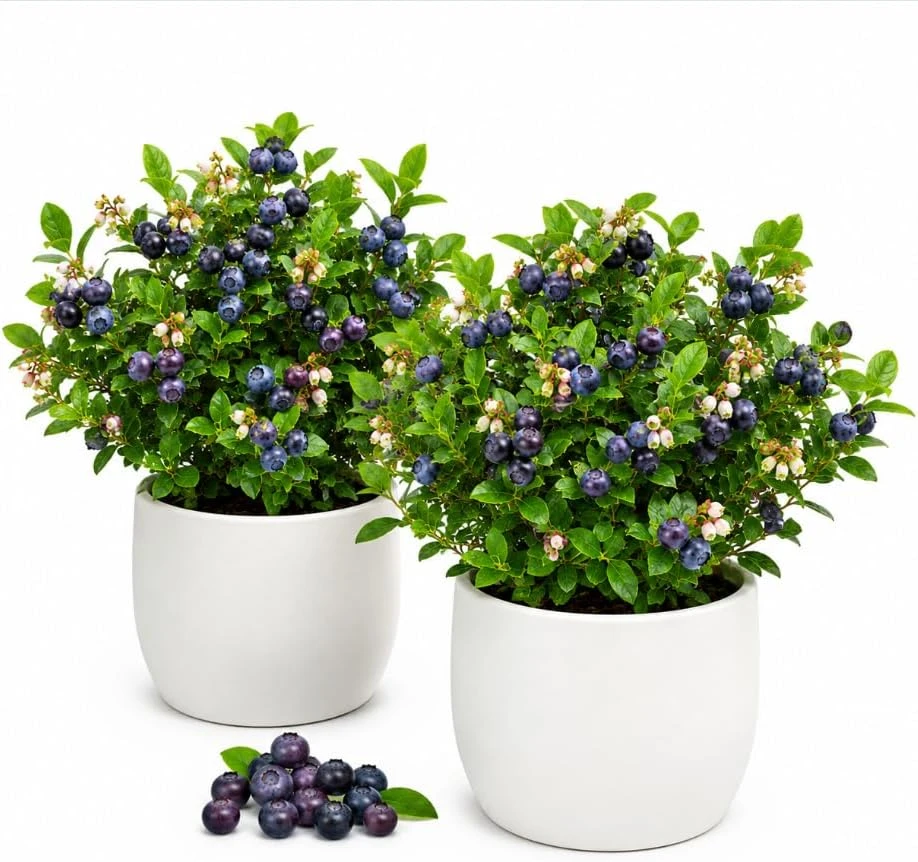
Set of 2 Sweet Black Huckleberry Live Plants, 3-5 Inch Tall, 3 Inch Pot, Outdoor
Original price was: $49.99.$24.99Current price is: $24.99.
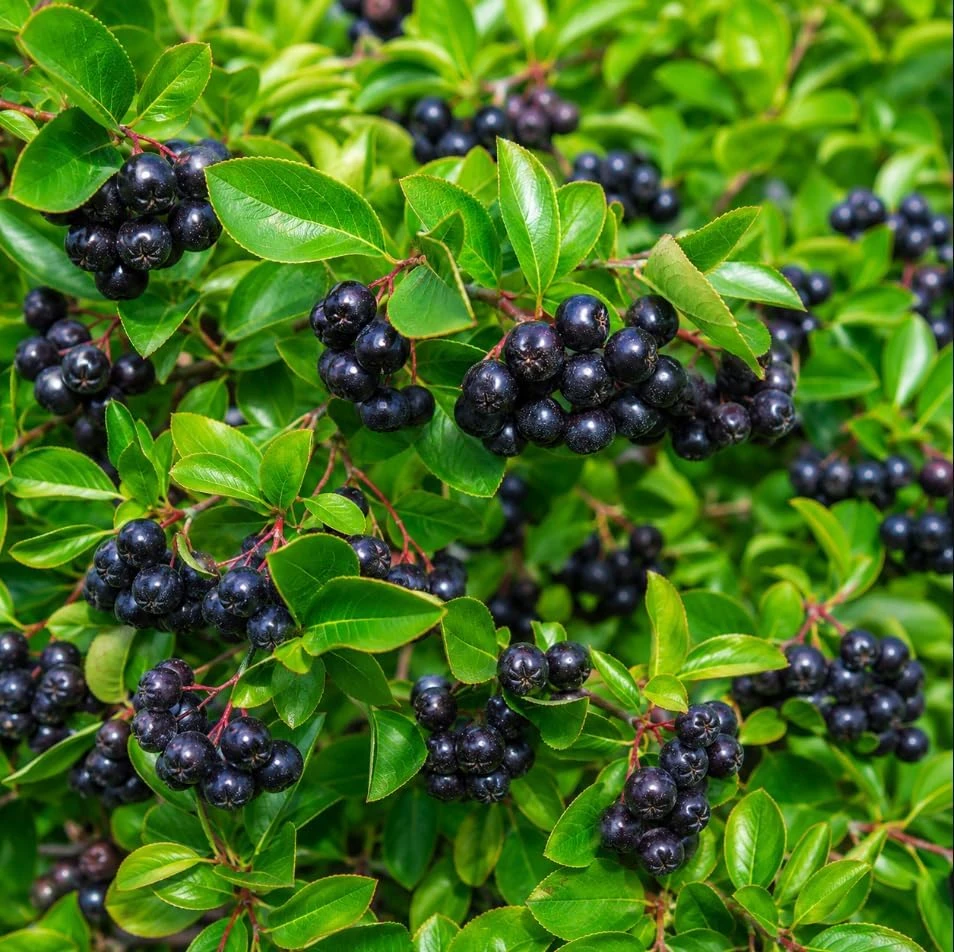
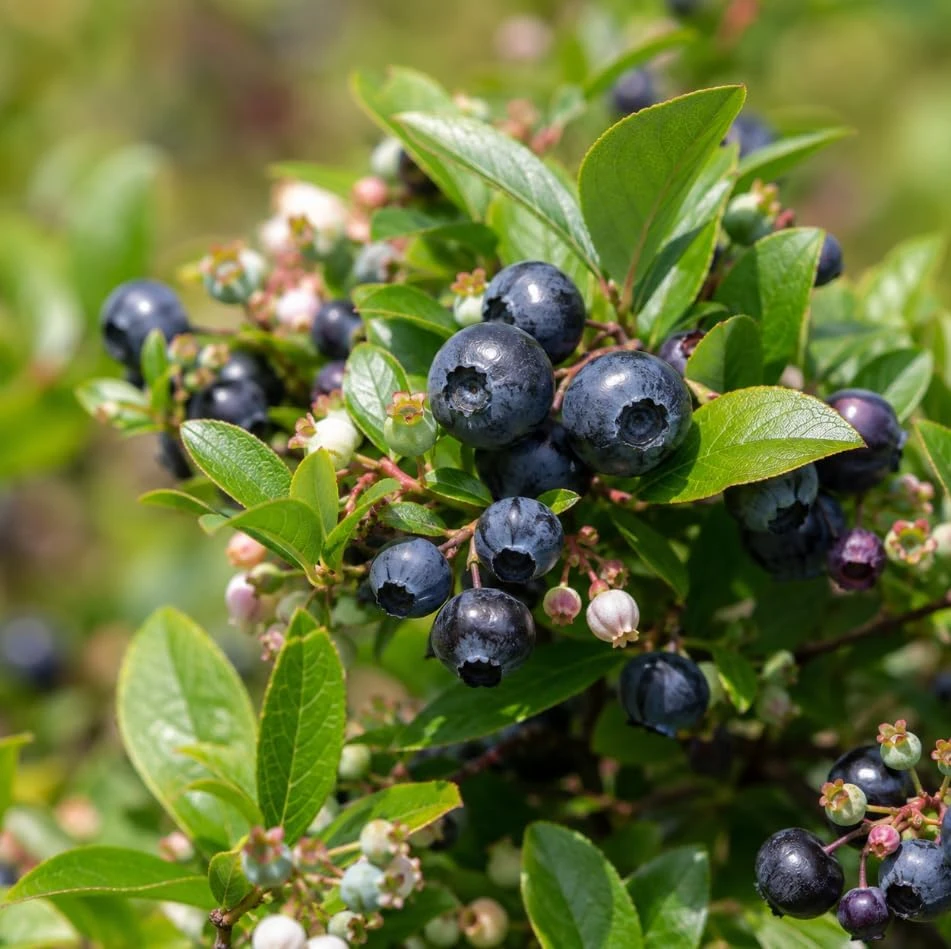
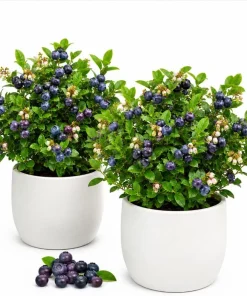
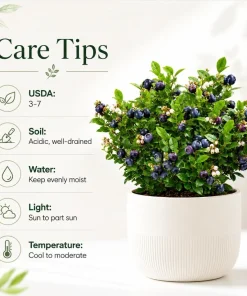
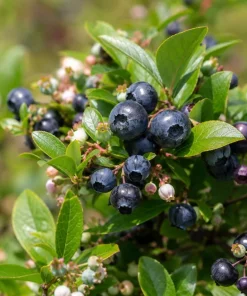
Embark on a rewarding gardening journey with this exceptional set of two huckleberry live plant specimens. These sweet black huckleberry bushes are ready for planting, offering the promise of delicious, nutrient-rich berries right in your own backyard. Known for their vibrant foliage and delectable fruit, huckleberries are a fantastic addition to any edible landscape or native plant garden.
Estimated arrival
Oct 10
Oct 15 - Oct 17
Oct 20 - Oct 24
Shop With Confidence
30-Day Plant Health Guarantee
Arrives damaged? We’ll replace it free — see our return policy.
Responsive Support
Email us anytime, we reply within 1 business day.
Expert Packaging
Temperature-controlled shipping to protect your plants in transit.
Secure Checkout
Pay safely with Visa, Mastercard, PayPal.
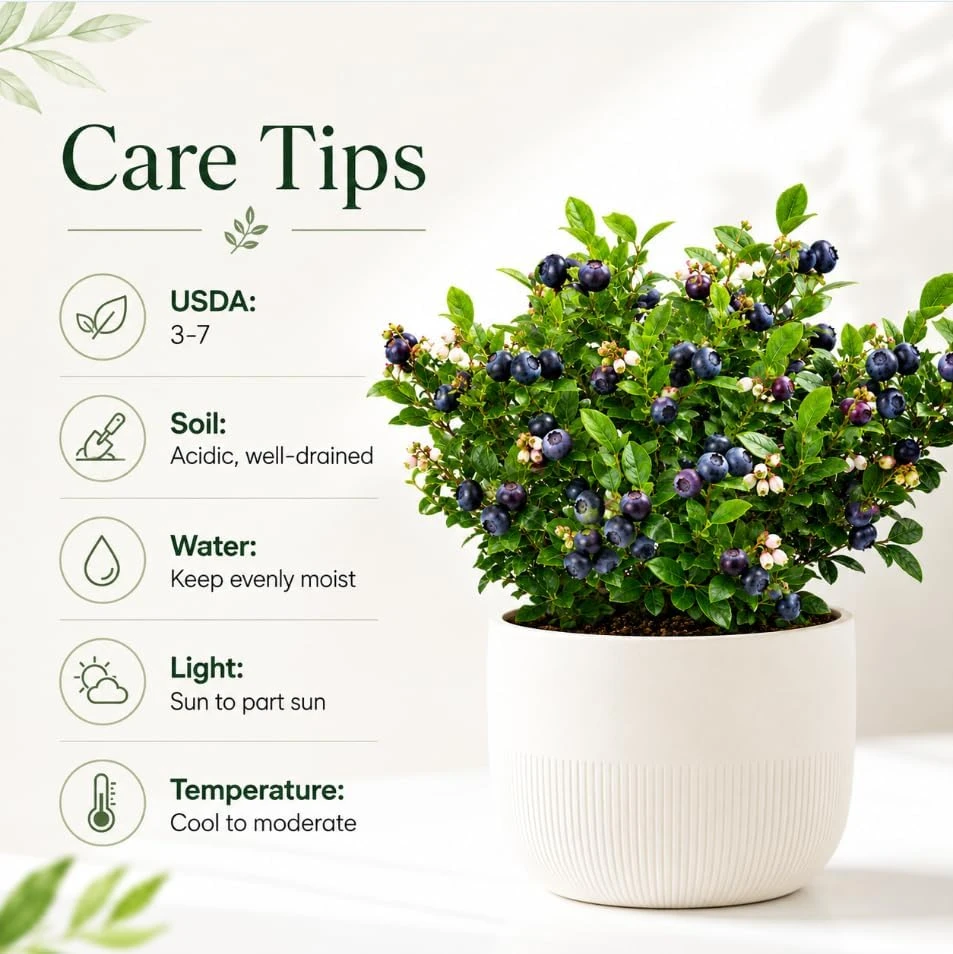
Plant Specifications
-
USDA Hardiness Zone
USDA Zones 3-8 -
Soil Type
Acidic, well-draining soil -
Sunlight Exposure
Partial shade to full sun -
Expected Planting Period
Early spring or fall
Overview
Embark on a rewarding gardening journey with this exceptional set of two huckleberry live plant specimens. These sweet black huckleberry bushes are ready for planting, offering the promise of delicious, nutrient-rich berries right in your own backyard. Known for their vibrant foliage and delectable fruit, huckleberries (often referred to scientifically as Gaylussacia baccata or similar species depending on region) are a fantastic addition to any edible landscape or native plant garden. This offering provides a strong foundation for establishing a thriving patch of these beloved berry producers, allowing you to enjoy fresh, homegrown fruit for years to come. Each plant is carefully nurtured to ensure it arrives healthy and ready to flourish in its new environment, making it an ideal choice for both experienced gardeners and those new to growing berry bushes.
The charm of the huckleberry live plant extends beyond its fruit. These resilient bushes contribute to local ecosystems, providing food and shelter for wildlife while enhancing the aesthetic appeal of your garden with their seasonal changes. From delicate spring blossoms to the rich, dark berries of summer and the fiery red foliage of autumn, huckleberry bushes offer year-round interest. This set of two ensures better pollination and a more abundant harvest, as most huckleberry varieties benefit from cross-pollination. Prepare to transform your garden into a berry-producing haven with these robust and beautiful plants, and learn how to grow huckleberry plant successfully.
Key Benefits
Investing in a huckleberry live plant brings a multitude of advantages to your garden and your table. These plants are not just producers of tasty fruit; they are also a valuable addition to a sustainable and beautiful outdoor space. Discover the many reasons why these huckleberry bushes outdoor are an excellent choice:
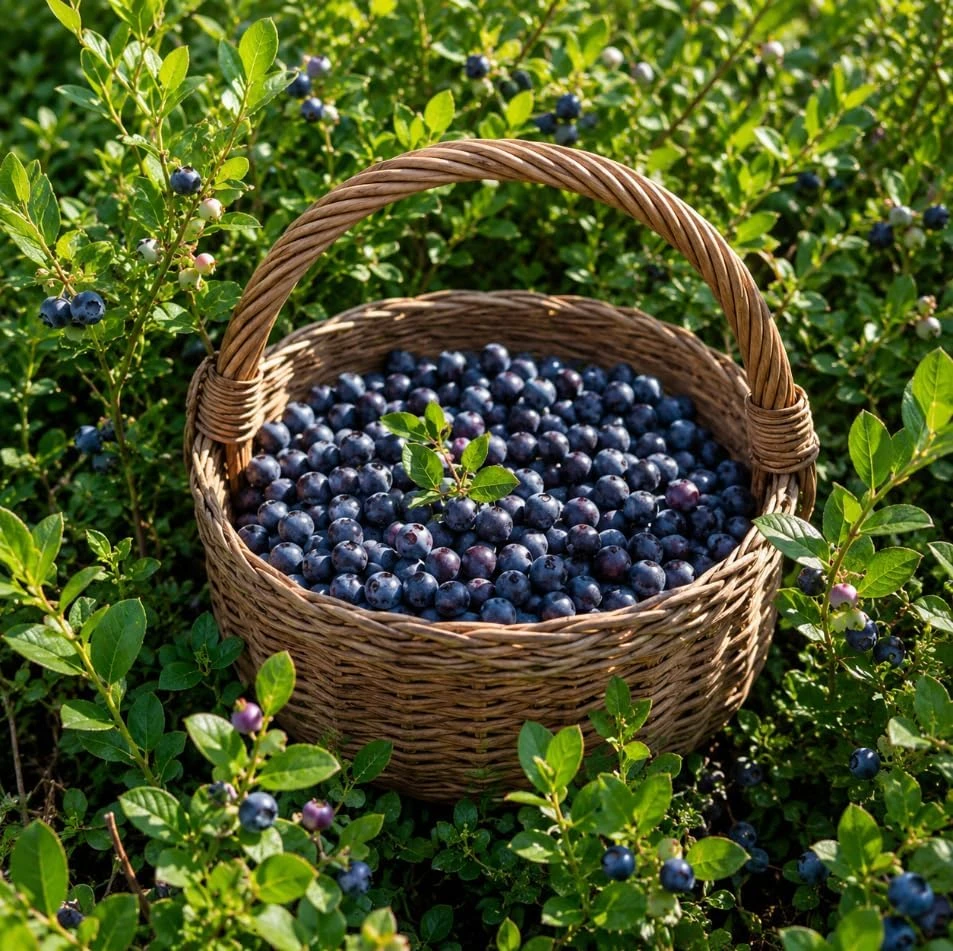
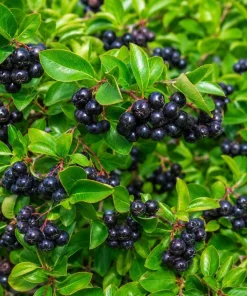
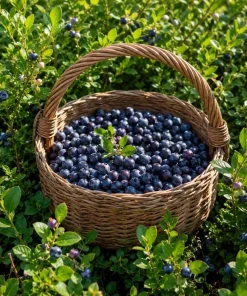
- Delicious Edible Berries: Enjoy a bountiful harvest of sweet, flavorful black huckleberries directly from your garden. These berries are perfect for eating fresh, baking pies, making jams, or adding to smoothies, offering a unique taste profile distinct from blueberries. They provide a unique culinary experience.
- Attractive Garden Addition: Beyond their fruit, these bushes provide ornamental value with their delicate spring flowers, lush green summer foliage, and stunning autumnal red leaves, adding seasonal interest to your landscape. They create a dynamic visual display throughout the seasons.
- Supports Local Wildlife: Huckleberries are a natural food source for various birds and small mammals, contributing to biodiversity and supporting your local ecosystem. The flowers also attract pollinators, vital for a healthy garden, making them an eco-friendly choice.
- Hardy and Resilient: These huckleberry bushes outdoor are known for their robust nature, thriving in a wide range of climates (USDA Zones 3-8) and requiring relatively low maintenance once established, making them suitable for many gardeners. Their resilience ensures a long-lasting addition to your landscape.
- Health Benefits: Huckleberries are packed with antioxidants and vitamins, offering a healthy and delicious snack straight from the bush. Growing your own ensures pesticide-free produce, contributing to a healthier lifestyle.
- Easy to Grow: With proper initial care and suitable growing conditions, learning to grow huckleberry plant is straightforward. They are less prone to common pests and diseases compared to some other fruit-bearing plants, simplifying your gardening efforts.
- Sustainable Landscaping: Incorporating native plants like huckleberries into your garden promotes ecological balance and reduces the need for excessive watering or chemical treatments, fostering a more sustainable environment. This choice supports environmental stewardship.
Plant Care & Growing Tips
Caring for your huckleberry live plant is a rewarding experience that yields delicious fruit. These plants prefer conditions similar to their wild counterparts. They thrive in partial shade to full sun, ideally receiving at least 4-6 hours of direct sunlight per day. In hotter climates, some afternoon shade can prevent scorching. Huckleberries prefer acidic, well-draining soil with a pH between 4.5 and 5.5. Incorporating organic matter like peat moss or compost can help achieve the ideal soil conditions. Consistent moisture is crucial, especially during the first year of establishment and while fruiting. Water deeply and regularly, ensuring the soil remains moist but not waterlogged. Avoid overhead watering to reduce the risk of fungal diseases. Fertilize sparingly in early spring with an acid-loving plant fertilizer, following product instructions to avoid over-fertilization.
Pruning should be done in late winter or early spring before new growth appears. Remove any dead, diseased, or crossing branches to improve air circulation and sunlight penetration. This also encourages more vigorous growth and fruit production. Huckleberry bushes are generally hardy and resilient, thriving in USDA Zones 3-8. Protecting them from strong winds and extreme winter temperatures in colder zones can be beneficial. Learning proper huckleberry plant care ensures a bountiful harvest and healthy, attractive bushes for years to come. Keep an eye out for common pests like aphids, which can usually be managed with organic insecticidal soaps.
Size & Details
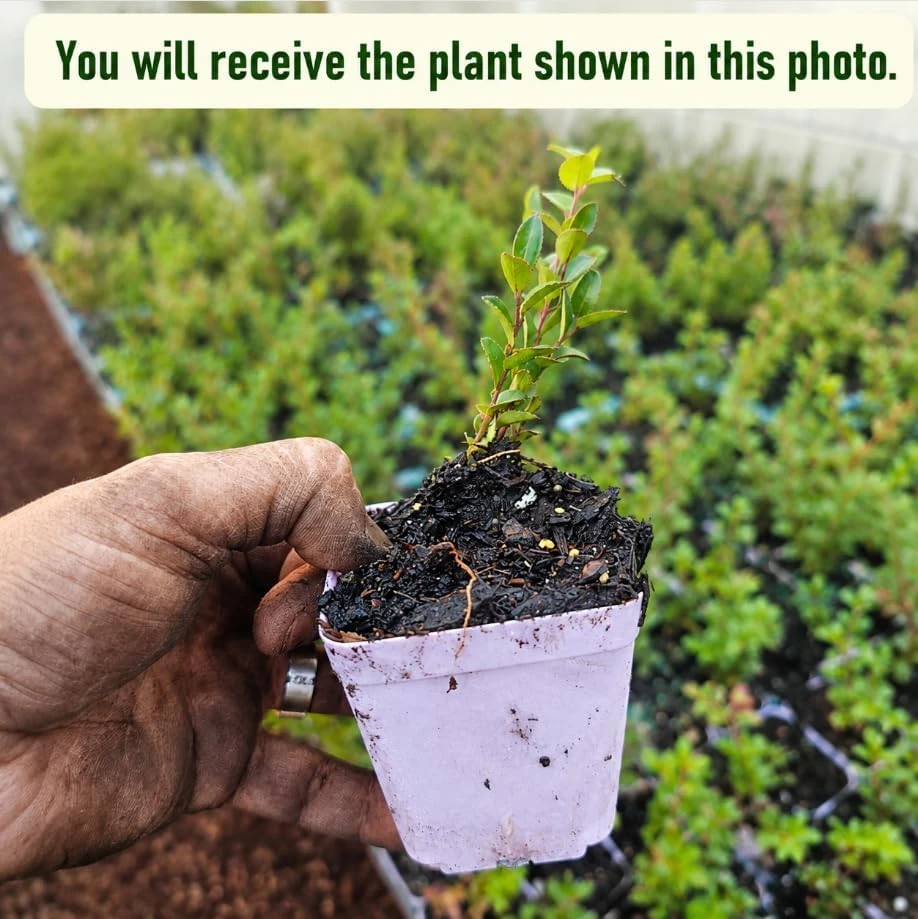
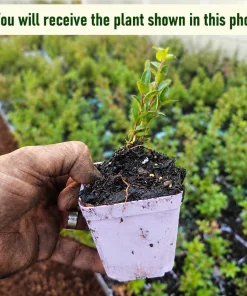
This offering includes a set of two sweet black huckleberry live plants, each standing approximately 3-5 inches tall and rooted in a 3-inch nursery pot. These young plants are carefully packaged to ensure they arrive healthy and ready for planting in your outdoor garden. Huckleberry bushes are moderate growers, typically reaching a mature height of 3-6 feet with a similar spread, depending on the variety and growing conditions. They are deciduous, providing seasonal interest with their spring blossoms, lush summer foliage, and vibrant fall colors. Expect fruit production to begin within 1-3 years after planting, with yields increasing as the plants mature. Planting two bushes together is highly recommended, as cross-pollination generally leads to a more abundant and consistent harvest of delicious berries.
Frequently Asked Questions
- Q: How big will my huckleberry live plant get? A: Your huckleberry live plant typically grows 3-6 feet tall and wide at maturity, depending on the specific variety and growing conditions. They are moderate growers, reaching their full size over several years.
- Q: What size pot does this huckleberry plant come in? A: Each huckleberry plant in this set arrives in a 3-inch nursery pot, providing a strong root system ready for transplanting into your garden or a larger container.
- Q: Is this an indoor or outdoor plant? A: These are huckleberry bushes outdoor plants, best suited for planting directly in your garden. They require outdoor conditions to thrive, including specific light and temperature ranges.
- Q: How much sunlight does a huckleberry plant need? A: Huckleberry plants prefer partial shade to full sun, ideally receiving 4-6 hours of direct sunlight daily. In very hot climates, some afternoon shade is beneficial to prevent leaf scorch.
- Q: Is this plant easy to care for? A: Yes, once established, huckleberry bushes are relatively low-maintenance. They require consistent watering, acidic soil, and occasional pruning, making huckleberry plant care manageable for most gardeners.
- Q: What condition will the plants arrive in? A: Your huckleberry plants will arrive carefully packaged, healthy, and ready for planting, rooted in their nursery pots to ensure a smooth transition to your garden.
- Q: Can I use the huckleberries in cooking? A: Absolutely! The sweet black huckleberry is perfect for eating fresh, baking pies, making jams, sauces, or adding to smoothies. They offer a distinct flavor profile.
- Q: How long until my huckleberry plant produces fruit? A: You can typically expect your huckleberry plants to start producing fruit within 1-3 years after planting, with production increasing significantly as the bushes mature.
- Q: What is the best time to plant huckleberry bushes? A: The best time to plant huckleberry bushes is in early spring or fall, allowing the plants to establish their root systems before extreme temperatures.
- Q: Will my huckleberry plant survive winter? A: Huckleberry bushes are hardy in USDA Zones 3-8. In colder zones, they are deciduous and will go dormant, preparing to regrow in spring. Some winter protection may be beneficial in the coldest regions.
Be the first to review “Set of 2 Sweet Black Huckleberry Live Plants, 3-5 Inch Tall, 3 Inch Pot, Outdoor”
People Also Viewed
Flower Plants
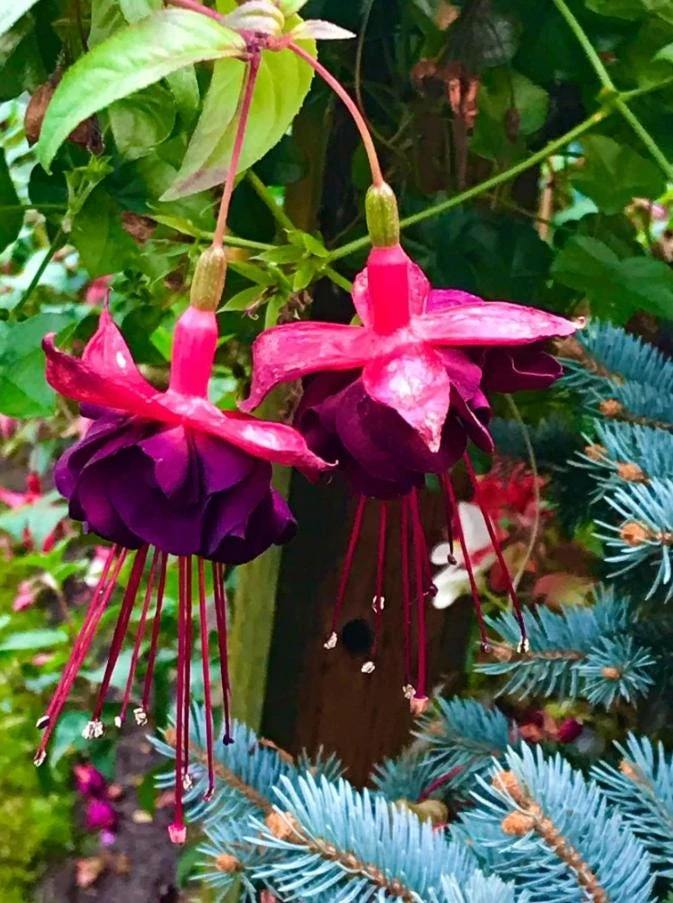
Voodoo Fuchsia Live Plant – Exotic Flowering Ornamental – 6″ Pot – Shade-Loving Hanging Basket
Flower Plants
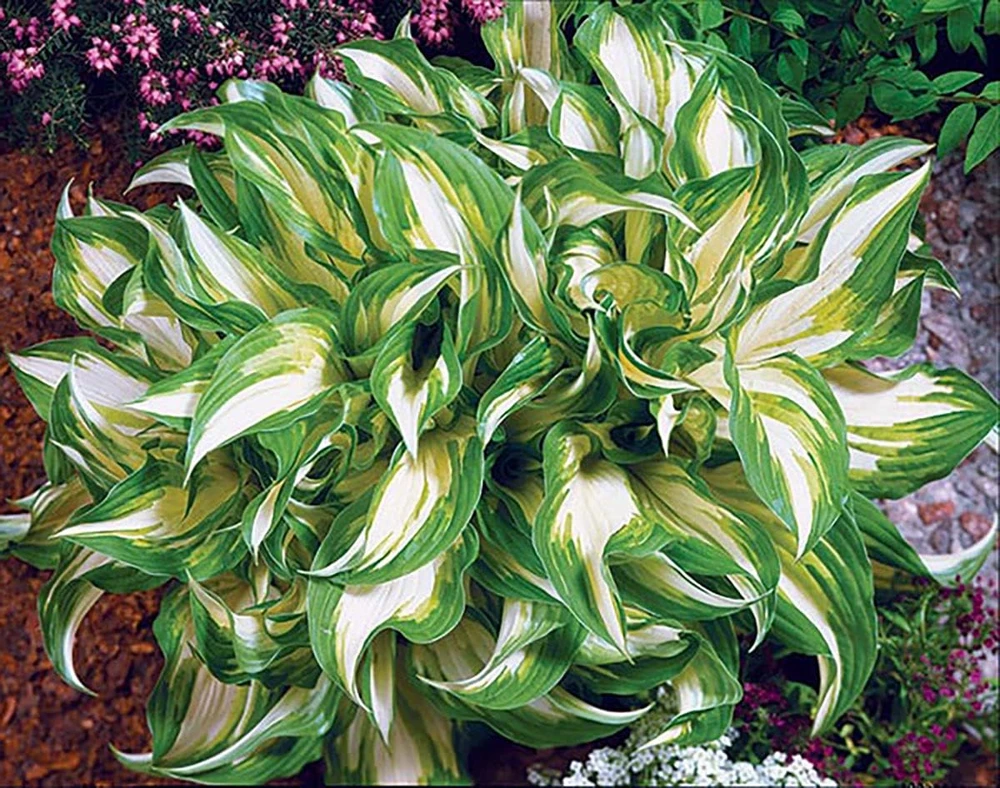
Mediovariegata Hosta Undulata Live Plant – Wavy Leaves – 4 inch Pot – Outdoor Shade Plant
Vegetable Seeds
Reviews
There are no reviews yet.