












Jerusalem Artichoke Sunchoke Seeds – Helianthus Tuberosus – 20 Seeds, Yellow Flowers, Perennial
Original price was: $41.99.$16.99Current price is: $16.99.
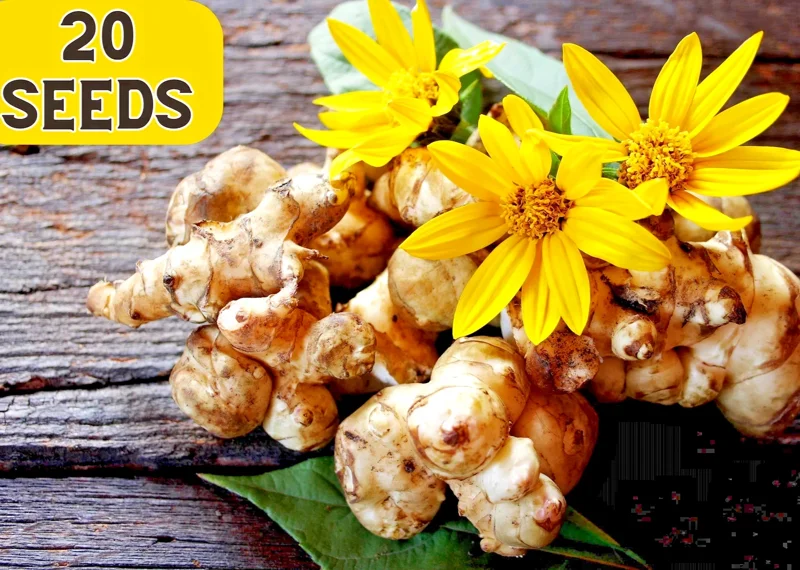
Cultivate delicious Jerusalem Artichoke seeds (Sunchoke, Helianthus Tuberosus) in your garden. These robust perennial plants yield highly nutritious edible tubers and charming yellow, sunflower-like blooms. An easy-to-grow addition for both culinary and ornamental purposes.
Estimated arrival
Oct 15
Oct 20 - Oct 22
Oct 25 - Oct 29
Shop With Confidence
30-Day Plant Health Guarantee
Arrives damaged? We’ll replace it free — see our return policy.
Responsive Support
Email us anytime, we reply within 1 business day.
Expert Packaging
Temperature-controlled shipping to protect your plants in transit.
Secure Checkout
Pay safely with Visa, Mastercard, PayPal.
Plant Specifications
-
USDA Hardiness Zone
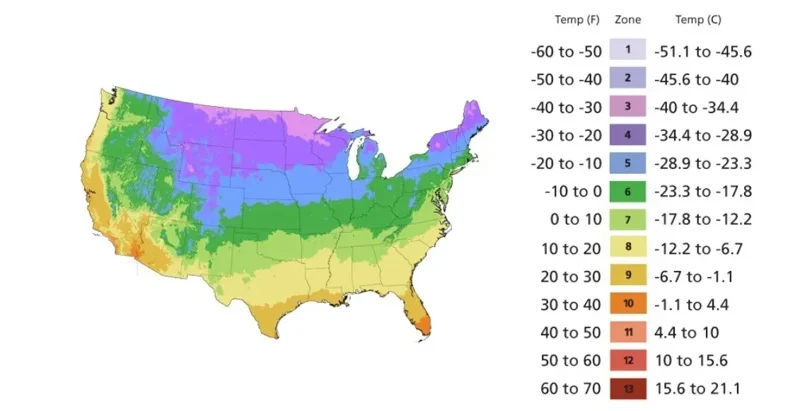
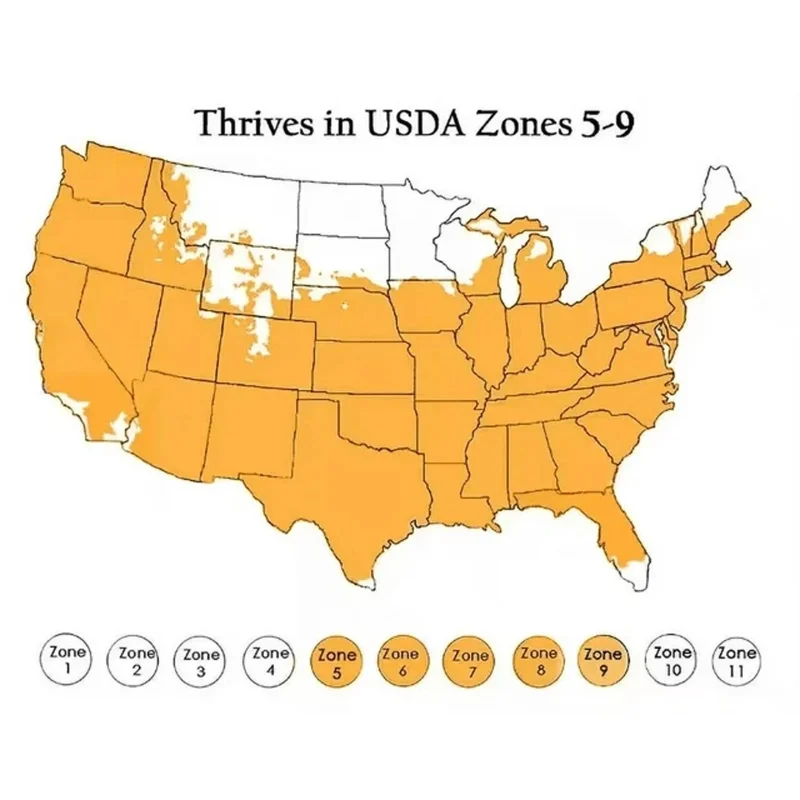
USDA Zones 3-9 -
Soil Type
Well-draining, loose, fertile soil -
Sunlight Exposure
Full Sun (6-8+ hours daily) -
Expected Planting Period
Spring after last frost
Overview
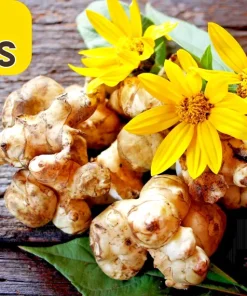
Embark on a rewarding gardening journey with our premium Jerusalem Artichoke seeds, also widely known as Sunchokes or Sunroots. Scientifically named Helianthus tuberosus, these versatile plants are celebrated for their delicious, nutty-flavored tubers and their cheerful, bright yellow flowers, reminiscent of small sunflowers. Originating from North America, the Jerusalem Artichoke is a robust perennial vegetable that offers both culinary delight and ornamental beauty to your garden. Whether you’re a seasoned gardener or just starting out, these seeds provide an excellent opportunity to grow a unique and beneficial crop that thrives with minimal fuss. Enjoy the dual benefit of an attractive plant and a harvest of nutritious root vegetables, perfect for a variety of dishes. The tubers are an excellent source of inulin, a prebiotic fiber, making them a healthy addition to any diet.
Key Benefits
Growing Sunchoke seeds offers a multitude of advantages for both your garden and your plate. These plants are incredibly resilient and provide a sustainable food source. Here are some of the key benefits you can expect:
- Edible Tubers: Harvest delicious, crunchy tubers with a unique, slightly sweet, nutty flavor. They can be eaten raw, roasted, boiled, or mashed, offering a versatile ingredient for countless recipes.
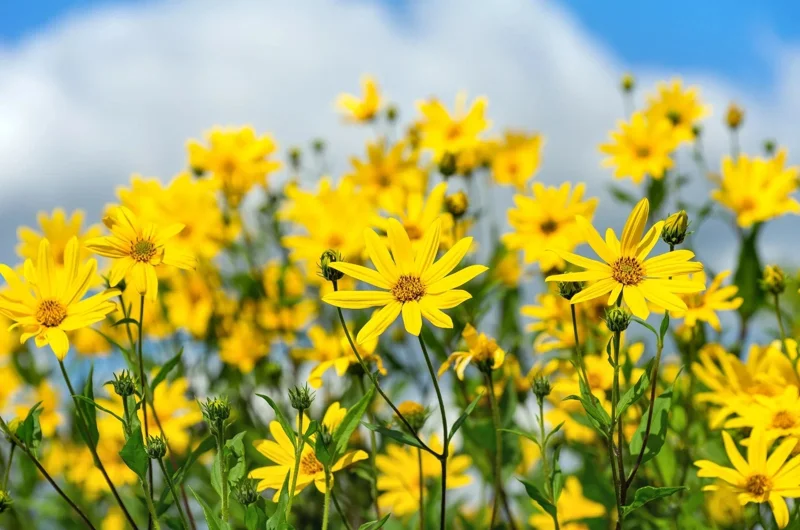
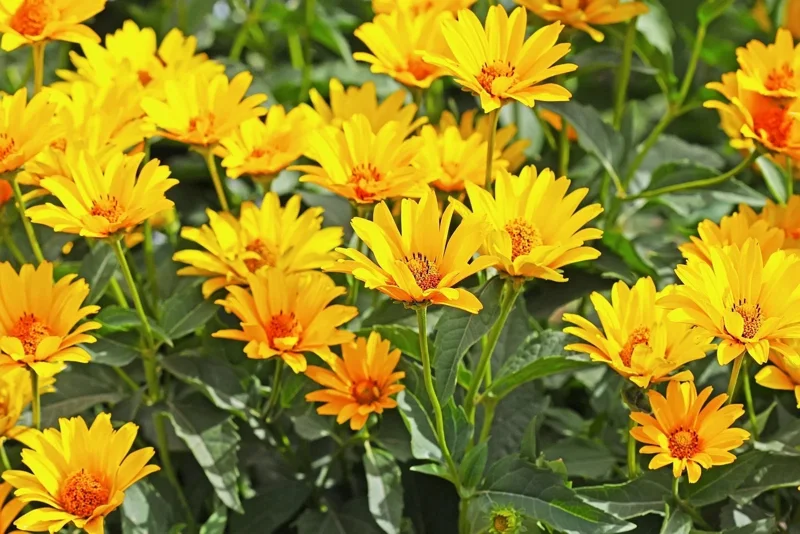
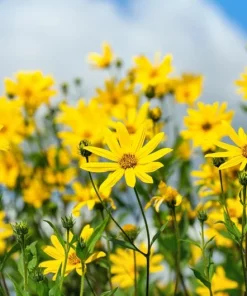
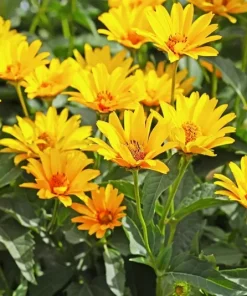
- Attractive Yellow Flowers: Enjoy an abundance of bright yellow, daisy-like flowers that bloom in late summer and fall, adding a vibrant splash of color to your landscape. These flowers also attract pollinators like bees and butterflies.
- Perennial Growth: Once established, Helianthus Tuberosus seeds will produce plants that return year after year, providing a continuous harvest without the need for annual replanting. This makes them a highly sustainable choice for any garden.
- Easy to Grow: Known for their hardiness and adaptability, Jerusalem Artichokes are remarkably easy to cultivate, tolerating a wide range of soil conditions and requiring minimal maintenance. They are an ideal choice for beginner gardeners.
- Nutritional Value: The tubers are rich in dietary fiber (especially inulin), vitamins, and minerals, contributing to a healthy diet. They are a great alternative to potatoes for those seeking low-starch options.
- Soil Improvement: The extensive root system of the edible tuber plant helps to improve soil structure and prevent erosion, making them beneficial for soil health over time.
- Wildlife Habitat: The plants provide shelter and food for various wildlife, enhancing biodiversity in your garden environment.
Plant Care & Growing Tips
Cultivating Jerusalem Artichoke seeds is straightforward, thanks to their resilient nature. For best results, plant your seeds in a location that receives full sun, meaning at least 6-8 hours of direct sunlight per day. While they can tolerate some partial shade, abundant sunshine promotes better tuber development and more prolific flowering. The ideal soil for Jerusalem Artichokes is well-draining, loose, and fertile, although they are highly adaptable and can grow in less-than-ideal conditions. A neutral soil pH is preferred, but they will tolerate slightly acidic or alkaline soils.
Watering should be consistent, especially during dry spells and when the plants are establishing. Aim for moderately moist soil, but avoid waterlogging, which can lead to tuber rot. Once established, these plants are quite drought-tolerant. Fertilization is generally not heavily required, but a balanced organic fertilizer applied in spring can encourage vigorous growth. These perennial vegetable seeds are cold hardy and can withstand winter temperatures in many regions. They are typically grown outdoors and are well-suited to USDA zones 3-9. Be aware that Jerusalem Artichokes can spread aggressively, so consider planting them in an area where their growth can be contained or harvested regularly to manage their spread.
Size & Details
Each packet contains 20 Jerusalem Artichoke seeds, providing a generous start for your garden. These seeds will mature into robust perennial plants, typically reaching heights of 6 to 10 feet (1.8 to 3 meters) with a spread of 3 to 5 feet (0.9 to 1.5 meters). The plant’s growth habit is clumping, forming dense stands over time. The vibrant yellow flowers usually appear in late summer to early fall, adding a cheerful display to your garden. Tubers are typically ready for harvest after the first frost, usually in late fall or early winter, and can continue to be harvested throughout the winter and early spring before new growth begins. These Sunchoke seeds are ideal for creating a productive and attractive garden space, providing both an ornamental display and a valuable food source for years to come.
Frequently Asked Questions
- Q: How big do Jerusalem Artichoke plants get? A: Jerusalem Artichoke plants can grow quite tall, typically reaching heights of 6 to 10 feet (1.8 to 3 meters), making them a striking presence in the garden.
- Q: Is this an indoor or outdoor plant? A: Jerusalem Artichokes (Sunchokes) are primarily outdoor plants, thriving in garden beds where they have ample space to grow and spread their edible tubers.
- Q: How much sunlight do Jerusalem Artichoke seeds need to grow? A: For optimal growth and tuber production, Jerusalem Artichoke seeds require full sun exposure, meaning at least 6-8 hours of direct sunlight per day.
- Q: Is this plant easy to care for? A: Yes, Jerusalem Artichokes are renowned for their ease of care. They are hardy, adaptable to various soil types, and require minimal maintenance once established, making them excellent for beginners.
- Q: What condition will the seeds arrive in? A: Your Helianthus Tuberosus seeds will arrive in a protective packet, ensuring they are fresh and viable for planting.
- Q: How long until the Jerusalem Artichoke plants bloom? A: Jerusalem Artichoke plants typically bloom in late summer to early fall, usually a few months after planting the seeds in spring.
- Q: What is the best time to plant Jerusalem Artichoke seeds? A: The best time to plant perennial vegetable seeds like Jerusalem Artichoke is in the spring after the last frost, when the soil has warmed up.
- Q: Will Jerusalem Artichokes survive winter in my zone? A: These plants are very cold hardy, typically thriving in USDA zones 3-9, and their tubers can often be left in the ground through winter for harvest.
- Q: Can I eat the tubers from these Jerusalem Artichoke plants? A: Absolutely! The main reason to grow Jerusalem Artichokes is for their delicious and nutritious tubers, which are excellent for culinary use.
- Q: Is this an invasive plant? A: While not truly invasive in the ecological sense, Jerusalem Artichokes can spread aggressively in a garden setting due to their prolific tuber production. It’s advisable to plant them where their growth can be managed.
Be the first to review “Jerusalem Artichoke Sunchoke Seeds – Helianthus Tuberosus – 20 Seeds, Yellow Flowers, Perennial”
People Also Viewed
Reviews
There are no reviews yet.