

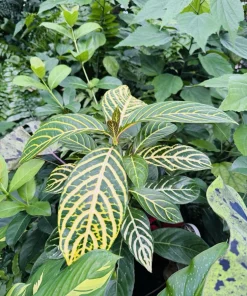
Aphelandra Zebra Plant Live – Tropical Houseplant in Pot
Original price was: $53.99.$43.99Current price is: $43.99.
Add a striking splash of color and texture to your indoor space with the beautiful Aphelandra Zebra Plant. This tropical houseplant is celebrated for its distinctive foliage and vibrant yellow blooms, making it a perfect decorative accent.
Estimated arrival
Oct 27
Nov 01 - Nov 03
Nov 06 - Nov 10
Shop With Confidence
30-Day Plant Health Guarantee
Arrives damaged? We’ll replace it free — see our return policy.
Responsive Support
Email us anytime, we reply within 1 business day.
Expert Packaging
Temperature-controlled shipping to protect your plants in transit.
Secure Checkout
Pay safely with Visa, Mastercard, PayPal.
Plant Specifications
-
USDA Hardiness Zone
Year-round indoors (USDA zones 10-11 if outdoors) -
Soil Type
Rich, well-draining potting mix -
Sunlight Exposure
Bright indirect light -
Expected Planting Period
Year-round indoors
Overview
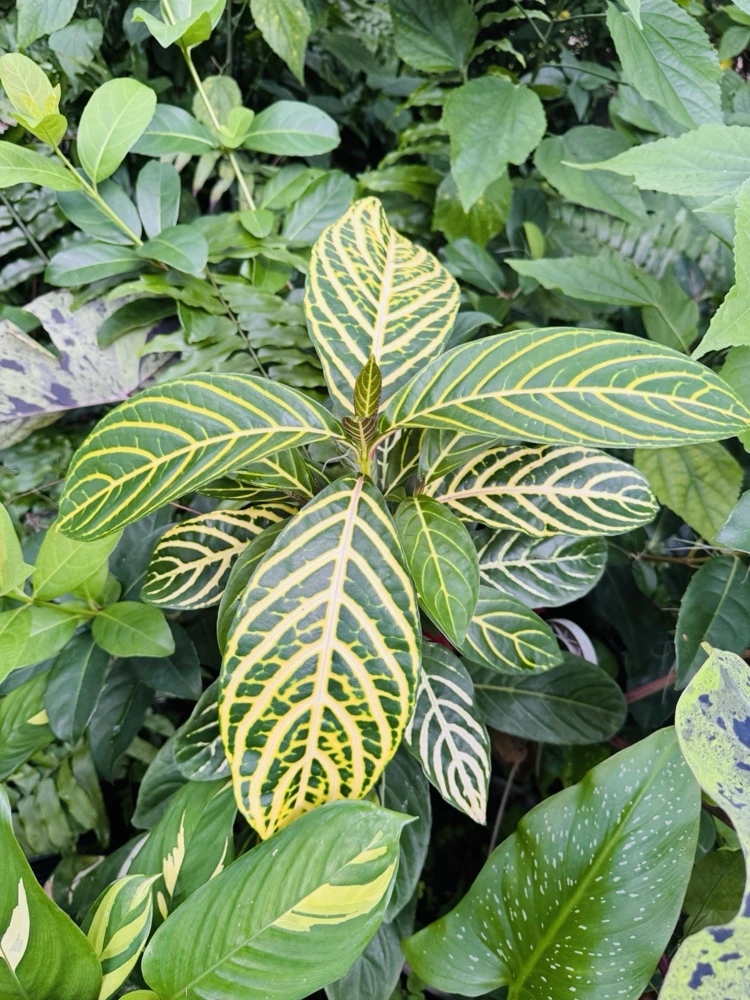
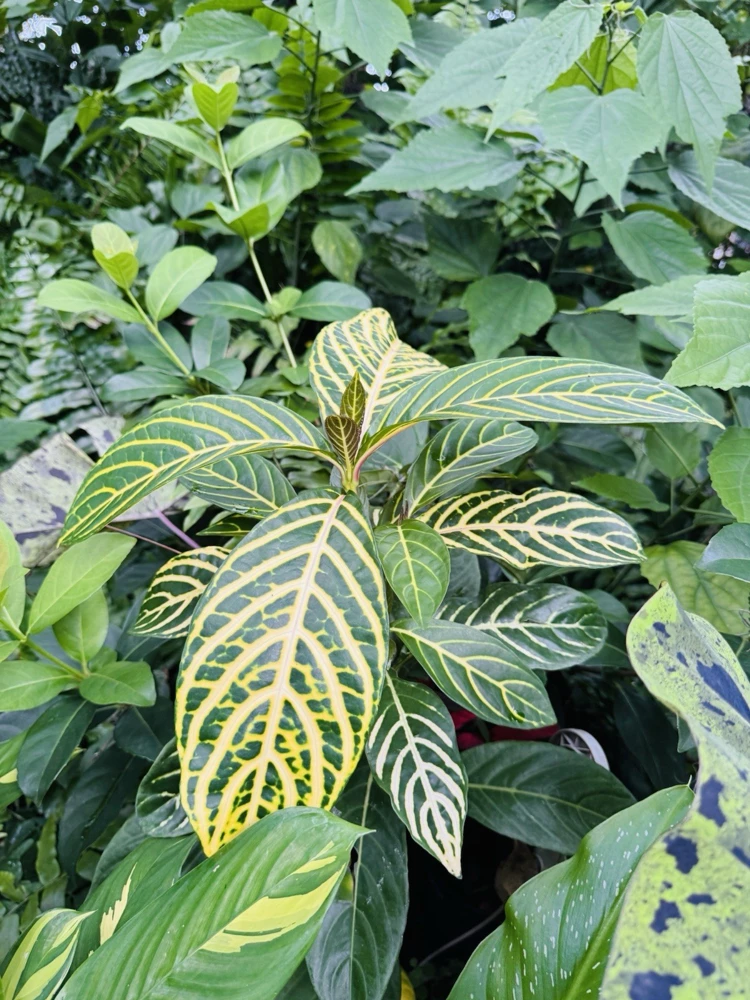
Introduce a touch of the tropics into your home with the captivating Aphelandra Zebra Plant. Known scientifically as Aphelandra squarrosa, this stunning live plant is cherished for its dramatic, dark green leaves boldly striped with bright white or yellow veins, resembling a zebra’s pattern. Beyond its striking foliage, this tropical houseplant also produces brilliant, cone-shaped yellow flower bracts that emerge in late summer or autumn, adding an extra layer of visual interest. Originating from the rainforests of Brazil, the Aphelandra Zebra Plant thrives in warm, humid environments, making it an ideal choice for indoor cultivation. It’s a fantastic specimen plant that can instantly elevate the aesthetic of any room, offering a unique blend of color and form that captures attention.
This particular offering provides a healthy, established plant, ready to enhance your living space. The zebra plant care is manageable for dedicated plant enthusiasts, rewarding consistent attention with lush growth and vibrant displays. Whether you’re a seasoned plant collector or looking for a distinctive new addition, this plant promises to be a focal point with its exotic charm and vivid presence. Its unique appearance also makes it a popular choice for gifting.
Key Benefits
The Aphelandra Zebra Plant offers numerous advantages, making it a beloved choice for indoor gardeners. Its distinct appearance and relatively compact size ensure it fits well in various settings, from desks to shelves. Here are some of the key benefits this extraordinary plant provides:
- Stunning Visual Appeal: The primary draw of the Aphelandra Zebra Plant is its incredibly striking foliage. The dark green leaves with their contrasting white or yellow veins create a natural work of art, providing year-round visual interest even when not in bloom.
- Vibrant Blooms: In addition to its impressive leaves, this plant produces bright, long-lasting yellow flower bracts that add a cheerful burst of color. These unique inflorescences can last for several weeks, offering a delightful surprise.
- Air Purification: Like many houseplants, the Aphelandra Zebra Plant contributes to a healthier indoor environment by helping to filter common airborne toxins and improve air quality, making your home a fresher place.
- Tropical Ambiance: Its exotic appearance instantly transforms any room into a more tropical and lush retreat, perfect for creating a serene and inviting atmosphere.
- Conversation Starter: Due to its distinctive look, the Aphelandra Zebra Plant is often a talking point among guests, showcasing your unique taste in indoor flora.
- Compact Size: While it can grow to a decent size, it remains manageable for most indoor spaces, fitting comfortably on tabletops, shelves, or as a floor plant in smaller pots.
- Enhances Decor: Its bold patterns and vibrant colors make it an excellent accent plant that complements a wide range of interior design styles, from modern to bohemian.
Plant Care & Growing Tips
To ensure your Aphelandra Zebra Plant thrives and continues to display its beautiful striped foliage and vibrant flowers, consistent and attentive care is essential. This tropical species prefers conditions that mimic its native rainforest habitat. Providing the right environment will lead to a healthy and vigorous plant.
Sunlight Requirements: The Aphelandra Zebra Plant prefers bright, indirect light. Direct sunlight can scorch its delicate leaves, causing unsightly brown spots, while too little light can diminish the vibrancy of its stripes and prevent flowering. An east-facing window is often ideal, or a few feet away from a south or west-facing window where it receives filtered light throughout the day. Rotate the plant regularly to ensure even growth and light exposure.
Watering and Humidity: This plant loves consistent moisture but hates soggy feet. Water thoroughly when the top inch of soil feels dry to the touch, allowing excess water to drain completely from the bottom of the pot. Never let the plant sit in standing water. High humidity is crucial for the Aphelandra Zebra Plant, so misting daily, placing it near a humidifier, or setting its pot on a pebble tray filled with water are excellent ways to maintain the required moisture levels. Low humidity can lead to crispy leaf edges and browning.
Soil Type and Fertilization: Use a rich, well-draining potting mix that retains some moisture. A good quality indoor potting mix amended with perlite or orchid bark works well. Fertilize every 2-4 weeks during the growing season (spring and summer) with a balanced liquid fertilizer diluted to half strength. Reduce fertilization in fall and winter when the plant’s growth slows. Proper zebra plant care includes providing adequate nutrients.
Temperature and Pruning: Maintain warm temperatures, ideally between 65-80°F (18-27°C). Avoid temperatures below 60°F (15°C), as this can stress the plant. Protect it from cold drafts. Prune your plant after flowering to encourage bushier growth and prevent legginess. You can also pinch back growing tips to promote branching and a fuller appearance. Regularly inspect for pests like spider mites and mealybugs, which can thrive in dry conditions.
Size & Details
Each Aphelandra Zebra Plant provided is a healthy, actively growing live specimen, meticulously cared for to ensure its vitality upon arrival. While specific dimensions can vary, these plants typically arrive in a nursery pot, ready for you to enjoy. The size of the plant will allow for immediate display and continued growth in your home. With optimal zebra plant care, it can reach a height of 1-2 feet indoors, creating a lush, upright display.
The plant is shipped securely to minimize stress during transit, ensuring it arrives in excellent condition. Expect to see the characteristic dark green leaves with prominent white or yellow veins, instantly recognizable as the distinctive striped foliage plant. The vibrant yellow flower bracts typically appear from late summer through autumn, offering a stunning contrast to the dark leaves. This plant is a relatively moderate grower, so you will see steady development with proper care and attention to its tropical needs.
Frequently Asked Questions
- Q: How big does this Aphelandra Zebra Plant get? A: With proper care, your Aphelandra Zebra Plant can typically grow to be 1 to 2 feet tall indoors, with a similar spread. Its growth rate is moderate, allowing you to enjoy its beauty as it matures.
- Q: Is this an indoor or outdoor plant? A: The Aphelandra Zebra Plant is primarily grown as an indoor plant in most climates due to its tropical nature. It can be moved outdoors in shaded areas during warm summer months in USDA zones where temperatures remain consistently above 60°F (15°C).
- Q: How much sunlight does it need? A: This plant thrives in bright, indirect light. Avoid direct sun exposure, which can scorch its leaves. A spot near an east-facing window or a few feet from a south or west-facing window with filtered light is ideal for optimal zebra plant care and vibrant color.
- Q: Is this plant easy to care for, especially for beginners? A: The Aphelandra Zebra Plant requires a bit more attention than some other houseplants, particularly regarding humidity and consistent watering. It’s best suited for intermediate plant enthusiasts or beginners willing to learn and provide consistent care, especially for its humidity needs.
- Q: What condition will it arrive in? A: Your plant will arrive as a healthy, live potted specimen, carefully packaged to protect it during transit. It will be ready to be placed in your home and begin thriving with proper care.
- Q: How often should I water my Aphelandra Zebra Plant? A: Water when the top inch of soil feels dry to the touch. It’s crucial to keep the soil consistently moist but never waterlogged. Overwatering can lead to root rot, while underwatering can cause leaves to droop.
- Q: When does the Aphelandra Zebra Plant typically bloom? A: This indoor flowering plant usually produces its bright yellow flower bracts in late summer or early autumn. The blooms can last for several weeks, adding a beautiful seasonal display to your home.
- Q: Is the striped foliage plant pet-safe? A: While generally considered non-toxic, it’s always best to keep plants out of reach of curious pets to prevent any potential mild digestive upset if ingested.
- Q: What type of soil is best for a zebra plant? A: A rich, well-draining potting mix that retains some moisture is ideal. You can use a standard indoor potting mix and amend it with perlite or orchid bark to ensure good drainage while maintaining hydration, which is key for good zebra plant care.
- Q: How can I increase humidity for my tropical houseplant? A: To increase humidity, you can mist the leaves daily, place the pot on a pebble tray filled with water (ensuring the pot doesn’t sit directly in the water), or use a room humidifier nearby. These methods help mimic its natural rainforest environment.
Be the first to review “Aphelandra Zebra Plant Live – Tropical Houseplant in Pot”
People Also Viewed

Vegetables
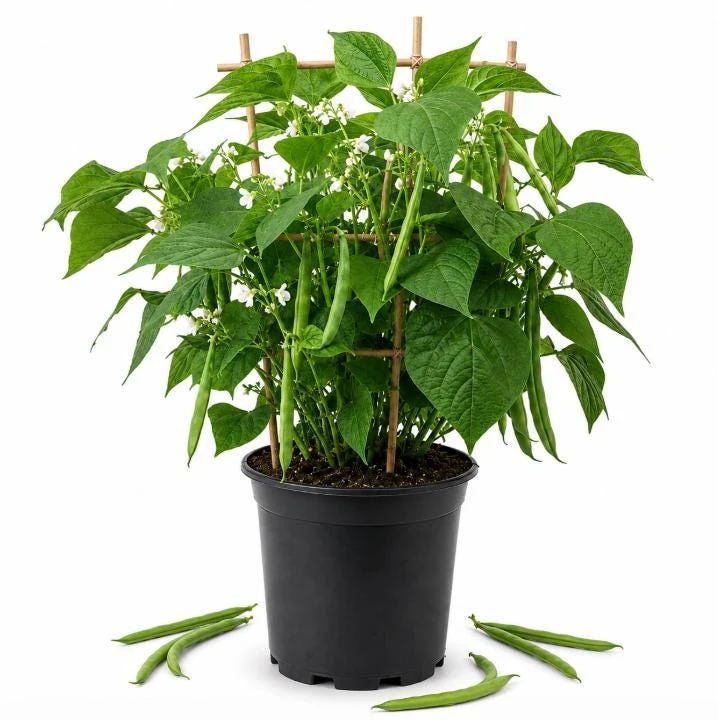
Bush Bean Live Plants – Set of 2, 3-5 Inch Tall, 4 Inch Pot – Easy Grow Vegetable Starters




Reviews
There are no reviews yet.