
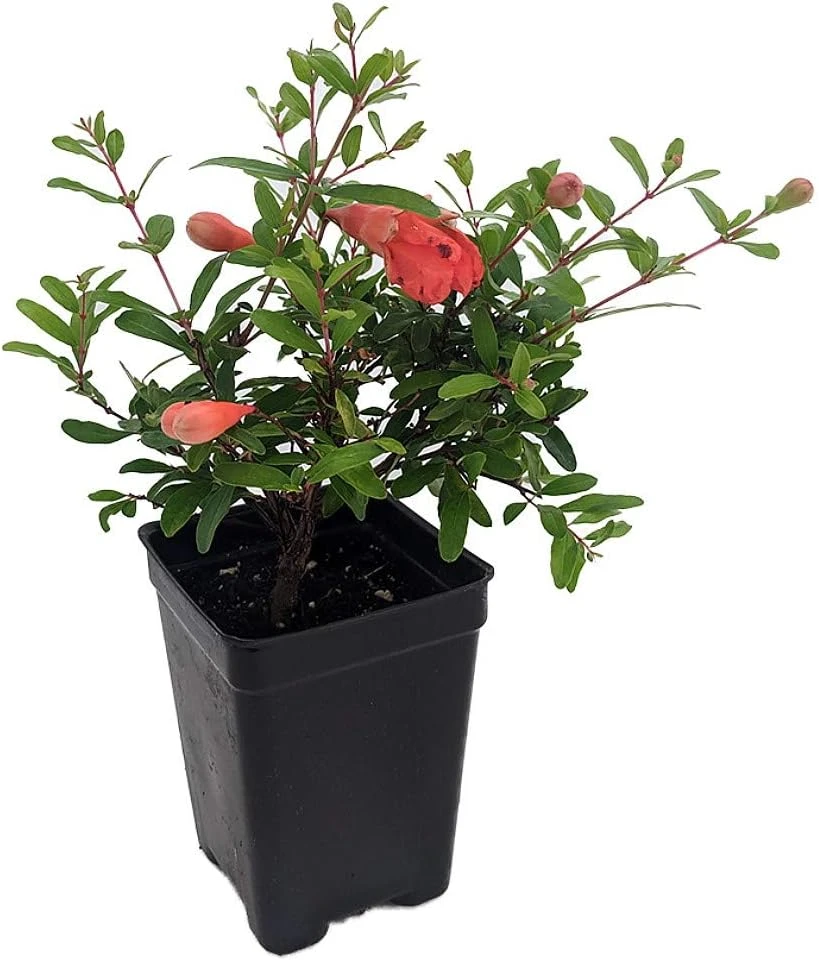
Dwarf Pomegranate Live Plant – Punica – Edible Bonsai & Houseplant – 2.5″ Pot
Original price was: $38.99.$28.99Current price is: $28.99.
Bring home a versatile dwarf pomegranate live plant, ideal for cultivating as an edible houseplant or a captivating bonsai. This compact plant produces brilliant orange-red flowers and small, sweet fruits, thriving indoors or in suitable outdoor climates.
Estimated arrival
Sep 29
Oct 04 - Oct 06
Oct 09 - Oct 13
Shop With Confidence
30-Day Plant Health Guarantee
Arrives damaged? We’ll replace it free — see our return policy.
Responsive Support
Email us anytime, we reply within 1 business day.
Expert Packaging
Temperature-controlled shipping to protect your plants in transit.
Secure Checkout
Pay safely with Visa, Mastercard, PayPal.
Plant Specifications
-
USDA Hardiness Zone
7-10 -
Soil Type
Well-draining potting mix -
Sunlight Exposure
Full sun -
Expected Planting Period
Year-round indoors, Spring to early summer outdoors
Overview
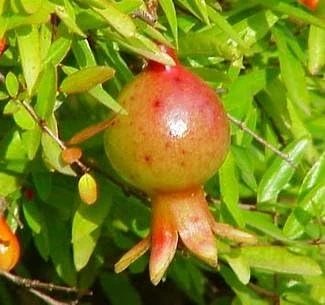
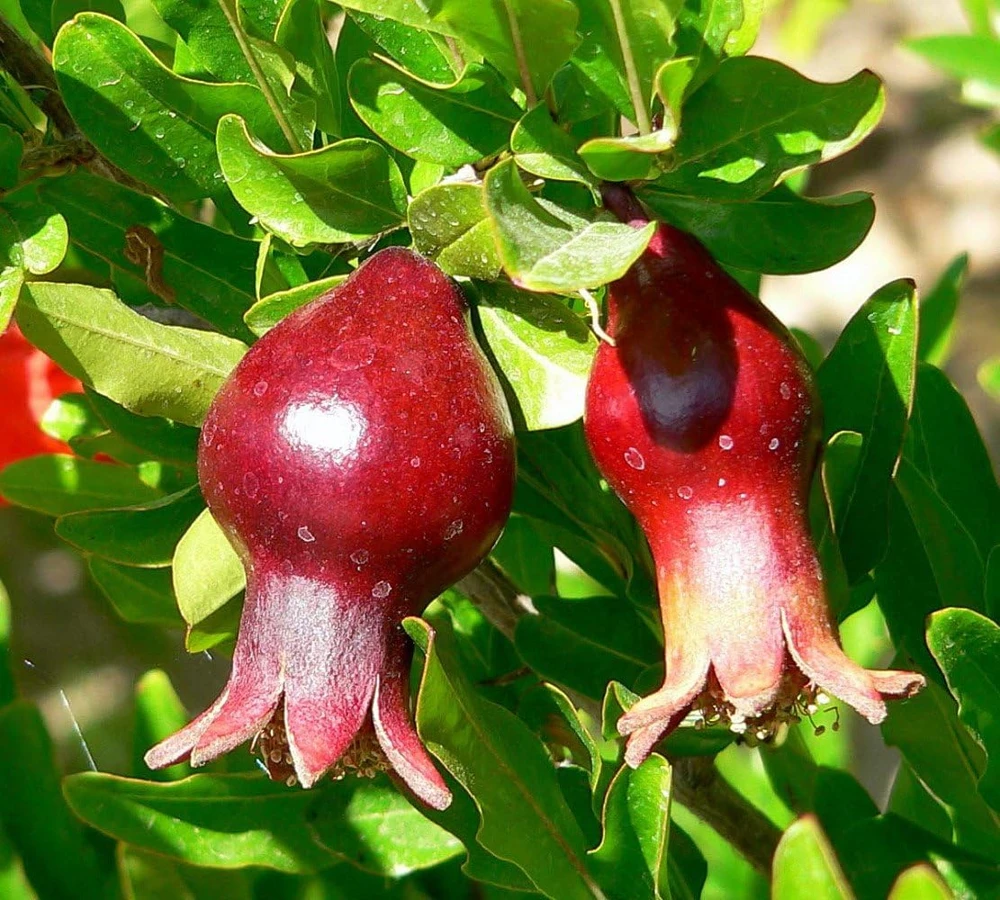
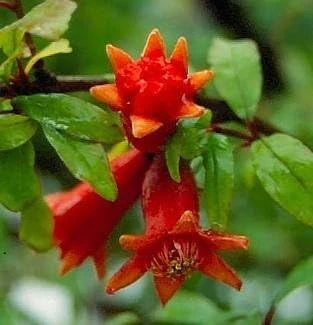
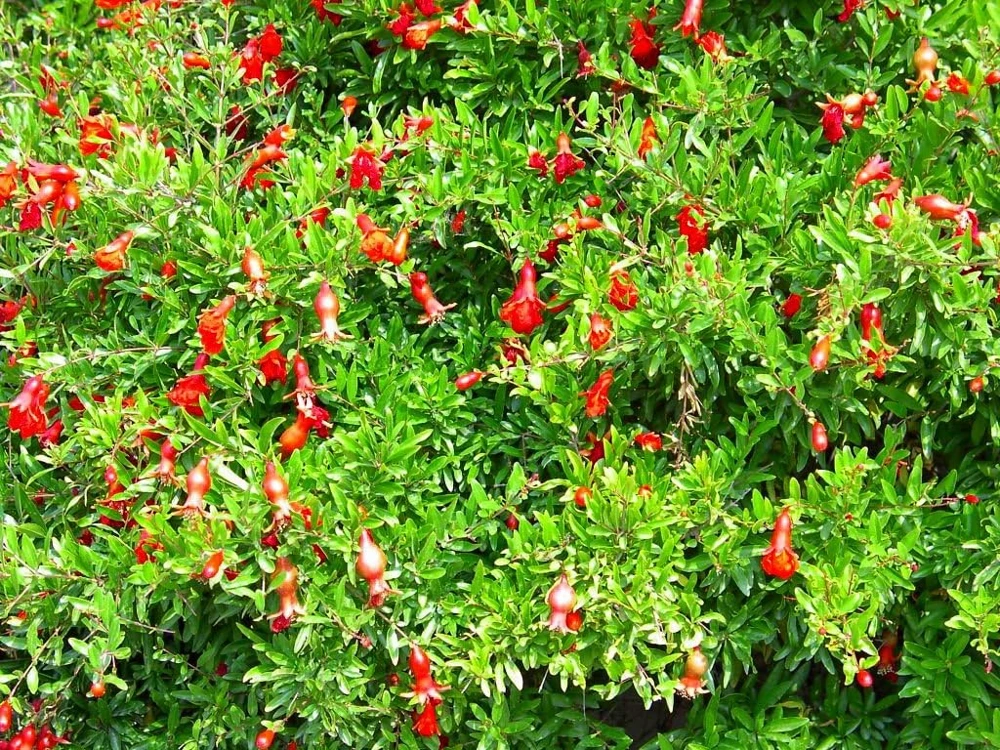
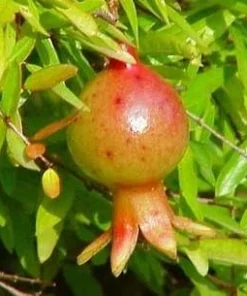
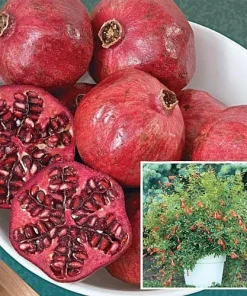
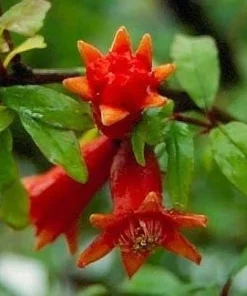
Discover the charm and versatility of the dwarf pomegranate live plant (Punica granatum ‘Nana’). This unique shrub is celebrated for its compact size, making it an excellent choice for both indoor cultivation as a houseplant and for the art of bonsai. Unlike its larger relatives, the dwarf pomegranate offers a delightful combination of ornamental beauty and edible fruit. It showcases brilliant orange-red, trumpet-like flowers almost continuously, followed by small, spherical orange-red fruits that are surprisingly sweet, especially when grown in ample sunlight. Its dark green leaves, often with hints of bronze, add to its aesthetic appeal. Whether you’re a seasoned gardener or a beginner, this adaptable plant promises to add an exotic touch to your home or garden.
The dwarf pomegranate live plant is a fascinating specimen that provides year-round interest. Its ability to thrive in various conditions, from a small potted indoor plant to an outdoor garden shrub, makes it incredibly popular. The fruit, while smaller than commercial varieties, is perfectly edible and delicious. This plant is not only beautiful but also relatively easy to care for, offering a rewarding experience for any plant enthusiast.
Key Benefits
The dwarf pomegranate live plant offers a multitude of benefits, making it a highly desirable addition to any plant collection. Its unique characteristics contribute to its appeal as both an ornamental and a productive plant.
- Versatile Growth: Can be easily grown indoors as a potted houseplant, adding a touch of exotic beauty to any room. It also excels outdoors in appropriate climates.
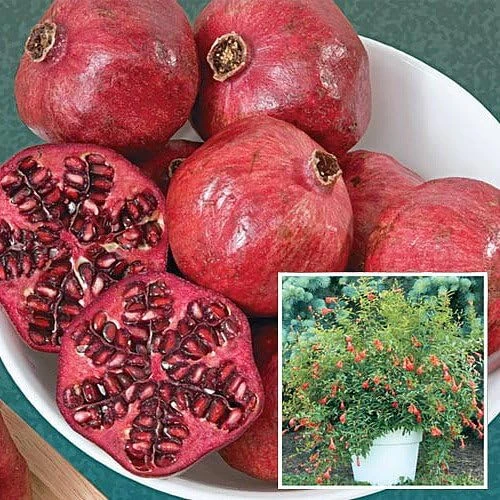
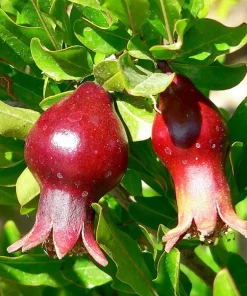
- Edible & Ornamental Fruit: Produces small, sweet, and flavorful fruits that are delicious to eat. The vibrant orange-red fruits also serve as beautiful ornamental accents, especially in fall.
- Continuous Blooms: Enjoy a constant display of brilliant orange-red, trumpet-like flowers throughout the growing season, adding continuous color to your space.
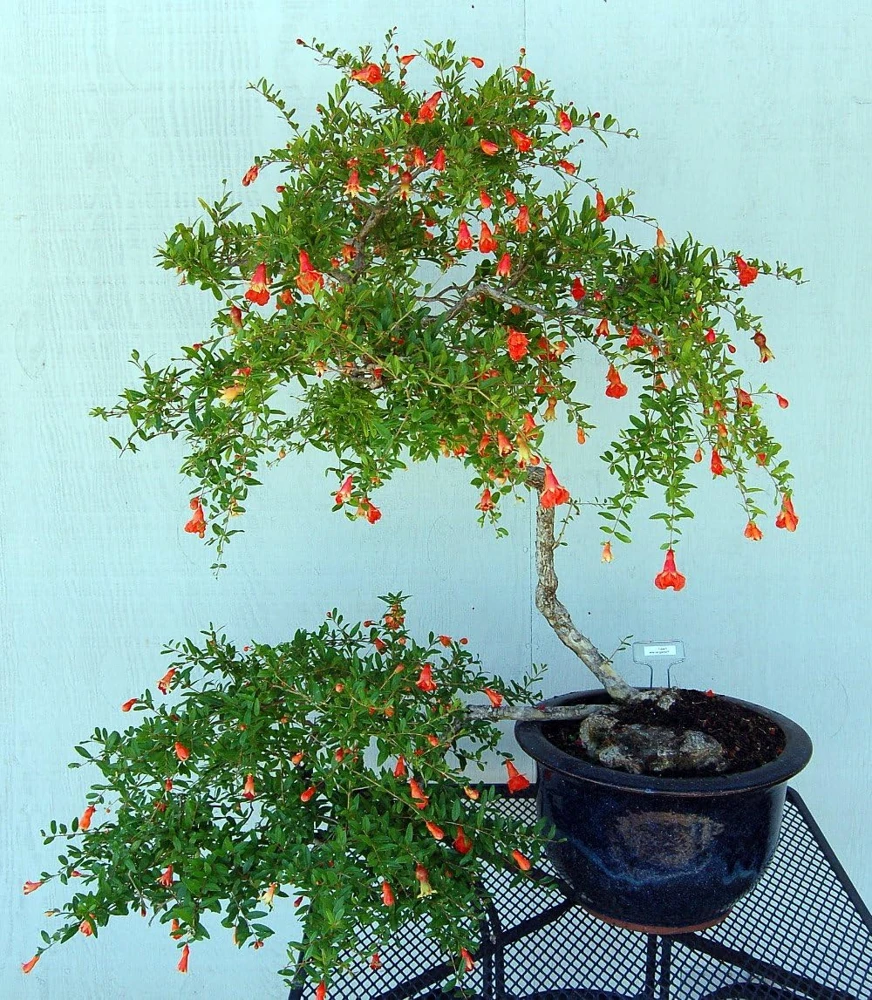
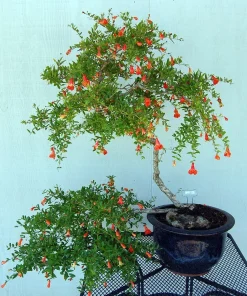
- Bonsai Potential: Its natural compact growth and attractive foliage make it an excellent candidate for training as an unusual and stunning bonsai tree. Many enthusiasts enjoy the challenge and reward of growing dwarf pomegranate as a bonsai.
- Low Maintenance: This resilient plant is relatively easy to care for, making it suitable for gardeners of all experience levels. It adapts well to various conditions with proper attention.
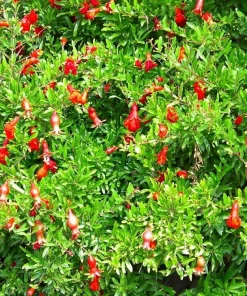
- Attractive Foliage: Features dark green leaves with bronzed undertones, providing lush visual interest even when not in bloom or fruit.
- Compact Size: Naturally stays small, reaching only about two feet tall when confined to a one-gallon pot indoors, perfect for small spaces or tabletops.
Plant Care & Growing Tips
Caring for your dwarf pomegranate live plant is a rewarding experience that requires understanding its basic needs. This plant is quite adaptable, but optimal conditions will ensure a healthier plant and more abundant blooms and fruit.
Sunlight requirements: The dwarf pomegranate thrives in full sun, especially if you desire sweeter fruit. When grown outdoors, aim for at least 6-8 hours of direct sunlight daily. Indoors, place it in your brightest window, preferably a south-facing one, or supplement with a grow light to ensure it receives adequate light. Insufficient light can reduce flowering and fruit production. For an indoor pomegranate tree, rotating the pot periodically will ensure even growth.
Watering schedule and soil moisture preferences: Water thoroughly when the top inch of soil feels dry to the touch. Allow excess water to drain completely, as pomegranates do not like soggy feet. Reduce watering slightly in winter if the plant experiences a period of dormancy. Consistent moisture is key, but avoid overwatering, which can lead to root rot. Good drainage is crucial for healthy root development.
Soil type and drainage requirements: Use a well-draining potting mix. A standard houseplant mix amended with perlite or sand for extra drainage works well. If planting outdoors, ensure the soil is well-drained and not heavy clay. Pomegranates prefer slightly acidic to neutral soil (pH 6.0-7.0). Proper drainage is essential to prevent waterlogging and promote robust growth.
Temperature range and USDA hardiness zone: This plant is hardy in USDA Zones 7-10 for outdoor planting. In colder zones, it must be brought indoors for winter. Indoors, maintain average room temperatures between 60-80°F (15-27°C). Protect from frost, as it is not cold-hardy. Sudden temperature drops can stress the plant. For effective dwarf pomegranate care, understanding its temperature tolerance is vital.
Fertilization schedule and type: Fertilize every 2-4 weeks during the active growing season (spring and summer) with a balanced liquid fertilizer diluted to half strength. Reduce or stop fertilizing in fall and winter when growth slows. A fertilizer higher in phosphorus can encourage more blooms and fruit. Avoid over-fertilizing, which can burn the roots.
Common problems and solutions: Watch out for common pests like aphids, spider mites, and whiteflies. Treat with insecticidal soap or neem oil. Yellowing leaves can indicate overwatering or nutrient deficiency. Ensure proper watering and fertilization. Lack of flowering or fruiting often points to insufficient sunlight. Adjust its location or provide supplemental lighting. This ensures your edible bonsai plant remains healthy and productive.
Size & Details
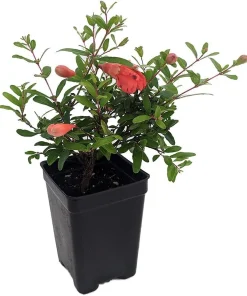
This dwarf pomegranate live plant is shipped in a 2.5-inch pot, ready for you to transplant into a larger container or your garden. When grown as a potted houseplant and confined to a one-gallon pot, it typically reaches a mature height of about two feet, making it a perfect compact specimen for windowsills, desks, or small patios. If planted outdoors and fertilized heavily, it can grow up to one foot in its initial stages, eventually reaching a larger shrub size depending on climate and care. The measurements provided are approximate, as growth can vary based on environmental conditions and care practices. Expect a moderate growth rate, with blooms and fruit appearing within the first year or two under optimal conditions. This plant is perfect for those interested in growing dwarf pomegranate for both its aesthetic and edible qualities.
Frequently Asked Questions
- Q: How big does this plant get? A: When grown indoors in a one-gallon pot, the dwarf pomegranate live plant typically reaches about two feet tall. Outdoors, it can grow larger as a shrub, depending on growing conditions and pruning.
- Q: What size pot does it come in? A: Your dwarf pomegranate plant will arrive in a 2.5-inch nursery pot, ready for you to repot into a larger container of your choice.
- Q: Is this an indoor or outdoor plant? A: This versatile plant can thrive both indoors as a houseplant or outdoors in USDA Zones 7-10. In colder climates, it must be brought indoors during winter.
- Q: How much sunlight does it need? A: The dwarf pomegranate prefers full sun, needing at least 6-8 hours of direct sunlight daily for best growth and fruit production. For an indoor pomegranate tree, a bright, south-facing window is ideal.
- Q: Is this plant easy to care for? A: Yes, the dwarf pomegranate care is considered relatively easy, making it suitable for both experienced gardeners and beginners who can provide adequate sunlight and proper watering.
- Q: What condition will it arrive in? A: Your plant will arrive healthy and well-packaged, ready for immediate planting or continued care in its existing pot. We ensure careful packaging for safe transit.
- Q: Is it shipped in soil? A: Yes, the plant is shipped in its nursery pot with soil to minimize stress during transit and ensure it arrives ready to thrive.
- Q: Can I use the fruit from this dwarf pomegranate? A: Absolutely! The fruits of this edible bonsai plant are sweet and perfectly edible, though smaller than standard pomegranates. They are delicious fresh or can be used in various culinary applications.
- Q: How long until it blooms? A: Under ideal conditions, your dwarf pomegranate may begin to bloom and produce fruit within the first year or two after planting.
- Q: Will it survive winter in my zone? A: This plant is hardy for outdoor growth in USDA Zones 7-10. If you live in a colder zone, you will need to bring your plant indoors before the first frost.
Be the first to review “Dwarf Pomegranate Live Plant – Punica – Edible Bonsai & Houseplant – 2.5″ Pot”
People Also Viewed
Vegetable Seeds
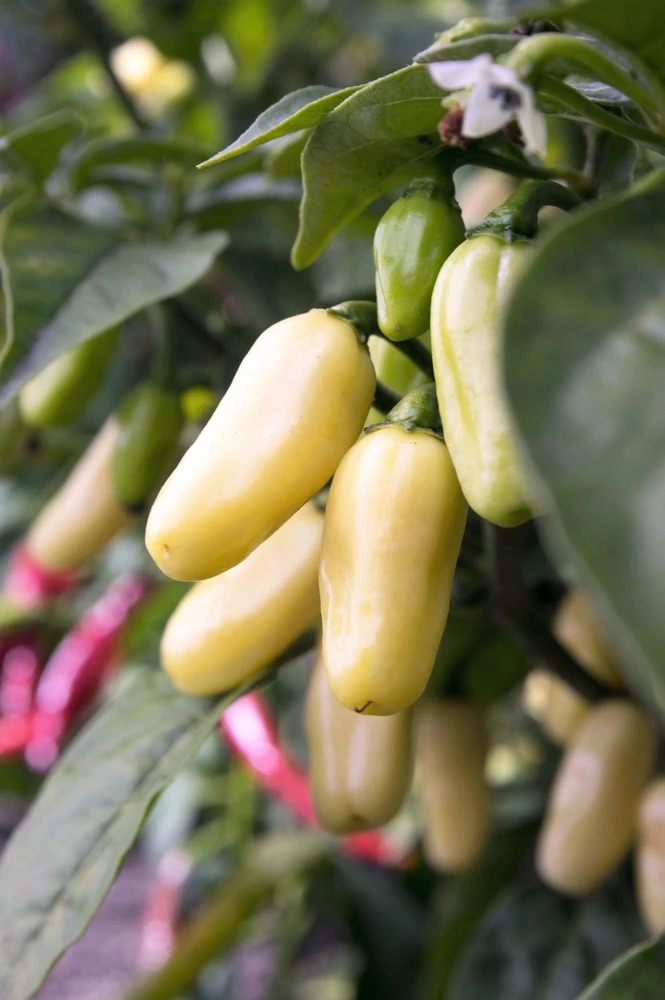
White Habanero Pepper Seeds – 50 Count, Hot, Capsicum Chinense
Reviews
There are no reviews yet.