

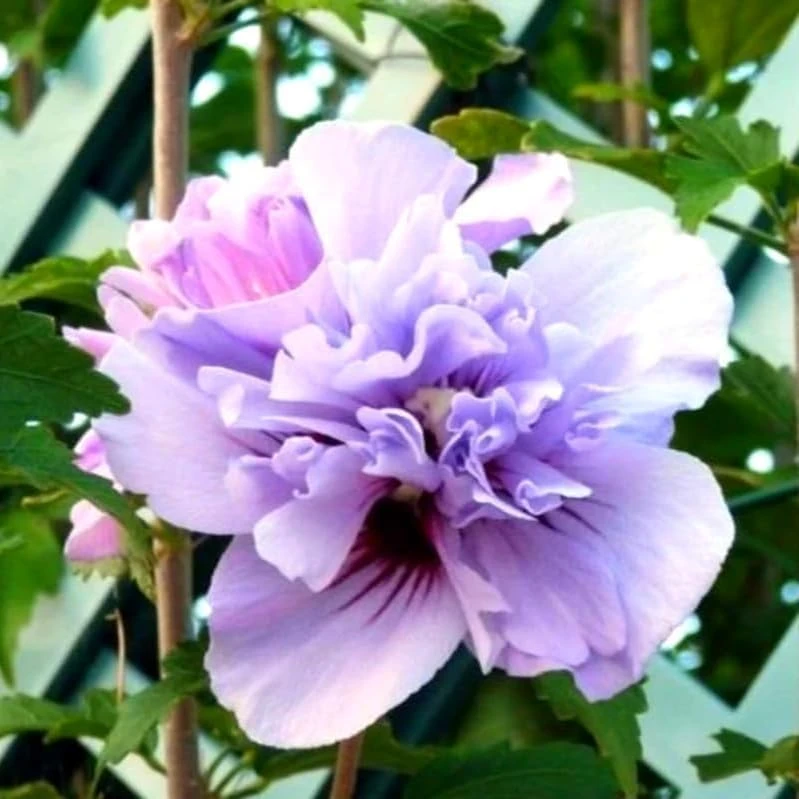
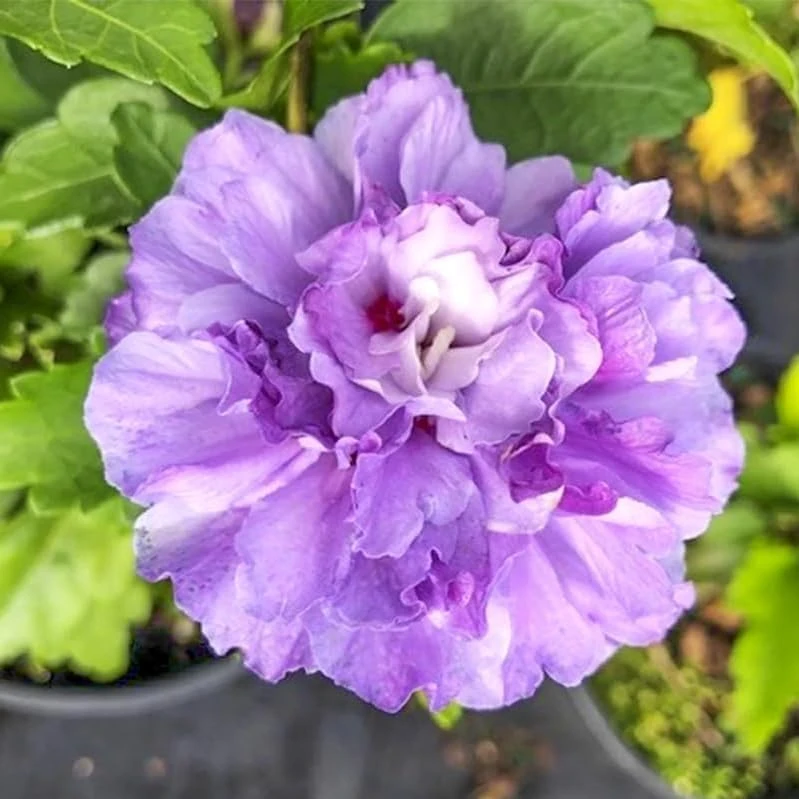

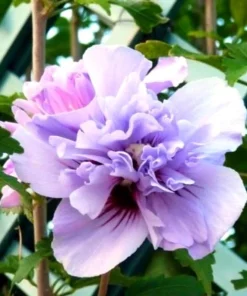
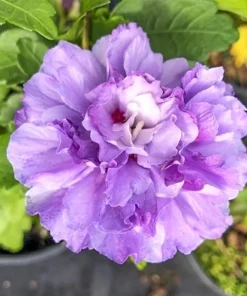
Purple Rose of Sharon Live Plant – Althea Hibiscus Quart Container – Outdoor Shrub
Original price was: $53.98.$29.99Current price is: $29.99.
Add a touch of elegance to your landscape with this purple rose of sharon live plant. Shipped in a quart container, this hardy Althea Hibiscus care plant is perfect for creating a vibrant outdoor display with its beautiful summer blooms.
Estimated arrival
Oct 14
Oct 19 - Oct 21
Oct 24 - Oct 28
Shop With Confidence
30-Day Plant Health Guarantee
Arrives damaged? We’ll replace it free — see our return policy.
Responsive Support
Email us anytime, we reply within 1 business day.
Expert Packaging
Temperature-controlled shipping to protect your plants in transit.
Secure Checkout
Pay safely with Visa, Mastercard, PayPal.
Plant Specifications
-
USDA Hardiness Zone
USDA Zones 5-9 -
Soil Type
Well-draining soil, adaptable -
Sunlight Exposure
Full sun to partial shade -
Expected Planting Period
Spring to early summer or early fall
Overview
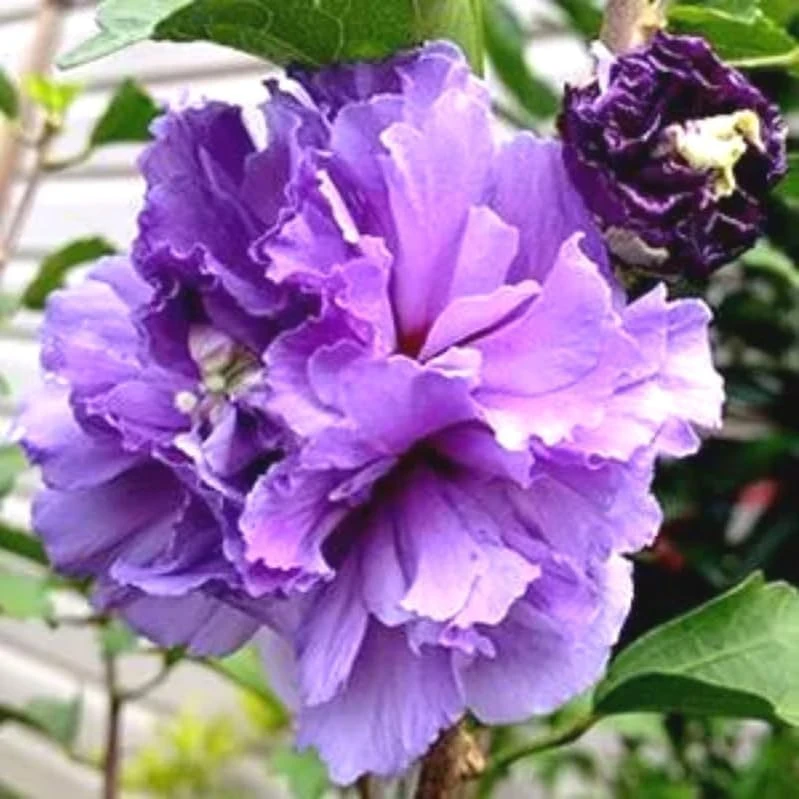
Introduce a burst of vibrant color and enduring beauty to your garden with a stunning purple rose of sharon live plant. Also known as Althea Hibiscus or Hibiscus syriacus plant, this deciduous shrub is celebrated for its prolific, trumpet-shaped flowers that bloom from summer into fall, providing continuous visual interest when many other plants have faded. Each purple rose of sharon live plant is carefully cultivated and shipped in a quart container, ensuring a healthy start for your new garden addition. This resilient and easy-to-grow shrub is a favorite among gardeners for its dramatic floral display and ability to thrive in various conditions, making it an excellent choice for borders, hedges, or as a standalone specimen plant.
The Rose of Sharon is not only beautiful but also incredibly versatile, adapting well to different soil types and climates. Its upright growth habit and attractive foliage make it a structural element in any landscape design. Whether you’re an experienced gardener or just starting, this magnificent shrub promises to deliver spectacular blooms year after year, transforming your outdoor space into a captivating haven.
Key Benefits
Integrating a purple rose of sharon live plant into your garden offers numerous advantages, enhancing both the aesthetic and ecological value of your outdoor space. This hardy shrub is a true garden workhorse, delivering consistent beauty and attracting beneficial wildlife.
- Spectacular Summer Blooms: Enjoy a continuous display of large, vibrant purple flowers from mid-summer through fall, providing rich color when many other plants are past their peak. The distinctive blooms of the Hibiscus syriacus plant add a tropical flair to temperate gardens.
- Low Maintenance & Hardy: Once established, the Rose of Sharon is remarkably resilient and requires minimal care, tolerating a range of soil conditions and drought. This makes growing Rose of Sharon an effortless and rewarding experience for gardeners of all levels.
- Attracts Pollinators: The abundant flowers are a magnet for hummingbirds, butterflies, and bees, contributing to the biodiversity and health of your garden ecosystem.
- Versatile Landscape Use: Ideal for use as a striking specimen plant, an attractive hedge, or as part of a mixed border. Its upright form and dense foliage provide excellent screening and structure.
- Deer Resistant: Generally not favored by deer, making it a reliable choice for gardens in areas with deer populations, ensuring your beautiful blooms remain untouched.
- Long Bloomer: Its extended flowering period ensures your garden remains lively and colorful for months, providing continuous enjoyment and visual appeal.
- Adaptable to Various Climates: The outdoor flowering shrub is known for its hardiness across a wide range of USDA zones, making it a dependable choice for many regions.
Plant Care & Growing Tips
Proper Althea Hibiscus care is straightforward, ensuring your purple rose of sharon live plant thrives and produces an abundance of beautiful flowers. This resilient shrub is forgiving, but a few key practices will guarantee its best performance. For optimal growth, plant your Rose of Sharon in a location that receives full sun to partial shade. Full sun (at least 6 hours of direct sunlight per day) will encourage the most prolific flowering, while partial shade might lead to fewer blooms but can be beneficial in hotter climates to prevent leaf scorch.
When it comes to watering, the Rose of Sharon prefers consistently moist soil, especially during its establishment period. Once mature, it is quite drought-tolerant, but regular watering during dry spells will support healthier growth and more vibrant blooms. Ensure the soil is well-draining to prevent root rot. A good quality, well-draining soil mix enriched with organic matter is ideal. For fertilization, a balanced slow-release fertilizer in early spring can promote vigorous growth and flowering. Pruning is best done in late winter or early spring before new growth begins, focusing on removing dead or weak branches and shaping the plant to maintain its desired size and form. You can also prune for size control without sacrificing blooms, as it flowers on new wood.
The Hibiscus syriacus plant is generally hardy in USDA zones 5-9. In colder zones, ensure it has a protected location and consider mulching around the base for winter insulation. Common problems are few, but watch out for aphids or whiteflies, which can be managed with insecticidal soap. Proper spacing and good air circulation can help prevent fungal issues. Following these simple steps for Althea Hibiscus care will allow you to enjoy a magnificent outdoor flowering shrub for many years.
Size & Details
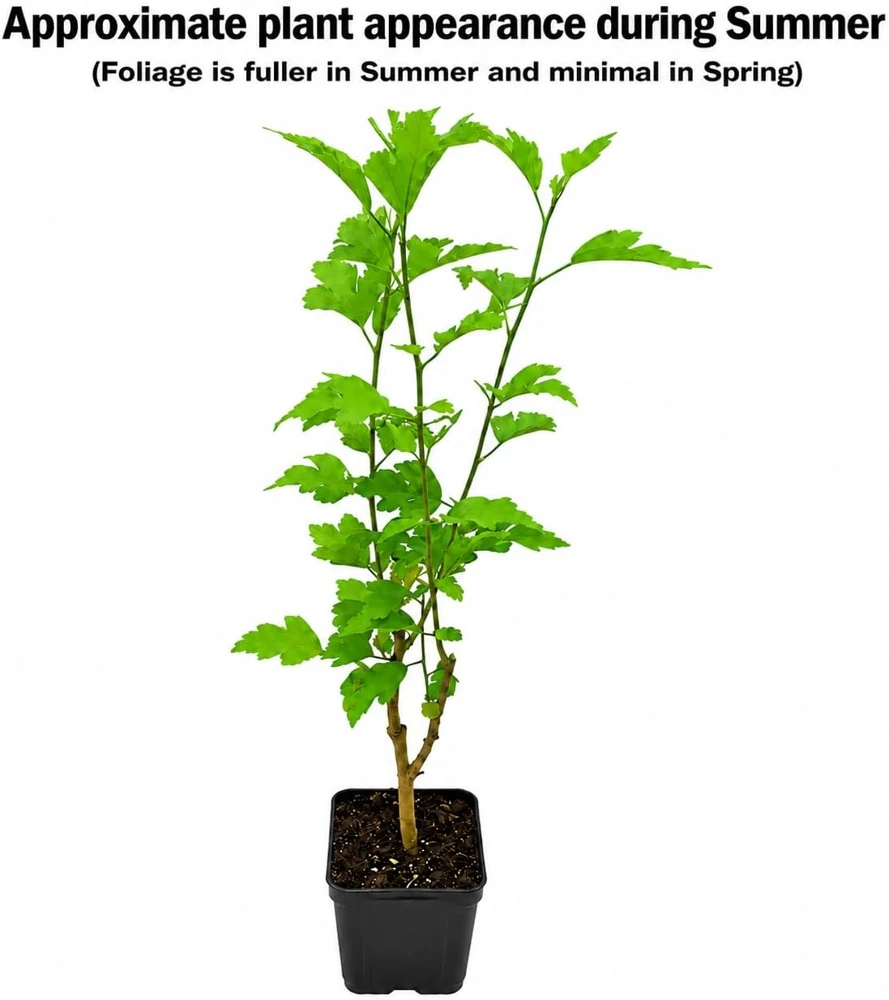
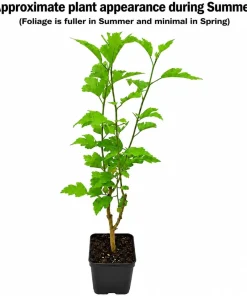
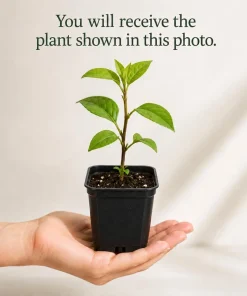
This purple rose of sharon live plant is shipped in a quart container, ready for planting upon arrival. At this stage, it is a healthy, young plant with a robust root system, typically standing between 6 to 12 inches tall. When mature, the Hibiscus syriacus plant can reach an impressive height of 8 to 12 feet with a spread of 6 to 10 feet, depending on growing conditions and pruning practices. It has a moderate to fast growth rate, quickly establishing itself in your garden and providing significant impact within a few seasons.
Expect your outdoor flowering shrub to begin producing its beautiful purple blooms in its first or second year after planting, with flowering becoming more abundant as the plant matures. The plant will arrive with established foliage, carefully packaged to ensure its safety during transit. This quart-sized plant is ideal for immediate transplanting into your garden or a larger pot, allowing you to start growing Rose of Sharon with ease and anticipation of its spectacular floral display.
Frequently Asked Questions
- Q: How big does this purple rose of sharon live plant get? A: A mature Rose of Sharon can typically grow to a height of 8 to 12 feet and spread 6 to 10 feet wide. Its final size can be managed with regular pruning.
- Q: What size pot does it come in? A: The purple rose of sharon live plant is shipped in a quart-sized container, providing a healthy root system for successful transplanting.
- Q: Is this an indoor or outdoor plant? A: The Rose of Sharon (Hibiscus syriacus plant) is primarily an outdoor flowering shrub, best suited for garden beds, hedges, or large outdoor containers.
- Q: How much sunlight does it need for optimal blooming? A: For the most abundant flowers, your Rose of Sharon should receive at least 6 hours of direct sunlight daily. It can tolerate partial shade, but flowering may be less prolific.
- Q: Is this plant easy to care for, especially for beginners? A: Yes, the Rose of Sharon is known for its hardiness and relatively low maintenance, making Althea Hibiscus care suitable for gardeners of all experience levels.
- Q: What condition will it arrive in, and is it shipped in soil? A: Your plant will arrive as a healthy, live plant in its quart container with soil, carefully packaged to minimize stress during transit.
- Q: How long until it blooms after planting? A: You can expect your purple rose of sharon live plant to start blooming in its first or second year after planting, with more significant blooms as it matures.
- Q: When is the best time to plant a Rose of Sharon? A: The best time for growing Rose of Sharon is in spring or early fall, allowing the plant to establish its root system before extreme temperatures.
- Q: Will it survive winter in my zone? A: The Rose of Sharon is hardy in USDA Zones 5-9. In colder zones, it may require winter protection like mulching.
- Q: What type of soil does this outdoor flowering shrub prefer? A: It prefers well-draining soil that is rich in organic matter, but it is quite adaptable to various soil types.
Be the first to review “Purple Rose of Sharon Live Plant – Althea Hibiscus Quart Container – Outdoor Shrub”
People Also Viewed
Flower Plants
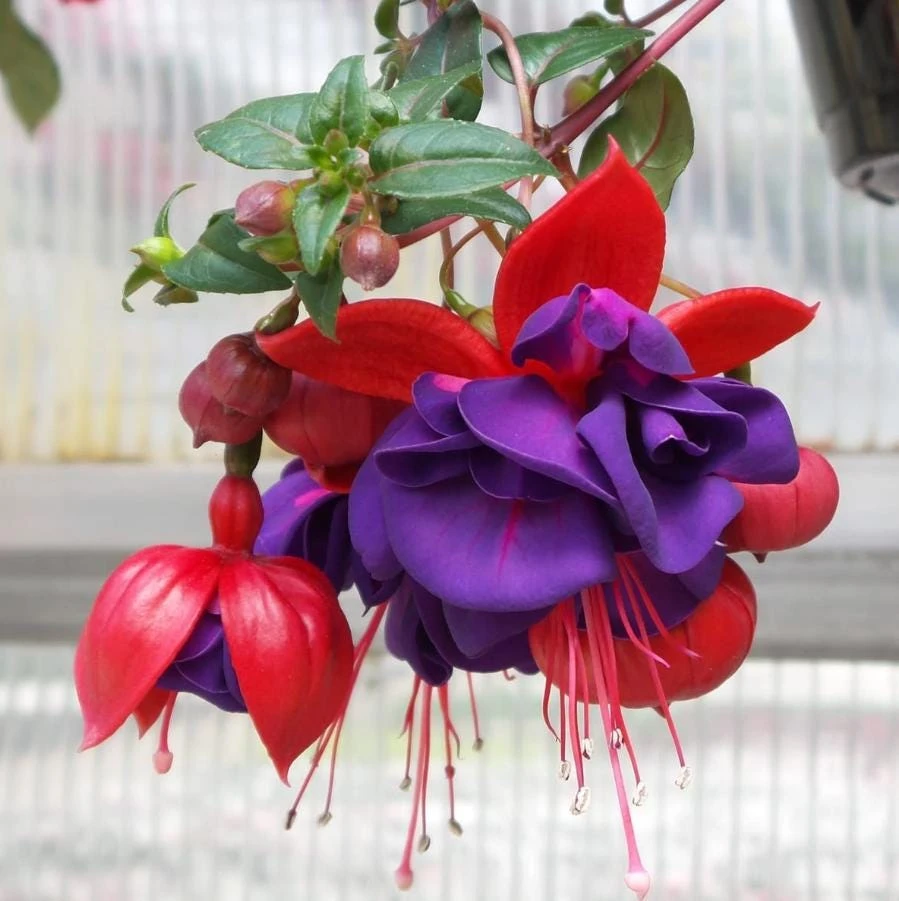
Fuchsia Corabells Dark Eyes Live Plant – 6″ Pot – Shade-Tolerant Flowering – Hanging Basket

Flower Plants
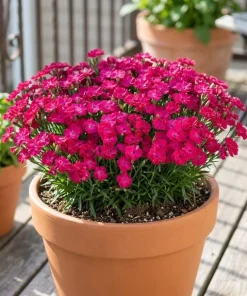
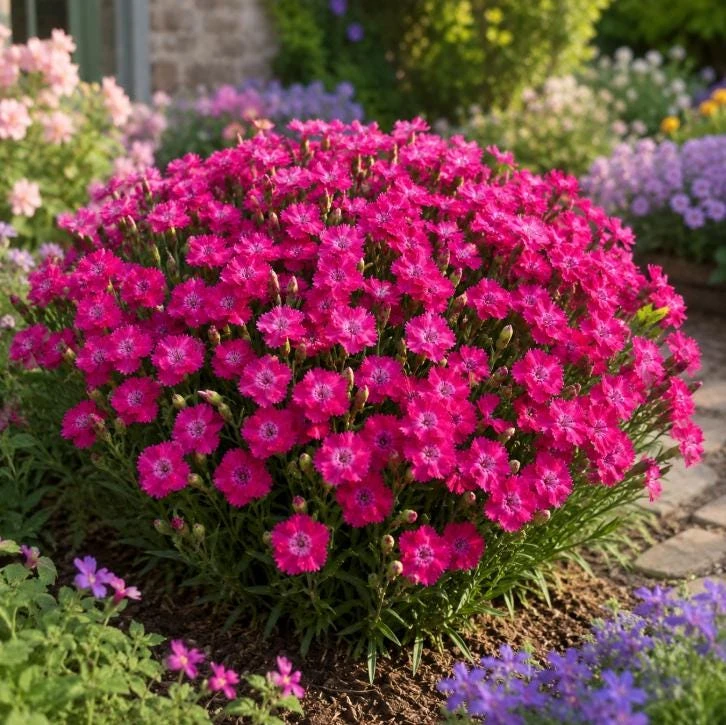
Pink Red Dianthus Live Plant – 3-5 Inch Tall in 4 Inch Pot, Fragrant Carnation Flowers


Houseplants
Set of 2 Golden Pothos Live Plants, 5-8 Inch Tall, 4 Inch Pot, Variegated Indoor Houseplant
Reviews
There are no reviews yet.